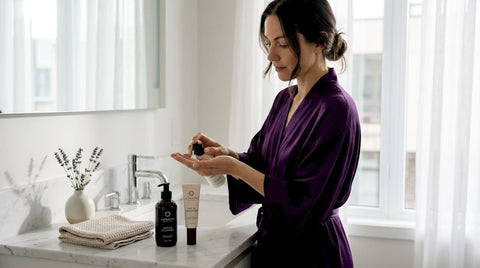
You don’t need a 10-step routine or a $200 serum to have healthy, radiant skin. The real challenge is knowing which products actually matter and which ones are just marketing noise. This affordable skincare essentials list cuts through the clutter and gives you a practical, dermatologist-aligned framework for building a routine that works without draining your wallet. Whether you’re starting from scratch or trimming down an overcomplicated shelf, this guide gives you every product type, real budget picks, and honest guidance on what your skin truly needs.
Table of Contents
- Key takeaways
- 1. How to choose affordable skincare essentials
- 2. Gentle cleansers
- 3. Moisturizers with hydrating ingredients
- 4. Broad-spectrum SPF 50+
- 5. Vitamin C serums for brightening
- 6. Retinoids for skin texture and anti-aging
- 7. Toners and exfoliants for specific needs
- 8. DIY and natural complementary options
- 9. Comparison of affordable skincare essentials
- 10. How to build your routine step by step
- My honest take on affordable skincare
- Start your routine with Lunarashopping
- FAQ
Key takeaways
| Point | Details |
|---|---|
| Three products are enough | A gentle cleanser, moisturizer, and SPF 50+ form a complete, effective routine for under $30. |
| Price doesn’t predict performance | Budget brands use the same proven active ingredients as luxury lines, so cost is not a quality indicator. |
| Consistency beats complexity | Active ingredients need 8 to 12 weeks of consistent use to show visible results. |
| Price-per-use is the smarter metric | Larger sizes and 2-in-1 products lower your monthly cost more than hunting for cheap upfront prices. |
| Lifestyle factors matter too | Sleep, nutrition, and stress management directly affect skin health in ways no topical product can replicate. |
1. How to choose affordable skincare essentials
Before you build your affordable skincare essentials list, you need a filter. Without one, you’ll end up with a drawer full of products that overlap, conflict, or simply don’t do much for your skin type.
The first filter is function. Every product on your list should fill a specific role: cleansing, hydrating, protecting, or treating. If two products do the same job, you only need one. According to dermatologists, three foundational steps are all most people need to maintain healthy skin, and all three are achievable with drugstore products.
The second filter is ingredients, not branding. Look for these proven actives:
- Ceramides and hyaluronic acid for hydration and barrier repair
- Niacinamide for pore refinement, oil control, and redness relief
- Vitamin C (ascorbic acid or ascorbyl glucoside) for brightening and antioxidant protection
- Retinoids (retinol or adapalene) for skin texture, acne, and anti-aging
- Broad-spectrum SPF 50+ for daily UV protection
The third filter is price-per-use, not sticker price. A $6 cleanser used twice daily lasts about a month. A $15 moisturizer with a pump lasts three months. Understanding price-per-ounce helps you see which products actually save you money over time.
Pro Tip: Avoid building your routine around trending ingredients you’ve seen on social media. Start with barrier-supporting basics, then add one treatment product at a time once your skin is stable.
2. Gentle cleansers
A cleanser is the foundation of any skin care on a budget. Its job is simple: remove dirt, oil, and sunscreen without stripping your skin’s natural moisture barrier. The moment your skin feels tight or dry after washing, the cleanser is working against you.
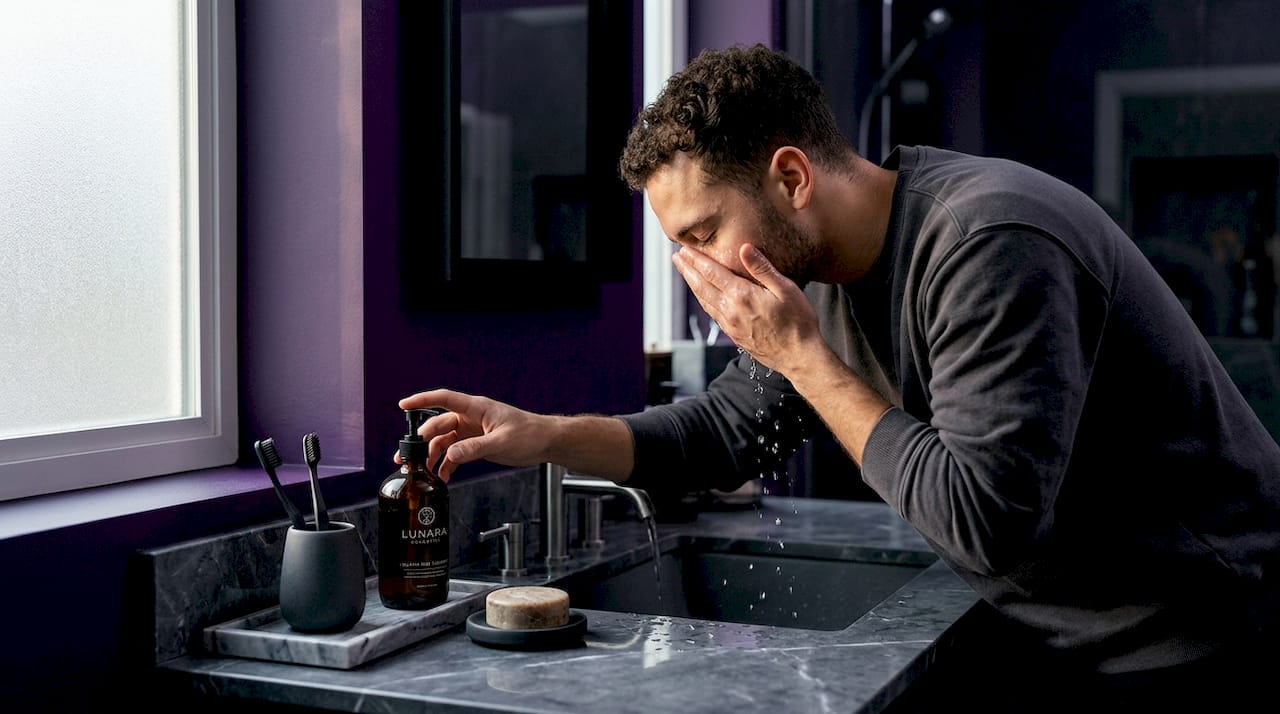
Look for sulfate-free formulas with a slightly acidic pH (around 5.5) that match your skin’s natural environment. CeraVe Hydrating Cleanser and Cetaphil Gentle Skin Cleanser are both widely recommended by dermatologists and cost under $15. For oily or acne-prone skin, a BHA cleanser with salicylic acid helps clear pores without aggressive scrubbing. The INNISFREE Volcanic BHA Pore Cleansing Foam is a well-formulated option that delivers a fresh, clarified finish at an accessible price point.
Wash your face twice daily: once in the morning and once at night. More frequent washing disrupts the skin barrier and can actually trigger more oil production in response.
3. Moisturizers with hydrating ingredients
Moisturizer is non-negotiable regardless of your skin type, including oily skin. The goal is to maintain the skin barrier, reduce transepidermal water loss, and keep skin supple and calm.
For dry or normal skin, look for formulas with ceramides, glycerin, or hyaluronic acid. Neutrogena Hydro Boost Gel-Cream is a widely available, budget-friendly option with a lightweight, non-greasy texture. For a Korean skincare alternative that punches above its price point, the INNISFREE Green Tea Seed Hyaluronic Face Cream delivers deep hydration with green tea antioxidants and multiple forms of hyaluronic acid. It’s one of the best value skincare picks for anyone wanting effective hydration without the luxury markup.
For oily or acne-prone skin, gel moisturizers with niacinamide work well. They hydrate without clogging pores and help regulate sebum production over time.
4. Broad-spectrum SPF 50+
If you only add one product to your routine, make it sunscreen. UV exposure causes up to 80% of visible skin aging, which means every expensive serum and treatment you apply is undermined if you skip daily SPF. This is the single most cost-effective anti-aging step available.
Look for broad-spectrum SPF 50+ that protects against both UVA and UVB rays. EltaMD UV Clear is a favorite for sensitive and acne-prone skin. La Roche-Posay Anthelios Melt-In Milk Sunscreen is another well-regarded option. Both sit under $40 and last one to two months with daily use, making the per-use cost quite low.
Apply sunscreen every morning as the last step in your routine, even on cloudy days or when staying indoors near windows.
5. Vitamin C serums for brightening
Vitamin C is one of the most studied antioxidants in skincare. It neutralizes free radical damage from UV and pollution, brightens hyperpigmentation, and supports collagen synthesis. It’s also one of the easiest ways to get a brighter, smoother finish without spending much.
The Ordinary Vitamin C Suspension 23% is one of the most affordable options available, though it has a gritty texture some users find uncomfortable. TruSkin Vitamin C Serum is a more user-friendly formula at a similar price point. Apply vitamin C in the morning after cleansing and before moisturizer for maximum antioxidant benefit.
One thing to know: vitamin C is unstable and degrades when exposed to light and air. Store your serum in a cool, dark place and replace it every three to four months to maintain potency.
6. Retinoids for skin texture and anti-aging
Retinoids are the most evidence-backed treatment ingredient in skincare. They accelerate cell turnover, reduce the appearance of fine lines, fade post-acne marks, and improve overall skin texture over time. The good news for anyone building a skincare routine for less: you don’t need a prescription to access them.
Differin Gel (adapalene 0.1%) is available over the counter and costs approximately $1.50 per month, making it one of the most cost-efficient treatment products you can add to a basic routine. It performs comparably to prescription-strength retinoids for many skin concerns.
For a more accessible entry point, retinol sheet masks are a lower-commitment way to introduce retinoids without the initial irritation that comes with nightly use. The MISSHA Time Revolution Retinol 1000 Shot 2 Step Solution Mask delivers a concentrated retinol treatment in a single-use format, which is ideal for beginners or anyone with sensitive skin who wants to test tolerance before committing to a daily retinol product.
Start retinoids slowly: two to three nights per week, then increase frequency as your skin adjusts.
7. Toners and exfoliants for specific needs
Toners and exfoliants are optional additions to a core routine, but they can make a meaningful difference for specific skin concerns when chosen carefully.
Chemical exfoliants like AHAs (glycolic acid, lactic acid) and BHAs (salicylic acid) are keratolytic agents that dissolve the bonds between dead skin cells, revealing a brighter, smoother surface underneath. Paula’s Choice BHA Exfoliant and The Ordinary Glycolic Acid 7% Toning Solution are both affordable and well-formulated. Use exfoliants two to three times per week at most. Daily use disrupts the skin barrier and increases sensitivity.
Hydrating toners with ingredients like panthenol or beta-glucan help prep skin to absorb the next product more effectively. They’re especially useful in dry climates or during winter months when the skin barrier is under more stress.
8. DIY and natural complementary options
For those who want to stretch their budget even further, certain natural ingredients offer real, research-backed skin benefits. Honey and oatmeal provide antibacterial, anti-inflammatory, and moisturizing effects at minimal cost. A plain oatmeal mask can soothe reactive or sensitized skin without the risk of irritating fragrance or preservatives found in some budget products.
These DIY options work best as complementary additions, not replacements for your core products. They’re particularly useful for calming skin after a reaction or adding a gentle exfoliation step without spending anything extra.
9. Comparison of affordable skincare essentials
Here’s a side-by-side look at some of the most reliable budget skincare products across the three core categories, with skin type guidance and approximate price ranges.
| Category | Product | Price Range | Best For | Key Benefit |
|---|---|---|---|---|
| Cleanser | CeraVe Hydrating Cleanser | $12 to $15 | Dry, normal, sensitive | Ceramides, no sulfates, barrier-safe |
| Cleanser | Cetaphil Gentle Skin Cleanser | $10 to $14 | All skin types | Fragrance-free, ultra-gentle |
| Moisturizer | Neutrogena Hydro Boost Gel | $14 to $20 | Oily, combination | Hyaluronic acid, non-comedogenic |
| Moisturizer | INNISFREE Green Tea Seed Cream | $15 to $22 | Normal, dry | Antioxidants, multi-hyaluronic complex |
| SPF | EltaMD UV Clear SPF 46 | $30 to $38 | Sensitive, acne-prone | Zinc oxide, niacinamide, lightweight |
| SPF | La Roche-Posay Anthelios | $28 to $36 | All skin types | Broad-spectrum, water-resistant |
Budget brands match luxury ones in active ingredient quality, which means spending more does not automatically mean better results. The brands above have strong safety profiles, minimal irritant ingredients, and consistent formulations that dermatologists recommend regularly.
Pro Tip: When comparing two products at different price points, divide the price by the number of ounces to get the true cost per ounce. A larger bottle almost always wins on value.
10. How to build your routine step by step
Building a budget skincare routine doesn’t require a spreadsheet. It requires a clear order of operations and the discipline to stick with it. According to research, a complete routine under $30 is entirely achievable with the right product choices.
Here’s how to build it:
- Start with the core three. Cleanser, moisturizer, and SPF are your non-negotiables. Get these right before adding anything else.
- Add vitamin C in the morning. Once your skin is stable on the core three, introduce a vitamin C serum in the AM after cleansing and before moisturizer.
- Introduce retinoids at night. Start two nights per week. Apply after cleansing and before moisturizer. Expect some initial dryness or flaking as your skin adjusts.
- Add an exfoliant if needed. If you’re dealing with dullness, clogged pores, or uneven texture, add a BHA or AHA two to three times per week at night. Do not use on the same nights as retinoids.
- Use 2-in-1 products strategically. A moisturizer with SPF can replace two separate products and reduce your morning routine time and cost. 2-in-1 products lower monthly spending without sacrificing results.
Pro Tip: Buy larger sizes of products you use daily, like cleanser and moisturizer. The per-ounce cost drops significantly, and you won’t run out mid-routine.
One of the most common budget skincare mistakes is switching products too quickly. Active ingredients need 8 to 12 weeks to show visible results. Give each new product at least two months before deciding whether it’s working.
My honest take on affordable skincare
I’ve seen it happen over and over. Someone spends $150 on a multi-step routine they saw online, uses it for three weeks, doesn’t see dramatic results, and concludes that skincare doesn’t work for them. The problem was never the budget. It was the complexity.
In my experience, the people with the healthiest skin aren’t using the most products. They’re using three to four products consistently, protecting their skin from the sun every single day, and prioritizing sleep and stress management alongside their topical routine. No serum fixes chronic sleep deprivation. No toner compensates for a diet that’s constantly inflaming your skin.
What I’ve learned is that the skin barrier is surprisingly resilient when you stop overwhelming it. Fewer products means fewer potential irritants, fewer conflicting actives, and a clearer picture of what’s actually working. Minimalism isn’t a compromise. It’s a strategy.
My advice: resist the pull of best skincare practices that require a dozen products to execute. Invest in your core three, add one treatment at a time, and give your skin the time it needs to respond. That approach costs less, stresses your skin less, and delivers better long-term results than any trending routine ever will.
— Lunara
Start your routine with Lunarashopping
If you’re ready to put this affordable skincare essentials list into practice, Lunarashopping has curated Korean skincare products that deliver real results at accessible prices.
The INNISFREE Green Tea Seed Hyaluronic Face Cream is a standout moisturizer for anyone wanting deep hydration without the luxury price tag. For retinol beginners, the MISSHA Retinol 1000 Shot Mask offers a low-commitment way to introduce this powerhouse ingredient. Both products align with the core principles of inexpensive skincare must-haves: proven ingredients, skin-compatible formulas, and real value per use. Browse the full selection at Lunarashopping to find what fits your skin and your budget.
FAQ
What are the true skincare essentials for beginners?
A gentle cleanser, a moisturizer, and a broad-spectrum SPF 50+ are the three products every beginner needs. These three steps address cleansing, hydration, and UV protection, which covers the majority of daily skin health needs.
Can you really build an effective routine for under $30?
Yes. Drugstore brands like CeraVe, Cetaphil, and Neutrogena use the same proven active ingredients found in luxury products, and a complete routine using these brands costs as little as $12 to $30 per month.
How long before budget skincare products show results?
Most active ingredients, including retinoids and vitamin C, need 8 to 12 weeks of consistent daily use before visible results appear. Switching products before that window closes is the most common reason people don’t see improvement.
Is Korean skincare affordable compared to Western brands?
Many Korean skincare brands offer high-quality formulations at mid-range prices, making them strong contenders on any cheap skincare essentials list. Products like INNISFREE and MISSHA are particularly well-regarded for their ingredient quality relative to cost.
What’s the biggest mistake people make with budget skincare?
Buying too many products at once. Adding multiple new products simultaneously makes it impossible to identify what’s helping or causing irritation. Start with the core three, stabilize your skin, then add one product at a time.