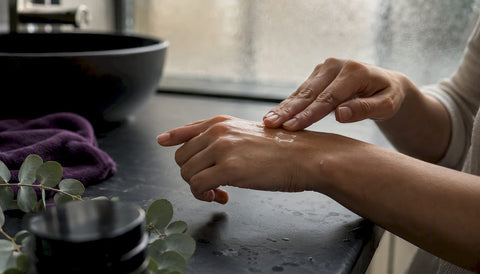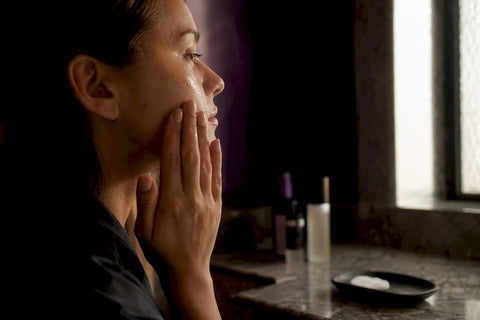
Snail mucin (snail secretion filtrate) reliably boosts hydration, supports the skin barrier, and can smooth texture over several weeks of consistent use. It is not a proven cure for acne, deep scarring, or advanced photoaging. Whether you notice real results depends heavily on the formulation and how much filtrate the product actually contains.
TL;DR:
- Snail mucin provides modest hydration, texture smoothing, and barrier support, but its claimed healing and anti-aging effects require higher concentrations and consistent use.
- Studies show benefits after 8 to 12 weeks, with results highly dependent on formulation and SSF concentration, typically between 40% and 96%.
- Key bioactive molecules include glycoproteins, hyaluronic acid, allantoin, peptides, and gentle acids, whose efficacy depends on dose and product mixing.
- Suitable for sensitive or post-procedure skin for hydration and calming, but it should complement, not replace, actives targeting acne or scars.
- Choosing a product with at least 40% SSF, supporting humectants, minimal fragrance, and stable packaging maximizes potential benefits.
Table of Contents
- What Is Snail Mucin (SSF) and Which Components Matter?
- What Does the Evidence Say About Snail Mucin?
- What Are the Main Benefits People Notice?
- How Do You Use Snail Mucin Safely in a Routine?
- How Do You Choose a Snail Mucin Product?
- Lunara’s Perspective: Why We Curate Certain Snail Mucin Formulas
- Where to Find Well-Formulated Snail Mucin Products
- Sources
What Is Snail Mucin (SSF) and Which Components Matter?
Snail secretion filtrate is the fluid snails produce for movement, hydration, and self-repair, filtered and stabilized for cosmetic use. Brands lean on it because that fluid carries a cluster of bioactive molecules that plausibly support skin repair and moisture retention, rather than any single miracle compound.
The components doing the actual work include:
- Glycoproteins that form a lightweight film on the skin’s surface, helping lock in moisture.
- Glycosaminoglycans and trace hyaluronic acid, which add mild humectant power alongside the glycoproteins.
- Allantoin, a soothing, keratolytic-adjacent compound that supports smoother texture.
- Peptides, including GHK-Cu, associated with fibroblast activity and modest collagen support.
- Trace glycolic and lactic acids, offering gentle, low-level exfoliation.
- Antimicrobial peptides, linked to the anti-inflammatory effects reported in lab studies.
Together, these molecules explain the humectant effect, mild fibroblast stimulation, and calming activity attributed to snail mucin. What actually reaches your skin, though, depends on concentration and formulation. A product listing SSF near the bottom of its ingredient list delivers a very different dose than one built around it.
What Does the Evidence Say About Snail Mucin?
The clinical picture is encouraging but modest. Small randomized controlled trials have found measurable improvements in fine lines, elasticity, texture, and hydration after 8 to 12 weeks of topical SSF use compared with vehicle controls, according to a 2024 review in the Journal of Cosmetic Dermatology. Many of those trials, however, used high SSF concentrations in formulations that varied widely from one study to the next, which makes it hard to generalize results to whatever bottle happens to be on a drugstore shelf.
What the research actually confirms: Systematic reviews describe snail mucin as an effective humectant and barrier-support ingredient. They stop short of calling it a proven treatment for acne, deep scarring, or advanced photoaging, and note that larger-scale human trials remain limited.
Preclinical and animal studies add mechanistic weight, showing wound-healing acceleration, tissue regeneration, and antimicrobial activity in lab models, per a comprehensive review published on PMC. That evidence supports plausible mechanisms rather than guaranteed outcomes. Study size, sponsor involvement, and inconsistent SSF percentages across products are the recurring limitations. A fair summary: hydration and texture claims sit on reasonably solid ground; anti-aging and healing claims are promising but still preliminary.
What Are the Main Benefits People Notice?
The timeline matters as much as the ingredient itself. Some effects show up almost immediately; others take weeks of consistent layering.
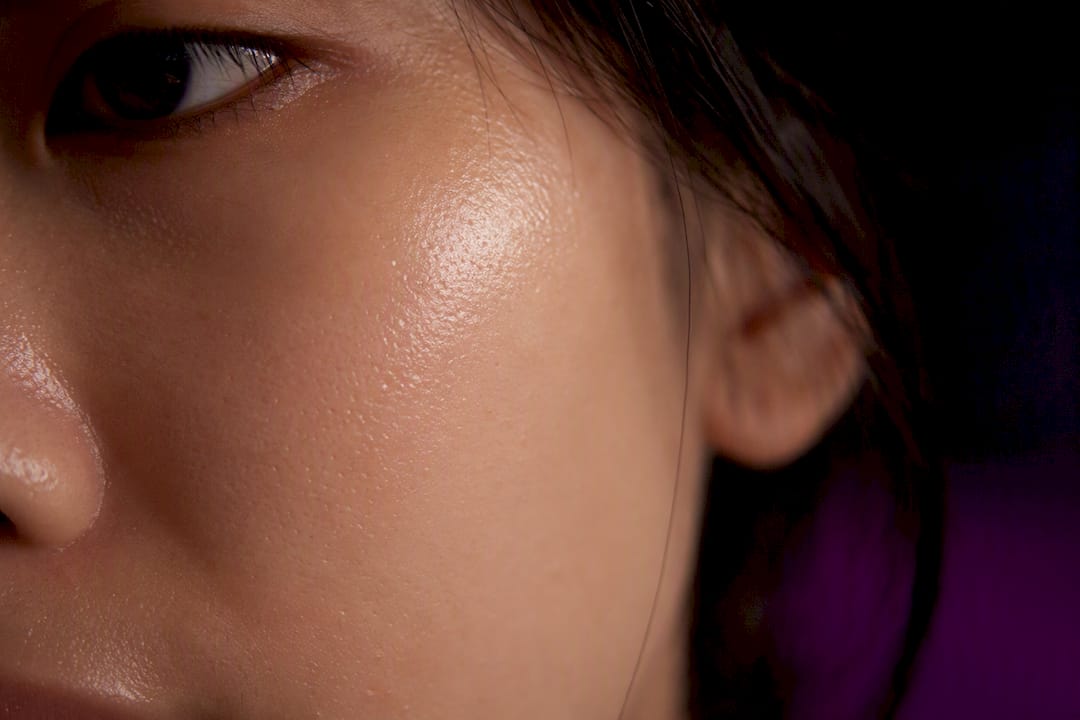
- Hydration and plumping: A noticeable dewy, plumped look within minutes, with reduced transepidermal water loss over consecutive days of use.
- Texture and tone: Smoother, more even-looking skin typically develops over 2 to 8 weeks, tracking with the RCT timelines noted above.
- Post-procedure support: Some clinicians recommend SSF after microneedling or nonablative laser treatments, since preclinical wound-healing data gives a plausible mechanism for calmer, faster-feeling recovery.
- Acne and post-inflammatory marks: SSF can support a calmer complexion alongside a real acne routine, but it is a supporting player, not a primary treatment.
Sensitive and dry skin types tend to notice the hydration benefit fastest. Oily and acne-prone skin can still tolerate SSF well, particularly in lighter essence textures, but should treat it as a complement to actives that target breakouts directly rather than a replacement for them.
Pro Tip: Apply your snail mucin essence to slightly damp skin right after cleansing. The added moisture on the surface helps the humectants in the formula bind more water, which is where a lot of that immediate “plump” effect comes from.
How Do You Use Snail Mucin Safely in a Routine?
Getting results without irritation comes down to sequence and patience, not complicated technique.
- Patch test first. Apply a small amount to your inner forearm or behind the ear and wait 24 to 48 hours before using it on your face, since dermatology guidance consistently recommends this window for new actives.
- Apply once or twice daily. Most people use an SSF essence or serum morning and night, right after cleansing, while skin is still slightly damp.
- Layer thoughtfully. Snail mucin generally pairs well with retinoids and gentle acids, but introduce them on alternating nights at first if your skin runs sensitive.
- Never skip sunscreen. SSF supports repair; it does not replace daily SPF, which remains the single most important step against visible aging.
- Watch for irritation. Discontinue use if you notice redness, stinging, or breakouts, and see a dermatologist if symptoms persist beyond a few days.
Being a “natural” derivative doesn’t make snail mucin allergy-proof. A minority of users react to SSF itself or to co-formulated fragrance and preservatives, which is exactly why the patch test isn’t optional.
How Do You Choose a Snail Mucin Product?
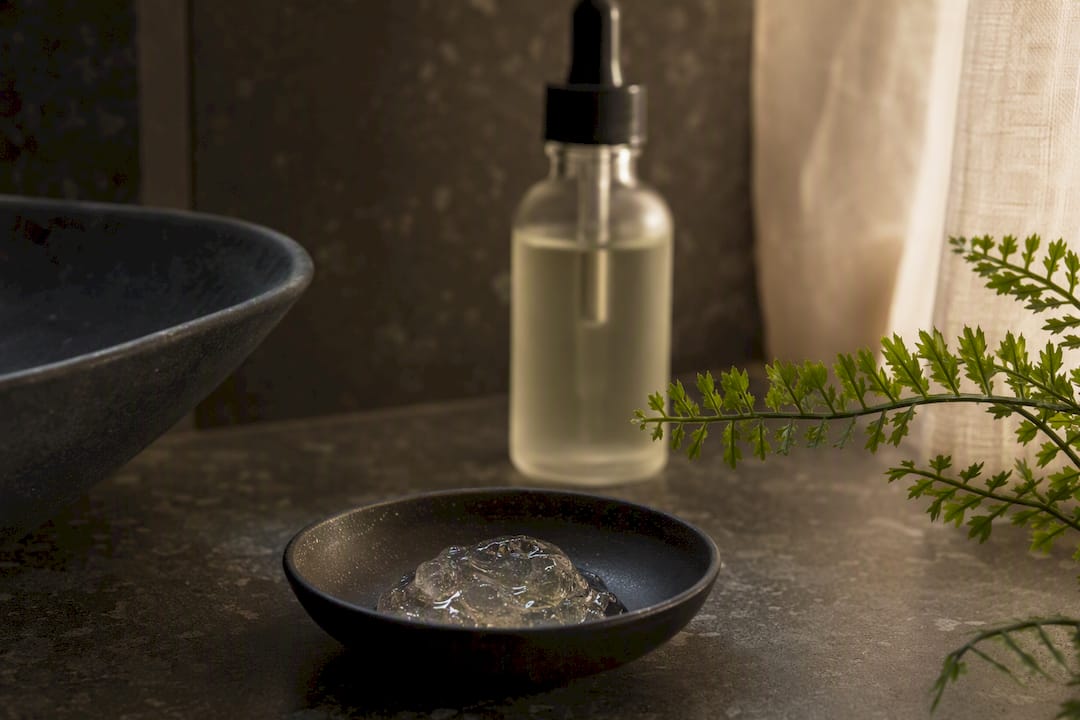
Concentration is the detail most shoppers skip and the one that matters most. Clinical formulations tested in published studies generally sit in the 40% to 96% SSF range, and analyses of commercial products suggest that below roughly 40%, the bioactive dose becomes harder to count on. A product with SSF listed near the end of its ingredient panel is unlikely to deliver much at all.
Beyond the percentage on the label, look for:
- Supporting humectants like hyaluronic acid and panthenol, which do real work alongside SSF rather than just padding the label.
- Allantoin, reinforcing the soothing, barrier-supporting effect.
- Minimal fragrance and unnecessary actives if your skin is reactive or already using retinoids or acids elsewhere in your routine.
- Airless pump packaging or opaque, stable containers, which protect sensitive proteins and peptides from degrading before you finish the bottle.
Dermatology commentary is blunt about this: much of what people credit to snail mucin actually comes from the full formulation working together, not SSF in isolation. Read the whole ingredient list, not just the marketing headline. And if you’re dealing with cystic acne, significant scarring, or advanced sun damage, a clinician-directed treatment plan will outperform any topical, snail mucin included.
Lunara’s Perspective: Why We Curate Certain Snail Mucin Formulas
We lean toward minimalist, higher-SSF formulas, especially for sensitive or post-procedure skin, because a shorter ingredient list makes it easier to know what’s actually delivering results. Snail mucin earns its place in a routine as a hydration and barrier-support layer, not a replacement for SPF, retinoids, and antioxidants. We’d rather set that expectation clearly than let a product overpromise. The evidence supports a supporting role, and that’s exactly how we recommend using it.
— Lunara
Where to Find Well-Formulated Snail Mucin Products
Lunarashopping is where the concentration and ingredient-list guidance above actually gets easier to apply, since every product we carry gets checked against those same standards before it reaches our shelves.
We stock formulas built around meaningful SSF concentrations rather than trace amounts buried at the bottom of a label, including the COSRX Advanced Snail 96 Mucin Power Essence for readers who want a higher-percentage option, and the MONTNATURE Ginseng & Snail Mucin Glow Serum if you prefer SSF paired with complementary actives. If retinol is already part of your anti-aging lineup, a well-formulated option like CeraVe’s retinol serum layers cleanly alongside an SSF essence without overwhelming your barrier. For a broader starting point, browse our full face care collection and build a routine around the concentration and formulation cues covered above.
Sources
For readers who want to dig into the primary evidence: the Journal of Cosmetic Dermatology review, the PMC wound-healing review, and Mayo Clinic Press’s consumer overview offer the clearest, most balanced summaries currently available.
- PubMed: Biomolecules & Biomedicine (review)
- Hidden benefits of snail mucus: A natural skincare marvel — PMC
- Snail extract for skin: A review of uses, projections, and limitations - Journal of Cosmetic Dermatology (2024)