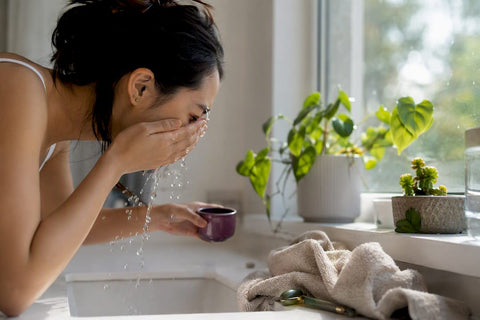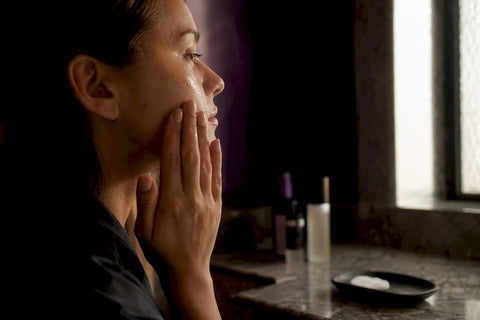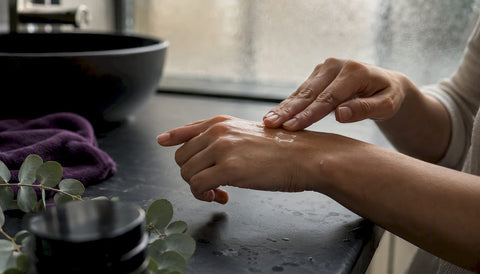
Beta-glucan is a clinically backed skincare ingredient that soothes inflammation, supports barrier repair, and delivers lasting hydration. It’s worth adding to your routine if you deal with reactive, post-procedure, or dry and sensitive skin, and peer-reviewed research on its wound healing and antioxidant effects backs those claims. Keep reading for how it works, how to layer it, and what to check for on a label.
TL;DR:
- Purified beta-glucan from oats, yeast, or mushrooms tends to be more consistent and effective than unstandardized extracts with variable concentrations.
- It forms a breathable film that reduces water loss, supports barrier repair, and soothes inflammation, especially after skin procedures.
- Beta-glucan activates immune receptors called Dectin-1, promoting skin healing and reducing redness by dampening inflammation.
- Layer it after water-based serums, applying on damp skin, and seal with moisturizer, especially during post-procedure recovery or for reactive skin.
- Choose products with beta-glucan listed near the top of the ingredients, preferably in airless or opaque packaging, and patch test before full use.
Table of Contents
- What Is Beta Glucan Skincare, and Where Does It Come From?
- Does Beta Glucan Benefit Skin? What the Clinical Evidence Shows
- How Does Beta Glucan Work on a Molecular Level?
- Beta Glucan vs Hyaluronic Acid: How They Differ and Work Together
- How to Add a Beta Glucan Serum or Moisturizer to Your Routine
- How to Choose a High-Quality Beta Glucan Product
- Is Beta Glucan Safe? Interactions and When to See a Clinician
- Beta Glucan Research: What Studies Show and What’s Still Unknown
- Can Beta Glucan Cause Side Effects or Allergic Reactions?
- Does Beta Glucan Break Down? Storage Tips for Longer Shelf Life
- Lunara’s Perspective: Why Complementary Ingredients Matter More Than the Hero
- Where to Start: Curated Beta Glucan Picks From Lunarashopping
- Sources
What Is Beta Glucan Skincare, and Where Does It Come From?
Beta-glucan is a polysaccharide, meaning a long chain of sugar molecules, that your skin doesn’t produce on its own. It comes from natural sources including oats, baker’s yeast, mushrooms like shiitake and reishi, and certain types of seaweed. Each source yields a slightly different molecular structure, which affects how the ingredient behaves once it’s in a jar or bottle.
You’ll see it listed under a few different names on ingredient panels, and knowing them helps you shop smarter. The most common labels include:
- Beta-glucan or oat beta-glucan, often sourced from oat bran or oat kernel
- Beta-1,3/1,6-glucan, a more precise chemical name that signals the branching pattern researchers associate with immune activity
- Yeast beta-glucan, extracted from the cell walls of Saccharomyces cerevisiae
- Pleuran or mushroom-derived glucans, less common but growing in K-beauty formulas
You’ll find beta-glucan in serums, essences, creams, sheet masks, and even some cleansers, where it acts as a mild film-forming humectant. Texture and performance vary a lot depending on format. A lightweight essence delivers a thin hydrating layer fast, while a cream version builds a heavier, more occlusive barrier over time.
One distinction matters more than most shoppers realize: extract versus purified ingredient. A product listing “oat extract” hasn’t necessarily been standardized for beta-glucan content, so the actual concentration could be trace or substantial. A review of natural beta-glucan sources notes that purified beta-1,3/1,6 preparations tend to perform more consistently than broad extract claims, because molecular weight and degree of branching directly influence how well the ingredient penetrates and functions on skin.
Does Beta Glucan Benefit Skin? What the Clinical Evidence Shows
Beta-glucan’s biggest strength is versatility. It isn’t a single-purpose ingredient. Clinical and laboratory research links it to hydration, barrier repair, inflammation reduction, wound healing, and antioxidant activity, all in the same molecule.
Hydration is the most immediately noticeable effect. Beta-glucan forms a breathable film on the skin’s surface that helps reduce transepidermal water loss (TEWL), the technical term for how quickly moisture escapes through the outer skin layer. Less water loss means skin holds onto hydration longer, which shows up as a plumper, more comfortable feel within days of consistent use.
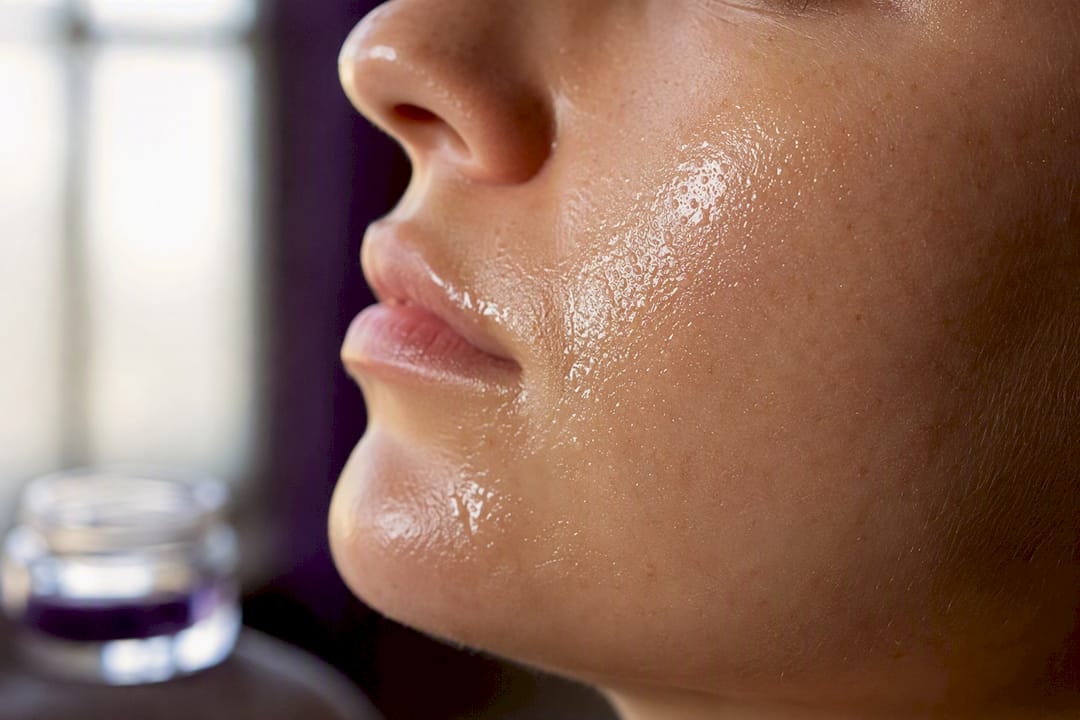
A 2026 synthesis of clinical and basic research confirms that beta-glucan delivers immune modulation, anti-inflammatory effects, wound healing support, and antioxidant activity in a single ingredient profile, according to a peer-reviewed review published in PMC. That combination is unusual. Most single actives target one mechanism; beta-glucan appears to work on several fronts at once.
The calming effect is where beta-glucan tends to stand out from typical hydrators, making it relevant for calming redness and treatment options in sensitive skin. Small clinical trials and case reports show reduced visible redness and improved healing metrics when beta-glucan is applied topically, particularly after procedures that compromise the skin barrier. A review of natural beta-glucans also documents antioxidant activity and anti-wrinkle potential, tying the ingredient to protection against the oxidative stress that UV exposure and pollution generate over time.
Here’s a quick summary of the outcomes most consistently reported across the research:
- Reduced transepidermal water loss, supporting longer-lasting hydration
- Decreased visible redness and inflammation in reactive or irritated skin
- Faster recovery markers after skin-barrier disruption, including laser procedures
- Antioxidant activity relevant to UV and environmental stress protection
- Support for keratinocyte activity tied to skin renewal
These findings come with real caveats. Study designs vary widely across the research base, sample sizes in clinical trials tend to be small, and beta-glucan sourced from oats behaves differently than beta-glucan sourced from yeast or mushrooms. Concentration also isn’t standardized across the industry, so results from one study don’t automatically transfer to every product on a shelf. Treat the evidence as a strong, consistent signal rather than a guarantee that any single formula will replicate lab conditions.
How Does Beta Glucan Work on a Molecular Level?
The soothing and repair effects trace back to a specific structural feature: branching. Beta-glucan molecules are built from glucose units linked in 1,3 and 1,6 configurations, and that branched shape is exactly what your skin’s immune cells are wired to recognize.
Immune cells in the epidermis carry receptors called Dectin-1, and Dectin-1 binds specifically to branched beta-glucan structures. This isn’t a coincidence. Dectin-1 evolved to detect glucans on fungal cell walls as part of the body’s pathogen-defense system, and topical beta-glucan essentially borrows that same recognition pathway to trigger a controlled, beneficial immune response in skin.
Branched beta-1,3/1,6 glucans engage Dectin-1 receptors on epidermal immune cells, shifting cytokine profiles and promoting keratinocyte and fibroblast activity associated with re-epithelialization and collagen support, an action that purely humectant ingredients don’t produce.
That downstream cascade explains a lot. Once Dectin-1 is activated, it influences cytokine signaling, the chemical messengers that regulate inflammation. The result tends to be a dampened inflammatory response rather than an amplified one, alongside increased activity in keratinocytes (skin cells) and fibroblasts (collagen-producing cells) that support tissue repair.
This is the key difference between beta-glucan and a standard humectant like glycerin or hyaluronic acid. Humectants work through simple physical chemistry: they attract and hold water molecules, full stop. They’re effective at that job, but they’re biologically inert. Beta-glucan does the hydrating job too, through its film-forming properties, but it also communicates with immune receptors in a way that glycerin and hyaluronic acid simply don’t. That dual action, hydration plus active signaling, is what separates a soothing ingredient from a passive one.
Beta Glucan vs Hyaluronic Acid: How They Differ and Work Together
Beta-glucan and hyaluronic acid both hydrate, but they don’t hydrate the same way, and understanding the difference changes how you use them.
Hyaluronic acid is a fast-acting humectant that pulls water into the skin’s surface almost immediately, delivering that recognizable plump, dewy feel within minutes of application. Beta-glucan works more slowly and forms a cushiony film that builds comfort over sustained use rather than an instant hit. Consumer-facing analysis of beta-glucan describes this as a slower-building, longer-lasting hydration compared to HA’s quicker surface effect, and formulators at Dear, Klairs make a similar case for pairing the two rather than choosing one over the other.
The practical differences break down like this:
- Speed: Hyaluronic acid hydrates fast; beta-glucan builds a slower, more gradual moisture film.
- Feel: HA feels light and dewy; beta-glucan feels cushiony and calming, especially on irritated skin.
- Immune activity: Beta-glucan interacts with Dectin-1 receptors to reduce inflammation; hyaluronic acid has no comparable signaling role.
- Reactive skin fit: Beta-glucan tends to be gentler on compromised or post-procedure skin, where HA at high concentrations can occasionally feel tacky or sting on broken barriers.
Layering both is usually the smarter move rather than picking a side. Apply a hyaluronic acid serum first on damp skin for the initial hydration pull, then follow with a beta-glucan serum or essence to lock in that moisture and add the soothing layer. From there, ceramides and niacinamide fit naturally on top to reinforce the barrier further.
Choose beta-glucan on its own, without HA, when your skin is actively reactive, freshly post-procedure, or so dry that HA alone leaves it feeling tight rather than plump. Reach for hyaluronic acid alone only when your skin is otherwise balanced and you just want a quick hydration boost before makeup.
How to Add a Beta Glucan Serum or Moisturizer to Your Routine
Getting the sequencing right matters more than most people expect. Beta-glucan works best when it’s positioned to do its job without being blocked by heavier products applied too early.
- Cleanse first. Beta-glucan performs best on clean, slightly damp skin, since moisture helps the film-forming action work more efficiently.
- Apply lightweight, water-based serums before beta-glucan. If you’re using a vitamin C or hydrating acid serum, let that absorb first.
- Follow with your beta-glucan serum or essence. Pat it in rather than rubbing to avoid disrupting the film it’s forming.
- Seal with a cream or occlusive moisturizer. This traps the beta-glucan layer underneath and prevents evaporation.
- Use morning and night for general hydration and barrier support, or as directed by a clinician if you’re using it for post-procedure recovery.
Concentration isn’t tightly standardized across the category, so treat percentage claims as general guidance rather than fixed rules. Lower concentrations, often in the 0.1% to 1% range, show up in everyday hydrating serums aimed at general skin comfort. Higher concentrations tend to appear in treatment-focused formulas marketed for reactive or barrier-compromised skin. There’s no universal dosing chart the way there is for retinoids, so pay attention to how your skin responds rather than chasing a specific number.
Post-procedure use is where beta-glucan earns its clinical reputation. Clinical reports on recovery after laser resurfacing describe faster healing markers and improved hydration when topical beta-glucan is part of aftercare, although the trials behind these findings involve small sample sizes. If you’re recovering from microneedling, laser treatment, or professional exfoliation, beta-glucan is a reasonable addition to a gentle aftercare routine, but always confirm timing with the provider who performed the procedure.
Combining beta-glucan with retinoids or acids is generally straightforward, since beta-glucan doesn’t compete with or destabilize either ingredient. Many people use it specifically to offset the dryness and irritation that retinoids and exfoliating acids can cause.
Pro Tip: If you’re starting a retinoid for the first time, apply your beta-glucan serum first on nights you use retinol. The cushioning film can take some of the edge off initial flaking without diluting the retinoid’s effectiveness.
How to Choose a High-Quality Beta Glucan Product
Reading past the marketing language is the real skill here, since “beta-glucan” printed on a front label tells you very little about what’s actually inside.
Start with the ingredient list itself. Position matters. If beta-glucan sits near the top of the list, closer to water, it’s present in a meaningful concentration. If it’s buried near the bottom, past a dozen other ingredients, treat any barrier-repair claims on the packaging with some skepticism.
Look for supporting cast members that reinforce the barrier-repair story:
- Ceramides, which rebuild the lipid layer that beta-glucan’s film sits on top of
- Panthenol (pro-vitamin B5), a proven soothing agent that pairs naturally with beta-glucan’s calming action
- Niacinamide, which supports barrier function and complements beta-glucan’s anti-inflammatory profile
- Minimal or no added fragrance, since fragrance is one of the most common irritants in otherwise gentle formulas
Packaging tells you something too. Beta-glucan is generally stable, but airless pump bottles and opaque tubes protect the formula from light and air exposure better than open jars, especially when the product also contains antioxidants like vitamin C that degrade faster under light. Texture varies predictably by format: expect a thin, almost watery consistency from essences, a slightly tacky gel-like feel from serums, and a richer, more cushioned texture from creams.
A few label patterns should raise a flag. Vague phrasing like “oat extract” with no percentage or standardization claim tells you almost nothing about actual beta-glucan content. Marketing copy that promises dramatic overnight transformation deserves skepticism too, since beta-glucan is a supportive, cumulative ingredient rather than a fast-acting resurfacing agent. If a brand can’t or won’t specify sourcing (oat, yeast, or mushroom) or molecular structure, that’s often a sign the formula was built around a trend rather than a documented concentration.
Is Beta Glucan Safe? Interactions and When to See a Clinician
Topical beta-glucan has a strong safety profile. It’s generally well tolerated across skin types and considered non-comedogenic, meaning it’s unlikely to clog pores or trigger breakouts in acne-prone skin. That tolerability is part of why it’s become a staple in formulas aimed at eczema and sensitive skin, with a long history of topical use for exactly that purpose, according to dermatology-focused analysis of the ingredient.
Still, patch testing is worth doing before applying any new beta-glucan product to your full face, particularly if your skin reacts easily to new actives. Apply a small amount to your inner forearm or behind your ear, wait 24 to 48 hours, and check for redness, itching, or irritation before working it into your routine.
Oral beta-glucan supplements are a separate consideration from topical products, and they carry a different risk profile. Beta-glucan’s immune-modulating activity, the same mechanism that makes it soothing on skin, means oral supplementation could theoretically interact with immunosuppressant medications. If you’re taking immunosuppressants for an autoimmune condition or post-transplant care, check with your physician before adding oral beta-glucan supplements, even though this concern doesn’t extend to topical skincare use.
One allergen note matters specifically for oat-derived formulas: if you have a known oat allergy or oat sensitivity, choose yeast-derived or mushroom-derived beta-glucan instead, or skip oat-based products entirely. And as with any active ingredient, if you notice persistent redness, stinging, or breakouts after starting a beta-glucan product, discontinue use and consult a dermatologist rather than pushing through the irritation.
Beta Glucan Research: What Studies Show and What’s Still Unknown
The research base on beta-glucan spans mechanism studies, formulation reviews, and small clinical trials, with a consistent through-line: the ingredient does what it claims, but the evidence quality varies by claim.
| Source Type | Claim Investigated | Key Finding | Caveat |
|---|---|---|---|
| Peer-reviewed review, PMC | Wound healing, inflammation, antioxidant activity | Confirms immune modulation and repair support across multiple study types | Synthesizes varied study designs rather than one large trial |
| Review, Phytotherapy Research | Antioxidant and anti-wrinkle effects | Documents skin permeation and anti-wrinkle potential tied to source and molecular weight | Findings vary significantly by beta-glucan source (cereal vs microbial) |
| Clinical reports, Experimental Dermatology | Post-laser recovery and hydration | Faster recovery markers and improved hydration with topical use | Small sample sizes limit how broadly results generalize |
The clearest research gap is standardization. Studies rarely test the same concentration, source, or molecular weight, which makes cross-study comparison difficult even when the underlying findings point in the same direction. Larger randomized controlled trials, particularly for post-procedure recovery claims, would strengthen the evidence considerably. Long-term safety data on daily topical use over years, rather than weeks, is also thin.
If you’re the kind of reader who wants to dig into primary literature rather than take summaries at face value, the PMC and Phytotherapy Research reviews above are the strongest starting points. Both cite the underlying clinical studies directly.
Can Beta Glucan Cause Side Effects or Allergic Reactions?
True allergic reactions to topical beta-glucan are uncommon, but they’re not impossible, and the risk profile depends heavily on the source.
Oat-derived beta-glucan carries the most relevant allergy risk, since it’s processed from a grain that’s a recognized allergen for some people. If you have a diagnosed oat allergy, even topical exposure could theoretically trigger a reaction, so checking the source listed on the label (oat versus yeast versus mushroom) is worth the extra thirty seconds before you buy.
Mild irritation is more common than true allergy, and it usually traces back to the rest of the formula rather than the beta-glucan itself. Added fragrance, essential oils, or high concentrations of other actives layered alongside beta-glucan are the more likely culprits when someone reports stinging or redness after starting a new product.
Watch for these signs that a product isn’t working for your skin:
- Persistent redness or warmth that doesn’t fade within a few hours of application
- Itching or a rash localized to where the product was applied
- Small bumps or breakouts appearing in the treated area within days
If any of these show up, stop using the product and see whether symptoms resolve. Reintroducing it later as a patch test, on a small area only, can help you determine whether beta-glucan specifically was the trigger or whether another ingredient in the formula was responsible.
Does Beta Glucan Break Down? Storage Tips for Longer Shelf Life
Beta-glucan itself is a relatively stable molecule compared to more finicky actives like vitamin C or retinol, but the products that contain it still benefit from a few storage habits.
Heat and prolonged light exposure are the main threats to formula stability generally, and while beta-glucan tolerates both better than many actives, the other ingredients in a serum or cream, especially antioxidants and preservative systems, often don’t. Store beta-glucan products in a cool, dry spot away from direct sunlight, and skip the bathroom shelf if your shower runs hot and steamy, since repeated humidity swings can degrade preservatives faster than the label’s expiration date suggests.
Packaging plays a bigger role in longevity than most shoppers realize. Airless pump bottles limit air exposure with every use, which helps preserve both beta-glucan and any accompanying actives like niacinamide or peptides. Opaque tubes and bottles block light exposure entirely, an advantage over clear glass jars that look elegant on a shelf but expose the product to light every time the lid comes off.
Once opened, most beta-glucan serums and creams hold up well for the standard 6 to 12 months typical of water-based formulas, though you should always check the small jar symbol on the packaging (the Period After Opening icon) for the exact number. If a formula changes color, develops an odd smell, or separates visibly, those are signs it’s time to replace it regardless of what the expiration date says.
Lunara’s Perspective: Why Complementary Ingredients Matter More Than the Hero
Beta-glucan gets attention as a standalone hero ingredient, but that framing misses the point of how it actually performs. It works best as part of a barrier-support system, layered with ceramides, panthenol, and gentle humectants, rather than as a single fix dropped into an otherwise harsh routine.
That’s the lens Lunarashopping applies when curating Korean formulations for the catalog. Korean skincare has built its reputation on layering philosophy rather than single-ingredient marketing, and beta-glucan fits naturally into that approach because it’s rarely the loudest ingredient on a label but consistently one of the most functional. Formulas that pair it with barrier lipids and skip heavy fragrance tend to outperform ones that lean on beta-glucan as a marketing headline alone.
Packaging standards matter just as much as the ingredient list itself. A well-formulated beta-glucan serum loses value fast in a jar that lets light and air degrade it before you’ve used half the bottle, which is why sourcing decisions go beyond active ingredients into container design.
— Lunara
Where to Start: Curated Beta Glucan Picks From Lunarashopping
Skipping the guesswork on ingredient concentration and formulation quality is the real advantage of shopping a curated collection instead of scrolling endless product pages hoping the label tells the whole story. Lunarashopping sources Korean formulas built around barrier-support philosophy, meaning beta-glucan rarely shows up alone. It’s paired with ceramides, panthenol, or niacinamide, and packaged to protect stability rather than just look good on a shelf.
If you’re new to the ingredient, start light. A beta-glucan serum from the morning routine set gives you a low-commitment way to test how your skin responds before committing to a full lineup. For skin that leans dry or reactive, browsing face creams and moisturizers built around barrier repair is the better entry point, since the heavier texture locks in beta-glucan’s hydrating film more effectively than a serum alone. And if you’d rather build a routine around your specific skin concerns from the ground up, the custom skincare kit builder lets you combine a beta-glucan step with complementary actives without guessing at compatibility. Browse the full face care collection to see where beta-glucan formulas fit into your existing routine.
Sources
- Exploring the Properties and Application Potential of β‐Glucan in Skin Care
- Skin Health Promotion Effects of Natural Beta‑Glucan Derived from Cereals and Microorganisms: A Review
- Clinical reports on beta‑glucan in post‑procedure recovery
- Beta‑Glucan in Skincare: What It Is and Is It Safe? (Byrdie)