For most skin concerns, start with a barrier-repair moisturizer containing ceramides and hyaluronic acid as your daily foundation, then add a targeted night cream with retinol or peptides for renewal. If brightening or uneven tone is your priority, a gentle antioxidant day cream paired with SPF rounds out the core three. Lunarashopping carries curated picks in all three categories, including K-beauty formulations that deliver these actives in skin-friendly concentrations.
Table of Contents
- What types of beauty creams should you actually buy?
- How do you choose the right cream for your skin type?
- Which ingredients actually make a face cream work?
- Curated face cream picks by skin concern
- How to layer and use face creams correctly
- When should you stop using a cream, and when do results show?
- Key Takeaways
- Why Lunarashopping favors a barrier-first, K-beauty approach
- Shop Lunarashopping’s curated face creams
- Useful sources
What types of beauty creams should you actually buy?
Face creams fall into a handful of practical categories, and knowing which label maps to which function saves you from buying three products that do the same thing.
Day creams are formulated to be lightweight, often include antioxidants for environmental defense, and frequently pair with SPF. Night creams tend to be richer and concentrate on repair and renewal, leaning on retinoids, peptides, or ceramides that work best while your skin isn’t exposed to UV. Moisturizers is a broad term covering any product that hydrates and softens; they range from thin gels to dense balms. Anti-aging creams are moisturizers with a specific active ingredient focus, such as retinol or growth factors, targeting fine lines, firmness, or hyperpigmentation. Barrier-repair creams prioritize ceramides, fatty acids, and cholesterol to restore the skin’s protective lipid layer. K-beauty hydration concentrates are a distinct subcategory: layerable, often water-based formulas built around fermented extracts, snail secretion filtrate, or centella asiatica that deliver intense hydration without heaviness.
Texture matters for tolerability. Gels and lightweight lotions suit oily or acne-prone skin. Cream textures work for normal to dry skin. Balms and richer creams are best for very dry or mature skin that needs occlusion. Explore the full range of moisturizer textures and categories to match your skin’s specific needs.
Here’s a quick category reference:
-
— (retinol, peptides, niacinamide) — formulated for mature, normal, or dry skin; available across a range of price points from mid-range to premium
How do you choose the right cream for your skin type?
The most reliable framework is to match your primary concern to a cream category first, then refine by texture and active ingredient.
| Skin Type / Concern | Recommended Category | Key Actives | Texture |
|---|---|---|---|
| Dry / dehydrated | Barrier-repair moisturizer | Ceramides, hyaluronic acid, squalane | Cream to balm |
| Oily / acne-prone | Lightweight gel moisturizer | Niacinamide, hyaluronic acid | Gel or fluid |
| Sensitive / reactive | Gentle barrier cream | Centella asiatica, ceramides, allantoin | Light cream |
| Mature / aging | Anti-aging night cream + barrier moisturizer | Retinol, peptides, ceramides, antioxidants | Rich cream |
| Uneven tone / dull | Brightening day cream | Vitamin C, niacinamide, fermented extracts | Light to medium cream |
A few quick skin-type guidelines:
- Mature skin: Prioritize barrier repair first, then layer in a retinoid or peptide product at night. Scripps Health guidance confirms that replenishing lost lipids and hydration is more effective for aging skin than stacking multiple harsh actives.
Patch testing: Before applying any new cream to your full face, apply a small amount to your inner forearm or behind your ear for 24–48 hours. If redness, itching, or swelling develops, discontinue use. If you are pregnant or breastfeeding, consult your healthcare provider before using retinoids or high-concentration actives.
Which ingredients actually make a face cream work?
According to Mayo Clinic, no single cream is universally best, but retinol, peptides, antioxidants, and ceramides are among the most consistently recommended actives for addressing signs of aging. Here’s what each one does and who benefits most.
- Bakuchiol: — A plant-derived ingredient that Mayo Clinic notes behaves similarly to retinol in smoothing and evening tone, with a lower irritation profile. Often cited as a pregnancy-safer alternative, though you should still confirm with your provider.
Dermatologist-backed principle: Consistency matters more than product price. Many topical anti-aging regimens require daily use for up to six weeks before noticeable improvements appear, and benefits tend to fade when use stops. A well-formulated $30 cream used every night outperforms a $150 cream used sporadically.
Compatibility note: avoid layering retinoids with high-concentration vitamin C or AHA/BHA exfoliants in the same application. Use retinoids at night and vitamin C in the morning. Niacinamide is compatible with most actives and can actually help buffer retinoid irritation.
The FDA classifies over-the-counter anti-aging creams as cosmetics, not drugs, so they are not subject to the same clinical approval process as prescription treatments. The term “cosmeceutical” is a marketing label, not a regulatory category. This means efficacy claims on packaging are not independently verified by a federal body, making ingredient literacy your best tool.
Curated face cream picks by skin concern
These picks are available through Lunarashopping’s face creams and moisturizers collection and map directly to the categories and actives covered above. Modern formulations combining delivery systems and actives like retinoids, peptides, and antioxidants can produce measurable improvements in skin quality, though they won’t replicate in-office procedures.
Hydration and barrier repair
BEAUTY OF JOSEON Dynasty Face Cream is a standout for barrier repair and deep hydration. Built on a base of ginseng root extract and rice bran, it delivers antioxidant support alongside skin-softening emollients. The texture is a medium-weight cream that absorbs without greasiness, making it suitable for normal to dry skin year-round. It fits the K-beauty philosophy of layering hydration rather than relying on a single occlusive. Use it as your daily moisturizer, AM or PM.
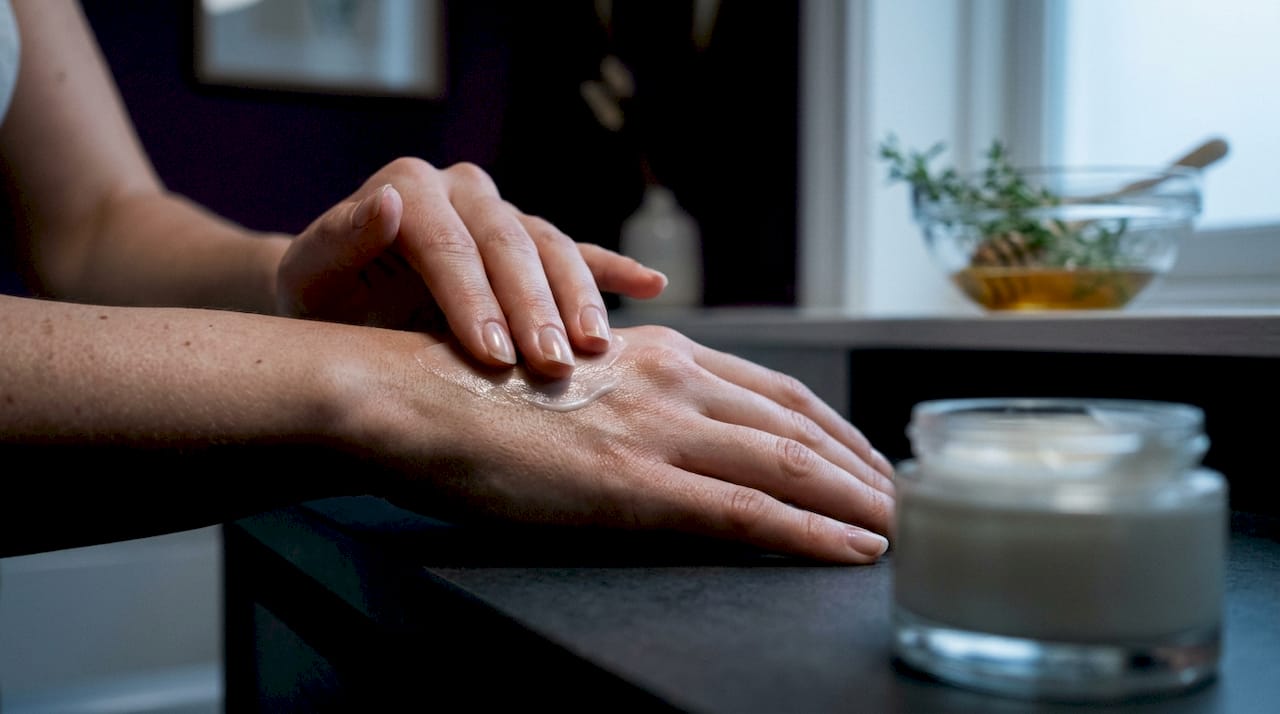
COSRX formulations consistently prioritize barrier-friendly actives. Their snail secretion filtrate-based creams are a reliable choice for dehydrated or sensitized skin, delivering hydration and mild repair without fragrance or unnecessary additives.
Anti-aging and renewal
PRETTYSKIN 2% NMN+PDRN Biotox Face Cream targets cellular renewal with NMN (nicotinamide mononucleotide) and PDRN (polydeoxyribonucleotide), two actives gaining attention in dermatology for their role in skin repair and regeneration. The texture is a smooth, medium cream suited to normal and mature skin. Use it as a PM treatment cream after your serum.
For a retinol-forward option, the PRETTYSKIN Ginseng Retinol Multi Cream pairs retinol with ginseng extract for a gentler delivery that suits those new to retinoids. Start two nights per week and build from there.
Forbes Vetted notes that the best night creams for mature skin combine peptides, retinol, ceramides, and antioxidants to firm, brighten, and nourish overnight. The CIROA Night Cream with Peptides, Vitamin E, and Mountain Berry Extract fits that profile precisely, with a peptide-rich formula that supports collagen and delivers antioxidant protection through the night.
Brightening and uneven tone
INNISFREE green tea-based creams are a reliable choice for brightening and antioxidant defense. The brand’s formulations use Jeju green tea extract, which is rich in polyphenols, to address dullness and oxidative stress. Lightweight textures make them suitable for combination to normal skin as a daytime moisturizer.
Sensitive skin
MEDICUBE offers formulations designed around skin barrier support and redness reduction, with centella asiatica and low-irritant actives. Their Age-R line targets mature and sensitive skin with a less-is-more approach that aligns with dermatologist guidance on avoiding active overload.
Pro Tip: Always read the full ingredient list, not just the front-of-pack claims. If a cream lists a hero active like retinol or vitamin C near the bottom of the INCI list, the concentration is likely too low to produce a meaningful effect. Look for actives in the top half of the list.
How to layer and use face creams correctly
Applying your cream in the right order and at the right time makes a real difference in how well actives absorb and how your skin tolerates them.
AM routine:
- Cleanser (gentle, pH-balanced)
- Toner or essence (optional, for added hydration)
- Vitamin C serum or antioxidant treatment
- Eye cream (if using)
- Moisturizer or barrier-repair cream
- Sunscreen (SPF 30 minimum — this step is non-negotiable)
PM routine:
- Double cleanse or gentle cleanser
- Toner or essence
- Treatment serum (niacinamide, peptides, or hyaluronic acid)
- Retinoid or targeted active (2–3 nights per week when starting out)
- Night cream or richer moisturizer
- Facial oil or occlusive (optional, for very dry skin)
Wait 20–30 minutes after applying a retinoid before layering your night cream if you find retinoids irritating. This “buffering” approach slows absorption slightly and reduces dryness and peeling. Wirecutter’s testing confirms that a mix of moisturizers with SPF, retinoids, and well-formulated serums produces the most meaningful improvements for aging skin when used consistently.
Common mistakes to avoid:
- Using retinol every night from day one (build up gradually over four to six weeks)
- Skipping sunscreen after using retinoids or vitamin C (both increase photosensitivity)
- Layering AHA/BHA exfoliants with retinoids in the same PM application
- Applying cream to completely dry skin when using hyaluronic acid (it needs surface moisture to draw from)
- Using too many actives at once, which increases irritation risk without proportional benefit
Pro Tip: Store retinol and vitamin C products away from direct light and heat. Both actives degrade with air and UV exposure. Opaque, pump-top packaging extends shelf life significantly. Discard any product that has changed color or developed an unusual odor.
For a step-by-step daily moisturizing routine that integrates these principles, Lunarashopping’s blog walks through a simple starter plan.
When should you stop using a cream, and when do results show?
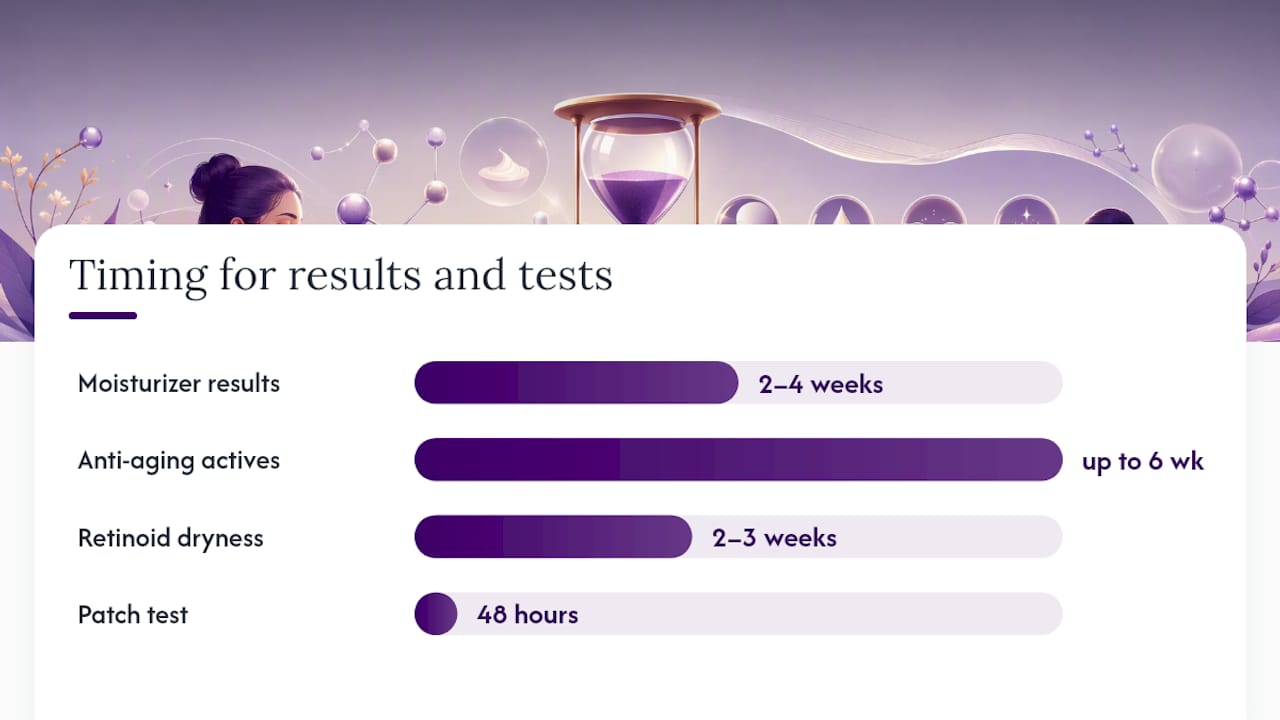
Expect to use a new moisturizer or barrier cream for at least two to four weeks before judging hydration and texture improvements. For anti-aging actives like retinol or peptides, Mayo Clinic guidance indicates that up to six weeks of consistent daily use is typically needed before noticeable changes appear. Stopping the product usually returns skin toward its previous baseline over time.
Stop using a product immediately if you experience:
- Severe burning or stinging that does not subside within a few minutes of application
- Blistering, swelling, or hives
- A spreading rash beyond the application area
- Persistent redness or peeling that worsens over several days
Mild initial dryness or slight flaking when starting a retinoid is normal and usually resolves within two to three weeks as skin adjusts. If it persists or worsens, reduce frequency to once per week and use a richer barrier cream afterward.
Troubleshooting steps for a product that seems to be causing irritation:
- Stop the product and simplify your routine to cleanser, plain moisturizer, and sunscreen only
- Patch test the suspected product on your inner arm for 48 hours before reintroducing
- Reintroduce one product at a time, spaced one to two weeks apart
- Consult a board-certified dermatologist for persistent reactions, suspected contact dermatitis, or any symptom that spreads or worsens
Pregnancy and breastfeeding: Avoid retinoids (retinol, retinaldehyde, tretinoin) and high-dose salicylic acid. Bakuchiol is often discussed as a gentler alternative, but confirm any active with your OB or midwife before use.
This article provides general skincare information, not medical advice. Confirm ingredient safety and treatment choices with a qualified dermatologist or healthcare provider.
Key Takeaways
A barrier-repair moisturizer with ceramides and hyaluronic acid is the most effective daily foundation for most skin types, and adding a retinoid or peptide night cream consistently for at least six weeks produces the clearest anti-aging results.
| Point | Details |
|---|---|
| Start with barrier repair | Choose a ceramide and hyaluronic acid moisturizer as your daily base before adding any targeted actives. |
| Add a targeted active at night | Retinol, peptides, or bakuchiol used consistently for up to six weeks produces visible improvement. |
| Sunscreen is non-negotiable | SPF 30+ every morning protects against UV-driven collagen breakdown that topical creams work to reverse. |
| Patch test every new product | Apply to your inner forearm for 24–48 hours before full-face use to catch reactions early. |
| Lunarashopping curated picks | Lunarashopping stocks K-beauty and trusted-brand face creams organized by skin concern, available in the U.S. |
Why Lunarashopping favors a barrier-first, K-beauty approach
The conventional wisdom in skincare marketing pushes complexity: more steps, more actives, more products. What the dermatologist evidence actually supports is almost the opposite. Barrier integrity is the prerequisite for everything else. A skin barrier compromised by over-exfoliation, too many actives, or the wrong formulation for your skin type will not absorb a retinoid effectively, will not hold hydration, and will react to ingredients it would otherwise tolerate.
K-beauty formulations have built their reputation on exactly this principle. The emphasis on layered hydration, fermented extracts, and skin-compatible actives reflects a philosophy of working with the skin’s biology rather than against it. Brands like BEAUTY OF JOSEON, COSRX, INNISFREE, and MEDICUBE have earned their place in dermatologist-recommended roundups not through marketing spend but through formulations that deliver barrier-friendly hydration alongside clinically supported actives.
Lunarashopping curates its selection with ingredient transparency and consumer tolerability as the primary filters. That means prioritizing products with clearly listed actives at meaningful concentrations, minimal fragrance, and textures suited to real skin types rather than idealized ones. The K-beauty routine guide for mature skin on the Lunarashopping blog reflects the same logic: start with hydration, protect the barrier, and introduce actives gradually.
The honest editorial position here is that you do not need ten products. You need the right two or three, used consistently.
Shop Lunarashopping’s curated face creams
Lunarashopping brings together the K-beauty brands and barrier-focused formulas this guide covers, all available in the U.S. with no guesswork about sourcing or authenticity. Whether you’re building a first routine or refining an existing one, the picks are organized by skin concern so you can go straight to what fits your skin.
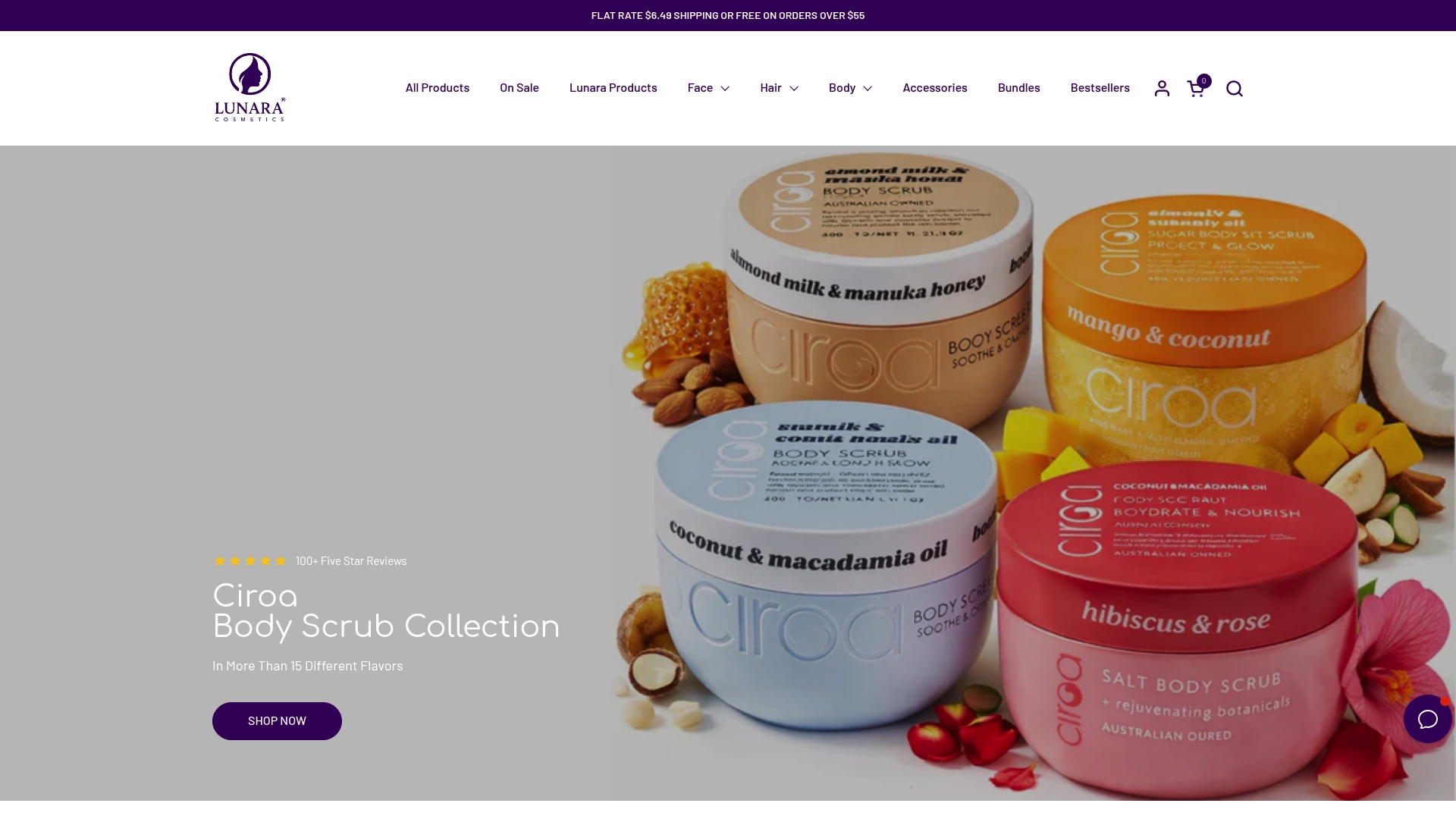
Start with the morning routine set if you want a pre-built AM lineup that pairs a daytime moisturizer with the essentials. For a full browse of face creams and moisturizers organized by concern and brand, the all face care products collection covers every category in this guide. Not sure where to begin? The custom skincare kit builder walks you through a short routine-building process and surfaces the right products for your skin type and goals.
Every product ships with a straightforward return policy, and the ingredient lists are fully visible on each product page so you can verify actives before you buy. Patch test any new addition, give it six consistent weeks, and your skin will tell you what it needs.
Useful sources
These sources informed the guidance in this article and are worth reading if you want deeper evidence or dermatologist commentary.
- Wrinkle creams: Your guide to younger looking skin — Mayo Clinic
- 11 Best Wrinkle Creams of 2026: Dermatologist-Recommended Products | Vogue
- Best Night Creams For Mature Skin 2026 — Forbes Vetted
- 20 Best Skin-Care Products for Aging Skin in 2026 | Reviews by Wirecutter
- Is it a cosmetic, a drug, or both? | FDA
- Skin care for aging skin | Scripps Research highlights
- Collections — Face creams & moisturizers | LunaraShopping