What are the main types of facial moisturizers?
Facial moisturizers fall into three functional categories: occlusives, humectants, and emollients. Each works differently, and knowing which one your skin actually needs is the fastest way to stop wasting money on the wrong product.
Here is a quick breakdown to orient you before going deeper:
- Occlusives form a physical barrier on the skin’s surface to seal in moisture and reduce water loss.
- Humectants attract water from the environment or deeper skin layers and bind it to the outer skin.
- Emollients fill the microscopic gaps between skin cells, smoothing texture and supporting the lipid barrier.
- Textures range from lightweight gels and lotions to thicker creams and ointments, each suited to different dryness levels.
- Skin type is the single most reliable guide: dry skin benefits from creams or ointments, oily skin from gels, and sensitive skin from fragrance-free formulas with minimal ingredients.
Most products you find on shelves combine all three categories. The ratio and texture determine whether a formula works for your skin or against it.
How occlusives, humectants, and emollients actually work
Moisturizers work through three distinct mechanisms, and understanding them helps you read an ingredient label with real confidence.
Occlusives create a hydrophobic film over the skin surface that physically slows water from evaporating. Petrolatum is the gold standard here, reducing transepidermal water loss (TEWL) by nearly 99%. Other common occlusives include dimethicone (a silicone), mineral oil, lanolin, beeswax, and ceramides. They are especially effective for very dry or compromised skin, though heavier occlusives can feel greasy on oily skin types.
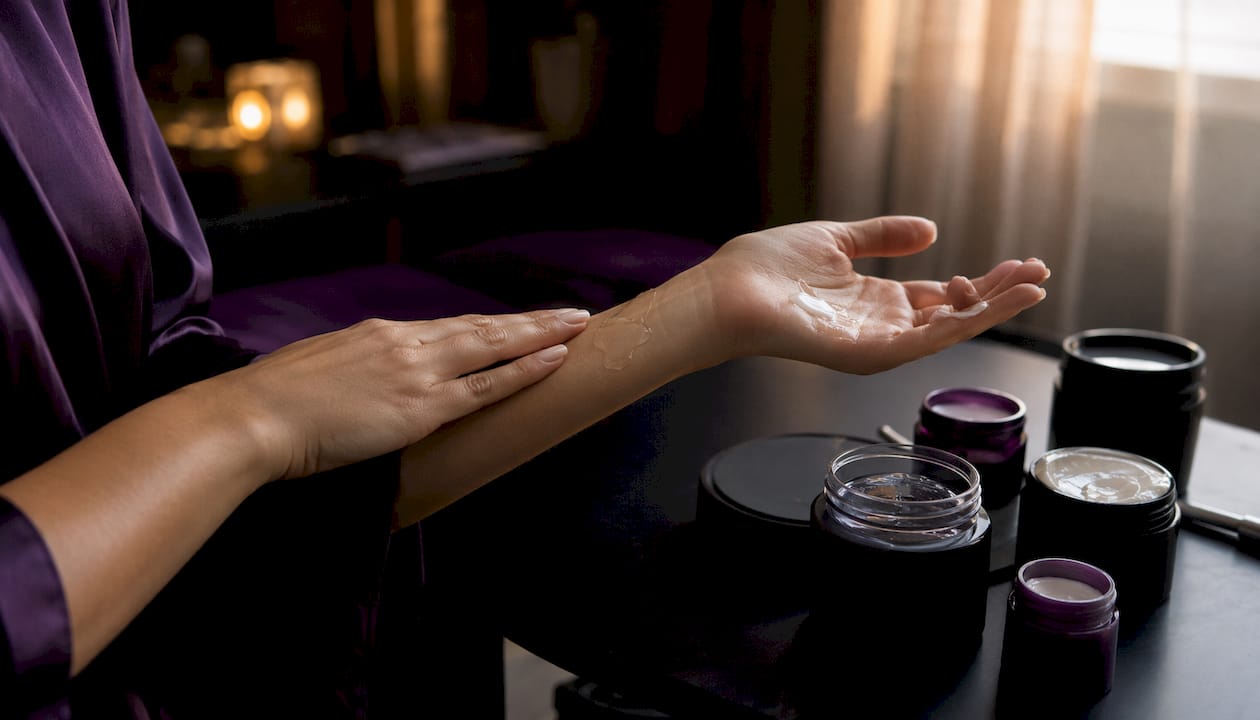
Humectants work by attracting and binding water molecules. Glycerin, hyaluronic acid, urea, and alpha-hydroxy acids like lactic acid all fall into this group. One important nuance: humectants can increase TEWL if used without an occlusive layer on top, since they pull water up from the deeper dermis and that moisture can then evaporate. Layering a humectant serum under a cream or ointment addresses this directly.
Emollients are the smoothing agents. They fill the spaces between skin cells, giving skin that soft, even feel after application. Fatty acids, shea butter, and plant-based oils like squalene all function as emollients. They support the lipid barrier without necessarily adding water, which is why they pair well with humectants.
Key ingredients by category:
- Occlusives: petrolatum, dimethicone, mineral oil, lanolin, beeswax, ceramides
- Humectants: glycerin, hyaluronic acid, urea, lactic acid, propylene glycol
- Emollients: shea butter, squalene, fatty acids, plant oils
How moisturizer texture affects your skin’s hydration
Texture is not just about feel. It directly reflects a formula’s oil-to-water ratio, which determines how much hydration it delivers and how well it suits your skin type.
According to AAD dermatologist guidance, the four main textures break down like this:
- Gels are water-based and the lightest option. They absorb quickly and leave no residue, making them ideal for oily or acne-prone skin.
- Lotions are slightly heavier than gels, with a modest oil content. They work well for normal or mildly dry skin, especially in warmer months.
- Creams have a higher oil content than lotions and provide more sustained hydration. Dry skin types benefit most from a cream-based daily moisturizer.
- Ointments are the thickest formulation, with the highest oil content. They are the most effective at sealing in moisture and suit very dry, cracked, or barrier-compromised skin.
The practical rule: the drier your skin, the thicker the texture you need. A gel on severely dry skin will not provide enough occlusion, while a heavy ointment on oily skin can clog pores and trigger breakouts.
Pro Tip: If you are unsure where to start, a cream with ceramides and glycerin covers both occlusive and humectant functions in one step, which suits most dry-to-normal skin types without overcomplicating your routine.
How to choose a moisturizer based on your skin type
There is no universal moisturizer. Selection should be guided by your skin type, barrier status, and the environment you live in. Board-certified dermatologists from the American Academy of Dermatology are clear on this point, and their guidance is worth following closely.
Dry skin needs a cream or ointment. Dr. Jason A. Clark, FAAD, recommends skipping lotion entirely for dry skin: “Creams are going to add more moisture to the skin and preserve more water than lotion, and ointments even more so.” Look for ceramides, glycerin, and shea butter in the ingredient list.
Oily skin does still need moisture. The right choice is a non-comedogenic gel cream that hydrates without adding oil. Hyaluronic acid and glycerin work well here because they deliver hydration without a greasy finish. Avoid mineral oil and coconut oil if you are acne-prone.
Combination skin calls for a zone-specific approach. Dr. Rebecca Kazin, FAAD, advises treating the face as two separate areas: moisturize dry patches and skip or minimize product on oily zones. “I tell some people never put moisturizer on the center of your face,” she says. “It’s like a huge revelation that your nose probably never needs moisturizer.”
Sensitive skin benefits from the shortest possible ingredient list. Fragrance is the most common irritant, so fragrance-free is non-negotiable. Colloidal oatmeal and niacinamide are well-tolerated soothing agents. Avoid alpha-hydroxy and beta-hydroxy acids, which can disrupt a compromised barrier.
Normal skin has the most flexibility. A lightweight lotion or gel cream works for most of the year, though switching to a cream in winter makes sense as temperatures drop.
Skin-type summary:
- Dry: thick cream or ointment with ceramides and glycerin
- Oily: water-based gel, non-comedogenic, with hyaluronic acid
- Combination: lightweight gel cream on oily zones, richer cream on dry patches
- Sensitive: fragrance-free, minimal ingredients, colloidal oatmeal or niacinamide
- Normal: lotion or light cream, adjusted seasonally
Key moisturizing ingredients and what they do for your skin
Knowing which ingredients to look for puts you in control of your skincare choices. The five most clinically significant ones are ceramides, petrolatum, glycerin, hyaluronic acid, and urea.
- Ceramides are lipids naturally found in the skin barrier. Topical ceramide application reduces TEWL, improves barrier function, and is particularly effective for dry and sensitive skin. They are the ingredient dermatologists most often recommend for barrier repair.
- Petrolatum is the most effective occlusive available, reducing TEWL by nearly 99%. It is best suited for very dry or cracked skin and works well as a final layer over other products.
- Glycerin attracts and binds water while also supporting barrier repair. It is present in a wide range of moisturizers and is generally well-tolerated across all skin types.
- Hyaluronic acid is a humectant that draws moisture into the upper skin layers. It is lightweight, which makes it a good fit for oily and combination skin.
- Urea is a component of the skin’s natural moisturizing factors (NMF). At concentrations of 2%–10%, urea improves barrier function and promotes the shedding of dead skin cells, making it especially useful for rough, thickened, or very dry skin. At higher concentrations, it acts as a keratolytic agent.
| Ingredient | Function | Best for |
|---|---|---|
| Ceramides | Barrier repair, reduces TEWL | Dry, sensitive skin |
| Petrolatum | Occlusive seal, moisture retention | Very dry, cracked skin |
| Glycerin | Humectant, barrier support | All skin types |
| Hyaluronic acid | Lightweight humectant | Oily, combination skin |
| Urea (2%–10%) | Hydration, gentle exfoliation | Dry, rough, or thickened skin |
Anti-inflammatory ingredients like colloidal oatmeal, niacinamide, and licochalcone A also appear in moisturizers designed for sensitive or reactive skin. Colloidal oatmeal, in particular, has a long track record of reducing irritation and supporting the barrier in people with atopic dermatitis.
Common moisturizer myths that dermatologists want you to stop believing
A few persistent myths lead people to skip moisturizer entirely or choose the wrong product. Here is what the evidence actually says.
- Myth: Oily skin doesn’t need moisturizer. False. Oily skin can still be dehydrated, meaning it lacks water even when it produces excess sebum. Skipping moisturizer can cause the skin to produce even more oil as a compensatory response. A lightweight, oil-free gel moisturizer addresses hydration without adding to surface oil.
- Myth: Thicker moisturizers always clog pores. Not necessarily. Pore clogging depends on the specific ingredients, not the texture alone. A rich cream with ceramides and glycerin is unlikely to cause breakouts, while certain lighter formulas with comedogenic oils can. The label “non-comedogenic” is a more reliable guide than thickness.
- Myth: You only need moisturizer when your skin feels dry. Moisturizer supports the skin barrier daily, not just reactively. Consistent use helps prevent TEWL and keeps the barrier intact before dryness becomes visible.
- Myth: Natural oils are always better than synthetic ingredients. Some natural oils, like coconut oil, are highly comedogenic and can worsen acne. Dimethicone, a synthetic silicone, is non-comedogenic and well-tolerated by most skin types.
- Myth: Drinking water replaces the need for topical moisturizer. Hydration from within and topical barrier support serve different functions. Topical moisturizers directly address TEWL at the skin surface, which drinking water alone cannot replicate.
How to apply moisturizer for the best results
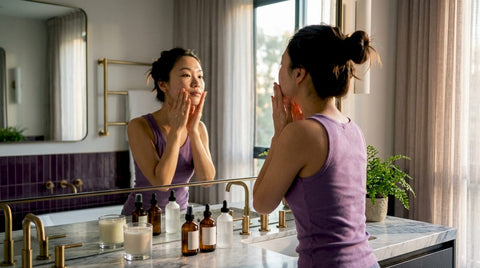
Timing and technique both affect how well a moisturizer performs. Apply your moisturizer within a few minutes of cleansing, while your skin is still slightly damp. This helps trap residual moisture against the skin surface rather than applying product to a fully dry face.
Use gentle upward strokes and avoid pulling or tugging, especially around the eye area. A pea-sized to dime-sized amount is sufficient for the face and neck for most formulas. Applying more does not increase hydration proportionally and can leave a heavy residue on oily skin types.
For nighttime application, a slightly richer formula or an additional occlusive layer works well because your skin’s repair processes are most active during sleep. Morning application should include a moisturizer with SPF or be followed immediately by sunscreen, since UV exposure degrades the skin barrier over time.
How your moisturizer needs change with the seasons
Your skin’s hydration needs shift with temperature and humidity, so a single moisturizer year-round is rarely the best approach. In winter, cold air and indoor heating both strip moisture from the skin, increasing TEWL. Switching from a gel or lotion to a cream during the colder months compensates for this extra moisture loss.
In summer, heat and humidity mean your skin retains more moisture naturally. A lighter gel or lotion prevents the heavy, congested feeling that a thick cream can cause in warm weather. People with oily skin often find they can reduce moisturizer frequency in summer without any negative effects on their skin.
Seasonal transitions, particularly fall and spring, are good times to reassess your routine. If your skin starts to feel tight or flaky, move to a richer texture. If it feels congested or shiny, scale back to something lighter.
Potential allergens and irritants to watch for in moisturizers
Fragrance is the most common contact allergen in skincare products. It appears under many names on ingredient labels, including “parfum,” “fragrance,” and specific botanical extracts like lavender oil or rose extract. If your skin reacts to a moisturizer, fragrance is the first ingredient to check.
Preservatives like methylisothiazolinone and formaldehyde-releasing agents are another frequent source of irritation, particularly for sensitive skin. Alcohol (listed as denatured alcohol or SD alcohol) can disrupt the barrier when used in high concentrations, though fatty alcohols like cetyl alcohol are actually emollients and are generally safe.
Alpha-hydroxy acids and beta-hydroxy acids, while beneficial for some skin types, can cause stinging and barrier disruption in sensitive or reactive skin. Colloidal oatmeal and niacinamide are among the best-tolerated active ingredients for people who react easily. When trying a new moisturizer, patch-testing on the inner forearm for 48 hours before applying it to your face is a practical precaution.
How to layer moisturizer with the rest of your skincare routine
Layering order follows a simple principle: thinnest to thickest. Apply water-based serums first, then your moisturizer, then any oil-based products or occlusives last. This sequence allows lighter, active ingredients to penetrate the skin before the moisturizer creates a partial seal over them.
If you use a hyaluronic acid serum, apply it to damp skin and follow immediately with your moisturizer. This prevents the humectant from pulling moisture out of the skin in low-humidity environments. Layering humectants under occlusives consistently delivers better hydration than relying on either ingredient class alone.
Retinol and prescription retinoids are best applied before moisturizer on dry skin to reduce irritation, though some dermatologists recommend applying moisturizer first for very sensitive skin to buffer the active. Sunscreen goes on last in the morning, after moisturizer, and should not be mixed with it. Keeping these layers distinct preserves the efficacy of each product. For a deeper look at how Korean skincare approaches this layering logic, Lunarashopping’s guide on Korean emulsions vs. moisturizers is worth reading.
Key Takeaways
Matching your moisturizer to your skin type, barrier status, and the season is the most reliable way to get consistent hydration results.
| Point | Details |
|---|---|
| Three core categories | Occlusives seal moisture, humectants attract water, emollients smooth the barrier. |
| Texture matches skin type | Gels suit oily skin; creams and ointments suit dry or barrier-compromised skin. |
| Ceramides and glycerin | These two ingredients address barrier repair and humectant hydration across most skin types. |
| Layer humectants under occlusives | Applying a humectant serum before a cream prevents moisture from evaporating off the skin surface. |
| Fragrance is the top irritant | Fragrance-free formulas reduce the risk of contact reactions, especially for sensitive skin. |
Ready to build a routine around the right moisturizer for your skin? Lunarashopping’s face care collection brings together Korean skincare formulas across every texture and skin type, from lightweight gel creams to barrier-repairing ceramide treatments.