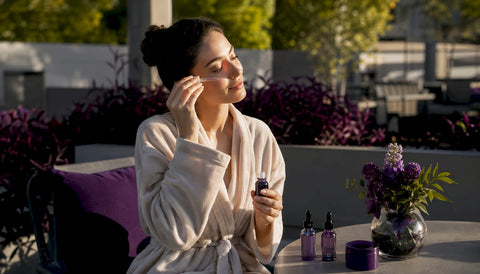
The most effective examples of glow serum actives include Vitamin C, Niacinamide, Alpha Arbutin, Tranexamic Acid, Hyaluronic Acid, AHAs, BHAs, Ceramides, Ectoin, and Panthenol. Each plays a distinct role in building radiance, whether by brightening pigmentation, exfoliating dead cells, or locking in moisture. Understanding what these ingredients actually do helps you choose a serum that works for your skin, not just one with an appealing label.
Here is a quick reference for what each active brings to a glow serum:
- Vitamin C (L-ascorbic acid, sodium ascorbyl phosphate): antioxidant protection, collagen support, hyperpigmentation reduction
- Niacinamide (Vitamin B3): barrier strengthening, tone evening, redness relief
- Alpha Arbutin: gentle tyrosinase inhibition, dark spot reduction
- Tranexamic Acid: melanin pathway disruption, melasma control
- Hyaluronic Acid: humectant hydration, immediate plumping and radiance
- AHAs (glycolic acid, lactic acid): keratolytic exfoliation, surface cell renewal
- BHAs (salicylic acid): pore clearing, oil-soluble exfoliation
- Ceramides: lipid barrier repair, moisture retention
- Ectoin: anti-inflammatory protection, hydration stabilization
- Panthenol (Vitamin B5): moisture binding, soothing, barrier support
Glow is the optical result of light reflecting off plump, smooth, well-hydrated skin. Hydrators and exfoliants work together to create this effect, which is why the best serums combine multiple actives rather than relying on a single hero ingredient.
How these actives create glow and what concentrations actually work
Every active in a glow serum earns its place through a specific mechanism. Knowing those mechanisms, and the concentrations that make them effective, separates a well-formulated serum from one that just looks good on the shelf.
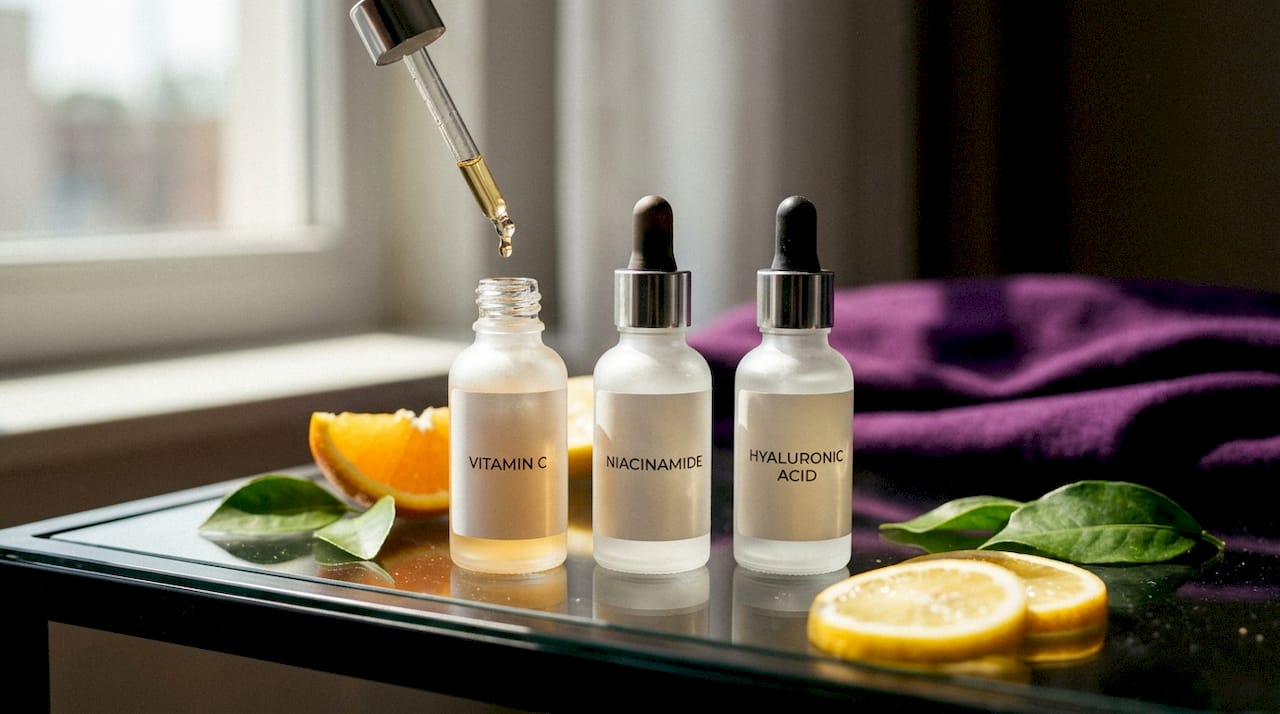
Vitamin C acts as both an antioxidant and a collagen production booster, neutralizing free radicals while supporting the structural firmness that keeps skin looking full and bright. Its most bioavailable form, L-ascorbic acid, works best at a low pH but degrades quickly when exposed to air or light. Stable derivatives like sodium ascorbyl phosphate and ascorbyl glucoside maintain efficacy far better in everyday formulations, making them a practical choice for most serums.
Niacinamide smooths uneven tone and reinforces the skin barrier by supporting ceramide synthesis. Its pH flexibility means it pairs well with Vitamin C, AHAs, and retinoids without destabilizing the formula. For formulators and consumers alike, that compatibility is one of its greatest strengths.
AHAs like glycolic and lactic acid work as keratolytic exfoliants, dissolving the bonds between dead surface cells to reveal brighter, smoother skin beneath. BHAs like salicylic acid are oil-soluble, so they penetrate the pore lining to clear congestion and reduce the dullness that comes with clogged skin. Tranexamic Acid targets melanin production pathways directly, making it one of the most effective options for persistent pigmentation and melasma, particularly when paired with Niacinamide.
Hyaluronic Acid draws moisture into the skin from the environment and deeper layers, creating an immediate plumping effect that makes skin look visibly more radiant within hours of application.
| Active | Effective concentration range | Primary glow benefit |
|---|---|---|
| Vitamin C | 10–20% | Antioxidant defense, collagen support, brightening |
| Niacinamide | 2–5% | Barrier repair, tone evening, redness reduction |
| AHAs | 10–15% | Surface exfoliation, texture refinement |
| BHAs | 0.05–2.5% | Pore clearing, oil-soluble exfoliation |
| Tranexamic Acid | 1–3% | Pigmentation control, melasma reduction |
| Alpha Arbutin | Typically 1–2% | Dark spot reduction, gentle brightening |
| Hyaluronic Acid | Varies by molecular weight and formula | Hydration, plumping, immediate radiance |
Pro Tip: Vitamin C serums lose potency fast once opened. Store them away from light and heat, and choose formulas with sodium ascorbyl phosphate or ascorbyl glucoside if you want a more shelf-stable option. If your serum has turned orange or brown, the Vitamin C has already oxidized and will not deliver the brightening results you are looking for.
How to choose glow serum actives based on your skin type
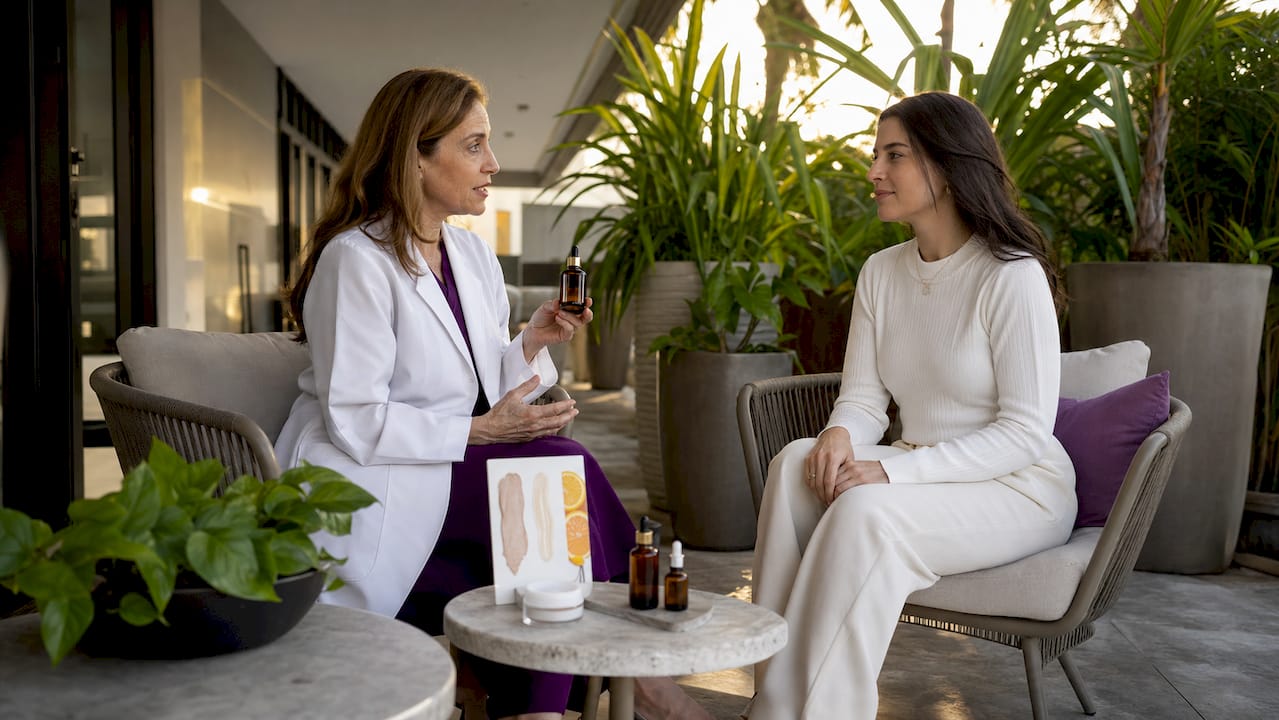
Dermatologists recommend personalizing your actives based on your specific skin concerns rather than following a one-size-fits-all approach. The right combination depends on what your skin actually needs.
- Dull or uneven skin tone: Vitamin C and Niacinamide are the go-to pairing. Vitamin C addresses existing pigmentation while Niacinamide evens tone and prevents new discoloration from forming.
- Sensitive or acne-prone skin: Alpha Arbutin and Tranexamic Acid reduce hyperpigmentation without the irritation risk of stronger acids. Niacinamide adds barrier support and blemish control, making it a reliable anchor for sensitive routines. You can read more about building this type of routine in Lunarashopping’s guide on incorporating Niacinamide into a Korean skincare approach.
- Rough texture or clogged pores: AHAs like glycolic acid resurface the skin’s outer layer, while salicylic acid (a BHA) clears congestion from within the pore. Used together at appropriate concentrations, they produce a noticeably clearer, smoother finish.
- Dry or dehydrated skin: Hyaluronic Acid and Panthenol work well together. Hyaluronic Acid draws water in; Panthenol helps the skin barrier retain it. The result is a plumper, more luminous complexion without any greasiness.
- Hyperpigmentation and melasma: Tranexamic Acid at 1–3% is one of the most in-demand actives for this concern. Pairing it with Niacinamide targets both the melanin pathway and the inflammation that drives pigmentation.
Pro Tip: Never layer a high-concentration AHA or BHA directly with pure L-ascorbic acid Vitamin C in the same step. The pH requirements conflict, which can cause irritation without improving results. Apply your acid exfoliant in the evening and your Vitamin C in the morning, or choose a serum that has already been formulated to combine them safely.
Brightening actives like Alpha Arbutin and Tranexamic Acid are especially well suited to sensitive skin because they reduce hyperpigmentation without harsh bleaching effects. For anyone new to actives, starting with Niacinamide and Hyaluronic Acid builds tolerance before introducing stronger exfoliants. You can explore how serums support radiance through targeted actives in more detail on the Lunarashopping blog.
Supporting actives that help your glow last all day
Achieving glow is one thing. Keeping it past noon is another. A well-formulated serum combines antioxidants and exfoliants with barrier-repair ingredients that prevent moisture loss and inflammation from dulling the skin throughout the day.
- Ceramides: These lipids are the structural mortar of the skin barrier. When the barrier is intact, skin holds moisture more effectively and reflects light more evenly. Ceramide-rich serums are particularly useful for anyone whose skin feels tight, flaky, or reactive after using exfoliating actives.
- Ectoin: A lesser-known but well-researched active, Ectoin stabilizes skin cell membranes under environmental stress. It reduces inflammation and supports hydration, making it a strong supporting ingredient for urban skin exposed to pollution and temperature changes.
- Panthenol (Vitamin B5): Panthenol is both a humectant and a soothing agent. It draws moisture into the skin and helps calm irritation caused by stronger actives like AHAs or Vitamin C, making it a practical addition to any glow-focused formula.
- Kojic Acid: An effective brightener that inhibits tyrosinase, though it requires careful formulation because it is prone to oxidation. Pairing it with chelating agents or using kojic dipalmitate improves stability considerably.
Sustained radiance depends on combining antioxidants, exfoliants, and barrier-repair actives rather than relying on any single ingredient. Humectants like Hyaluronic Acid deliver an immediate plumping effect, but long-term glow requires ingredients that promote cell turnover and regulate pigment production over time. Ceramides, Ectoin, and Panthenol fill the gap between instant surface hydration and the deeper skin health that keeps radiance consistent.
Key Takeaways
Effective glow serums combine antioxidants, exfoliants, and barrier-repair actives at clinically supported concentrations to deliver both immediate and lasting radiance.
| Point | Details |
|---|---|
| Concentration drives results | Vitamin C, AHAs, and BHAs work at concentrations effective for glow depending on formulation. |
| Match actives to skin concerns | Sensitive skin benefits from Niacinamide and Alpha Arbutin; rough texture responds to AHAs and BHAs. |
| Barrier health sustains glow | Ceramides, Ectoin, and Panthenol prevent moisture loss that dulls radiance throughout the day. |
| Stable derivatives matter | Sodium ascorbyl phosphate and ascorbyl glucoside outperform pure L-ascorbic acid in shelf stability. |
| Layering order prevents irritation | Avoid combining high-concentration acids with L-ascorbic acid Vitamin C in the same application step. |
Ready to put these ingredients to work? Lunarashopping’s Morning Face Care Routine Set brings together serums and skincare essentials formulated with the actives covered here, curated specifically for a brighter, more radiant complexion.