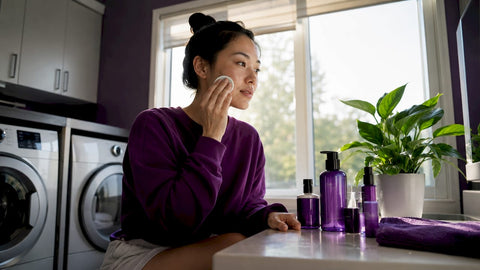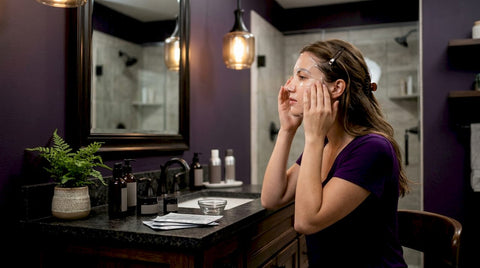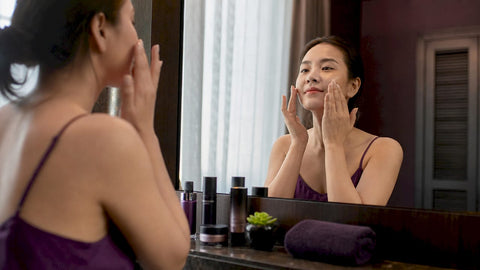
A brightening serum is a lightweight, concentrated skincare product formulated to reduce dullness, fade dark spots, and improve overall skin radiance by targeting uneven pigmentation at a cellular level. Unlike general moisturizers, brightening serums deliver high-potency active ingredients such as vitamin C, niacinamide, and alpha hydroxy acids (AHAs) directly into the skin at effective concentrations. Clinical data shows improvements visible within 1 to 2 weeks of consistent daily use, with broader radiance and smoothness gains appearing around the two-week mark. If you are dealing with post-acne marks, sun damage, or a lackluster complexion, a well-formulated brightening serum is one of the most targeted tools available.
What is brightening serum and how does it work?
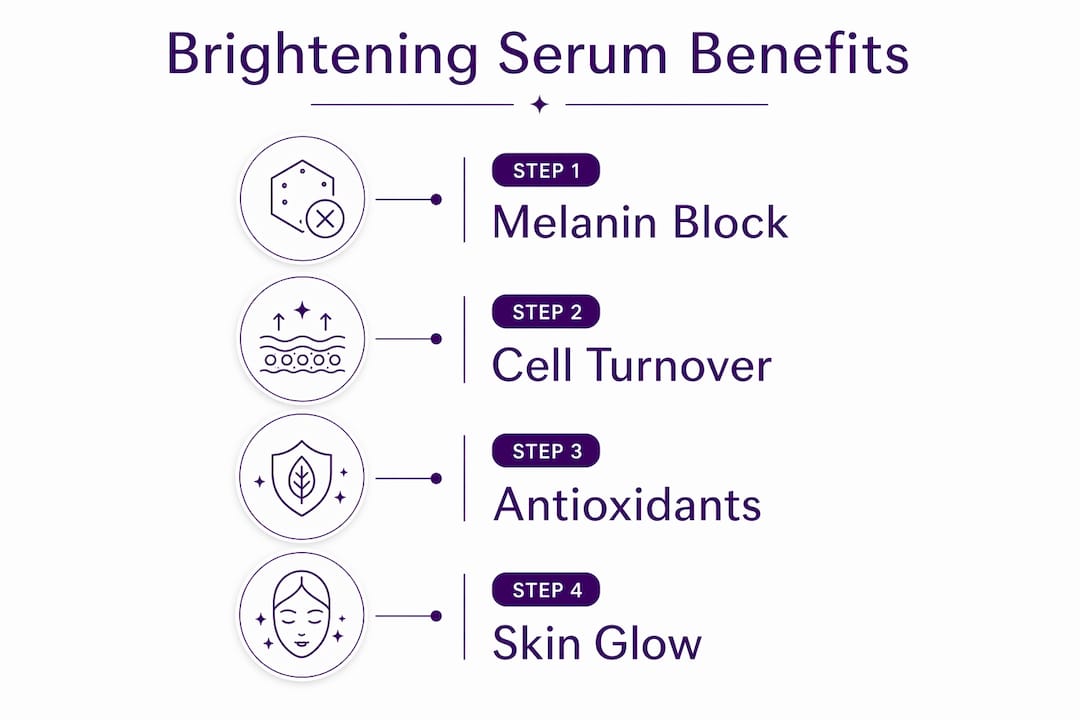
Brightening serums work through three primary mechanisms: inhibiting melanin production, accelerating cell turnover, and providing antioxidant protection against environmental damage. Melanin is the pigment responsible for dark spots and uneven tone. When its production is disrupted at the source, existing discoloration fades and new spots are less likely to form.
It is worth distinguishing brightening from whitening. Brightening refers to improving luminosity and evening out skin tone without altering your natural complexion. Whitening, by contrast, implies a reduction in overall skin color, which is a different and more controversial category. Brightening serums work with your skin’s biology rather than against it.
The brightening serum benefits you can realistically expect include:
- Even skin tone: Active ingredients reduce the appearance of blotchiness and discoloration across the face.
- Faded dark spots and hyperpigmentation: Tyrosinase inhibitors like kojic acid and arbutin slow melanin synthesis directly at pigmented areas.
- Boosted radiance: Exfoliating ingredients remove the layer of dead cells that makes skin look flat and dull.
- Improved firmness: Vitamin C stimulates collagen production alongside its brightening function.
Most people see visible improvements in skin texture within two weeks, with more significant brightening effects appearing after four to six weeks of consistent use. That timeline means patience is non-negotiable. Skipping applications or switching products every few weeks resets your progress.
What are the key ingredients in brightening serums?
The active ingredients in a brightening serum determine how effective it is, how fast it works, and how well your skin tolerates it. Each major ingredient targets pigmentation through a different pathway, which is why understanding them helps you choose the right product for your skin type.
| Ingredient | Primary Action | Best For | Irritation Potential |
|---|---|---|---|
| Vitamin C | Antioxidant, melanin inhibitor, collagen booster | Sun damage, dullness, firmness | Moderate (especially at high concentrations) |
| Niacinamide | Blocks melanin transfer, anti-inflammatory | Sensitive skin, redness, post-acne marks | Low |
| Glycolic acid (AHA) | Keratolytic exfoliant, reveals fresh skin | Rough texture, surface discoloration | Moderate to high |
| Kojic acid | Tyrosinase inhibitor | Stubborn dark spots, melasma | Low to moderate |
| Arbutin | Tyrosinase inhibitor, gentler than kojic acid | Sensitive skin with dark spots | Low |
Vitamin C provides antioxidant protection, boosts collagen, and fades dark spots, but it may irritate sensitive skin. Niacinamide is the gentler alternative: it reduces melanin transfer between cells and calms inflammation simultaneously. For those new to brightening actives, niacinamide is often the safest starting point.
AHAs like glycolic acid work differently. They are keratolytic, meaning they dissolve the bonds between dead skin cells to accelerate surface shedding. The result is a fresher, more even-toned complexion. However, AHAs increase photosensitivity, so they require diligent sun protection. You can read more about how arbutin fits into Korean brightening routines if you want a deeper look at one of the gentlest yet most effective tyrosinase inhibitors available.
Pro Tip: If your skin is sensitive, start with a niacinamide-based formula before introducing vitamin C or AHAs. Layering multiple actives too quickly is the most common reason people experience redness and abandon their brightening routine prematurely.
How to use brightening serum for best results
Applying a brightening serum correctly matters as much as choosing the right formula. The technique and timing you use directly affect how well the active ingredients absorb and how your skin responds over time.
Follow these steps for optimal results:
- Patch test first. Test on your inner wrist or behind your ear for 24 to 48 hours before applying to your full face. Mild tingling, redness, or dryness during the first week is common, but a patch test helps you identify a genuine sensitivity before it becomes a problem.
- Cleanse and tone. Apply your serum after cleansing and toning, while your skin is still slightly damp. Damp skin allows actives to absorb more efficiently.
- Use tapping motions, not rubbing. Applying serum on slightly damp skin and pressing it in gently enhances absorption and reduces friction. Rubbing can worsen hyperpigmentation by triggering inflammation.
- Time your actives correctly. Vitamin C serums work best in the morning to reinforce UV defense, while AHAs and exfoliating actives are better suited to evening use when the skin’s natural repair cycle is most active.
- Always follow with SPF in the morning. Brightening ingredients make your skin more vulnerable to UV damage. Skipping sunscreen undoes the progress your serum is making.
- Start with once-daily application. Introduce your serum once per day and increase frequency only after your skin has adjusted, typically after one to two weeks.
Pro Tip: Do not layer vitamin C directly on top of an AHA in the same routine. The combined acidity can cause irritation. Use vitamin C in the morning and your AHA at night to get the benefits of both without the conflict.
Managing side effects is part of the process. Redness and tingling are common initially but typically subside as your skin adjusts. If severe reactions occur, discontinue use and consult a dermatologist. For more guidance on safe serum application practices, Lunarashopping’s skincare blog covers patch testing and side effect management in detail.
How to choose the best brightening serum for your skin concern
Selecting the right brightening serum depends on your specific pigmentation concern, your skin type, and your tolerance for active ingredients. Not every formula suits every person, and matching the product to your skin’s needs produces faster, safer results.
Consider these factors when making your choice:
- Dark spots from sun damage: Look for vitamin C at 10 to 20% concentration, or a combination of niacinamide and arbutin for a gentler approach. The Beauty of Joseon Glow Serum with propolis and niacinamide is a well-regarded Korean formulation that addresses discoloration while supporting the skin barrier.
- Post-inflammatory hyperpigmentation (PIH) from acne: Niacinamide is the preferred ingredient here because it reduces melanin transfer without triggering further inflammation. AHAs can help but should be introduced slowly.
- Melasma: This hormonally driven pigmentation responds well to kojic acid and tranexamic acid. Melasma is also more likely to require dermatologist guidance alongside topical treatment.
- General dullness: AHA-based serums or vitamin C formulas work well for brightening a flat, tired complexion without targeting specific spots.
- Sensitive or reactive skin: Arbutin and niacinamide are the most tolerable options. Avoid high-concentration vitamin C or glycolic acid until your barrier is strong.
When layering brightening serums with other products, apply the thinnest formula first and work toward thicker textures. Serums go on before moisturizers and always before SPF. Avoid combining multiple exfoliating actives in the same routine, as this increases the risk of barrier disruption. If you are managing multiple skin concerns simultaneously, a personalized skincare kit can help you build a routine where each product complements the others.
If you have tried consistent brightening serum use for eight to twelve weeks without improvement, or if your pigmentation is deep and widespread, a board-certified dermatologist can assess whether prescription-strength options like hydroquinone or tretinoin are appropriate.
Key takeaways
A brightening serum works by inhibiting melanin production, accelerating cell turnover, and delivering antioxidant protection, with visible results typically appearing within two to six weeks of consistent daily use.
| Point | Details |
|---|---|
| Definition and function | A brightening serum is a concentrated product that targets dullness, dark spots, and uneven tone through active ingredients. |
| Key ingredients | Vitamin C, niacinamide, AHAs, kojic acid, and arbutin each address pigmentation through distinct mechanisms. |
| Application technique | Apply on damp skin using tapping motions; use vitamin C in the morning and AHAs at night. |
| Timeline for results | Texture improves within two weeks; significant brightening appears after four to six weeks of consistent use. |
| Skin type matching | Sensitive skin benefits most from niacinamide or arbutin; oily or resilient skin can tolerate vitamin C and AHAs sooner. |
What I have learned from years of watching brightening serums work and fail
The most common mistake I see is expecting a brightening serum to work like a corrector. People apply it for ten days, see no dramatic change, and switch products. That cycle guarantees they never see results from anything. Brightening is a slow biological process. Melanin takes time to break down, and new cell turnover takes weeks to surface. Consistency over six weeks beats any single “miracle” formula.
The second thing I have noticed is that people underestimate the role of sunscreen. A vitamin C serum applied every morning without SPF is like filling a bucket with a hole in it. UV exposure re-triggers melanin production faster than any serum can suppress it. Sunscreen is not optional when you are using brightening actives. It is the mechanism that locks in your progress.
I am also skeptical of serums that promise results in three days. Brightening ingredients like vitamin C and niacinamide work through enzymatic inhibition and cellular processes that simply cannot be rushed. A formula claiming dramatic results in days is either overstating its effects or relying on temporary optical brighteners that wash off.
What actually works is a simple, consistent routine: one well-formulated serum matched to your concern, applied correctly, protected with SPF, and given at least four to six weeks to show its full effect. That is not exciting advice, but it is the advice that produces real results.
— Lunara
Explore brightening serums and skincare bundles at Lunarashopping
Lunarashopping curates Korean skincare products specifically chosen for their clinically studied ingredients and skin-type compatibility. If you are ready to build a brightening routine that actually holds together, the Korean Glass Skin Routine Bundle brings together brightening serums and complementary products in one cohesive kit. For those who prefer a morning-focused approach, the Morning Face Care Routine Set includes vitamin C-compatible products designed for daytime antioxidant protection and radiance.
Every product in Lunarashopping’s catalog is selected with ingredient transparency and skin health in mind. Whether you are starting with niacinamide or ready to try a vitamin C formula, the store’s range covers every step of a brightening routine from serum to SPF.
FAQ
What does a brightening serum actually do for your skin?
A brightening serum reduces dullness, fades dark spots, and evens skin tone by inhibiting melanin production and accelerating cell turnover. Active ingredients like vitamin C, niacinamide, and AHAs each target pigmentation through distinct biological pathways.
How long does it take to see results from a brightening serum?
Most users see improvements in skin texture within two weeks, with more significant brightening visible after four to six weeks of consistent daily use. Results vary based on product potency and individual skin response.
Is brightening serum effective for dark spots?
Yes. Brightening serums formulated with tyrosinase inhibitors such as kojic acid, arbutin, or vitamin C are clinically recognized for fading dark spots and post-inflammatory hyperpigmentation over time. Consistent use combined with daily SPF produces the most reliable outcomes.
Can you use a brightening serum every day?
Start with once-daily application to allow your skin to adjust, then increase frequency as tolerated. Patch testing for 24 to 48 hours before full-face use is recommended to rule out sensitivity reactions.
What is the difference between brightening and whitening serums?
Brightening serums improve luminosity and even out skin tone without altering your natural complexion. Whitening products aim to reduce overall skin color, which is a separate and more controversial category not supported by mainstream dermatology for general use.