Serums are defined as lightweight, high-potency skincare formulations engineered to deliver concentrated active ingredients directly into the skin at levels moisturizers cannot match. The role of serum skincare is to target specific concerns, from hyperpigmentation and dehydration to fine lines and uneven texture, with precision that general hydrators simply cannot provide. A clinical trial published in MDPI Cosmetics found that a multi-ingredient serum with biomimetic peptides produced a 72.5% increase in hydration and a 32.7% reduction in wrinkles by week four in 47 participants. That kind of measurable outcome explains why serums have become the treatment step in any evidence-based routine. Understanding how they work, what they contain, and how to use them correctly is what separates real results from wasted product.
How do serums differ from moisturizers and other skincare products?
Serums are the primary vehicles for treatment actives in skincare because they carry higher concentrations of functional ingredients in smaller, lighter molecules than moisturizers or emulsions. A moisturizer’s job is to seal and protect the skin barrier. A serum’s job is to penetrate it and deliver actives to the deeper epidermal layers where change actually occurs.
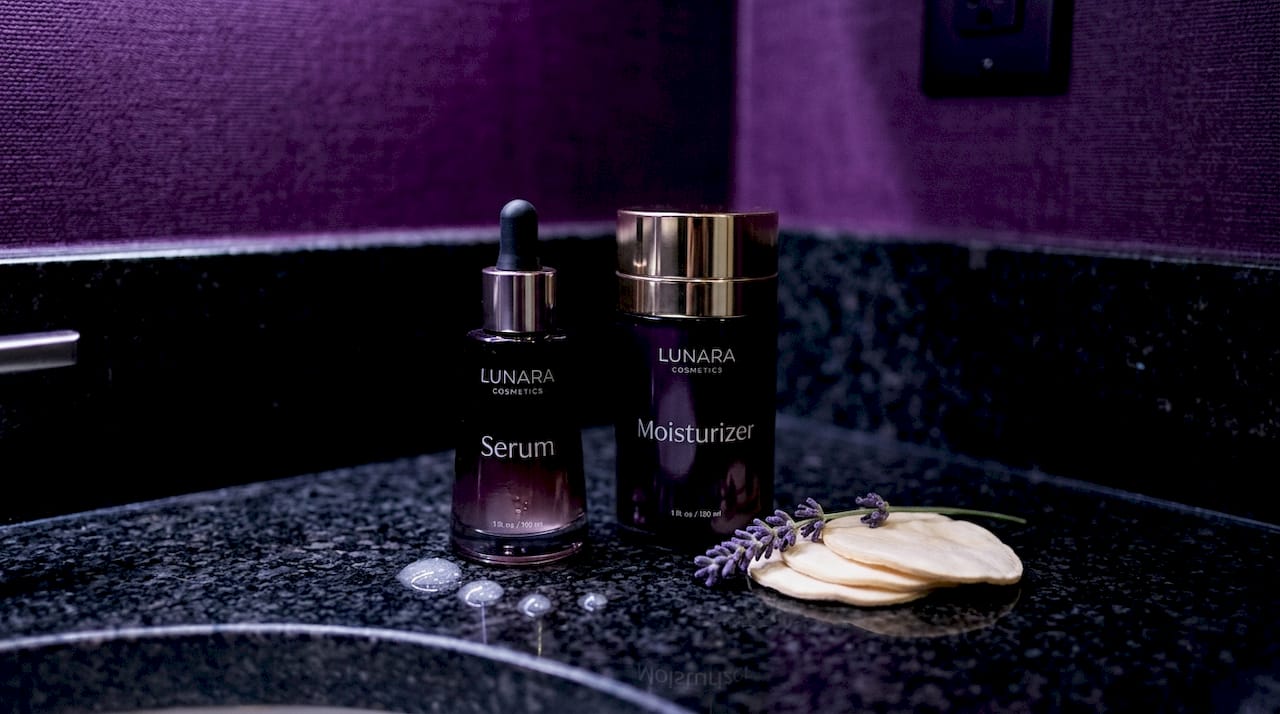
The physicochemical differences are significant. Serums typically have lower molecular weight, thinner viscosity, and a water or oil base that allows faster absorption. Moisturizers rely on occlusives like petrolatum or dimethicone and emollients like shea butter to form a protective film on the surface. Korean emulsions sit between the two, offering lighter hydration than a cream but without the concentrated actives of a serum.
| Attribute | Serum | Moisturizer | Emulsion |
|---|---|---|---|
| Active concentration | High | Low to moderate | Low |
| Molecular weight | Low | High | Moderate |
| Texture | Thin, watery or gel | Thick, creamy | Lightweight lotion |
| Primary function | Targeted treatment | Barrier protection | Surface hydration |
| Absorption speed | Fast | Slow | Moderate |
This distinction matters when you are building a routine. Applying a moisturizer before a serum blocks the serum’s path to the skin. The correct order is always serum first, moisturizer second.
What are the key active ingredients in serums and their benefits?
Evidence-based ingredient selection is the foundation of effective serum use. The RAND/UCLA consensus methodology, applied to dermocosmetic ingredient scenarios, found that 52.7% of evaluated ingredient-scenario pairs were rated appropriate, with photoprotection receiving the highest appropriateness scores across pigmentation treatment cases. That finding confirms what dermatologists already practice: the right ingredient for the right concern, used consistently, produces results.
Here are the most clinically supported serum actives and what each one does:
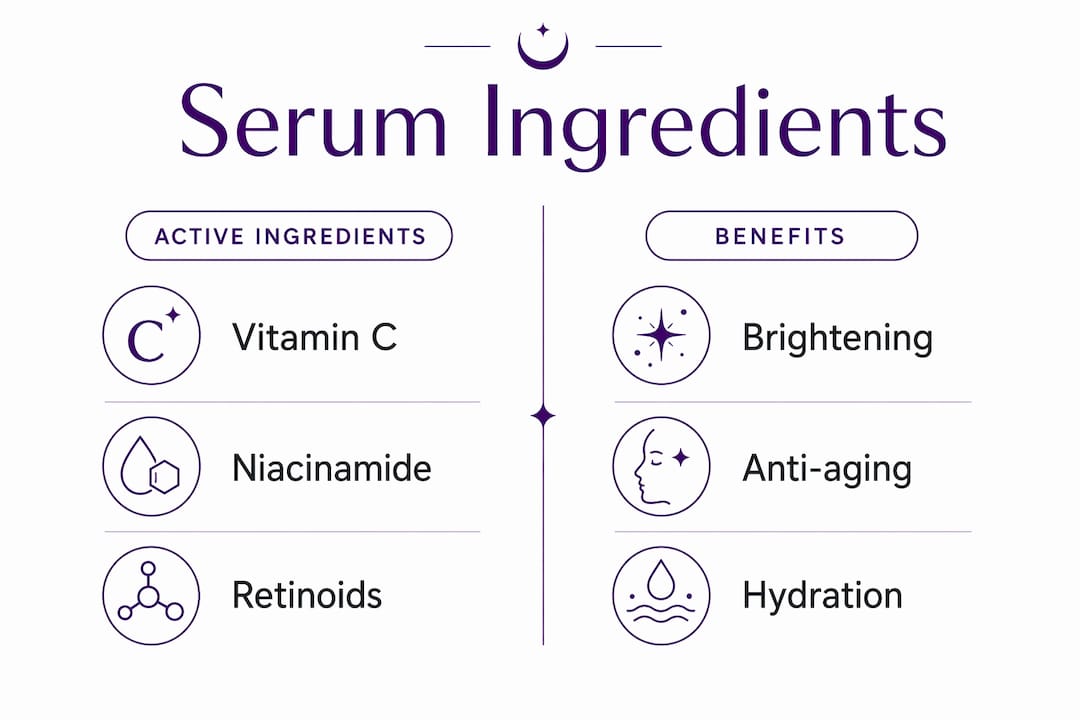
- Hyaluronic acid: A humectant that binds up to 1,000 times its weight in water, making it the gold standard for serum hydration and plumping fine lines caused by dehydration.
- Vitamin C (L-ascorbic acid): A potent antioxidant that neutralizes free radical damage, stimulates collagen synthesis, and inhibits melanin production for a brighter, more even skin tone.
- Niacinamide: Strengthens the skin barrier, reduces transepidermal water loss, controls sebum, and moderates hyperpigmentation. Vitamin C and niacinamide are stable together at cosmetic concentrations and complement each other’s benefits rather than interfering.
- Retinoids (retinol, retinal): Accelerate cell turnover, stimulate collagen production, and reduce the appearance of wrinkles and post-acne marks. They are the most studied anti-aging actives in cosmetic dermatology.
- Peptides: Short amino acid chains that signal the skin to produce more collagen and elastin. Biomimetic peptides, as shown in the MDPI clinical study above, produce measurable improvements in barrier function and wrinkle depth within four weeks.
- Tranexamic acid: A pigment modulator that inhibits the transfer of melanin to skin cells, making it effective for melasma and post-inflammatory hyperpigmentation when used alongside sunscreen.
Pro Tip: If you are addressing hyperpigmentation, pair your vitamin C or niacinamide serum with a broad-spectrum SPF every morning. Photoprotection is foundational before applying any pigment-modulating active, because UV exposure will continue triggering melanin production and undermine the serum’s work.
The Beauty of Joseon Glow Serum with propolis and niacinamide is a practical example of how Korean skincare brands combine barrier-supporting and brightening actives in a single, well-formulated product.
How does serum layering order affect your results?
Layering order directly determines how much of each active ingredient your skin actually absorbs. Applying serums from thinnest to thickest texture, with 30 to 60 seconds between each layer, maximizes absorption and reduces the risk of pilling or irritation. Skipping the wait time is one of the most common errors in serum use. It does not just slow absorption. It can block the next product from penetrating at all.
A practical AM routine follows this sequence:
- Cleanser: Remove overnight buildup and prepare a clean surface for actives.
- Antioxidant or treatment serum: Apply your vitamin C or niacinamide serum first. These are typically the thinnest in texture and most pH-sensitive.
- Hydration serum: Follow with a hyaluronic acid serum if you use one separately. Wait 30 to 60 seconds after the treatment serum.
- Moisturizer: Lock in the serums and support the barrier with your chosen cream or lotion.
- SPF: Apply broad-spectrum sunscreen as the final step every morning without exception.
For PM routines, retinoids and peptide serums take the treatment slot. Retinol is photosensitive and degrades under UV exposure, so nighttime use is non-negotiable. Avoid applying retinol on the same night as strong exfoliating acids like AHAs or BHAs, as the combination increases irritation risk without adding benefit.
Pro Tip: Stick to one or two serums per routine. Using more than two serums dilutes absorption, increases the chance of pilling, and makes it harder to identify what is actually working for your skin.
The custom skincare kit builder at Lunarashopping can help you map out a layering routine matched to your specific skin goals.
What formulation factors determine how well a serum actually works?
An ingredient list tells you what is in a serum. Formulation science determines whether any of it reaches the skin layers where it can function. FDA topical product characterization guidance identifies physicochemical and structural characteristics as critical determinants of topical bioavailability and performance. In practical terms, a serum with 20% vitamin C in the wrong pH or vehicle may deliver less active ingredient than one with 10% vitamin C in an optimized formulation.
The stratum corneum, the outermost layer of the skin, acts as the primary barrier to ingredient penetration. Its lipid matrix is designed to keep things out, which means only molecules below a certain size and with compatible polarity can pass through effectively. This is why formulation structure matters as much as ingredient concentration.
| Formulation factor | Effect on serum performance |
|---|---|
| pH | Determines stability and activity of pH-sensitive actives like vitamin C and AHAs |
| Molecular weight | Lower weight molecules penetrate the stratum corneum more readily |
| Viscosity | Thinner formulations spread more evenly and absorb faster |
| Vehicle type | Water-based vehicles suit hydrophilic actives; oil-based suit lipophilic actives |
| Encapsulation | Protects unstable actives like retinol and improves controlled release |
Korean skincare gentle formulas often excel here because Korean cosmetic brands invest heavily in formulation research, using encapsulation technology and optimized pH ranges to improve delivery without compromising skin tolerance. The difference between a serum that produces visible results and one that does not is often formulation quality, not ingredient concentration alone.
How to integrate serums into your routine for specific skin concerns
Selecting the right serum starts with identifying your primary skin concern. Trying to address five concerns at once with five different serums leads to over-layering, product waste, and skin irritation. Evidence-based, scenario-specific ingredient selection consistently outperforms the “more is more” approach in both clinical and real-world settings.
Use these guidelines to match serums to your goals:
- Dehydration and dullness: Use a hyaluronic acid serum in both AM and PM routines. Pair with a ceramide-containing moisturizer to support barrier function and retain moisture.
- Hyperpigmentation and uneven tone: Choose a vitamin C serum for the morning and a niacinamide or tranexamic acid serum for the evening. Apply broad-spectrum SPF every morning without fail. Treating hyperpigmentation without daily sun protection is clinically ineffective.
- Anti-aging and fine lines: Use a retinoid serum at night, starting two to three times per week to build tolerance. Add a peptide serum in the morning for collagen support without the sensitivity risk.
- Acne-prone or oily skin: Niacinamide serums regulate sebum and reduce redness. Avoid heavy oil-based serums, which can clog pores in acne-prone skin types.
- Sensitive or compromised barrier: Prioritize peptide and ceramide-based serums. Avoid actives like retinol and strong acids until the barrier is restored.
Consistency produces results. Most actives require four to twelve weeks of daily use before measurable improvement appears. Switching serums every few weeks prevents you from ever seeing the full benefit of any single formulation. Proper storage also matters. Storing your serums correctly protects active ingredients from heat and light degradation, which is especially relevant for vitamin C and retinol formulations.
Key takeaways
Serums deliver the highest concentration of active ingredients in any skincare routine, making correct selection, layering, and formulation quality the deciding factors in whether you see real results.
| Point | Details |
|---|---|
| Serums are treatment products | They deliver concentrated actives that moisturizers and emulsions cannot match in potency or penetration. |
| Layer thinnest to thickest | Apply serums from lightest to heaviest texture with 30 to 60 seconds between each layer for maximum absorption. |
| Match ingredients to concerns | Use hyaluronic acid for hydration, vitamin C or niacinamide for pigmentation, and retinoids or peptides for anti-aging. |
| Formulation quality determines delivery | pH, molecular weight, and vehicle type affect how much active ingredient actually reaches the skin. |
| Limit to one or two serums | Simpler routines improve compliance, reduce irritation, and make it easier to track what is working. |
What I have learned from watching people misuse serums
From Lunara’s perspective, the single biggest mistake people make with serums is treating them like moisturizers and applying them last, or layering four to five products without any wait time between them. Both approaches waste product and reduce results. The topical delivery research is clear: improper layering order blocks penetration rather than treating ingredient ineffectiveness. The serum is not failing. The application method is.
The second pattern I see constantly is chasing marketing claims over formulation quality. A serum with 30% vitamin C sounds impressive until you learn that L-ascorbic acid destabilizes above certain concentrations and requires a pH below 3.5 to remain active. A well-formulated 10% vitamin C serum at the correct pH will outperform a poorly stabilized 30% formula every time. Read the formulation, not just the label.
My practical recommendation is to start with one targeted serum, use it consistently for eight weeks, and evaluate the result before adding anything else. That approach is less exciting than a ten-step routine, but it is far more likely to produce the clear, healthy skin you are actually after.
— Lunara
Build your serum routine with Lunarashopping
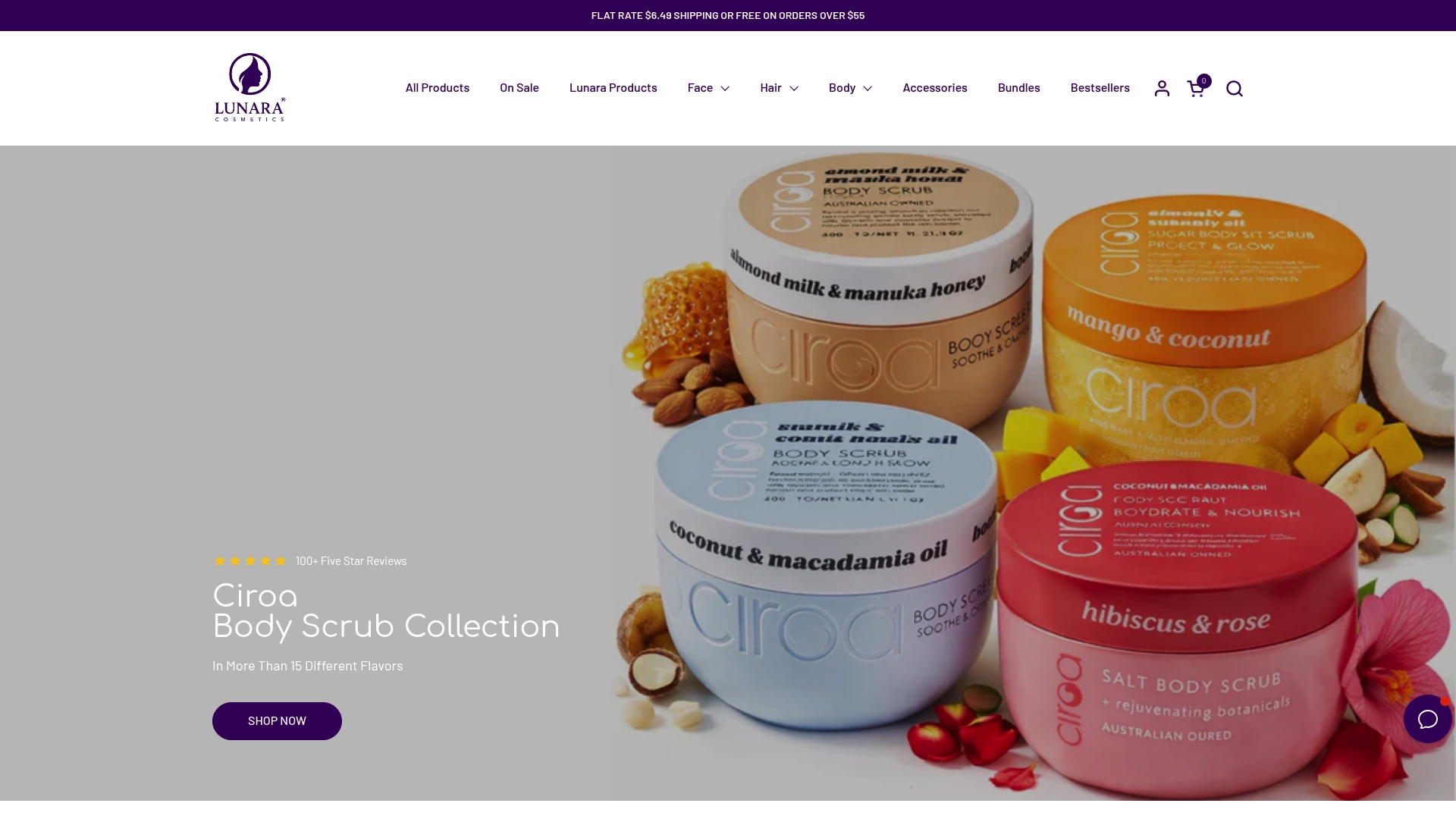
Lunarashopping curates Korean skincare serums and routine bundles selected for formulation quality and ingredient efficacy. The Korean Glass Skin Routine Bundle includes targeted serums designed for layering, covering hydration, brightening, and barrier support in one cohesive set. If you prefer to build your own routine, browse the full face care collection to find serums matched to your specific skin concerns. Every product is chosen with the same evidence-based approach this article describes: the right active, in the right formulation, for the right concern.
FAQ
What is the role of a serum in a skincare routine?
A serum delivers concentrated active ingredients to the skin at levels that moisturizers cannot achieve, targeting specific concerns like hyperpigmentation, dehydration, or fine lines with precision.
Should you apply serum before or after moisturizer?
Apply serum before moisturizer. Serums need direct contact with the skin to penetrate effectively. Moisturizer goes on last to seal in the actives and protect the barrier.
How many serums can you use at once?
Limit your routine to one or two serums. Using more than two reduces absorption, increases pilling risk, and makes it harder to identify which product is producing results.
Can vitamin C and niacinamide be used together?
Yes. Vitamin C and niacinamide are stable together at cosmetic concentrations and complement each other, with vitamin C providing antioxidant protection and niacinamide supporting the skin barrier.
How long does it take for a serum to show results?
Most serums require four to twelve weeks of consistent daily use before visible improvement appears. Switching products before that window closes prevents you from seeing the full benefit of any formulation.