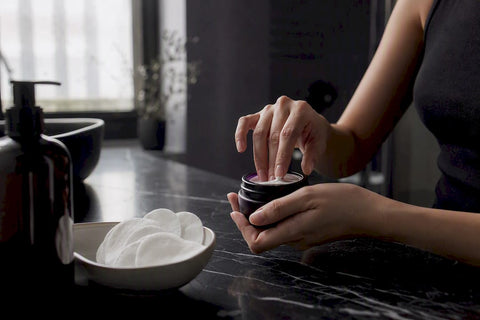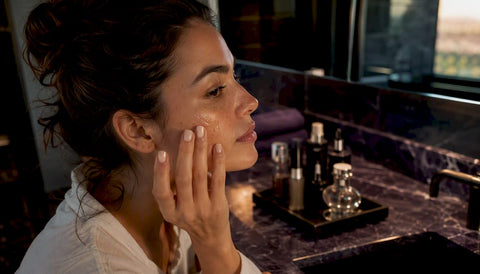
Yes, licorice root extract works as a brightening and soothing skincare ingredient, backed by real evidence rather than marketing gloss. Its active compounds, particularly glabridin, block the enzyme tyrosinase and calm inflammation at the same time, which is why dermatologists recommend it for uneven tone and reactive skin alike. It’s gentle enough for daily use, though you still need a patch test and daily sunscreen if you’re targeting dark spots.
- Look for “Glycyrrhiza glabra root extract” or “licorice root extract” near the top of the ingredient list
- Standardized extracts (with a stated glabridin percentage) tend to outperform vague “botanical extract” blends
Pro Tip: Scan the ingredient list for the Latin species name (Glycyrrhiza glabra, uralensis, or inflata) rather than just “licorice” — it signals a formulator who’s being specific about sourcing.
Key Takeaways
Licorice root brightens skin by inhibiting tyrosinase through glabridin while calming inflammation through licochalcone A and glycyrrhizin, making it effective for both pigmentation and redness.
| Point | Details |
|---|---|
| Mechanism matters | Glabridin inhibits tyrosinase, which is why licorice fades dark spots rather than just masking them. |
| Species and standardization vary | G. glabra, G. uralensis, and G. inflata differ in potency; standardized extracts perform more consistently. |
| Layering has rules | Pair with niacinamide or vitamin C; avoid direct combination with retinol or hydroquinone. |
| SPF is non-optional | Sunscreen protects the pigment reduction licorice is working to achieve. |
| Lunara offers a starting point | The Morning Face Care Routine Set and LICORNE Vegan Rice Serum give a coordinated way to try licorice-based brightening. |
Table of Contents
- What Makes Licorice Root Effective for Skin?
- What Does Licorice Root Actually Help With?
- How Should You Use Licorice Root in a Skincare Routine?
- Are There Any Risks or Side Effects to Know About?
- How Do You Choose a Licorice Root Product That Actually Works?
- Why Do Formulators and Dermatologists Rate Licorice Extract So Highly?
- Where to Start With Licorice-Based Skincare
- Frequently Asked Questions
- Sources
What Makes Licorice Root Effective for Skin?
Licorice root’s skincare reputation rests on a handful of flavonoids, not some vague “botanical magic.” The main cosmeceutical compounds researchers keep coming back to are:
- Glabridin — the primary tyrosinase inhibitor, responsible for most of licorice’s brightening reputation
- Liquiritin — helps disperse existing melanin, supporting a more even tone over time
- Licochalcone A — carries strong anti-inflammatory and antioxidant activity, useful for calming redness
- Glycyrrhizin — soothes irritation and supports the skin’s antioxidant defenses
The mechanism behind the brightening claim is specific: glabridin inhibits tyrosinase, the enzyme your skin uses to produce melanin. Less tyrosinase activity means less new pigment forming. One frequently cited study found that topical 0.5% glabridin inhibited UVB-induced pigmentation, which is about as close to a smoking gun as botanical skincare evidence gets.
Not all licorice extracts are equal. Glycyrrhiza glabra, G. uralensis, and G. inflata each carry different flavonoid ratios, and extraction method affects how much of the active compound survives into the final product. A cheap, unstandardized extract might list “licorice root” on the label and deliver a fraction of the effect a standardized version would.
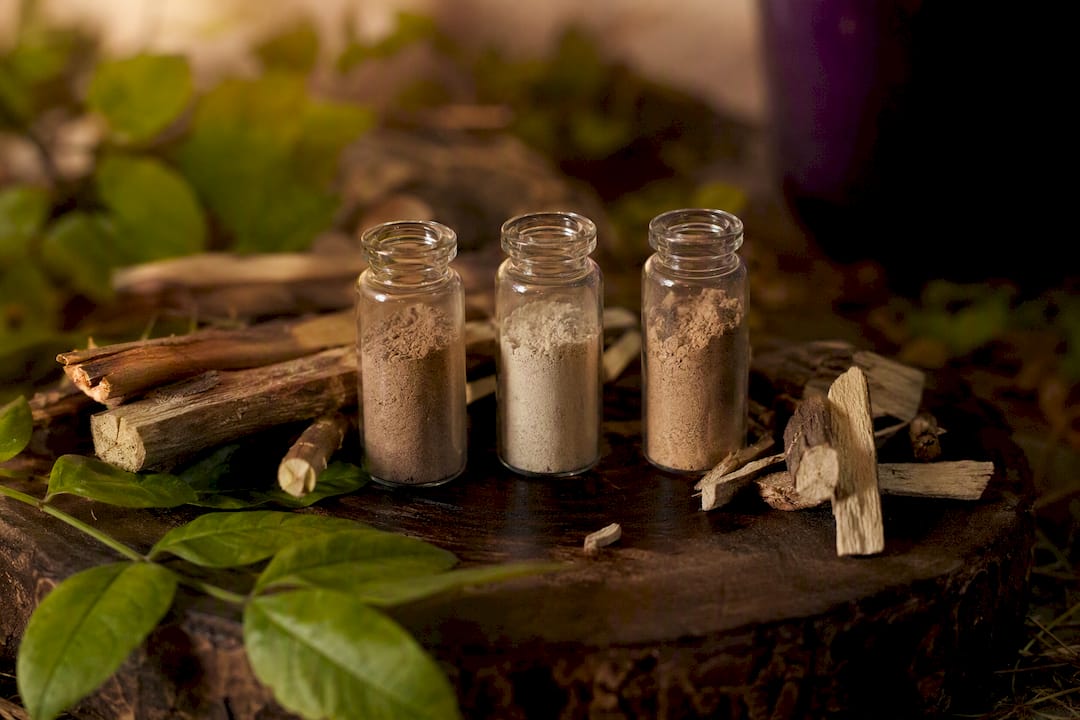
Pro Tip: If a brand discloses a percentage next to glabridin or licochalcone A, that’s a stronger signal of a formulator who tested for potency, not just added the ingredient for the label.
What Does Licorice Root Actually Help With?
The benefits cluster around two jobs: brightening and calming, often working together on the same patch of skin.
- Fading dark spots — inhibits new pigment production and helps disperse existing melanin clusters
- Calming redness and inflammation — licochalcone A and glycyrrhizin reduce inflammatory signaling
- Antioxidant support — helps buffer skin against everyday environmental stress
- Mild oil control — some formulations show a modest effect on excess sebum
These map to real situations. Post-inflammatory hyperpigmentation from old acne responds well because licorice tackles both the leftover pigment and any lingering inflammation that triggered it. Rosacea-prone skin benefits from the calming side. Sensitive skin that can’t tolerate hydroquinone or high-percentage vitamin C often tolerates licorice’s milder brightening action instead.
Set realistic expectations: this is a gradual-improvement ingredient, not an overnight fix. Consistent use inside a full routine, not a single miracle serum, is what produces visible change.
How Should You Use Licorice Root in a Skincare Routine?
Licorice extract shows up in several product formats, each with different strengths.
- Serums — usually carry the highest concentration; best for targeted brightening
- Essences and toners — lighter, hydrating, good for layering before heavier products
- Creams — combine licorice with barrier-supporting ingredients for all-day comfort
- Primers — lower concentration, more of a maintenance dose under makeup
A simple routine sequence looks like this:
- Cleanse
- Apply a licorice-infused essence or toner while skin is still damp
- Follow with a licorice serum, focusing on areas with visible discoloration
- Layer a moisturizer or cream to lock in hydration
- In the AM, finish with sunscreen; in the PM, this is where a retinol or exfoliating step would go, on separate nights
Licorice pairs well with niacinamide, which reinforces the brightening effect through a different pathway, and with vitamin C for added antioxidant coverage. Be more careful stacking it with retinol or hydroquinone. Dermatology guidance suggests avoiding direct combination with either, since the irritation risk stacks faster than the benefit.
Patch test any new licorice product on your inner arm for 24 to 48 hours before applying it to your face.
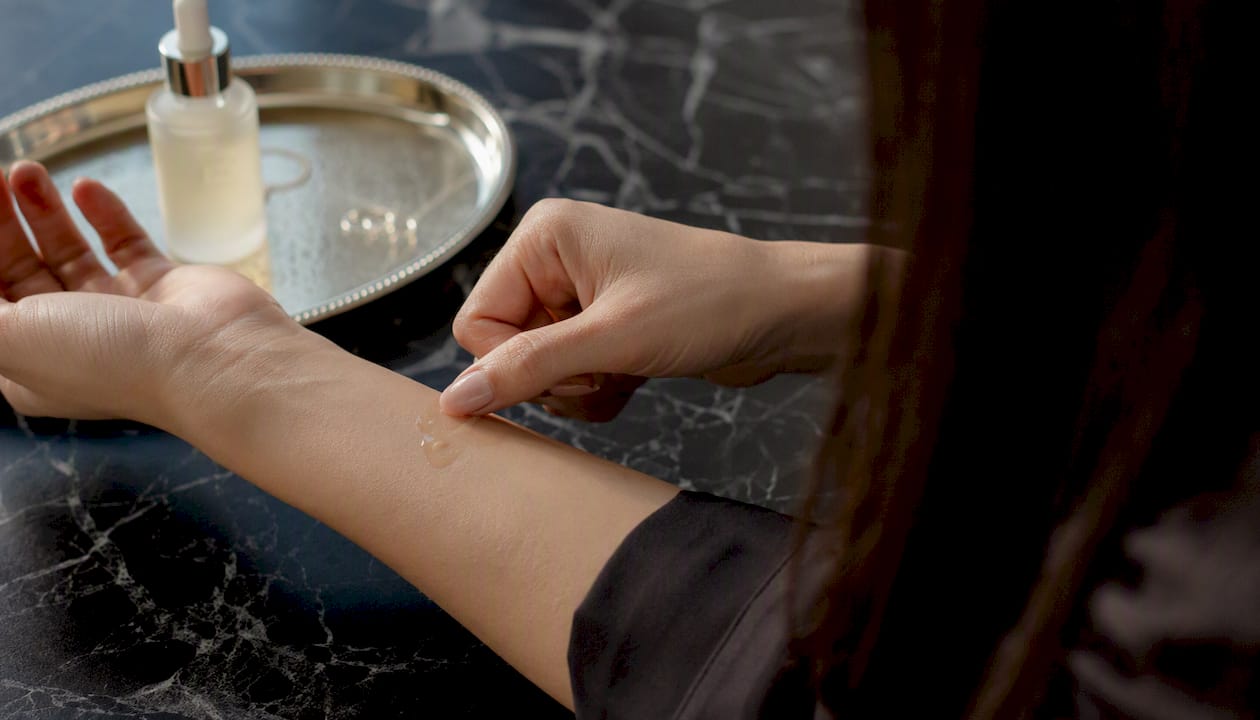
Pro Tip: If your skin tolerates it well, licorice can be used once or twice daily. If you’re new to actives, start with once daily and build up.
Sunscreen isn’t optional here. Tyrosinase inhibition slows new pigment, but unprotected UV exposure will keep generating it. Skipping SPF while treating hyperpigmentation is like bailing water out of a boat with a hole still open.
Are There Any Risks or Side Effects to Know About?
Licorice root is one of the gentler brightening ingredients, but “gentle” doesn’t mean “risk-free.”
- True allergic reactions are uncommon, but mild irritation, tingling, or redness can happen, especially with unstandardized or high-concentration extracts
- Skin that’s already compromised (over-exfoliated, actively broken out, sunburned) reacts more easily to any new active, licorice included
- Combining licorice with strong chemical exfoliants, retinol, or hydroquinone raises irritation risk without adding meaningful benefit
Dermatology-aligned guidance holds that licorice extract is safe for twice-daily use in many formulations, but pairing it directly with retinol or hydroquinone should be avoided to limit irritation.
There’s no strong published caution specific to pregnancy for topical licorice extract in skincare, but as with any active ingredient, checking with a physician before adding something new during pregnancy is reasonable practice.
If you notice persistent redness, burning, or breakouts after starting a licorice product, stop use and consult a dermatologist rather than pushing through it.
Patch-testing and daily SPF aren’t optional extras here. They’re the two habits that separate a smooth brightening routine from one that backfires.
How Do You Choose a Licorice Root Product That Actually Works?
Reading the label carefully matters more with licorice than with simpler ingredients, because potency varies so widely between products.
- Confirm the species is named (Glycyrrhiza glabra, uralensis, or inflata), not just “licorice extract”
- Check where it sits in the ingredient list; higher up generally means a higher concentration
- Look for standardized extract language or a stated glabridin/licochalcone percentage
- Favor formulas that pair licorice with niacinamide or tranexamic acid for compounded brightening support
Watch for red flags: vague “botanical extract blend” labeling with no species specified, aggressive claims like “erases dark spots in 3 days,” or a product stacking licorice with strong retinoids and exfoliating acids in one bottle.
Pro Tip: Search the product page for the word “standardized.” Its absence isn’t a dealbreaker, but its presence is a good sign the brand tested for consistent potency.
Pro Tip: Compare two similar products by scanning where licorice falls on the ingredient list. A version listed third performs very differently than one listed fifteenth.
Why Do Formulators and Dermatologists Rate Licorice Extract So Highly?
Licorice’s dual action, brightening plus calming, is rare among botanical actives. Most brightening ingredients either fight pigment or fight inflammation, not both, which makes licorice particularly useful for pigmentation that trails behind acne or irritation rather than sun exposure alone.
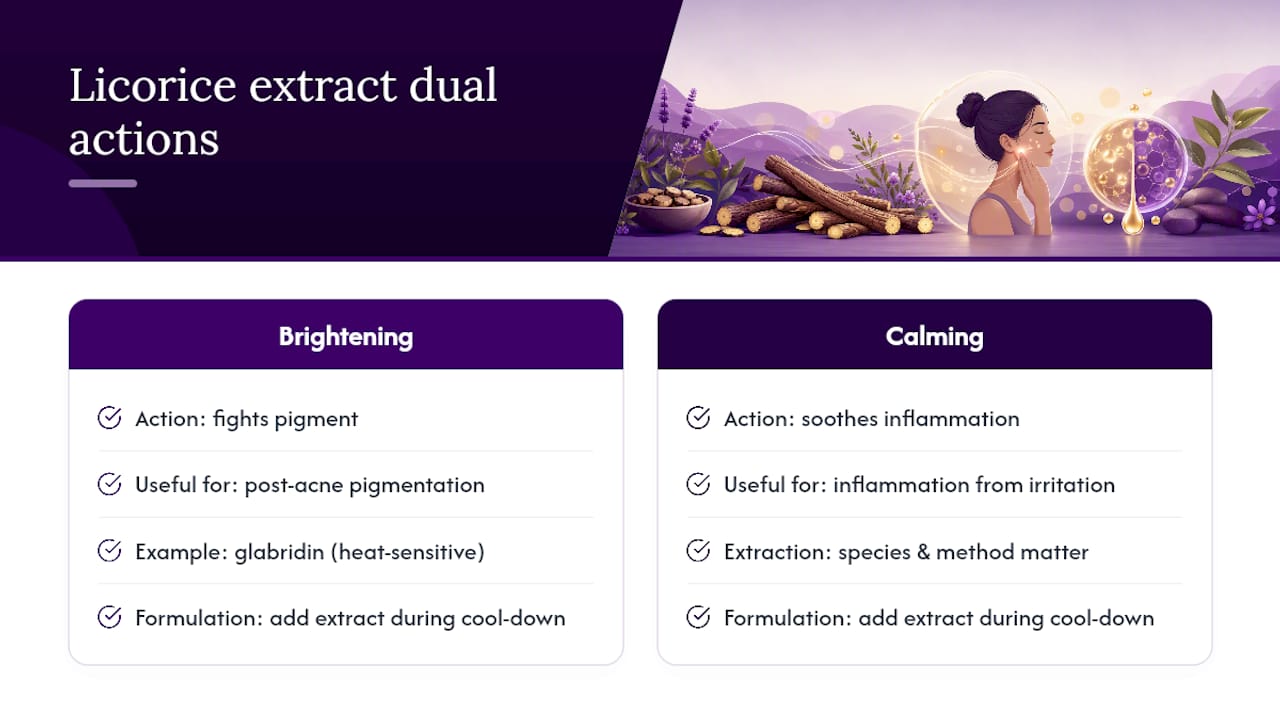
Formulators pay close attention to species and extraction method because flavonoid content varies significantly between a raw extract and a properly standardized one. Sensitive compounds like glabridin degrade under heat, so extracts added during the cool-down phase of manufacturing tend to retain more activity than those added earlier.
Pro Tip: A product’s price often correlates with extraction quality here. A steep discount on a “high-glabridin” serum is worth a second look at the label.
A Note From Lunara
Lunara built its brightening lineup around ingredients like this: proven, gentle, and backed by real mechanism, not trend-chasing. It’s the same standard we hold for every product on our shelves.
Where to Start With Licorice-Based Skincare
If you’re ready to try a licorice-friendly routine rather than piecing one together ingredient by ingredient, Lunara’s Morning Face Care Routine Set gives you a coordinated starting point built around brightening and hydration.
The LICORNE Vegan Rice Serum is a solid entry point if you want to layer a brightening serum under your existing moisturizer, and it pairs naturally with the GLAMFOX Rice Niacinamide Glowing & Moisturizing Toner for added tone support. Both fit the layering logic covered above: lightweight actives first, richer hydration on top, sunscreen every morning.
Browse the full face care collection if you’d rather build a custom routine around your specific skin concerns. Either way, the products are chosen with the same brightening-and-soothing logic this guide walks through, so you’re not left guessing which formula actually delivers.
Frequently Asked Questions
Does licorice root actually lighten dark spots, or is that overstated? It genuinely reduces new pigment formation by inhibiting tyrosinase, and existing evidence on glabridin supports gradual fading. It works best on top of consistent sunscreen use, not as a standalone fix.
Can I use licorice root serum every day? Many formulations are gentle enough for twice-daily use, though starting once daily and monitoring your skin’s response is the safer approach if you’re new to active ingredients.
Is licorice root safe to use with vitamin C or niacinamide? Yes. Both pairings are common and tend to enhance brightening results rather than cause conflict.
Why should I avoid combining licorice with retinol or hydroquinone? Combining strong actives raises irritation risk without adding meaningful extra benefit, so dermatology guidance recommends spacing them out or alternating nights instead.
What’s the difference between licorice root extract and glabridin? Licorice root extract is the whole botanical extract; glabridin is one specific flavonoid within it responsible for most of the tyrosinase-inhibiting, brightening effect.
This article is general information, not a substitute for advice from a qualified doctor. Consult a qualified healthcare professional about your own circumstances before acting on anything here.
Sources
- Licorice (Glycyrrhiza glabra, G. uralensis, and G. inflata) and Their Constituents as Active Cosmeceutical Ingredients
- Licorice Extract for Skin: The Complete Guide — Byrdie
- Cosmetics (MDPI) — Liquorice extract usage and applications