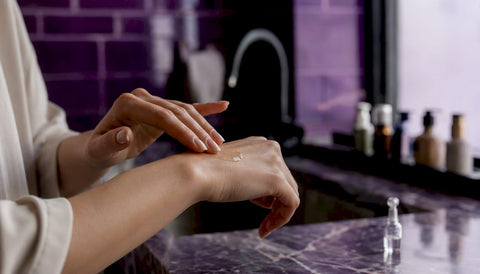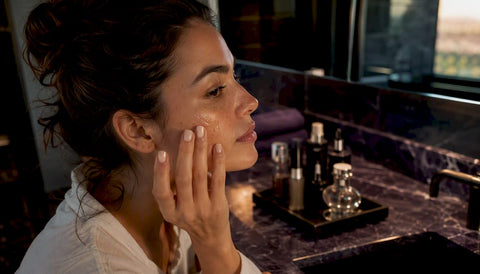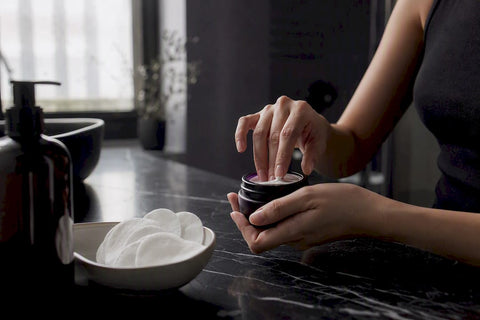
A gentle, scalp-first Korean skincare routine can genuinely help manage seborrheic dermatitis, especially when you pair it with the right over-the-counter or prescription antifungal treatment. K-beauty won’t cure the condition on its own, but its emphasis on barrier repair and low-irritation formulas makes it one of the better frameworks for calming flares without making them worse.
Here’s what to do right now: simplify your routine down to a handful of gentle products, prioritize barrier-repair ingredients like ceramides and panthenol, and add a medicated shampoo when scalp flaking shows up. Something soothing like COSRX Snail Essence works as a calming layer example, while Nizoral, Selsun Blue, and Neutrogena T/Sal represent the antifungal and keratolytic categories worth knowing about, not specific product endorsements.
- Cut your routine to essentials during a flare: cleanser, moisturizer, SPF.
- Choose barrier-repair ingredients over trendy actives.
- Add a medicated shampoo (zinc pyrithione, ketoconazole, or selenium sulfide) if your scalp is flaking.
Pro Tip: Stop all chemical or physical exfoliation the moment a flare starts, and always patch-test a new Korean skincare product on your inner arm for 48 hours before it touches your face.
Key Takeaways
Managing seborrheic dermatitis works best when a gentle, barrier-first Korean skincare routine is combined with a medicated antifungal shampoo for scalp flare-ups.
| Point | Details |
|---|---|
| Simplify first | Cut your routine to cleanser, moisturizer, and SPF before adding any treatment actives. |
| Treat the scalp separately | Use antifungal shampoos like ketoconazole or selenium sulfide two to three times weekly during flares. |
| Choose repair over trend | Prioritize ceramides, panthenol, and centella over exfoliating acids while skin is inflamed. |
| Give it time | Expect visible improvement at two weeks and real fading of redness by four to six weeks. |
| Start with a curated set | Lunara’s Morning Face Care Routine Set offers a matched, barrier-repair sequence for mild-to-moderate cases. |
Table of Contents
- What Is Seborrheic Dermatitis, and Who Gets It?
- Seborrheic Dermatitis vs. Eczema, Psoriasis, and Contact Dermatitis: What’s the Difference?
- Why Does Korean Skincare Work Well for Seborrheic Dermatitis?
- Which Ingredients Help (and Which Ones Make Flares Worse)?
- What Does a One-Week Korean Skincare Routine for Seborrheic Dermatitis Look Like?
- When Should You See a Dermatologist for Seborrheic Dermatitis?
- Which Korean Skincare Products Work Best for Seborrheic Dermatitis?
- Why Korean Skincare Fits Seborrheic Dermatitis Care So Well
- Start Your Routine With a Set Built for Sensitive, Flare-Prone Skin
- Frequently Asked Questions
- Sources
What Is Seborrheic Dermatitis, and Who Gets It?
Seborrheic dermatitis is an inflammatory skin condition tied to overgrowth of Malassezia yeast, which triggers excess skin cell turnover and a greasy, flaking scale. The NCBI clinical overview identifies the scalp, nasolabial folds, eyebrows, ears, and upper chest as the most common sites, since these areas tend to run oilier than the rest of the face and body.
It shows up across age groups, though it’s especially common in infants (as cradle cap) and adults between their 30s and 60s. People with naturally oily skin, seasonal hair shedding, or a history of dandruff often notice it comes and goes in cycles.
Typical symptoms include:
- Itching or a tight, irritated feeling on the scalp or face
- Greasy, yellowish scale that clings to hair or eyebrows
- Redness (erythema) under or around the scale
- Flaking that worsens with stress, cold weather, or hormonal shifts
Seborrheic Dermatitis vs. Eczema, Psoriasis, and Contact Dermatitis: What’s the Difference?
Triggers for seborrheic dermatitis include stress, low humidity, hormonal changes, product overuse, and yeast overgrowth on oily skin. Heavy oils and rich cosmetic layers can quietly feed the same yeast that causes flares, which is part of why some people worsen their skin with too many K-beauty steps at once.
Telling it apart from other rashes comes down to a few visual clues. Seborrheic dermatitis produces greasy, yellow-tinged scale, while psoriasis tends toward thicker, silvery plaques, and eczema usually looks drier and more diffusely red. Contact dermatitis often has sharper borders that match exactly where a product touched your skin. Response to treatment helps confirm the diagnosis, too: seborrheic dermatitis typically improves with antifungals, while eczema responds better to steroids alone.
Seek urgent care if you notice rapid spreading, pus at the hairline, swelling, or fever alongside the rash. Before a dermatologist visit, bring:
- Photos of the rash at its worst
- A list of every skincare and hair product you’ve used in the past month
- A rough timeline of when flares started and what seemed to trigger them
Pro Tip: Take a photo every few days during a flare. Dermatologists rely heavily on progression, not just a single snapshot, to sort out what’s really going on.
Why Does Korean Skincare Work Well for Seborrheic Dermatitis?
Korean skincare treats the scalp the same way it treats facial skin: as a living barrier that needs support, not aggressive stripping. That “scalp-as-skin” mindset explains why so many K-beauty scalp scrubs use the same soothing botanicals found in facial serums, rather than the harsh detergents found in a lot of Western dandruff shampoos.
A few principles carry over directly to seborrheic dermatitis management:
- Simplified, minimal-step routines instead of ten-step layering
- Low-pH or creamy cleansers that don’t disrupt the skin’s natural acidity
- Lightweight hydrating layers (watery essences, gel-cream moisturizers) instead of heavy, pore-clogging oils
- Centella asiatica, ceramides, panthenol, and snail mucin used specifically for their repair and calming properties
There’s also a real shift happening in Korean scalp science toward microbiome-balancing actives. Formulations like Cosmax’s Dandriome aim to regulate sebum and reduce hyperkeratosis while targeting Malassezia directly, rather than simply washing away oil. This matters because over-stripping the scalp often backfires. It signals the skin to produce even more oil, which feeds the exact yeast causing the flare in the first place. Watery essences and gel creams tend to hydrate without adding that fuel, which is why they’re usually better tolerated than richer, oil-based moisturizers during a flare. You can read more on this scalp-first philosophy in our Korean scalp care guide.
Which Ingredients Help (and Which Ones Make Flares Worse)?
Reading labels matters more with seborrheic dermatitis than almost any other skin concern, since a handful of common K-beauty ingredients can either calm a flare or feed it.
Ingredients to look for:
- Piroctone olamine and zinc pyrithione — antifungal actives common in Korean scalp scrubs, effective at reducing Malassezia without heavy medication.
- Ketoconazole — a stronger antifungal typically used in leave-on-for-a-few-minutes shampoo formats.
- Salicylic acid — a keratolytic that dissolves scale buildup; scalp formulas usually run in the 1.8% to 3% range for over-the-counter use.
- Ceramides and panthenol — barrier-repair staples for the face that reduce transepidermal water loss.
- Centella asiatica and snail mucin — soothing, wound-healing botanicals that calm redness without heavy occlusion.
Ingredients to avoid, especially during a flare:
- Added fragrance and essential oils (common irritants in K-beauty toners and mists)
- High-concentration AHAs/BHAs layered on top of medicated treatments
- Heavy, occlusive facial oils if your skin already runs oily
- Physical scrubs applied directly onto inflamed or actively flaking skin
Format matters as much as the ingredient list. Rinse-off products like medicated shampoos can use stronger actives safely because contact time is short, while leave-on serums need gentler concentrations since they sit on skin for hours. A controlled 28-day study on combined scrub-and-moisturizer regimens found that gentle physical exfoliation paired immediately with a hydrating lotion reduced follicular buildup without irritating skin, which supports the idea that exfoliation isn’t off-limits entirely. It just needs to happen carefully, and never on skin that’s already inflamed.
Pro Tip: Introduce one new product at a time, and wait at least five to seven days before adding the next. If a flare starts, you’ll know exactly what caused it.
What Does a One-Week Korean Skincare Routine for Seborrheic Dermatitis Look Like?
Here’s a realistic starting point you can follow for one to four weeks, adjusting based on how your skin responds.
AM routine (face):
- Low-pH gel or cream cleanser
- Hydrating essence or serum with panthenol or centella
- Barrier moisturizer with ceramides
- Broad-spectrum SPF
PM routine (face):
- Double cleanse only if wearing makeup or sunscreen; otherwise a single gentle cleanse
- Soothing essence, such as COSRX Snail Essence, applied while skin is still damp
- Ceramide moisturizer, slightly richer than the AM version if skin feels tight
Scalp routine:
- Use a medicated shampoo like Nizoral (ketoconazole) or Selsun Blue (selenium sulfide) two to three times a week, leaving it on for the full three to five minutes listed on the label before rinsing.
- If flaking is stubborn, alternate with Neutrogena T/Sal, which uses salicylic acid to dissolve scale buildup.
- Add a gentle antifungal scalp scrub once weekly, but only once flaking has calmed down. Avoid it during active, tender flares.
Improvement generally follows a predictable timeline. At two weeks, expect less visible flaking and reduced itch. By four to six weeks, redness should noticeably fade if the routine and shampoo schedule are consistent. If nothing has changed by six weeks, that’s your signal to escalate to a dermatologist rather than keep experimenting.
Avoid stacking a new medicated shampoo with a new leave-on antifungal serum in the same week. Overlapping strong actives makes it nearly impossible to tell what’s helping and what’s irritating your skin. A pared-back AM/PM routine for sensitive skin is a useful outside reference if you want a second framework for reintroducing products slowly. Our own step-by-step Korean skincare regimen covers face-side sequencing in more depth.

Pro Tip: Wash your hair less often than you think you need to during a flare. Over-washing strips the scalp barrier just as much as over-exfoliating the face does.
When Should You See a Dermatologist for Seborrheic Dermatitis?
See a dermatologist if flares persist past four to six weeks of consistent care, spread beyond the usual areas, or show signs of infection like pus or increasing pain. Severe, disruptive itching is also a reason to stop self-treating.
Prescription options a dermatologist may offer include prescription-strength ketoconazole, short courses of topical steroids for flare control, calcineurin inhibitors for sensitive areas like the face, and oral antifungals for scalp disease that won’t respond to shampoos alone. Bring recent photos, your full product list, and any medications you’ve already tried. Dermatologists consistently recommend simplifying a routine to a small set of gentle basics before adding prescription treatments on top.
Which Korean Skincare Products Work Best for Seborrheic Dermatitis?
Lunara’s picks lean toward low-fragrance, non-comedogenic formulas built around ceramides, panthenol, or centella, since those ingredients show up repeatedly across the barrier-repair guidance above.
- Lunara Morning Face Care Routine Set — a ready-made AM sequence that removes the guesswork of matching cleanser, essence, and moisturizer.
- MIDHA Rice Bran Facial Scrub Foam — a gentle exfoliating foam best used once a week on calm, non-inflamed skin only. Skip it entirely during an active flare.
- CIROA Face-Body-Hair Wash 3-in-1 — a minimalist, travel-friendly cleanser for anyone who wants to simplify without sacrificing gentleness on the road.
Each pick fits a specific slot in the routine above rather than replacing the whole thing at once. The scrub, in particular, only belongs on skin that’s already settled down, never during the itchy, flaking stage.
Pro Tip: If a product stings, tingles, or feels tight within the first five minutes, stop using it. K-beauty formulas are generally gentle, but “generally” isn’t “always” for reactive skin.
Why Korean Skincare Fits Seborrheic Dermatitis Care So Well
Lunara curates around a simple filter: does a product calm skin, repair the barrier, or address the fungal side of things, and does it do that without unnecessary fragrance or heavy oils? That’s exactly the intersection seborrheic dermatitis needs. Gentle K-beauty textures paired with clinically established antifungal and keratolytic actives cover both the comfort side and the treatment side, rather than forcing a choice between the two.
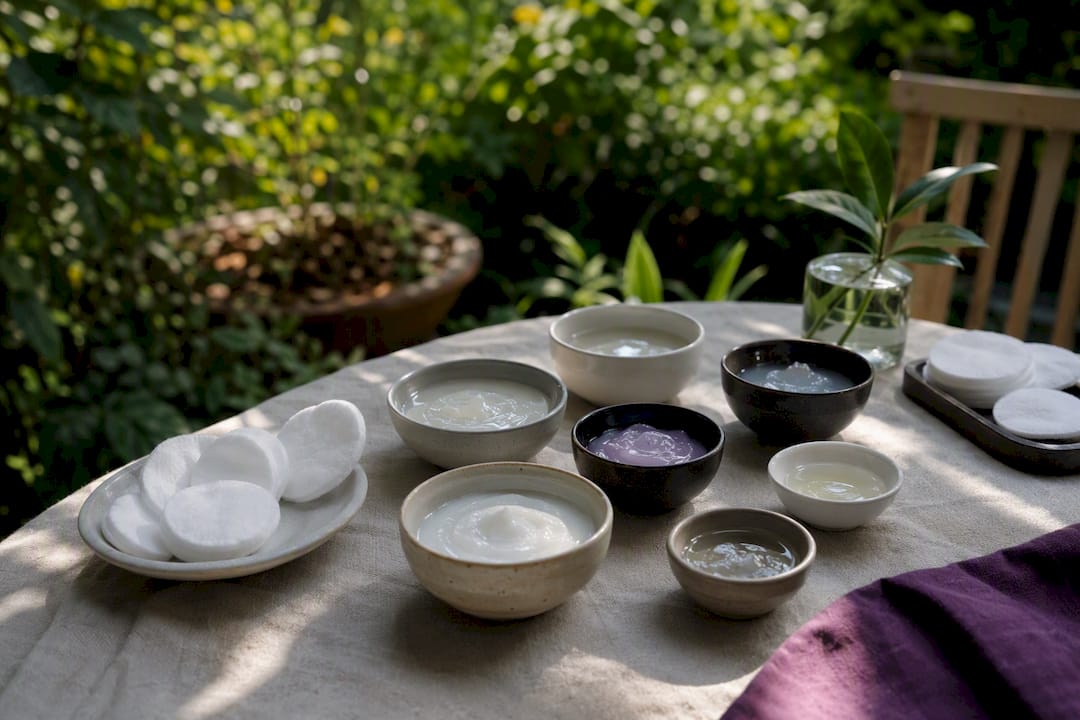
Start Your Routine With a Set Built for Sensitive, Flare-Prone Skin
Building a routine from scratch, ingredient by ingredient, takes time you may not have while your skin is actively flaring. The Morning Face Care Routine Set solves that by pairing a gentle cleanser, hydrating essence, and lightweight ceramide moisturizer into one sequence, already matched to work together instead of layering products that were never designed to sit on top of each other.
It’s best suited for anyone with mild-to-moderate seborrheic tendencies who wants a simplified routine without spending hours researching which serum pairs safely with which shampoo. If you’d rather browse barrier-repair options individually, our full face care collection covers the ceramide, panthenol, and centella formulas mentioned throughout this guide. Add the set to your routine this week and give it the full four to six weeks before judging results.
Frequently Asked Questions
Can Korean skincare alone cure seborrheic dermatitis? No. Korean skincare can calm symptoms and support your skin barrier, but moderate-to-severe cases usually need an antifungal shampoo or a dermatologist-prescribed treatment alongside it.
Is snail mucin safe to use during a seborrheic dermatitis flare? Generally yes, since it’s soothing and low-irritation, but patch-test first and stop if you notice any stinging on inflamed skin.
How often should I use a medicated shampoo for seborrheic dermatitis? Most people start with two to three times a week, leaving the shampoo on for the full recommended contact time before rinsing.
Can bacne or keratosis pilaris show up alongside seborrheic dermatitis? Yes. Oily, flare-prone skin often develops overlapping issues like bacne or rough, bumpy patches, so a gentle, non-comedogenic body wash is worth adding to the same routine.
When should I stop using exfoliating scrubs? Stop immediately during an active flare and only reintroduce gentle exfoliation, like a rice bran scrub, once skin has calmed and stopped flaking.
This article is general information, not a substitute for advice from a qualified doctor. Consult a qualified healthcare professional about your own circumstances before acting on anything here.
Sources
- Seborrheic Dermatitis — NCBI Bookshelf
- Cosmax Dandriome: A Microbiome-Based Innovation for Scalp Health — Jane Yoo MD
- Journal of Cosmetic Dermatology study on exfoliation-dissolution-repair
- I Have Seborrheic Dermatitis and This Is How Derms Suggest Treating It — Allure