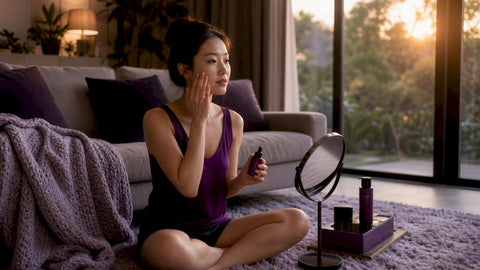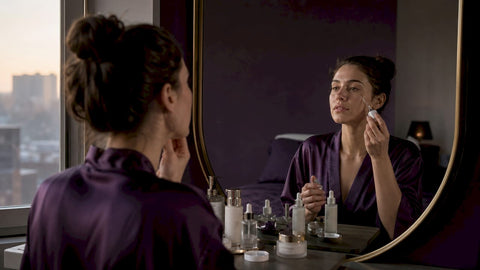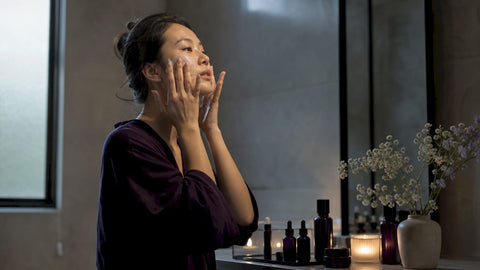
Dumpling skin is defined as plump, hydrated skin with a soft, satin finish, inspired by the smooth, slightly glossy surface of a freshly steamed dumpling. Unlike what is glass skin, which chases a mirror-like shine, dumpling skin targets a balanced, bouncy texture that holds up through a full day of wear. This K-beauty skin care aesthetic has moved to the front of the 2026 beauty conversation because it prioritizes skin health over surface-level gloss. Understanding what is K-beauty dumpling skin means understanding barrier care, layered hydration, and why less product often produces better results.
What is K-beauty dumpling skin, exactly?
Dumpling skin is the industry’s informal name for a skin condition dermatologists describe as optimal stratum corneum hydration with intact barrier function. The look is plump and dewy, with a satin rather than wet finish. Your skin reflects light softly instead of sharply, and it physically springs back when pressed. That “bounce” is the defining characteristic.
The scientific mechanism behind this look is transepidermal water loss, or TEWL. TEWL below 12 g/m²/hr is the threshold at which the stratum corneum physically holds enough water to produce visible plumpness. When your barrier is compromised, water escapes faster than your skin can retain it, and the bounce disappears. Dumpling skin is, at its core, a barrier health goal with an aesthetic name.
The term sits within a broader family of K-beauty glow tips and trend names. Glass skin, cloud skin, and dumpling skin all describe different hydration aesthetics, but dumpling skin is the most wearable of the three. It does not require a perfectly pore-free complexion or a dewy oil layer. It requires a functioning barrier and consistent hydration layering, which makes it genuinely achievable for most skin types.
What skincare principles create dumpling skin?
Four core principles produce the dumpling skin effect: barrier maintenance, layered humectant hydration, proper product sequencing, and daily UV protection. Each one builds on the last.
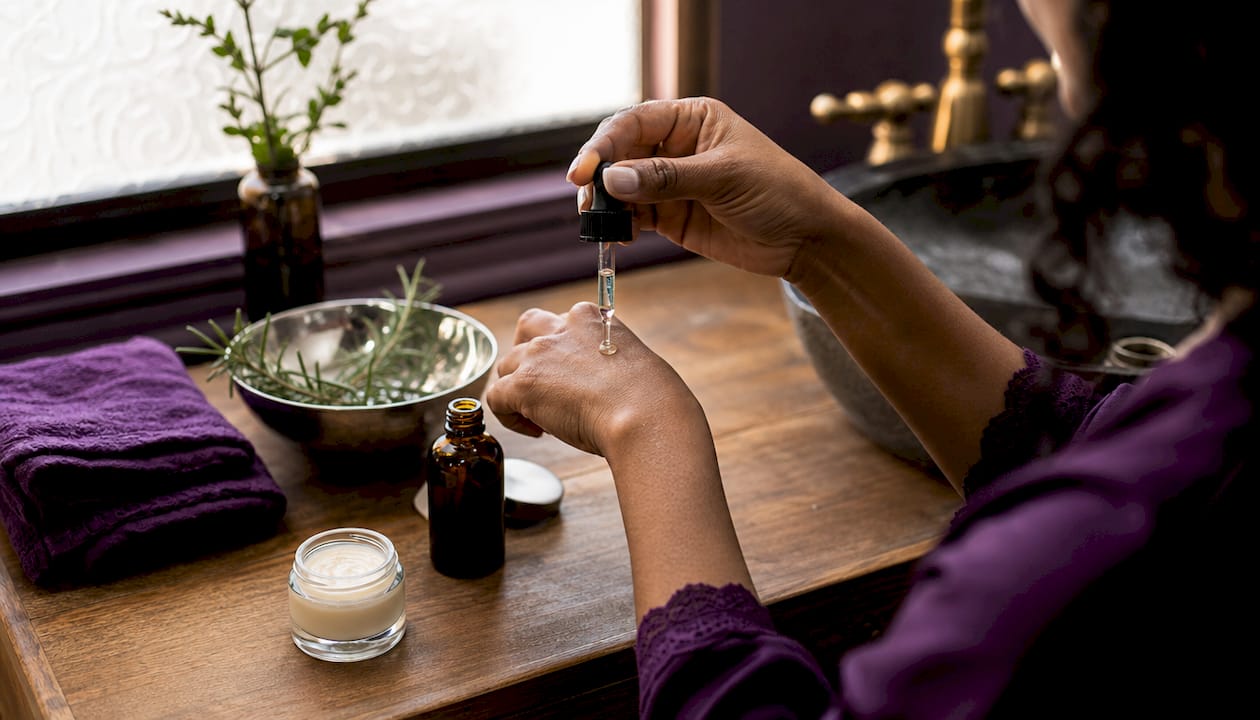
Barrier maintenance comes first
A damaged lipid barrier cannot hold water regardless of how many products you apply. Over-exfoliation damages the lipid barrier, preventing skin from physically retaining moisture. The bounce you feel in healthy skin is water pressure inside the cells. Without an intact barrier, that pressure drops and skin looks flat. Limit exfoliation to two or three times per week maximum, and choose gentle keratolytic acids over physical scrubs when your barrier feels compromised.
Layered hydration with multi-weight hyaluronic acid
Single-weight hyaluronic acid (HA) sits on the skin’s surface and hydrates only one layer. Multi-weight HA formulas deliver up to 47% greater hydration at 24 hours compared to single-weight formulas. That difference is significant. Multi-weight formulas combine large, medium, and small HA molecules that penetrate to different skin depths simultaneously, producing deeper and longer-lasting plumpness.
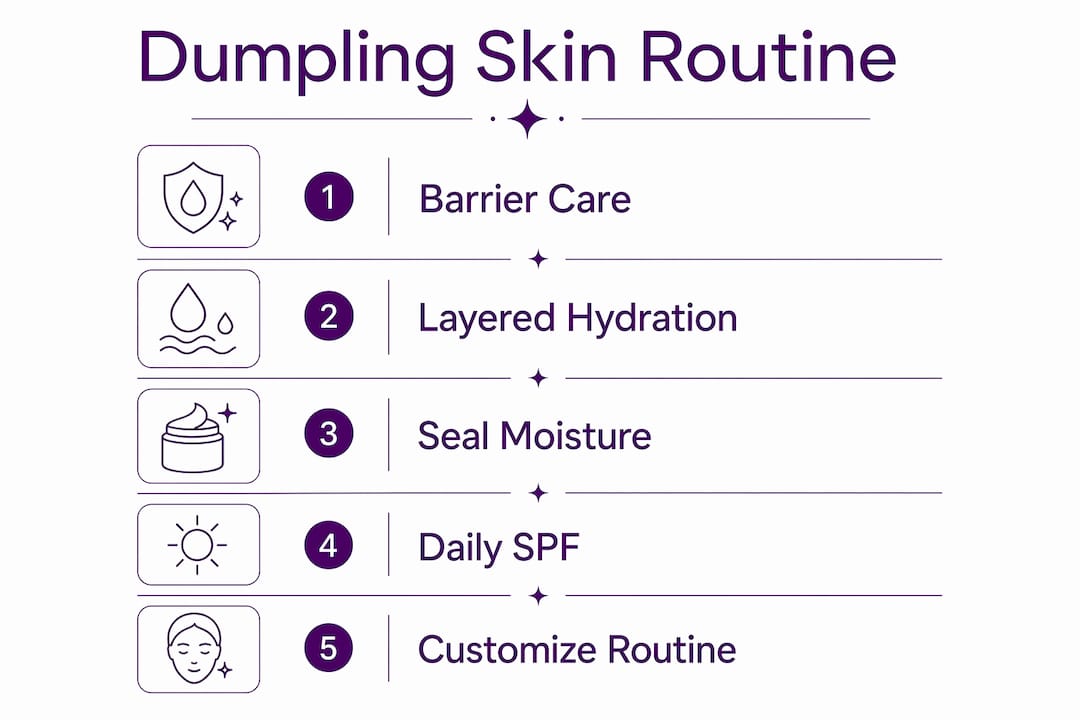
Timing matters as much as formula. Applying HA on damp skin and sealing with an occlusive moisturizer within 60 seconds maximizes hydration retention. Letting HA dry before sealing allows it to pull moisture from deeper skin layers instead of holding surface water.
A focused four-step routine
Visible skin bounce appears within 14 days when following a barrier-focused routine that takes roughly six minutes daily. The four steps are:
- Hydrating toner blended with glycerin and madecassoside to prime skin and deliver the first layer of humectant hydration.
- Snail mucin essence to support barrier repair and add a secondary layer of moisture. Snail mucin contains glycoproteins and hyaluronic acid that reinforce the skin’s natural repair process.
- Lightweight radiance serum to address uneven tone without heavy occlusion. Look for niacinamide or vitamin C derivatives at low concentrations.
- Satin-finish SPF as the final step to protect the barrier from UV damage, which is the single fastest way to degrade barrier function.
Daily SPF application is non-negotiable in any K-beauty skincare routine aimed at lasting hydration. K-beauty sunscreens are formulated to absorb cleanly, layer under makeup, and avoid the white cast or greasiness that causes people to skip this step.
How does dumpling skin differ from glass skin and cloud skin?
These three K-beauty aesthetics share a hydration foundation but produce distinctly different finishes.
| Aesthetic | Finish | Texture feel | Wearability |
|---|---|---|---|
| Glass skin | Mirror-like, highly reflective | Smooth, often oily by midday | Challenging in humidity |
| Cloud skin | Matte, diffused luminosity | Soft, powdery | Good for oily skin types |
| Dumpling skin | Satin, soft glow | Bouncy, skin-like | Practical for full-day wear |
Dermatologists describe the shift from glass skin to dumpling skin as a move toward wearable, practical hydration that holds up through humidity and daily activity without turning greasy. Glass skin requires a near-perfect skin texture and a dewy oil layer that can break down within hours. Dumpling skin does not. The satin finish comes from water content inside the skin, not from product sitting on top of it.
Cloud skin sits at the opposite end of the spectrum. It uses light-diffusing powders or blurring primers to create a matte, luminous effect. The result looks beautiful in photos but does not reflect actual skin hydration. Dumpling skin is the only one of the three that indicates genuine barrier health rather than a surface-level finish.
The trend shift reflects a real lifestyle change. In 2026, the K-beauty skin care conversation has moved toward looks that survive commutes, workouts, and varying climates. Dumpling skin fits that demand precisely.
What is the best way to build a dumpling skin routine?
The most common mistake is treating the K-beauty skincare routine as a fixed number of steps. Korean skincare philosophy treats the routine as a modular menu tailored by season, skin type, and daily needs rather than a rigid ten-step regimen. Your goal is barrier health and hydration, not step count.
Layering toners correctly
The 7 Skin Method is a K-beauty hydration technique that involves applying multiple thin layers of toner. Three to four layers of hydrating toner typically achieve the full hydrated effect. Forcing seven layers can cause product congestion or pilling, especially with thicker formulas. Stop layering when your skin feels saturated and cool to the touch.
Key routine-building principles for dumpling skin:
- Choose lightweight, water-based toners with humectants like glycerin, panthenol, and madecassoside. Avoid alcohol-heavy formulas that strip moisture.
- Apply HA on damp skin immediately after cleansing or toning, then seal within 60 seconds with a moisturizer that contains ceramides or squalane.
- Use a multi-weight HA serum rather than a single-weight formula to hydrate multiple skin layers at once.
- Skip heavy facial oils in your morning routine. Oils sit on top of the barrier and can create a greasy finish that mimics glass skin rather than the satin dumpling skin effect.
- Finish with SPF every morning. UV damage degrades barrier function faster than almost any other environmental factor.
Pro Tip: Pat products into skin rather than rubbing. Patting increases absorption and avoids disrupting the thin lipid layer between skin cells.
Adjust your routine by skin type. Oily skin benefits from a K-beauty no-sebum approach that uses water-based humectants without heavy occlusives. Dry skin needs a richer occlusive layer, such as a ceramide-rich cream, to seal hydration effectively. Mature skin benefits from barrier-repair ingredients like madecassoside and panthenol alongside HA layering. Lunarashopping’s guide to K-beauty routines for mature skin covers these adjustments in detail.
What common mistakes should you avoid when pursuing dumpling skin?
Several widespread misconceptions slow progress and sometimes cause the opposite of the intended effect.
- More steps do not mean better results. The ten-step routine is a framework, not a prescription. K-beauty emphasizes barrier repair and hydration as the foundation of skin health, not product volume.
- Dumpling skin should feel like skin, not a film. A tacky or heavy sensation after your routine indicates over-layering or barrier damage, not deep hydration.
- High molecular weight HA can dehydrate skin in dry climates. In low-humidity environments, high molecular weight HA pulls moisture from deeper skin layers rather than hydrating the surface. Always seal HA with an occlusive in dry air.
- Over-exfoliation is the fastest way to lose the bounce. Exfoliating too frequently strips the lipid barrier that physically holds water in the stratum corneum.
- Product congestion is real. Layering too many extract-heavy or thick toners causes pilling and blocks subsequent products from absorbing.
Pro Tip: If your skin feels tight after cleansing, your cleanser is too stripping. Switch to a low-pH, gentle formula before adding more hydration steps. Fixing the cleanser often resolves dryness faster than adding serums.
Understanding the layering principles behind K-beauty routines helps you avoid these pitfalls before they become habits.
How do lifestyle and skin type adjustments enhance results?
Climate is the most underestimated variable in any K-beauty hydration routine. In humid environments, HA draws moisture from the air and performs at its best. In dry environments, the same formula can pull water from your skin instead. The fix is straightforward: add a humectant-rich mist between toner layers in dry climates, and always seal with an occlusive regardless of season.
Seasonal adjustments matter too. In winter, increase your occlusive layer by switching from a gel moisturizer to a cream with ceramides and squalane. In summer, reduce occlusion and rely more on layered toners and a lightweight gel moisturizer. Your barrier needs change with temperature and humidity, so your routine should shift accordingly.
Barrier-repair ingredients accelerate results for all skin types. Madecassoside, derived from Centella asiatica, reduces inflammation and supports collagen synthesis in the barrier. Panthenol (vitamin B5) draws moisture into the skin and improves elasticity. Both ingredients appear frequently in K-beauty essences and toners because they address barrier function directly rather than just adding surface moisture.
When to seek professional advice: if your skin shows persistent redness, flaking, or stinging after applying water-based products, your barrier may be significantly compromised. A dermatologist can assess TEWL levels and recommend prescription barrier-repair treatments before you continue building a hydration routine.
Key Takeaways
Dumpling skin is a barrier health goal first and an aesthetic second. Achieving it requires intact lipid barrier function, multi-weight hyaluronic acid layered on damp skin, and daily SPF protection.
| Point | Details |
|---|---|
| Barrier health is the foundation | TEWL below 12 g/m²/hr produces visible skin bounce; protect the lipid barrier above all else. |
| Multi-weight HA outperforms single-weight | Multi-weight formulas deliver up to 47% greater hydration at 24 hours by reaching multiple skin depths. |
| Layer 3–4 toner applications, not 7 | Stop when skin feels saturated and cool; more layers cause congestion, not more hydration. |
| Seal HA within 60 seconds | Apply on damp skin and lock in with an occlusive to prevent HA from pulling moisture from deeper layers. |
| Adjust for climate and skin type | Low-humidity environments require stronger occlusives; seasonal routine shifts maintain consistent hydration. |
Lunara’s take on dumpling skin as a long-term goal
I’ve watched the K-beauty conversation shift dramatically over the past few years, and dumpling skin represents the most honest version of that shift. Glass skin was aspirational but often unattainable without filters or a very specific skin type. Dumpling skin asks a different question: what does genuinely healthy, well-hydrated skin actually look like on a real person going through a real day?
The answer is satin, not shiny. Bouncy, not slick. And that distinction matters more than most people realize when they first encounter the trend.
What I find most encouraging about this aesthetic is that it centers on barrier care rather than product accumulation. I’ve seen readers build elaborate ten-step routines that actually degraded their skin because they were layering products without understanding why. Dumpling skin pushes back against that instinct. Three or four well-chosen products applied in the right order and at the right time will outperform a shelf full of serums applied carelessly.
The madecassoside and panthenol combination is genuinely underrated. These two ingredients quietly repair barrier function while you sleep, and most people don’t notice them because they don’t produce an immediate visible effect. The visible effect comes two weeks later when your skin starts holding water the way it should. That delayed gratification is the real K-beauty hydration secret that gets lost in trend coverage.
My honest recommendation: start with your cleanser. If it strips your skin, no amount of hydration layering will compensate. Fix the foundation, then build upward. Dumpling skin is achievable for most people within a month of consistent barrier-focused care. You don’t need a complex routine. You need the right one.
— Lunara
Your dumpling skin routine starts here
Building the right routine is easier when your products are already curated for hydration and barrier health.
Lunarashopping’s morning routine sets are designed specifically around the layered hydration approach that produces the dumpling skin effect. Each set includes products selected for compatibility, correct texture sequencing, and barrier-supportive ingredients. You can also browse the full face care collection to build your own layered routine with hydrating toners, essences, and lightweight SPF formulas. Every product is sourced from trusted Korean beauty brands and vetted for the ingredient quality that barrier-focused routines require.
FAQ
What is the dumpling skin definition in simple terms?
Dumpling skin describes plump, hydrated skin with a soft satin finish and visible bounce, inspired by the smooth surface of a steamed dumpling. It reflects optimal barrier function and water retention in the stratum corneum.
How long does it take to achieve dumpling skin?
Visible improvements in skin bounce and hydration appear within 14 days when following a focused barrier-maintenance routine with layered hydration steps.
Is dumpling skin the same as glass skin?
No. Glass skin produces a mirror-like, highly reflective finish that often turns oily through the day. Dumpling skin delivers a satin, bouncy finish that holds up better through humidity and daily wear.
Can oily skin achieve the dumpling skin look?
Yes. Oily skin types achieve dumpling skin by focusing on water-based humectants and lightweight gel moisturizers rather than heavy occlusives, keeping the barrier intact without adding excess oil.
Does hyaluronic acid work differently in dry climates?
In low-humidity environments, high molecular weight hyaluronic acid can pull moisture from deeper skin layers instead of hydrating the surface. Sealing HA with an occlusive moisturizer within 60 seconds prevents this effect.