If you have ever tried layering Korean serums and ended up with pilling, stickiness, or skin that felt weighed down, you already know that texture matters. Understanding why Korean serums layer texture the way they do is not just a technicality. It directly affects whether your actives absorb or just sit on the surface doing nothing. Korean skincare is built on a philosophy of layering multiple lightweight products, each with a specific job, and the texture of each serum determines where it fits in the sequence and how well it works.
Table of Contents
- Key takeaways
- Why Korean serums layer texture the way they do
- What makes Korean serums different for your skin
- How to layer Korean serums properly
- Ingredients that shape serum texture and benefits
- My honest take on layering Korean serums
- Build your layering routine with Lunarashopping
- FAQ
Key takeaways
| Point | Details |
|---|---|
| Texture order drives absorption | Applying serums from thinnest to thickest prevents blocked absorption and improves how actives penetrate the skin. |
| Korean formulas favor layering | Korean serums use non-sticky, lightweight textures specifically designed for daily layering without overloading the skin barrier. |
| Multi-weight hyaluronic acid matters | Serums with multiple molecular weights of hyaluronic acid hydrate at different skin depths, improving texture and plumping fine lines. |
| Wait time prevents pilling | Spacing each serum layer by 30 to 60 seconds allows full absorption and avoids the texture issues most people blame on product incompatibility. |
| Ingredient synergy simplifies routines | Multi-peptide serums target several skin repair pathways at once, reducing how many products you actually need to layer. |
Why Korean serums layer texture the way they do
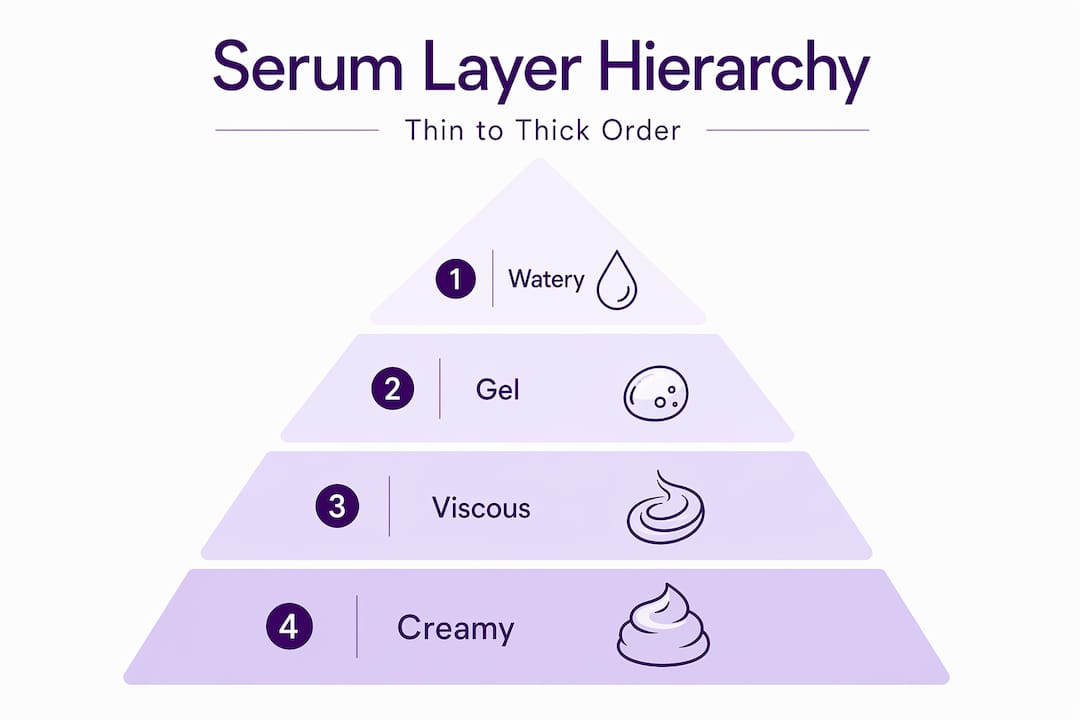
The foundation of the entire Korean skincare routine is a concept called the texture hierarchy. Every product you apply has a viscosity, and that viscosity determines its place in the sequence. Serums range from almost water-thin essences to dense, gel-like concentrates, and knowing the difference changes everything about how your skin responds.
There are four main texture categories you will encounter: watery, gel-like, viscous, and creamy. Watery serums absorb in seconds and deliver lightweight actives deep into the skin. Gel-like serums carry more concentrated ingredients but still move through the skin efficiently. Viscous serums, which are thicker and slower to absorb, work closer to the surface. Creamy serums act more like a treatment moisturizer and typically go last before your actual moisturizer.
The thin-to-thick layering rule is not just convention. It is based on skin permeability. Thin, water-based formulas have small molecules that pass through the outer layers of the skin more easily. When you apply a thick product first, you create a semi-occlusive layer on the stratum corneum, and watery actives get blocked from reaching their intended depth.
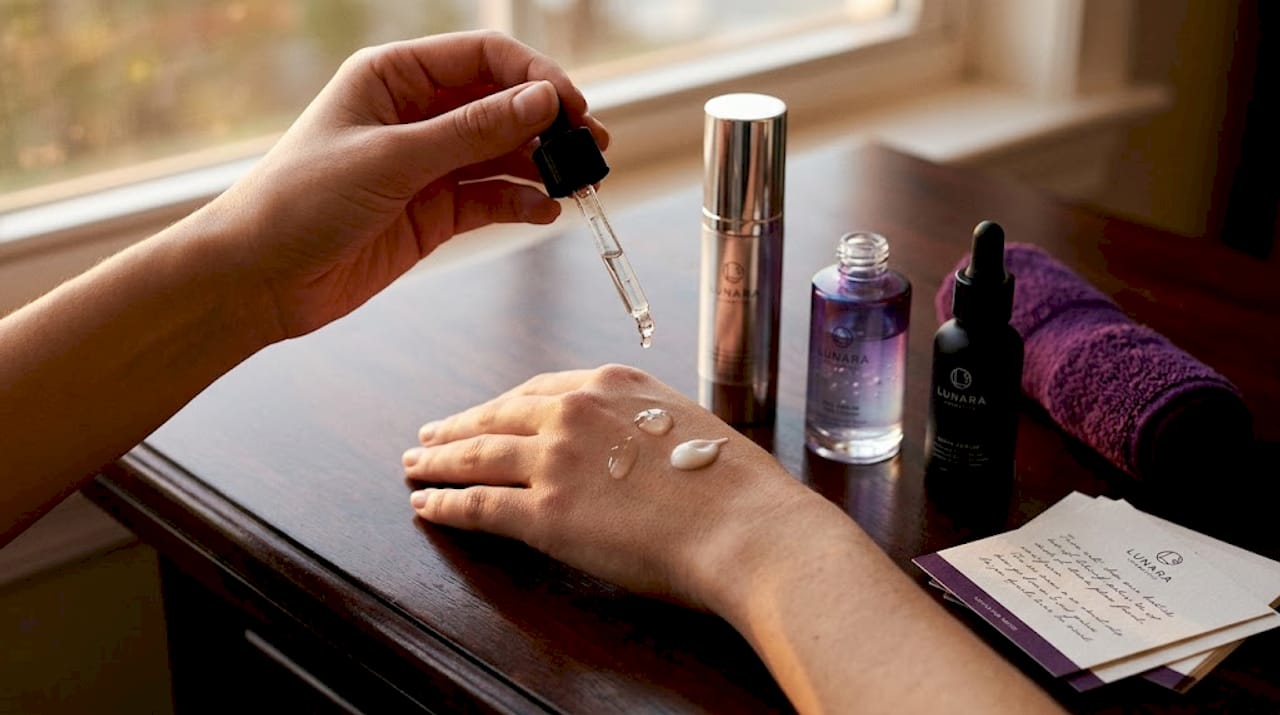
Here is a practical comparison to guide your sequencing:
| Serum texture | Typical ingredients | Layering position |
|---|---|---|
| Watery / essence-like | Hyaluronic acid, niacinamide | 1st after toner |
| Light gel | Peptides, panthenol | 2nd |
| Viscous gel | Centella asiatica, fermented extracts | 3rd |
| Creamy / emulsified | Retinol, ceramides | Last before moisturizer |
Pro Tip: Pat each layer into the skin rather than rubbing. Patting creates gentle pressure that encourages the product to absorb without disrupting the layer below it.
What makes Korean serums different for your skin
One reason Korean serums work so well for layering comes down to how they are formulated. Rather than packing one high-concentration active into a single product, Korean serums prioritize lightweight textures and lower-dose actives that are designed for twice-daily use without triggering irritation or barrier damage.
This approach is rooted in K-beauty’s “slow aging” philosophy, which emphasizes barrier health and consistent, low-dose actives over time rather than aggressive single-use treatments. The result is a category of products that can be combined daily without the redness and sensitivity that sometimes comes with Western-style high-concentration serums.
Several specific formulation choices define the Korean serum difference:
- Fragrance-free formulas reduce the risk of irritation when products are combined, making layering safer for sensitive skin types.
- Humectants at multiple molecular weights, particularly hyaluronic acid, pull moisture into different layers of the skin rather than just sitting on top.
- Low-concentration actives mean your skin can tolerate more products in one session without barrier compromise.
- Non-sticky film-forming agents allow each layer to stay in place without creating the tacky residue that causes pilling.
“Korean serums are designed to work together, not in isolation. The formulation philosophy prioritizes compatibility as much as efficacy.” — Dr. David Kim, board-certified dermatologist
Pro Tip: If you are switching from Western-style serums to Korean formulations, give your skin two to three weeks to adjust. The lower-concentration approach feels underwhelming at first, but the results accumulate steadily.
The real benefit here is barrier preservation. Many people damage their moisture barrier by over-using strong actives, which then causes the texture problems they were trying to fix. Korean serums address this by keeping formulas gentle enough for daily layering without sacrificing results.
How to layer Korean serums properly
Getting the sequence right is one part of the equation. Timing, product selection, and common mistakes are the other parts that most guides skip over.
- Start with a toner or essence. This step preps the skin surface by slightly raising hydration levels, which helps subsequent serums spread evenly and absorb faster. Dry skin resists product penetration.
- Apply your thinnest serum first. This is typically your hydrating serum, often a hyaluronic acid formula or a niacinamide treatment. Press it gently into the skin.
- Wait 30 to 60 seconds between each layer. Spacing layers by 30 to 60 seconds gives each product time to fully absorb before the next one is applied. Skipping this step is the most common cause of pilling.
- Add your second serum. A peptide serum or a centella-based formula usually fits here. It should feel slightly thicker than the first product.
- Finish with your heaviest treatment serum. Anything creamy, oil-containing, or retinol-based goes last in the serum lineup. It provides a base for your moisturizer to build on.
- Seal with moisturizer. This locks in every layer below it and completes the barrier-support function.
Limit your routine to two or three serums per session. More than that creates diminishing returns and increases the chance of overloading the skin, leading to breakouts or congestion.
Pro Tip: Morning and night routines do not need to look the same. Reserve your brightening niacinamide serum for mornings and your barrier-repairing peptide or retinol serum for nights. Splitting the work reduces the number of layers in each session and improves overall results.
For your morning routine, focus on hydration and antioxidant protection. For your evening routine, shift toward repair, renewal, and deeper hydration. The skin’s absorption capacity actually increases at night, which is why heavier, more active serums perform better after sunset.
When pilling occurs, it is almost always one of three things: applying too much product, layering too fast, or combining silicone-heavy products with water-based ones. Reduce the amount of each serum to three to four drops maximum, wait longer between layers, and check the ingredient lists for high-concentration dimethicone in combination with watery formulas.
Ingredients that shape serum texture and benefits
Understanding specific ingredients helps you predict how a serum will feel and where to place it in your routine. This is where the science of why Korean serums layer texture becomes genuinely practical.
Multi-weight hyaluronic acid serums are a good example. Low-molecular-weight hyaluronic acid penetrates deeper into the dermis, while high-molecular-weight hyaluronic acid stays closer to the skin surface and forms a film that reduces water loss. Using a serum with both types, or layering a small-molecule serum before a large-molecule one, delivers hydration at multiple levels simultaneously. Research shows 30% elasticity improvement after eight weeks of consistent use with low-molecular-weight hyaluronic acid.
Multi-peptide formulas are another category worth understanding. Peptides support collagen synthesis, reduce low-grade inflammation, and improve barrier function in a single product. The COSRX 6 Peptide Skin Booster is a practical example of this formulation approach. A peptide serum typically has a light gel texture, placing it naturally in the middle of your layering sequence.
Here is a breakdown of key ingredients and their impact on texture and layering order:
| Ingredient | Function | Texture impact | Layering position |
|---|---|---|---|
| Low-MW hyaluronic acid | Deep hydration | Very watery | 1st |
| High-MW hyaluronic acid | Surface moisture retention | Slightly viscous | 2nd |
| Niacinamide | Brightening, pore refinement | Light, watery | 1st or 2nd |
| Multi-peptide complex | Collagen support, barrier repair | Light to medium gel | 2nd or 3rd |
| Fermented extracts | Skin smoothing, microbiome support | Viscous | 3rd |
| Exosome complex | Rejuvenation, radiance | Variable | 3rd or last serum |
Fermented ingredients, like galactomyces and bifida ferment lysate, deserve specific mention. These are traditional Korean actives that have been used for decades. They improve skin texture by supporting the skin microbiome and reducing surface roughness, and they tend to come in denser, more viscous formulas that layer well over lighter hydrators.
Exosome complexes represent one of the newer directions in K-beauty formulation. Research shows these compounds boost skin rejuvenation by 50% in 7 days, strengthening the barrier and improving visible radiance quickly. Their textures vary by brand, but most fall into the medium-to-viscous range, which places them toward the end of your serum sequence.
My honest take on layering Korean serums
I have worked with Korean skincare products long enough to watch the same mistake repeat itself. People build elaborate multi-step routines, pile on five or six serums, and then wonder why their skin looks worse, not better.
In my experience, the biggest gains come from getting two or three products right rather than from adding more. A well-formulated hydrating serum applied before a targeted active, with proper wait time and sealed with a good moisturizer, outperforms a chaotic six-step sequence every single time. Using hydrating serums first genuinely improves the performance of everything that follows.
What I have also found is that hydration foundation is non-negotiable. If you skip toner and go straight to actives on dry skin, you are working against yourself. The skin barrier needs a baseline moisture level to allow absorption. Without it, even the best serum sits on the surface.
Seasonality matters more than most people account for. In dry winter months, I gravitate toward layering two hydrating serums before any actives. In summer, a single lightweight hydrator and one targeted serum is usually enough. Adapting your routine to your skin’s current needs, not a fixed formula, is what separates good skin days from great ones.
Patience is the real variable. Korean skincare does not promise overnight transformation, and it should not. Consistent, barrier-respecting routines that layer correctly produce genuinely better skin texture over months, not days.
— Lunara
Build your layering routine with Lunarashopping
Lunarashopping curates Korean skincare products specifically selected to work together in a layered routine. Whether you are starting with a single hydrating serum or building a complete morning and evening sequence, the product selection at Lunarashopping is designed to remove guesswork.
The COSRX Face Care Bundle is a practical starting point. It includes serums and moisturizers formulated with layering compatibility in mind, covering both hydration and barrier repair in one set. For a finishing step that seals every layer and supports long-term skin health, the PRETTYSKIN Ginseng Retinol Multi Cream provides a rich, barrier-supporting base over your serums. If you want to add a weekly reset to your routine, the MEDIHEAL Vita Essential Mask enhances serum results and restores radiance between sessions. Browse the full selection at Lunarashopping to find products matched to your skin goals.
FAQ
Why do Korean serums have different textures?
Korean serums are formulated with specific viscosities to target different skin depths and functions. Watery serums penetrate deeply, while thicker serums work closer to the surface, which is why layering from thinnest to thickest improves overall absorption and results.
What is the correct order to layer Korean serums?
Apply serums from the thinnest to the thickest texture, starting after your toner. Wait 30 to 60 seconds between each product to prevent pilling and allow each layer to absorb fully before the next is applied.
How many Korean serums can you layer at once?
Two to three serums per session is the practical limit for most skin types. Layering more than three serums increases the risk of overloading the skin barrier and can lead to congestion or irritation.
Why does serum layering cause pilling?
Pilling happens when products are applied too quickly, in the wrong order, or in excessive amounts. Applying a thick product before a watery one traps the lighter serum on the surface, where it cannot absorb and rolls off instead.
Does hyaluronic acid molecular weight affect layering order?
Yes. Low-molecular-weight hyaluronic acid is thinner and penetrates deeper, so it should go first. High-molecular-weight versions form a surface film and layer slightly later in the sequence, working alongside rather than beneath deeper-penetrating actives.