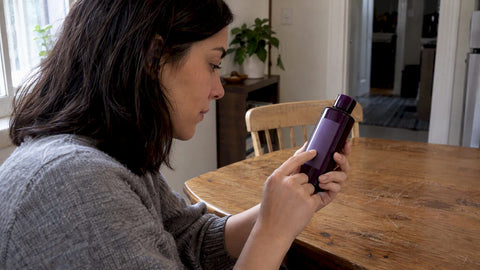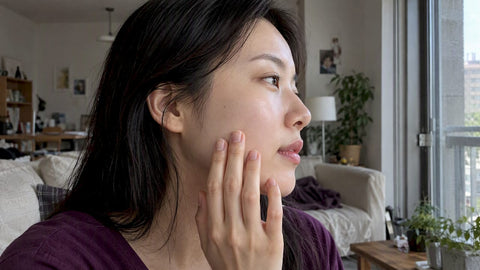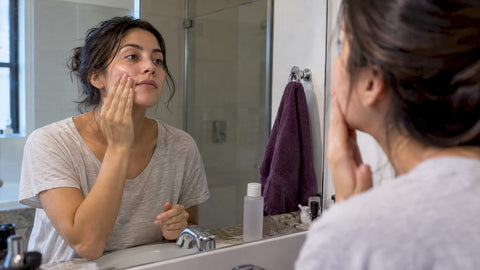
The 7 skin method is a Korean beauty layering technique that boosts surface hydration by pressing a thin, alcohol-free toner into your skin multiple times before sealing with a moisturizer. It benefits dehydrated, dry, and dull skin most. We recommend starting with 2 to 3 layers to test your skin’s response before working up to a full seven-layer session.
TL;DR:
- Choose an alcohol-free toner with humectants such as glycerin or hyaluronic acid; avoid exfoliating acids and strong fragrance because repeated layers can irritate sensitive skin.
- Watery toners can support more passes, while thicker milky formulas feel heavy after two or three layers; stop when skin feels cushioned, not sticky.
- Use fewer layers and a lighter moisturizer in humid weather, but seal toner with moisturizer or an occlusive during dry winter conditions to limit evaporation.
- Evidence comes mainly from practitioner experience, not controlled trials; test for 2 to 4 weeks, and skip full layering when skin feels compromised.
Table of Contents
- What the 7 skin method is and why layering helps
- Step-by-step routine you can follow at home
- Which toners and essences work best for layering
- How many layers, how often, and how to adjust for environment
- Finding the right formula for your other skin concerns
- Common mistakes and how to fix them
- A practical testing plan worth trying
- Your starter toner picks for layering at home
- FAQ
- Sources
What the 7 skin method is and why layering helps
In Korean beauty, “skin” is shorthand for toner, so the 7 skin method literally means applying toner up to seven times in a row. The idea comes from the belief that thin, repeated layers of a hydrating liquid absorb more completely than one heavy application, and that patting each layer in with your palms increases contact time between the product and your skin’s surface. Allure describes the technique as applying thin layers of toner or watery essence after cleansing and before moisturizer, with dermatologist commentary supporting the approach when the formula is genuinely hydrating.
This step sits early in your routine, right after cleansing and before serums or treatment products. It works best as a hydration base layer rather than a replacement for actives.
The evidence behind the method is practice-driven rather than clinical. Most of what we know comes from dermatologist commentary and K-beauty practitioners, not controlled trials, so results vary by skin type and formula.
- Layering spreads out absorption instead of overwhelming skin with one thick coat.
- Patting (never rubbing) helps the product settle before the next layer goes on.
- The technique fits between cleansing and your treatment or moisturizing steps.
Step-by-step routine you can follow at home
Getting the technique right matters more than hitting a specific number of layers. Here’s how to do it properly from start to finish.
Start with clean, slightly damp skin. Double cleanse if you wear sunscreen or makeup, using an oil cleanser followed by a water-based one, then pat your face until it’s just barely damp rather than fully dry.
- Pour a small amount of toner into your palms or a cotton pad.
- Press the toner into your cheeks, forehead, nose, and chin using gentle patting motions.
- Wait a few seconds and check whether the skin has absorbed the layer.
- Apply a second layer the same way, using slightly less product than the first.
- Continue patting in thin layers, checking after each one for a plump, hydrated feel.
- Stop once your skin feels cushioned and bouncy rather than wet or sticky.
- Follow with any serums, moving from thinnest to thickest texture.
- Finish with a moisturizer to lock the hydration in.
How do you know when to stop? Skin that’s “done” feels plump and slightly cushioned, not tacky or slick. Byrdie’s coverage of the method notes that thin, water-like toners allow for more useful layers before your skin reaches saturation, while thicker, milky formulas tend to feel heavy after just two or three passes.
You don’t need to commit to a full seven layers every time. An express version using 2 to 3 layers works well for daily use or mornings when you’re short on time, while a full 5 to 7 layer session suits an evening routine or particularly dry days. For more on the technique itself, our guide to layering toners the Korean way breaks down the patting method in more detail.
Pro Tip: Keep a small spray bottle of toner nearby so you can mist and pat instead of pouring onto your palms every time, which cuts down on product waste during longer sessions.
Which toners and essences work best for layering
Not every toner is built for repeated layering, so formula matters as much as technique. Look for alcohol-free formulas rich in humectants like hyaluronic acid, glycerin, and panthenol, along with soothing botanicals such as centella asiatica. Hindustan Times reporting on the method points to these same ingredient classes as the ones practitioners most often recommend, while flagging alcohol-containing toners as a formula to avoid for this specific technique.
Modern K-beauty toners are typically formulated without denatured alcohol, which historically made Western toners too drying for repeated use. This shift in formulation is part of why the layering technique became practical in the first place.
Steer clear of toners containing exfoliating acids like glycolic or salicylic acid for this step. Repeated layering concentrates the active ingredient, and a toner meant for occasional exfoliation isn’t designed for seven passes. Strong fragrance is another signal to watch for if you have sensitive or reactive skin.
- Dry or dehydrated skin benefits from richer humectant blends with hyaluronic acid and glycerin.
- Oily or combination skin tends to do better with lighter, water-based formulas and fewer layers.
- Sensitive skin should prioritize fragrance-free, soothing formulas with centella or panthenol.
Rather than mixing several active-heavy toners in one session, rotate your hydrating products throughout the week so your skin gets consistent moisture without layering incompatible ingredients.
How many layers, how often, and how to adjust for environment
The number seven is a guideline, not a rule. Vogue’s reporting on Korean skincare frames step counts in K-beauty as a flexible principle rather than a fixed formula, and many people get the same plump, hydrated result from 2 to 3 layers as they would from a full seven.
Climate changes how many layers make sense. In humid months, your skin already holds more ambient moisture, so fewer layers plus a lighter moisturizer usually does the job. In dry winter air, sealing becomes more important: apply your layers, then follow immediately with a moisturizer or occlusive to prevent the hydration from evaporating off your skin.
Daily use works for most skin types, though how you adjust matters more than frequency. Watch for tackiness that doesn’t resolve, new congestion, or a filmy feeling after your moisturizer goes on.
- Persistent stickiness usually means too many layers or a formula that’s too rich for your skin type.
- New breakouts or clogged pores suggest switching to a lighter, simpler toner.
- The fix is almost always the same: shorten your session, lighten your product, and seal every time.
Finding the right formula for your other skin concerns
Hydration is the foundation of the 7 skin method, but you can layer formulas suited to other goals once your skin tolerates the basic technique. A soothing toner with centella asiatica or green tea extract works well for redness-prone or reactive skin, while a brightening formula with niacinamide or licorice root extract suits dullness or uneven tone.
For anti-aging concerns, a toner or essence with peptides or fermented ingredients can add a treatment layer without the heaviness of a serum, though we’d suggest introducing these after your skin is comfortable with basic hydration layering first. Pair your toner choice with your actual concern rather than choosing based on packaging claims alone.
If you’re building toward a fuller routine, our piece on layering your skincare with Korean beauty principles walks through how to sequence treatment-focused toners alongside serums and moisturizers. The goal is consistency: pick one or two formulas that address your specific concern and give them a few weeks before switching, rather than rotating through several treatment toners in the same session.

Common mistakes and how to fix them
The most frequent misstep is treating seven layers as mandatory regardless of how your skin feels. If your skin turns tacky or starts pilling partway through, stop layering rather than pushing to finish the count. Pilling usually means either too much product per layer or a formula that’s too thick for repeated application.
Skipping the moisturizer afterward is another common error. Humectant ingredients like hyaluronic acid draw moisture toward themselves, and without a sealing layer, that moisture can evaporate rather than staying in your skin, especially in dry air. Always finish with a moisturizer or occlusive, even if your skin feels hydrated right after toning.
Watch for irritation signs like persistent redness, stinging, or small bumps, which usually point to too many layers of an active-containing toner or a fragrance sensitivity. If this happens, drop back to a single gentle layer for a few days and reintroduce gradually. For technique specifics on patting versus rubbing, see our guide on toner and essence application.
A practical testing plan worth trying
We’d suggest testing the 7 skin method for 2 to 4 weeks before judging whether it works for you, comparing how your skin feels and looks before bed versus in the morning. Pay attention to texture and bounce rather than chasing a specific layer count.
Skip the full routine on days when your skin feels compromised, such as after an in-office treatment or during a flare of sensitivity. The number seven is flexible, and your own skin’s feedback matters more than following the technique exactly as described anywhere, including here.
— Lunara
Your starter toner picks for layering at home
We curate our Face Toners & Mists collection specifically with layering in mind, favoring alcohol-free, humectant-forward formulas from trusted Korean beauty brands over heavier astringent toners that don’t suit repeated application.

If you’re building a full routine, pair your toner with something from our Face Creams & Moisturizers collection to seal in hydration the way the technique intends. For sealing in moisture with an oil-based finish, this guide to face oil for dry skin from our partners at Maison Dovellé covers how an occlusive layer locks moisture in rather than adding more of it.
- Start small: pick one hydrating toner and patch test before committing to a full routine.
- Pair your toner choice with a moisturizer suited to your skin type for a complete seal.
- Shipping on orders runs at a flat rate starting from $6.49, making it easy to try a toner and moisturizer pairing without a large upfront order.
FAQ
What is the 7-step skin care method?
The 7-step method and the 7 skin method are often confused, but the 7 skin method specifically refers to applying toner in up to seven thin layers after cleansing. Allure’s original coverage of the technique describes it as a layering practice meant to maximize hydration before moisturizer.
What are the 7 steps of Korean skincare?
There’s no single fixed sequence, since Korean skincare routines vary by person and skin need. A common structure moves from cleansing to toner, essence, serum, eye cream, moisturizer, and sunscreen in the morning, though Vogue notes that the step count itself is flexible rather than a strict rule everyone follows.
How do Koreans achieve glass skin?
Glass skin results from consistent hydration layering, gentle exfoliation, and sealing moisture with a suitable moisturizer rather than any single product or step. Techniques like the 7 skin method support this goal by building up humectant-rich layers that plump the skin’s surface before locking them in.
Is the number of layers in the 7 skin method fixed?
No, the number seven is a guideline rather than a rule, and many people see similar hydration benefits from 2 to 3 layers. Reporting on the technique supports starting with fewer layers and adjusting based on how your skin responds.
Sources
- The 7 Skin Method Is the Latest Korean Beauty Treatment to Know About | Allure
- The 7 Skin Method: Does Layering Toner Really Work? | Byrdie
- What Experts Really Think of the 10-Step Korean Skin-Care Routine | Vogue
- What is the 7-skin method? The K-beauty hydration hack for lasting moisture | Hindustan Times