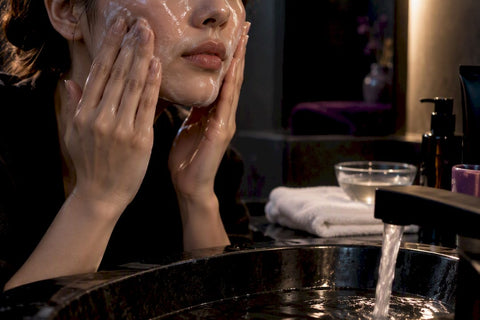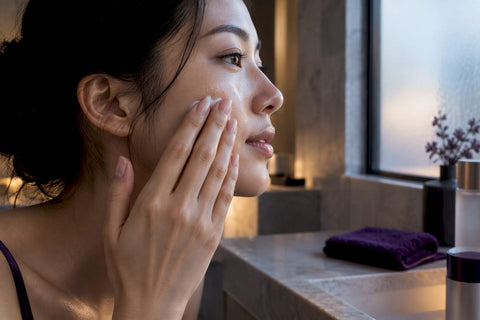
Toner preps and cleans a freshly washed face, sweeping away leftover residue and rebalancing skin’s pH. Essence is a lightweight, concentrated hydration and treatment step that boosts how well your serum and moisturizer absorb afterward. Most people don’t need both. You benefit from layering them only when your toner handles cleanup or exfoliation and your essence adds a separate hydration boost your skin genuinely needs.
TL;DR:
- Use a hydrating toner for pH balance and residue removal only if exfoliation or clarifying functions are necessary, to avoid unnecessary overlap.
- Apply essence with your palms through pressing, which enhances absorption, especially when targeting hydration, dullness, or texture issues.
- Layer toners and essences based on their primary job: toner for residue removal or exfoliation, essence for concentrated hydration and absorption boost.
- For sensitive or dehydrated skin, choose fragrance-free, alcohol-free formulas in both steps, and avoid stacking multiple active exfoliants at once.
- Focus on simple, hydrating routines with well-formulated products, adding actives gradually only when your skin tolerates basic hydration and barrier repair.
Table of Contents
- Toner Vs Essence: What A Toner Actually Does For Your Skin
- What Is Essence In A Korean Skincare Routine?
- Toner Vs Essence: Key Differences And Quick Decision Rules
- How To Layer Toner And Essence Without Overdoing It
- Choosing By Skin Type: Dry, Oily, Acne-Prone, Sensitive, Aging
- What To Look For (And Avoid) On The Ingredient Label
- We build our recommendations around technique as much as ingredients. Pressing an essence into skin rather than rubbing it in changes how well it absorbs, and that small habit shift matters more than most people expect. For beginners, we usually suggest pairing a gentle hydrating toner with a lightweight essence, then adding exfoliating or treatment steps gradually once your skin tolerates the base routine.
- Why Hydration-First Beats Complexity
- Find Your Toner And Essence Pairing At Lunarashopping
- Sources
- FAQ
Toner Vs Essence: What A Toner Actually Does For Your Skin
Forget the stinging, alcohol-soaked pads your mom used in the 90s. Today’s toners fall into three camps: hydrating (glycerin, hyaluronic acid, panthenol), exfoliating (PHA, BHA, mild AHAs), and clarifying (witch hazel, niacinamide, mild astringents for oily skin). A well-formulated hydrating toner does real work, and the clinical data backs that up.
By the numbers: A 28-day clinical evaluation of an alcohol-free toner formulation recorded roughly a 22% ± 4% increase in stratum corneum hydration and an 18% ± 3% drop in transepidermal water loss.
That is a measurable barrier improvement, not just a “fresh feeling” placebo.
Apply toner right after cleansing:
- Use a cotton pad for exfoliating or clarifying formulas to physically lift residue
- Hand-press hydrating toners directly into damp skin for faster absorption
- Skip alcohol-heavy astringent toners if you have dry or reactive skin, since dermatologists caution against over-treating with overlapping actives
Our guide to toning’s role in skin health breaks down formulation differences in more depth.
What Is Essence In A Korean Skincare Routine?
Essence sits in the gap between toner and serum. Its texture usually runs watery to light gel, thinner than a serum but more concentrated than a toner, and it’s designed to sink in fast rather than sit on the surface. You apply it by pressing it into skin with your palms rather than sweeping it on with a cotton pad, which helps it absorb rather than evaporate.
Most essences build around a few core actives:
- Hyaluronic acid and glycerin for immediate hydration
- Ferment filtrates (rice, snail mucin, galactomyces) for texture and radiance
- Niacinamide for tone evenness and mild brightening
Essences are typically more concentrated and focused on hydration and boosting absorption of whatever you layer next. That makes them especially useful for dehydrated, dull, or textured skin that needs a hydration primer before serum. Because most formulas skip harsh surfactants and drying alcohols, essences rarely strip skin the way an old-school astringent toner can. If you already love the ritual, our post on why Koreans use essence daily covers the habit in more detail.
Toner Vs Essence: Key Differences And Quick Decision Rules
The line between these two products has blurred over the past decade. Many “essences” today read almost identically to hydrating toners on the ingredient list, and that overlap is exactly why so many people ask which one they actually need.
| Attribute | Toner | Essence |
|---|---|---|
| Texture | Water-thin to slightly viscous | Watery to light gel |
| Primary job | Residue removal, pH balance, optional exfoliation | Concentrated hydration, absorption boost |
| Application | Cotton pad or hand-press | Hand-press only |
| Best paired with | Cleanser (comes right after) | Serum (comes right before) |
The functional distinction that actually matters: toner ranges from hydrating to exfoliating and clarifying, while essence is a more concentrated hydrating treatment that preps skin for everything after it.
Use these rules when shopping or streamlining your shelf:
- Pick a toner if you need to lift cleanser residue, balance pH after a foaming cleanser, or add mild exfoliation with a PHA or BHA formula.
- Pick an essence if your main goal is deeper hydration and better serum absorption, especially if your skin looks dull or feels tight after cleansing.
- Layer both only when they serve separate jobs. Example: an exfoliating toner for texture, followed by a hydrating essence for moisture. Layering a hydrating toner and a near-identical hydrating essence just duplicates the same humectants for no added benefit.
How To Layer Toner And Essence Without Overdoing It
The order is simple and worth memorizing: cleanse, toner, essence, serum, moisturizer, SPF in the morning. Each step gets lighter in texture as you move down the list, which lets thinner formulas absorb before thicker ones seal everything in.
- Cleanse first, always, so toner isn’t fighting through oil or makeup residue.
- Apply toner with a cotton pad if it’s exfoliating, or hand-press if it’s hydrating. One to two layers is plenty; more isn’t better once your skin feels comfortably damp.
- Press essence into skin with your palms, working outward from the center of your face. Patting or pressing hydrating products enhances absorption compared with cotton pads, which is why K-beauty routines rely on hand technique for this step specifically.
- Move to serum, then moisturizer, letting each layer sink in for 30 to 60 seconds before the next.
Pro Tip: If you use a retinoid or a strong acid exfoliant at night, skip the exfoliating toner that same evening. Stacking two exfoliating actives back to back is the fastest route to redness, stinging, or that unpleasant pilling texture when products won’t blend into skin.
If your skin stings after essence, you’re likely applying it over a compromised barrier. Pause actives for a few days and let a plain hydrating layer do its job. For a full walk-through, see how to apply essence correctly.
Choosing By Skin Type: Dry, Oily, Acne-Prone, Sensitive, Aging
Your skin concern should drive the product, not the other way around.
- Dry skin: prioritize a hydrating, alcohol-free toner plus a humectant-rich essence with hyaluronic acid and glycerin. Skip anything with denatured alcohol high on the ingredient list.
- Oily or combination skin: a mild clarifying toner with niacinamide or a low-percentage BHA helps control shine without over-drying, followed by a lightweight, non-greasy essence.
- Acne-prone skin: look for BHA or PHA toners over harsh AHAs, and pair with a fragrance-free essence. Patch-test before adding either alongside prescription retinoids or benzoyl peroxide.
- Sensitive skin: stick to fragrance-free, alcohol-free hydrating formulas in both steps, and introduce one new product at a time.
- Aging or dehydrated skin: a hydrating toner plus a ferment-rich essence supports plumpness before your treatment serum goes on.
Across every skin type, hydration and barrier repair come before adding more actives. If you’re on a prescription retinoid or acid, check with a dermatologist before layering additional exfoliating toners on top.
What To Look For (And Avoid) On The Ingredient Label
Reading past the marketing copy takes about ten seconds once you know the short list of ingredients that actually earn their place.
Look for these on either a toner or essence label:
- Hyaluronic acid and glycerin for humectant hydration
- Niacinamide for tone and mild barrier support
- Ceramides to reinforce the skin barrier
- PHA or low-percentage BHA in toners specifically formulated for gentle exfoliation
Watch out for:
- Imidazolidinyl urea and other formaldehyde-releasing preservatives, which can trigger contact allergies in sensitive individuals
- Added fragrance, a common irritant if your skin reacts easily
- Denatured alcohol high on the ingredient list, a sign of an old-style astringent toner rather than a modern hydrating one
Ingredient order matters: components are listed by concentration, so an active buried near the bottom of a long list is unlikely to be doing much. The clinical toner study cited earlier used niacinamide, ceramide, and hyaluronic acid combination, which is a useful benchmark when comparing labels.
We build our recommendations around technique as much as ingredients. Pressing an essence into skin rather than rubbing it in changes how well it absorbs, and that small habit shift matters more than most people expect. For beginners, we usually suggest pairing a gentle hydrating toner with a lightweight essence, then adding exfoliating or treatment steps gradually once your skin tolerates the base routine.

If you want the full step-by-step, our posts on essence application technique and toner layering walk through both in detail. Every product we curate gets chosen for gentle, transparent formulations informed by K-beauty practice, not marketing trends.
We build our recommendations around technique as much as ingredients. Pressing an essence into skin rather than rubbing it in changes how well it absorbs, and that small habit shift matters more than most people expect. For beginners, we usually suggest pairing a gentle hydrating toner with a lightweight essence, then adding exfoliating or treatment steps gradually once your skin tolerates the base routine.
If you want the full step-by-step, our posts on essence application technique and toner layering walk through both in detail. Every product we curate gets chosen for gentle, transparent formulations informed by K-beauty practice, not marketing trends.
Why Hydration-First Beats Complexity
Chasing every trending active at once is how routines fall apart. Skin responds better to two well-chosen, well-hydrating steps than to five layered on hope. Start simple, watch how your skin reacts over a couple of weeks, and add complexity only when it’s clearly needed.
— Lunara
Find Your Toner And Essence Pairing At Lunarashopping
Lunarashopping is the alternative to guesswork skincare shopping: instead of scrolling through hundreds of listings, you get a curated selection of Korean toners and essences chosen specifically for gentle, transparent formulations rather than trend-chasing ingredient lists.

If you’re starting fresh, browse Face Toners & Mists for hydrating and exfoliating options sorted by skin need, or check the broader face care collection if you’re building out a full routine that includes essence, serum, and moisturizer. Prefer a pre-built option? The Morning Face Care Routine Set pairs complementary steps so you’re not guessing which toner matches which essence. Orders ship with flat rate standard shipping starting at $6.49. Pick your starter pairing today and give your skin two weeks to show you what it can actually do.
Sources
- Journal of Immunology and Clinical Microbiology — alcohol-free toner formulation study
- What Experts Say About Face Toners and If You Need Them — Byrdie
- The Difference Between Toners and Essences — The Strategist (NYMag)
FAQ
Which Is Better, Toner Or Essence?
Neither is universally better since they solve different problems. Toner removes residue and can exfoliate, while essence delivers concentrated hydration and preps skin to absorb serum more effectively.
Do I Need Both Essence And Toner?
Most people don’t need both. Add both only when your toner handles cleanup or exfoliation and your essence provides a separate hydration boost, since experts note toners are often optional once other steps cover their functions.
Can You Replace Toner With Essence?
Yes, if your toner was purely hydrating, since many essences already deliver stronger hydration and absorption benefits in one step. You can’t fully replace an exfoliating or clarifying toner with essence, because essences aren’t formulated to remove residue or exfoliate.
Do I Need Toner If I Have Essence?
Not necessarily. If your essence already hydrates well and your cleanser doesn’t leave residue, skipping a redundant hydrating toner is fine. Keep a toner in your routine only if you want its exfoliating or pH-balancing function specifically, since duplicate actives across layers raise irritation risk without adding benefit.