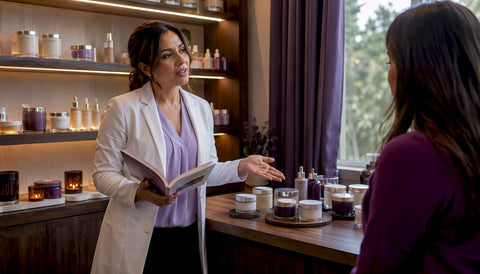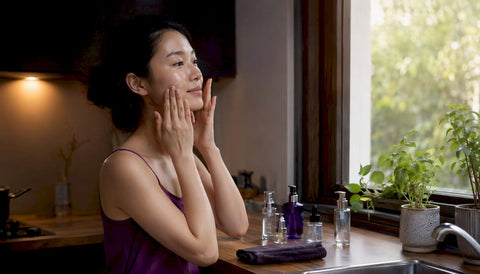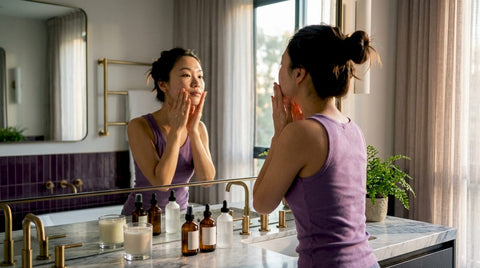
What is layering toners in Korean skincare?
Layering toners in Korean skincare means applying multiple thin, watery layers of hydrating toner to your skin, one pass at a time, rather than a single generous swipe. The technique is formally known as the 7-skin method, where “skin” is the Korean word for toner. You apply multiple light layers immediately after cleansing, letting each one absorb before adding the next. The goal is deep, lasting hydration and a plumper, dewier complexion.
Korean toners are built for this. Unlike many Western toners that historically focused on cleansing or oil control, Korean toners prioritize hydration and skin preparation. They are lightweight, gentle, and designed to be layered without heaviness or irritation.
Key aspects of the method at a glance:
- Apply several thin layers of a watery, hydrating toner right after cleansing
- Let each layer absorb fully before applying the next
- Use only gentle, alcohol-free, non-exfoliating toners
- Press toner into skin with clean hands rather than a cotton pad
- Seal the layers with a moisturizer when finished
What are the real benefits of layering hydrating toners?
The core benefit is deeper, more sustained hydration than a single toner application can deliver. Thin layers absorb more efficiently than one heavy coat, leaving skin plumper and more dewy without the sticky residue that thicker applications often leave behind.
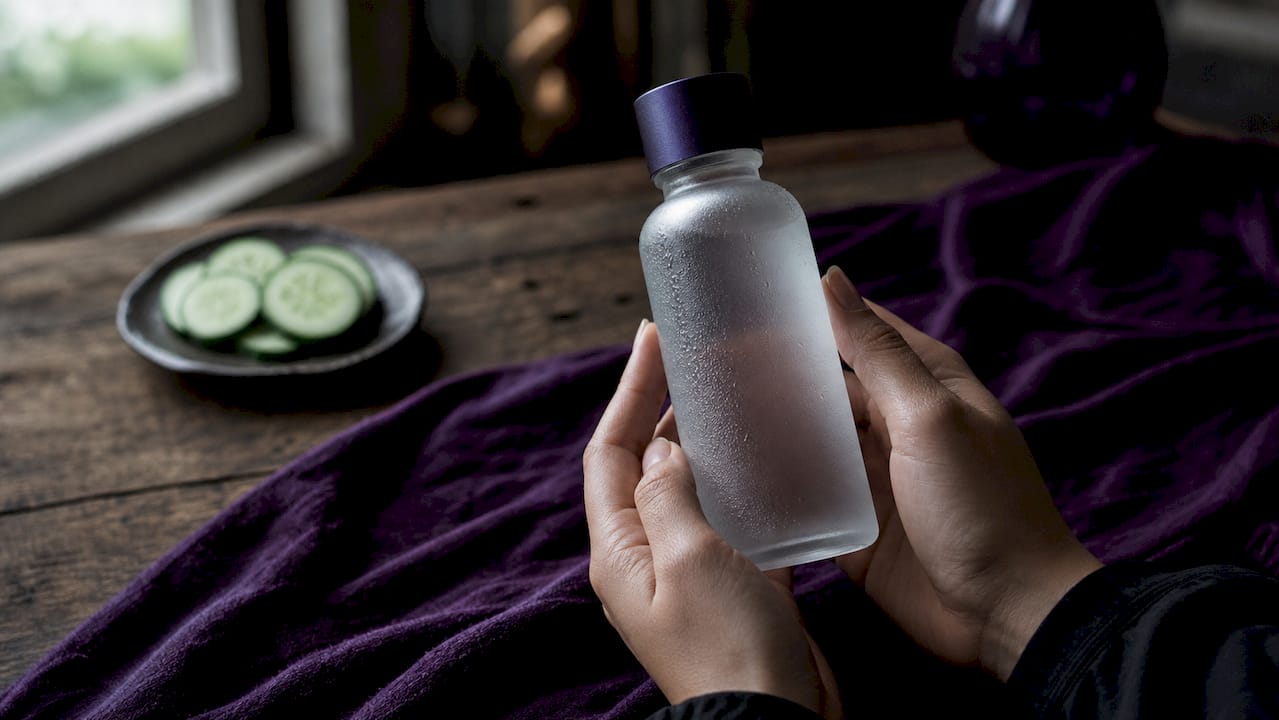
Beyond moisture, the method prepares your skin to absorb everything that follows. Serums, essences, and moisturizers all perform better on well-hydrated skin. Each thin layer of toner essentially primes the surface for the next product, so your entire routine becomes more effective.
Consistent layering also supports the skin barrier over time. Repeated, gentle hydration helps prevent transepidermal water loss, which reduces dryness, tightness, and the appearance of fine lines. Skin that stays consistently moisturized tends to look smoother and more even in texture.
Additional benefits include:
- Visibly plumper, more supple skin after each session
- A natural glow often described as “water glow” or glass skin finish
- Reduced sensitivity from a strengthened moisture barrier
- Customizable hydration: add more layers when skin feels dry, fewer when it does not
- Better performance from serums and moisturizers applied afterward
How to layer toners correctly in a Korean skincare routine
The technique is straightforward, but the details matter. Start with a thorough cleanse so your skin is free of sunscreen, makeup, and excess oil. Apply your first layer of toner to slightly damp skin, since layering works best on slightly damp skin and helps the product spread and absorb more easily.
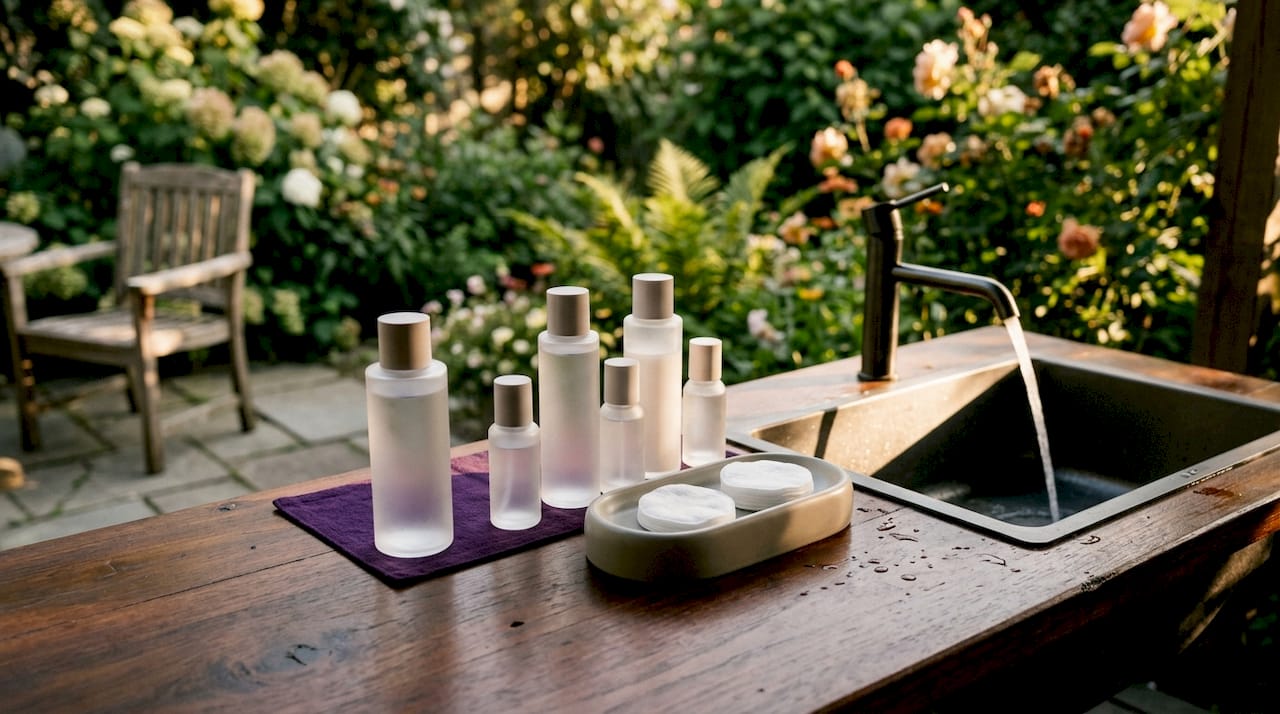
Press a small amount of toner into your skin using clean palms, patting gently rather than rubbing. Wait roughly 10–15 seconds for each layer to settle, then repeat. Most people benefit from a few layers on a typical day. You can add more when your skin feels particularly dry or after sun exposure.
Finish the routine with a moisturizer to seal everything in. Toner is water-based, and water-based hydration needs an occlusive or emollient layer on top to prevent evaporation.
Step-by-step summary:
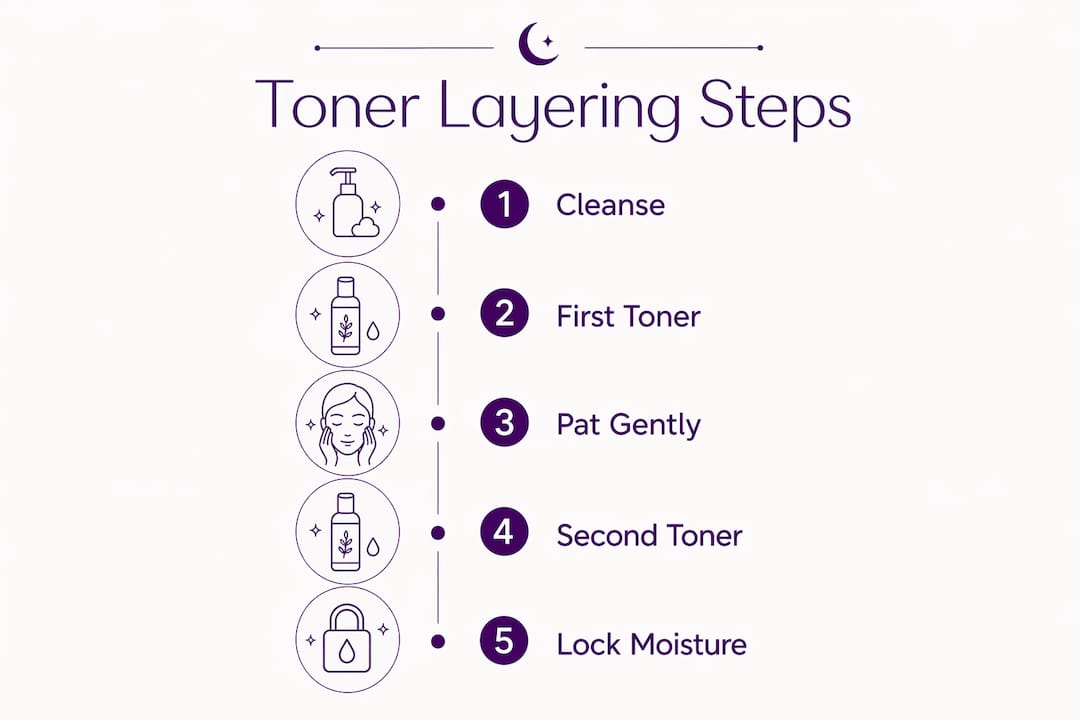
- Cleanse thoroughly and leave skin slightly damp
- Pour a small amount of toner into clean palms
- Pat gently into skin, covering the full face
- Wait 10–15 seconds and repeat for 3–7 layers
- Adjust the number of layers based on how your skin feels that day
- Apply moisturizer immediately after the final layer
Pro Tip: Skip the cotton pad for all but the first layer. Cotton pads absorb a significant amount of product and create friction that can irritate skin over time. Pressing toner in with clean hands improves absorption and protects your barrier.
Climate and skin type both influence how many layers you need. Dry indoor heat in winter often calls for more passes, while humid summer conditions may need only two or three. For oily or combination skin, a Korean layering approach for oily skin focuses on water-only hydration without adding oil, which keeps skin balanced rather than congested.
Which toner ingredients work best for layering, and which should you avoid?
Ingredient choice determines whether layering benefits or harms your skin. The best toners for this method are watery, fast-absorbing, and built around hydrating actives that penetrate well between passes.
Ingredients to look for:
- Low-molecular-weight hyaluronic acid: Absorbs quickly between layers and holds water deep in the skin. Low-molecular hyaluronic acid is the gold standard for this method.
- Mugwort extract: Soothing and anti-inflammatory, popular in Korean formulas for sensitive and reactive skin.
- Rice water: Brightening and gentle, with a long history in Korean skincare for improving texture and radiance.
- Heartleaf extract: Calming for acne-prone or easily irritated skin, pairs well with repeated application.
- Panthenol and ceramides: Support the moisture barrier and reduce irritation risk across multiple layers.
Ingredients to avoid:
- Alcohol denat (denatured alcohol, ethanol, SD alcohol): Drying and disruptive to the skin barrier, especially with repeated application.
- Synthetic fragrance: A common irritant that becomes more problematic the more times it contacts skin.
- AHAs and BHAs (glycolic acid, salicylic acid, lactic acid): Repeated exposure to exfoliating acids damages the skin barrier and causes irritation. These are not layering toners.
- Heavy, tacky formulations: Toners that feel thick or sticky do not absorb cleanly between layers and create buildup.
Warning: Layering a toner that contains exfoliating acids or alcohol is not the same as layering a hydrating toner. Repeated passes of a harsh formula will strip and sensitize your skin rather than hydrate it. Always check the ingredient list before applying any toner more than once per session.
Pro Tip: If you want to use both a hydrating toner and a mild exfoliating toner in your routine, use them on separate nights rather than layering them together. Dermatologist David Kim, MD, recommends rotating different toners rather than stacking multiple types in the same session.
For a deeper look at how hydrating ingredients like hyaluronic acid work across multiple application steps, the science behind water-binding actives explains why low-molecular formulas outperform standard ones in layering routines.
One more practical note: skin absorption has a ceiling. Experts note that after a few layers, your skin reaches saturation and additional passes deliver diminishing returns. Three to five layers covers most people’s needs. Layering beyond that point is mostly ritual, not additional benefit, so pay attention to how your skin feels rather than chasing a specific number.
For a full picture of how toner layering fits into a complete routine, the 10-step Korean skincare routine at Lunarashopping walks through every step in order.
Ready to build a routine around this technique? Lunarashopping’s morning face care sets include hydrating products selected to complement toner layering, so your skin stays moisturized and prepped from the first step to the last.
Key Takeaways
Layering hydrating toners in Korean skincare builds deeper moisture than a single application can, provided you use the right formula and respect your skin’s absorption limit.
| Point | Details |
|---|---|
| Core method | Apply multiple thin layers of watery, hydrating toner after cleansing, letting each absorb before the next. |
| Best ingredients | Low-molecular-weight hyaluronic acid, mugwort, rice water, and heartleaf extract absorb cleanly between layers. |
| Ingredients to avoid | Alcohol denat, synthetic fragrance, and exfoliating acids (AHAs/BHAs) cause irritation when layered repeatedly. |
| Application technique | Press toner in with clean hands rather than cotton pads to improve absorption and protect the skin barrier. |
| Seal with moisturizer | Always finish with a moisturizer to lock in the hydration built up through layering. |