Bifida Ferment Lysate is a postbiotic ingredient made from fermented Bifidobacterium that helps reinforce your skin barrier, calm oxidative stress, and make your skin more tolerant of active ingredients. It’s not a live probiotic and it’s not a trend claim. Research backs up three specific jobs it does well:
- Strengthens barrier proteins that keep moisture in and irritants out
- Neutralizes free radicals from pollution and UV exposure
- Generally plays well with retinol, AHAs, and BHAs without adding extra irritation
Key Takeaways
Bifida Ferment Lysate works by reinforcing skin barrier proteins and boosting the skin’s own antioxidant enzymes, based on dose-dependent in vitro evidence.
| Point | Details |
|---|---|
| It’s a postbiotic, not a probiotic | Live bacteria don’t survive preservation, so lysates deliver stable metabolites instead. |
| Barrier support is measurable | FLG, LOR, TGM1, and AQP3 gene activity all increased in keratinocyte studies. |
| Antioxidant action is dose-dependent | Radical scavenging and enzyme activity (CAT, GSH-Px) rose alongside lysate concentration. |
| Clinical evidence is still developing | Small trials show promise for acne and barrier repair, but larger studies remain limited. |
| Start with a serum or essence | Lunarashopping’s face care collection offers accessible entry points for testing postbiotic formulas. |
Table of Contents
- What Is Bifida Ferment Lysate, and Why Do Formulators Use It?
- How Bifida Ferment Lysate Works: Barrier, Antioxidant, and Calming Effects
- What the Research Actually Shows (and Where It’s Still Thin)
- How to Layer Bifida Ferment Lysate With Retinol and Acids
- Reading Labels: Where to Find Bifida Ferment Lysate and What to Look For
- Is Bifida Ferment Lysate Safe for Sensitive Skin?
- How Fermentation Turns Bacteria Into a Skincare Ingredient
- Bifida Ferment Lysate vs. Other Postbiotics and Probiotics
- Why Lunara Looks Past the Marketing Buzzwords
- Ready to Try a Postbiotic Serum? Start Here
- Frequently Asked Questions
- Sources
What Is Bifida Ferment Lysate, and Why Do Formulators Use It?
A “lysate” is what’s left after bacterial cells are broken open, releasing their internal contents: peptides, enzymes, sugars, and metabolic byproducts. The bacteria itself doesn’t survive. That’s the point. Live probiotics need refrigeration and can’t tolerate the preservatives that keep a jar of moisturizer shelf-stable for two years. Lysates solve that problem entirely.
Here’s what actually happens during formulation, in order:
- Bifidobacterium strains are fermented under controlled conditions.
- The bacterial cells are ruptured, releasing metabolites, cell wall fragments, and bioactive peptides.
- The mixture is filtered and stabilized into an ingredient formulators can add to a serum or cream that sits on a shelf for years.
This is also where cosmetic marketing gets sloppy. A jar labeled “probiotic” almost never contains live organisms. It typically contains a ferment or lysate, otherwise known as a postbiotic. A review of prebiotic, probiotic, and postbiotic use in skincare confirms that most topical “probiotic” products actually rely on these postbiotic forms because they’re dramatically more stable. Reading the INCI list for “ferment” or “lysate” tells you more than the marketing copy on the front of the bottle.
How Bifida Ferment Lysate Works: Barrier, Antioxidant, and Calming Effects
The clearest evidence comes from an in vitro study on skin cells (HaCaT keratinocytes), and the results explain why this ingredient shows up in barrier-repair formulas so often.
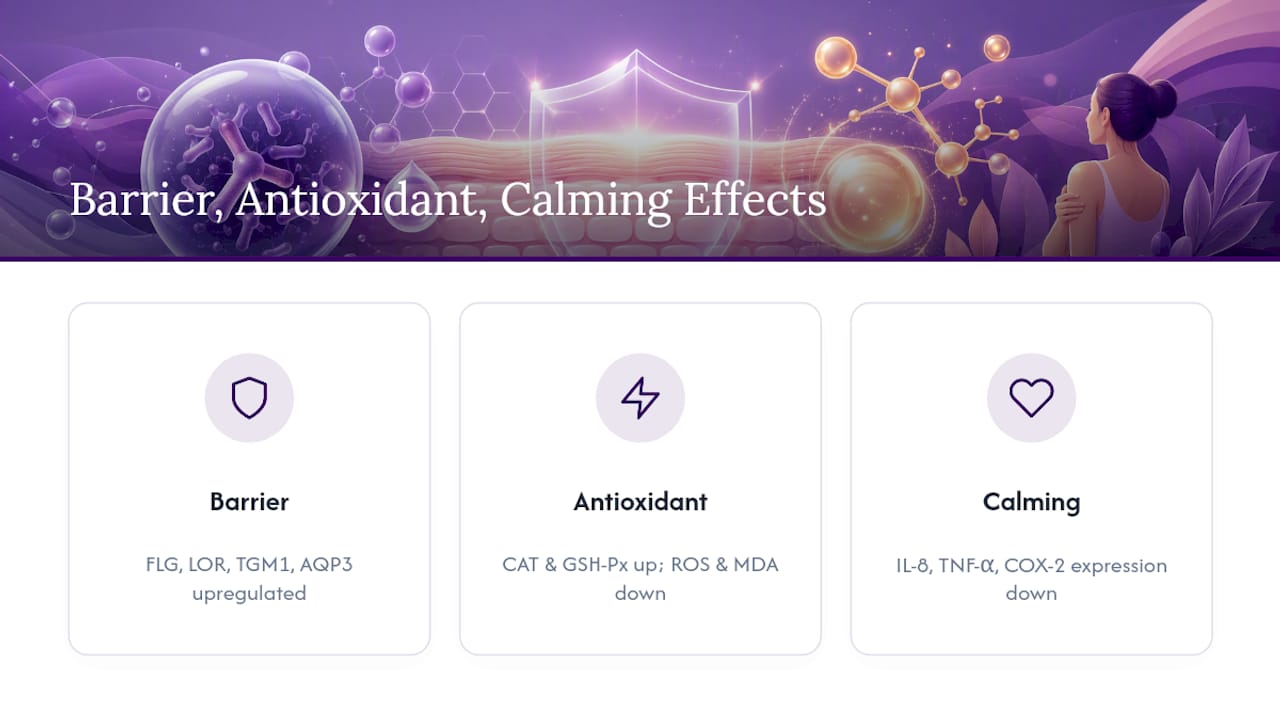
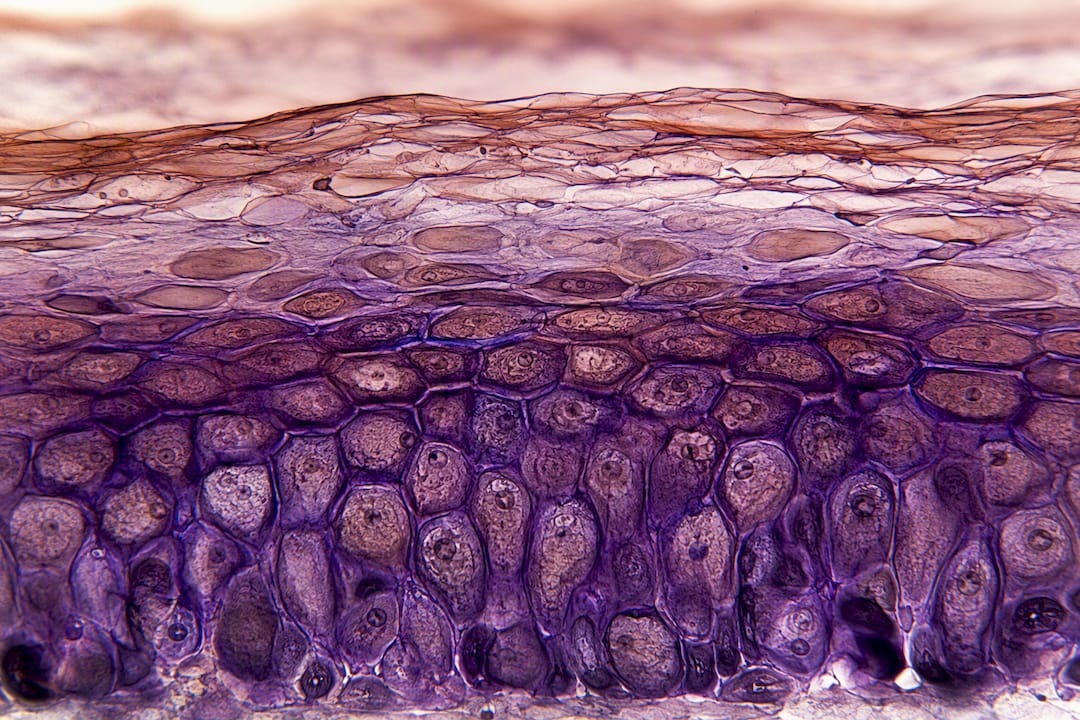
Barrier reinforcement. The lysate upregulated genes tied directly to skin barrier structure, including filaggrin (FLG), loricrin (LOR), transglutaminase 1 (TGM1), and aquaporin-3 (AQP3). These aren’t abstract lab terms. FLG and LOR build the structural “mortar” that holds skin cells together, while AQP3 regulates water transport into the outer skin layers. The study also measured a dose-dependent increase in actual FLG protein, not just gene activity. That matters for anyone dealing with dehydration or elevated transepidermal water loss (TEWL), since a stronger structural barrier holds moisture in more efficiently.
Antioxidant defense. The same research found dose-dependent radical scavenging across four different free radical types (DPPH, ABTS, hydroxyl, and superoxide), along with reduced intracellular reactive oxygen species (ROS) and malondialdehyde (MDA) in cells stressed with hydrogen peroxide. The lysate also boosted activity of the skin’s own antioxidant enzymes, catalase (CAT) and glutathione peroxidase (GSH-Px). In plain terms: it helps your skin’s natural defense system work harder against pollution and UV-driven damage, rather than just adding an external antioxidant on top.

Calming inflammation signals. Lower expression of inflammatory markers like IL-8, TNF-alpha, and COX-2 has been linked to postbiotic lysates in related research, which lines up with why these formulas often show up in products aimed at reactive or easily inflamed skin.
Set your expectations correctly here: this is a supportive, preventive ingredient. It works best with consistent use over weeks, not as a rescue treatment for an active flare.
What the Research Actually Shows (and Where It’s Still Thin)
The strongest data point so far: Bifida Ferment Lysate produced measurable, dose-dependent increases in filaggrin protein and antioxidant enzyme activity in human keratinocyte cell models, alongside reduced markers of oxidative stress.
That quote summarizes the core finding from the pivotal in vitro study, and it’s genuinely solid lab evidence. But lab cells in a dish aren’t the same as skin on your face, and it’s worth being honest about the gap.
- In vitro data (cell cultures) shows clear mechanistic effects on barrier genes and antioxidant enzymes.
- Clinical signals exist for related postbiotic formulations improving acne and barrier measures in small trials, but sample sizes tend to be modest and larger randomized controlled trials remain limited.
- A broader review of postbiotic approaches in dermocosmetics points out that the field still lacks standardized testing and consistent labeling across brands.
- Topically, Bifida Ferment Lysate is generally well tolerated, though reactions can still come from other ingredients in a formula, particularly preservatives.
What this reasonably supports: barrier support and antioxidant activity have real mechanistic backing. What’s still uncertain: how those cell-level effects translate into precise, quantified outcomes on human skin over months of use. Patch testing any new product, especially one layered with other actives, remains smart practice regardless of how promising the ingredient itself is.
How to Layer Bifida Ferment Lysate With Retinol and Acids
Most Bifida Ferment Lysate products come as essences or serums, and they fit into your routine right after cleansing and before heavier creams. A simple order looks like this:
- Cleanser
- Toner or hydrating mist, if you use one
- Bifida Ferment Lysate essence or serum
- Treatment actives (retinol, vitamin C, or exfoliating acids)
- Moisturizer to lock everything in
Because the lysate supports barrier function rather than exfoliating or resurfacing, it doesn’t compete with retinoids or acids for the same job. If anything, a stronger barrier tends to make those harsher actives more tolerable, which is why you’ll often see postbiotic ferments included in formulas built specifically for sensitized or over-exfoliated skin.
Pro Tip: When introducing retinol alongside a new Bifida Ferment Lysate product, start on alternate nights for the first two weeks so you can tell which ingredient is responsible if any irritation shows up.
Look for formulas where “ferment” or “lysate” sits high on the ingredient list, not buried near the preservatives. A product that pairs the lysate with humectants like hyaluronic acid or glycerin tends to deliver more noticeable hydration and barrier benefits than a low-concentration afterthought version.
Reading Labels: Where to Find Bifida Ferment Lysate and What to Look For
You’ll find this ingredient most often in three formats: lightweight essences (a K-beauty staple), serums, and richer creams or sleeping masks aimed at barrier repair. On an ingredient list, look for “Bifida Ferment Lysate,” sometimes shortened to “Bifida ferment” or listed alongside other fermented filtrates.
A few things separate a well-formulated product from a weak one:
- Complementary ingredients like panthenol, niacinamide, and hyaluronic acid tend to amplify barrier and hydration benefits rather than compete with them.
- Encapsulation or stabilized delivery systems, mentioned in reviews of postbiotic delivery strategies, can improve how well the active ingredients actually perform once applied.
- Oily or acne-prone skin generally does better with a light, water-based serum or essence.
- Dry or sensitive skin often responds better to a cream or richer essence that pairs the lysate with occlusive or emollient ingredients.
If you’re rebuilding a routine around barrier repair, our guide on Korean acne care best practices walks through how to sequence these formats without overloading your skin.
Is Bifida Ferment Lysate Safe for Sensitive Skin?
Bifida Ferment Lysate has a strong track record of tolerability, and it’s frequently included in products specifically formulated for reactive or compromised skin. The lysate itself isn’t a common irritant, and its mechanism, supporting barrier proteins and reducing oxidative markers, is the opposite of what triggers most sensitivity reactions.
That said, “generally well tolerated” isn’t the same as “risk-free for everyone.” A few considerations matter if your skin reacts easily:
Formulation context counts more than the lysate itself. Fragrance, essential oils, alcohol-based bases, or certain preservatives in the surrounding product are far more likely culprits than the postbiotic ingredient. If you react to a Bifida Ferment Lysate serum, check the rest of the ingredient list before ruling out the postbiotic, and consider your skin’s unique needs within the context of different skin type categories and aesthetic treatments.
Concentration and formulation quality vary between brands, and there’s no industry standard yet dictating minimum effective levels. A review of postbiotic standardization in dermocosmetics notes this labeling inconsistency directly, which means two products both listing “Bifida Ferment Lysate” high on their INCI can still perform very differently.
If you have a diagnosed skin condition like eczema or rosacea, or you’re currently dealing with a compromised barrier from over-exfoliation, introduce any new product gradually. Apply a small amount to your inner forearm or jawline for two to three nights before working it into your full routine. This is standard practice for any active ingredient, and it applies here too, even with a track record this clean.
How Fermentation Turns Bacteria Into a Skincare Ingredient
The fermentation process behind Bifida Ferment Lysate starts with cultivating Bifidobacterium strains, the same genus found naturally in the human gut microbiome, in a controlled nutrient medium. Manufacturers feed the bacteria a growth substrate, often a sugar or plant-derived medium, and let fermentation run under monitored temperature and pH conditions until the culture reaches peak metabolic activity.
At that point, the bacteria have produced a rich mix of byproducts: organic acids, peptides, enzymes, and polysaccharides, all generated as part of normal bacterial metabolism. This is the same basic principle behind kombucha or yogurt fermentation, just redirected toward cosmetic chemistry instead of food.
The next step is lysis, where the bacterial cell walls are deliberately ruptured. This releases everything inside the cell, including cytoplasmic contents and cell wall fragments, into the surrounding liquid. The resulting mixture, now free of living organisms, gets filtered to remove solid debris and then stabilized for use in a formula.
This process is why the ingredient survives in a preserved skincare product for years without needing refrigeration. Live bacteria couldn’t survive standard cosmetic preservative systems long enough to matter. A review of probiotic and postbiotic dermocosmetic strategies points out that this shelf stability is precisely why the industry shifted toward postbiotic ferments and lysates instead of trying to formulate with live strains, and newer techniques like encapsulation are now being explored to preserve even more of the lysate’s original bioactivity through the manufacturing and shelf-life process.
Bifida Ferment Lysate vs. Other Postbiotics and Probiotics
Not all postbiotic ingredients behave the same way, even though they get lumped under one marketing umbrella. Bifida Ferment Lysate has one of the more substantial evidence bases specifically tied to barrier gene expression and antioxidant enzyme activity, thanks to the detailed in vitro work already discussed. Other common fermented ingredients, like Lactobacillus ferment filtrate or various yeast ferments, show overlapping but not identical benefits, often leaning more heavily toward hydration or soothing rather than the specific barrier-protein upregulation seen with Bifida strains.
Live probiotic skincare, meanwhile, is largely a formulation dead end for shelf-stable products. A review of the skin microbiome’s role in cosmetic science explains that live strains require conditions, refrigeration, minimal preservatives, short shelf life, that clash with how most skincare gets manufactured, shipped, and stored. That’s the real reason postbiotics dominate this category, not just marketing convenience.
Where Bifida Ferment Lysate tends to stand out is in dual-action support: it’s simultaneously working on barrier structure and free radical defense, rather than specializing in just one lane. If you’re comparing labels, an ingredient list that pairs Bifida Ferment Lysate with a defined delivery system, rather than just tossing it in at a low percentage, is more likely to perform closer to what the research actually demonstrates.
Why Lunara Looks Past the Marketing Buzzwords
We choose postbiotic formulas based on ingredient transparency, how well Bifida Ferment Lysate is positioned on the INCI list, and how it’s paired with complementary actives. Formulation synergy and real tolerability data matter more to us than a “probiotic” label slapped on the front of a bottle.
Ready to Try a Postbiotic Serum? Start Here
If you’re ready to add a Bifida Ferment Lysate product to your routine, the easiest entry point is a gentle serum or essence, not a heavy cream packed with a dozen other actives you haven’t tested yet. That keeps your patch test clean and makes it obvious what’s working.
Browse our full face care collection to compare formats, from lightweight essences to richer barrier creams, and see which pairing fits your current routine. If you’d rather not guess at combinations, the Morning Face Care Routine Set bundles a sequence that’s already built to layer correctly, which takes the guesswork out of pairing a new postbiotic serum with your existing actives. And if your skin needs something more specific, like extra support alongside acne treatment or heavy exfoliation, the Custom Skincare Kit Builder lets you assemble a set matched to your exact skin concerns and current products. Start with one new serum, patch test it for a few nights, and build from there.
Frequently Asked Questions
Is Bifida Ferment Lysate the same as a probiotic? No. It’s a postbiotic, meaning the bacteria are fermented and then broken open (lysed) so no live organisms remain in the final product. Most cosmetic “probiotic” claims actually refer to this postbiotic form.
Can I use Bifida Ferment Lysate with retinol? Yes, generally. Its barrier-supporting mechanism tends to make retinol more tolerable rather than causing conflict, though starting on alternate nights is a smart way to introduce both together.
How long before I notice results from Bifida Ferment Lysate? Consistent use over several weeks is typical, since the ingredient works by supporting ongoing barrier repair and antioxidant defense rather than delivering an immediate visible change.
Does Bifida Ferment Lysate help with acne? Clinical signals suggest benefits for barrier function and mild to moderate acne, though larger randomized trials are still limited. It’s best viewed as supportive rather than a standalone acne treatment.
What does “ferment lysate” mean on an ingredient label? It means the bacterial strain was fermented, then the cells were ruptured to release their beneficial contents. This process, not the strain’s name, is what makes the ingredient shelf-stable in your skincare product.
Sources
- The pivotal role of Bifida Ferment Lysate on reinforcing the skin barrier function and maintaining homeostasis of skin defenses in vitro
- The Skin Microbiome Revolution: The Science and Challenges of Prebiotics, Probiotics, and Postbiotics in Skincare
- Probiotic and Postbiotic Approaches in Modern Dermocosmetics
- Pooled findings across postbiotic trials showing clinical signals for acne and barrier improvement