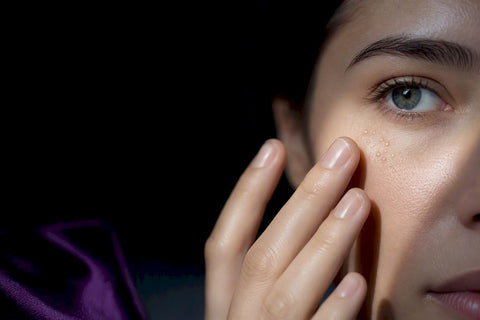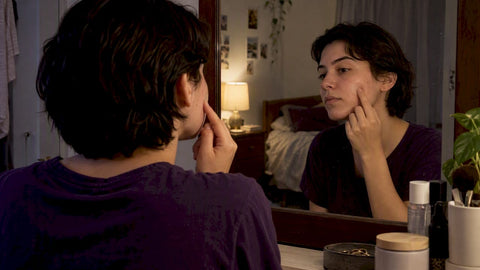
Pimple patches are hydrocolloid stickers designed for open or oozing spots and surfaced whiteheads. Cleanse your face, pat it fully dry, press a patch firmly over the blemish, and leave it in place for several hours until it turns opaque. According to the Cleveland Clinic, this simple routine helps absorb fluid, protect the area, and calm redness while you sleep or go about your day.
TL;DR:
- Pimple patches work best on open or whiteheaded blemishes that contain fluid for absorption, while they are less effective on deep or cystic pimples.
- Proper skin preparation, such as cleansing and drying the skin thoroughly, is essential for the patch to adhere effectively and function properly.
- Overnight wear allows for maximum absorption, but patches can also be worn during the day using thin, low-profile options; avoid applying makeup directly over patches.
- Do not keep patches on continuously for several days, as it increases the risk of skin maceration, and replace them once they turn white or edges lift.
- Use medicated patches with caution, especially on reactive skin, and always follow safety guidelines to prevent irritation or infection.
Table of Contents
- Step-by-step application: prepare, apply, press, and remove
- When to use pimple patches on different blemish types
- Day vs. night and wearing pimple patches under makeup
- How long to leave patches on and when to replace them
- Aftercare and how to fit patches into your routine
- Risks, sensitivity concerns, and expert caution
- Choosing and storing pimple patches the smart way
- Where to find patches and gentle skincare that supports them
- Sources
- FAQ
Step-by-step application: prepare, apply, press, and remove
Getting a patch to stick and actually work comes down to preparation more than the patch itself. Skip a step and you risk poor adhesion or reduced absorption.
- Wash your hands, then cleanse your face with a gentle cleanser to remove oil, makeup, and debris.
- Pat the skin dry with a clean towel and wait two to three minutes so no moisture remains on the surface.
- Peel the patch from its backing using clean fingers or tweezers, touching only the edges and never the adhesive center.
- Center the patch directly over the blemish and press firmly for 10 to 15 seconds so the edges seal against your skin.
- Smooth the border with a fingertip to prevent lifting, especially near the jaw or hairline where fabric or hair can catch it.
- Leave the patch undisturbed for the recommended wear time, then peel it off slowly in a direction parallel to your skin.
- Rinse the treated area gently once the patch is removed.
A patch that has done its job usually turns white or opaque, and the lesion underneath often looks flatter and less inflamed. That color change reflects the fluid the hydrocolloid material has drawn out, which is the same wound-care mechanism dermatologists use for minor cuts and blisters.
Pro Tip: Apply the patch as the very last step in your routine, after any toner or serum has fully absorbed, since leftover product on the skin weakens the adhesive.
When to use pimple patches on different blemish types
Not every bump on your face benefits from a patch, and knowing the difference saves you time and skin.
- Open or oozing pimples respond well because the hydrocolloid absorbs fluid and shields the wound from bacteria and friction.
- Popped pimples and surfaced whiteheads are ideal candidates since there is visible fluid or a head for the patch to draw from.
- Closed, deep, or cystic bumps see limited benefit because there is nothing on the surface for the patch to absorb, and the Cleveland Clinic advises against relying on patches for severely inflamed or infected lesions.
- Medicated patches containing salicylic acid or tea tree oil can speed things along for tougher spots, but they carry a higher chance of irritation on reactive skin than plain hydrocolloid.
If a blemish feels hard, deep, and painful rather than surfaced, a patch is not the right tool, and a broader acne routine or a dermatologist’s input serves you better.
Day vs. night and wearing pimple patches under makeup
Overnight wear gives a patch the longest, most uninterrupted stretch of time to absorb fluid, which is why many people reserve patches for nighttime use. Daytime wear works too, but it asks more of you.
- Choose thinner, low-profile patches for daytime so they sit flatter under clothing, glasses, or hair.
- Check adhesion after sweating, exercise, or touching your face, since heat and moisture can loosen the edges.
- Apply the patch before any makeup, letting it seal fully before you touch the area again.
- Keep foundation, concealer, or powder to a light touch around the patch rather than layering directly on top of it.
A matte, skin-toned patch blends in reasonably well under makeup, though the edges may still catch the light at certain angles.
How long to leave patches on and when to replace them
Most patches need several hours to do meaningful work, and overnight wear is typical for deeper absorption. Watch the patch rather than the clock: once it turns cloudy white or the edges start lifting, its job is finished. Replace a saturated patch with a fresh one if the blemish still needs coverage, but avoid keeping skin under continuous occlusion for several days in a row, since that raises the risk of maceration and softened, irritated skin.

Aftercare and how to fit patches into your routine
Once you peel off a patch, cleanse the area gently and pat it dry rather than rubbing. Give your skin a window before reintroducing anything potent.
- Wait some time before applying retinol, strong acids, or benzoyl peroxide to the same spot to avoid stacking irritation on already-sensitive skin.
- Apply a light, fragrance-free moisturizer if the area feels tight or dry after patch removal.
- Treat the patch as the final step in your routine, placed only after your other products have absorbed.
For a full nighttime sequence that fits patches in without disrupting the rest of your skincare, LunaraShopping’s night skincare routine checklist walks through the order that works best.
Risks, sensitivity concerns, and expert caution
Wearing a patch too often on the same spot, night after night, can soften the skin barrier and lead to maceration rather than faster healing. Licensed estheticians generally recommend starting with a plain, non-medicated hydrocolloid patch to test how your skin reacts before moving to a medicated version, since added actives like salicylic acid can irritate sensitive or reactive skin.
Strategic, occasional patching supports healing better than continuous, all-day coverage on the same blemish.
Watch for red flags: increasing pain, spreading redness, warmth, or fever point to a possible infection that a patch will not resolve, and that calls for a clinician rather than another sticker.
Pro Tip: If you’re recovering from a recent cosmetic procedure or have unusually reactive skin, a partner guide on pre-treatment skin prep offers useful groundwork on gentle skin handling.
— Lunara
Choosing and storing pimple patches the smart way
Start simple: a plain hydrocolloid patch in a couple of sizes covers most surfaced blemishes without added risk. Check the ingredient list before buying a medicated version, and keep patches in a cool, dry place away from humidity, which can weaken the adhesive over time. Never reuse a patch once it’s been worn, and check the expiration date before opening a new box. For more on layering patches into a full acne-care approach, LunaraShopping’s Korean acne care guide covers gentle routines that pair well with spot treatment.

Where to find patches and gentle skincare that supports them
You don’t need a complicated routine to get good results from a pimple patch, just clean skin, the right timing, and products that won’t fight against what the patch is doing. LunaraShopping’s Face Masks and Face Care collections include hydrocolloid options in multiple sizes with ingredient lists listed on each product page, so you can match patch size to blemish size and confirm whether a formula is medicated before you buy.

- Compare patch sizes and ingredient panels directly on each product page before adding to cart.
- Pair a patch with a gentle option from Face Cleansers & Scrubs to avoid over-stripping skin around a healing spot.
- Build a full routine around your patches with the Custom Skincare Kit Builder.
Browse the Face Care collection to find a patch that fits your skin and get it added to your next order.
Sources
FAQ
Should I pop my pimple before applying a patch?
Popping isn’t necessary, and doing it incorrectly can push bacteria deeper into the skin. A patch works well on a pimple that has already surfaced or opened naturally, so it’s generally safer to let a whitehead come to a head on its own.
Do pimple patches work on pimples that haven’t been popped?
They offer less benefit on a closed, unpopped bump since there’s little surface fluid for the hydrocolloid to absorb. Patches perform best on lesions that are already open, oozing, or have a visible white head, according to Cleveland Clinic guidance.
How long should I leave a pimple patch on?
Most patches need several hours to do meaningful work, and overnight wear is typical for deeper absorption. Replace the patch once it turns opaque or the edges start to lift.
Should I put a pimple patch on before or after a face mask?
Apply your face mask first, then cleanse and dry the treated area before placing the patch as your final step. Putting a patch on before a mask traps moisture and product residue underneath it, which weakens adhesion and reduces how well it absorbs fluid.