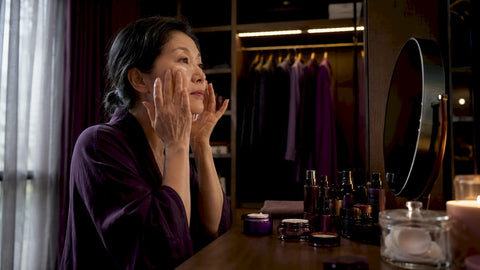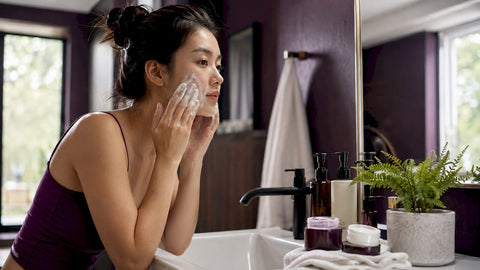
Korean acne care best practices are defined by one core principle: support your skin, don’t fight it. Where many Western acne treatments rely on aggressive drying agents and high-pH cleansers, the K-beauty approach, championed by experts like Charlotte Cho and dermatologist Jane Yoo MD, centers on gentle cleansing, layered hydration, and barrier protection. This listicle breaks down the most effective practices from Korean skincare routines so you can build a personalized, evidence-backed approach to treating acne without wrecking your skin in the process.
1. Start with a low-pH cleanser to protect your acid mantle
The single most important step in any Korean skincare routine for acne is using a low-pH cleanser. The skin’s acid mantle sits at a natural pH of around 4.5–6.0, and cleansers that fall outside this range disrupt it, triggering excess sebum and inflammation. Most bar soaps and many drugstore face washes sit at a pH of 9 or higher, which is why they leave your skin feeling tight and reactive.
Choosing a gentle, water-based cleanser in the 4.5–6.0 pH range keeps your barrier intact. That means fewer breakouts triggered by irritation rather than clogged pores. Look for cleansers labeled “low pH” or check independent pH testing resources before committing to a product.
- Avoid cleansers with alcohol listed in the first five ingredients
- Skip foaming cleansers with sodium lauryl sulfate if your skin is sensitive
- Rinse with lukewarm water, never hot, to avoid stripping natural oils
Pro Tip: Use pH testing strips on your current cleanser. If it reads above 6.5, that product alone may be worsening your breakouts.
2. Double cleanse every evening without skipping the oil step
Double cleansing is a non-negotiable evening step in Korean acne care, even for oily skin. An oil-based cleanser dissolves sunscreen, sebum, and makeup far more effectively than a water-based cleanser alone. Skipping it means your second cleanser is working against a layer of residue, which clogs pores and feeds breakout-causing bacteria.
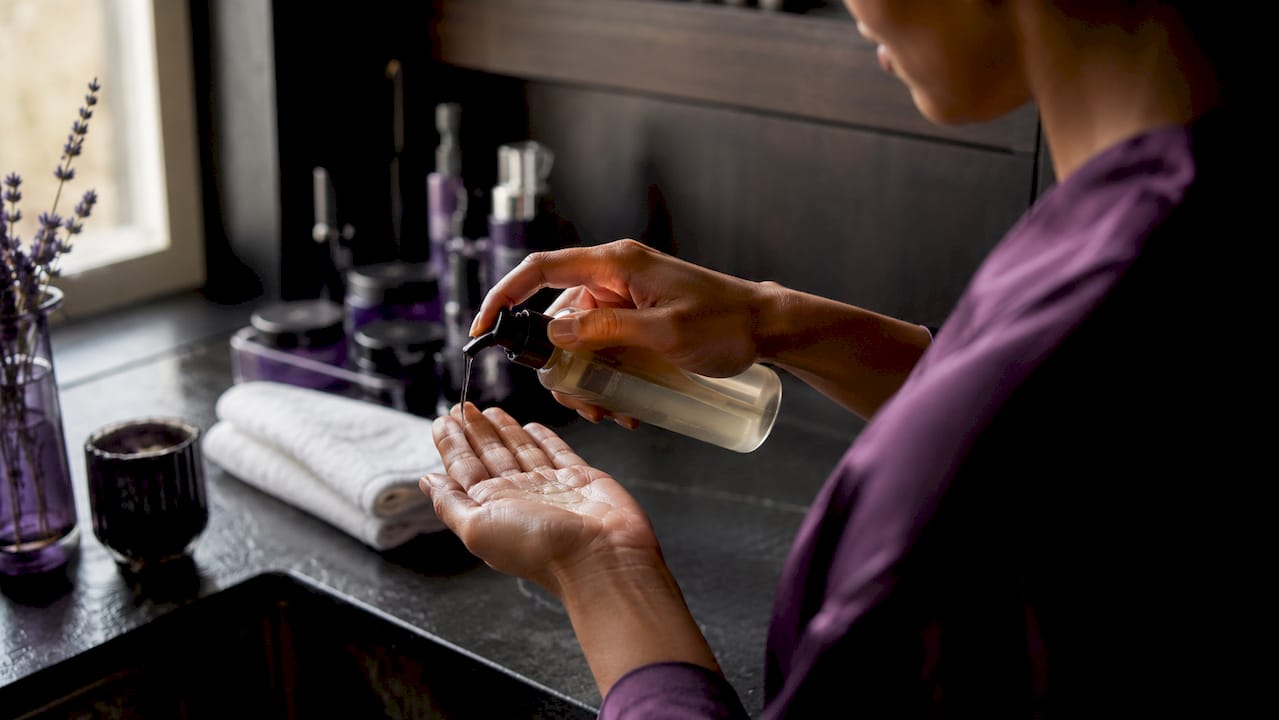
The key is choosing a lightweight, non-comedogenic oil cleanser. Formulas with mineral oil or heavy plant oils can clog pores, so look for options with jojoba, squalane, or cleansing oils specifically labeled for acne-prone skin. Rinse the oil cleanser thoroughly before applying your water-based cleanser.
Over-cleansing or using harsh cleansers damages the skin barrier and paradoxically increases oil production. That means twice daily cleansing is the ceiling, not the floor. Morning cleansing with water or a very gentle low-pH wash is enough for most people with acne-prone skin.
Pro Tip: If your skin feels squeaky clean after washing, that’s a warning sign. Healthy skin should feel comfortable and slightly dewy, not tight.
3. Use hydrating toners and essences to prevent oil overproduction
Dehydrated skin triggers excess sebum production, which directly worsens acne. Lightweight, oil-free moisturizers and hydrating toners address this cycle by replenishing water content in the skin without adding pore-clogging ingredients. This is the step most people with oily or acne-prone skin skip, and it’s often the reason their skin never fully clears.
Korean toners are not the astringent, alcohol-heavy products common in Western routines. They are thin, watery hydrators applied by patting gently into the skin after cleansing. Essences follow, adding another concentrated layer of hydration and skin-communicating ingredients.
- Look for toners with hyaluronic acid, glycerin, or beta-glucan
- Apply toner by pressing it into skin with your palms, not wiping with a cotton pad
- Layer two to three thin applications of toner (the “7 skin method”) for deeper hydration on dry days
Pro Tip: If your skin feels oily by midday, the problem is often dehydration, not excess oil. Try adding a hydrating toner before your moisturizer for one week and observe the difference.
4. Prioritize soothing botanicals like Centella asiatica and mugwort
Centella asiatica and mugwort are two of the most researched soothing ingredients in K-beauty for blemishes. Centella asiatica, commonly called cica, reduces redness and supports wound healing, making it ideal for active breakouts and post-acne marks. Mugwort carries traditional antibacterial and anti-inflammatory properties that calm irritated, congested skin.
Both ingredients appear across toners, essences, serums, and sheet masks in the Korean beauty market. They work best when used consistently rather than as emergency spot treatments. Niacinamide is a third ingredient worth adding: it regulates sebum, reduces hyperpigmentation from old blemishes, and strengthens the skin barrier simultaneously.
These botanicals represent a fundamentally different approach to acne care ingredients. Rather than killing bacteria aggressively, they calm the inflammatory response that makes breakouts red, swollen, and slow to heal. That distinction matters for long-term skin health.
5. Introduce chemical exfoliants gradually and choose the right type
Chemical exfoliation is where Korean acne treatment tips diverge most sharply from Western approaches. K-beauty favors gentle keratolytic exfoliants over physical scrubs and high-concentration peels. The three main categories each suit different skin needs.
| Exfoliant type | Mechanism | Best for | Suggested frequency |
|---|---|---|---|
| PHA (gluconolactone) | Loosens dead skin cells at the surface | Sensitive, acne-prone skin | Daily or every other day |
| BHA (salicylic acid, willow bark) | Penetrates pores to dissolve sebum and debris | Oily, congested skin | 2–3 times per week |
| AHA (glycolic, lactic acid) | Dissolves bonds between dead skin cells | Dull skin with post-acne marks | 1–2 times per week |
PHAs like gluconolactone and willow bark extract (a natural BHA derivative) provide effective exfoliation without disrupting the skin barrier. They are the safest starting point if you are new to chemical exfoliants or have reactive skin.
Never layer multiple exfoliants in the same routine. Mixing a BHA serum with an AHA toner in one session increases irritation risk significantly. Start with one exfoliant, use it two to three times per week, and assess your skin’s response before adding anything else.
6. Respect the 4–6 week adjustment period for new actives
New active ingredients require a 4–6 week adjustment period before you can accurately judge whether they are working. During this window, some people experience purging: a temporary increase in breakouts as the skin accelerates its cell turnover cycle. Purging is not a product failure. Stopping too early is one of the most common mistakes in Korean acne care.
Purging looks like breakouts appearing in areas where you already get acne, typically small whiteheads or pimples that resolve faster than usual. An adverse reaction, by contrast, involves new breakout locations, persistent redness, or burning. Knowing the difference saves you from abandoning products that would have worked.
Patience is a core value in the Korean skincare philosophy. Sustainable acne improvement happens over months, not days. Tracking your skin with weekly photos helps you see gradual progress that daily observation misses.
7. Apply products with gentle patting, not rubbing
Application technique directly affects how well your products work and how much irritation you cause. Rubbing products into skin creates friction that aggravates active breakouts and can spread bacteria. The Korean method calls for pressing and patting products into the skin using your fingertips or palms.
This technique also improves absorption. Patting warms the product slightly and encourages it to sink into the skin rather than sitting on the surface. It is especially important with toners, essences, and serums, where the goal is deep hydration rather than surface coverage.
The same principle applies to cleansing. Use circular motions with light pressure, and never scrub with a washcloth. A soft silicone cleansing brush used gently is acceptable, but most dermatologists recommend clean hands as the safest tool for acne-prone skin.
8. Use pimple patches as targeted spot treatment
Pimple patches are one of the most practical tools in K-beauty for blemishes. They cushion active breakouts, absorb excess fluid, and create a protective barrier that prevents picking and secondary infection. Hydrocolloid patches, the most common type, visibly draw out pus and reduce swelling overnight.
Apply a patch to a clean, dry blemish before your other products. Leave it on for at least six hours, or overnight for best results. Microneedle patches, a newer format, deliver active ingredients like salicylic acid or niacinamide directly into the blemish for faster resolution.
Pimple patches also serve a behavioral function. They make it physically harder to touch or pick at a blemish, which is one of the leading causes of post-acne scarring and hyperpigmentation. That protective role alone makes them worth keeping in your routine.
9. Customize your routine length to your skin’s actual needs
The 10-step Korean routine is a philosophy, not a prescription. Most people with acne-prone skin do well with 3–5 targeted steps rather than a full 10-step protocol. Adding too many products at once makes it impossible to identify what is helping or causing a reaction.
A practical starting point for acne-prone skin looks like this: low-pH cleanser, hydrating toner, treatment serum (BHA or niacinamide), lightweight gel moisturizer, and SPF in the morning. Evening adds an oil cleanser before the water-based step and can include a chemical exfoliant two to three nights per week. You can explore the full 10-step Korean skincare routine once your skin is stable and you understand how it responds to each layer.
10. Never skip SPF, especially when using active treatments
Sun protection is the most underrated acne treatment tip in any skincare routine. Active ingredients like BHAs, AHAs, and niacinamide increase photosensitivity, meaning unprotected sun exposure will worsen post-acne hyperpigmentation and slow healing. Korean sunscreens are formulated to be lightweight and non-comedogenic, making them far more compatible with acne-prone skin than many Western SPF products.
Choose a mineral or hybrid SPF 30 or higher with a gel or fluid texture. Avoid sunscreens with heavy silicones or occlusive emollients that can clog pores. Reapply every two hours if you are outdoors. SPF is not optional when you are actively treating acne with exfoliants or brightening serums.
Key takeaways
Korean acne care works because it protects the skin barrier, hydrates consistently, and uses targeted gentle actives rather than stripping or over-treating.
| Point | Details |
|---|---|
| Low-pH cleansing is foundational | Use a cleanser in the 4.5–6.0 pH range to protect your acid mantle and prevent excess oil. |
| Hydration prevents breakouts | Dehydrated skin overproduces sebum; lightweight toners and gel moisturizers break that cycle. |
| Choose exfoliants by skin type | PHAs suit sensitive skin daily; BHAs work best for oily, congested skin two to three times per week. |
| Respect the adjustment period | Allow 4–6 weeks before judging any new active ingredient, and distinguish purging from a true reaction. |
| Customize your step count | A 3–5 step routine tailored to your skin outperforms a rigid 10-step protocol applied without intention. |
What I’ve learned from watching Korean acne care work where Western methods failed
I’ve seen the same pattern repeat itself. Someone comes in frustrated after years of benzoyl peroxide washes, harsh toners, and prescription retinoids that left their skin raw and still breaking out. They switch to a gentle Korean routine, and within two months their skin is calmer than it has been in years. The breakouts don’t disappear overnight, but the constant inflammation does.
The insight that changed how I think about acne care is this: most acne-prone skin is also compromised skin. Aggressive treatments compound the problem by destroying the barrier that keeps irritants out and moisture in. Korean skincare, as detailed in resources like gentle Korean formula guides, treats the barrier as an asset to protect, not an obstacle to strip away.
The other thing I’d tell anyone starting this approach: stop measuring success in days. Korean acne care is a long-term investment in skin health. The 4–6 week adjustment window is real, and the patience it requires is part of the practice. Consistency with a simple, well-chosen routine will outperform any aggressive protocol you can’t sustain.
— Lunara
Build your Korean acne care routine with Lunarashopping
Lunarashopping curates Korean skincare products specifically chosen for their gentle, effective formulations. Whether you are looking for a low-pH cleanser, a niacinamide serum, or a full starter kit, every product in the collection is selected with barrier health and blemish control in mind.
The Korean Glass Skin Routine Bundle brings together the core steps of a hydrating, acne-friendly routine in one curated set. If you prefer to build your own protocol, the custom skincare kit builder lets you select products matched to your skin type, concerns, and budget. Start with what your skin actually needs, and add layers as your routine stabilizes.
FAQ
What pH should my cleanser be for acne-prone skin?
Your cleanser should fall in the 4.5–6.0 pH range to preserve the skin’s acid mantle. Cleansers above this range disrupt the barrier and can worsen oil production and breakouts.
Do I need to double cleanse if I don’t wear makeup?
Yes. Oil-based cleansers remove sunscreen and excess sebum that water-based cleansers cannot dissolve effectively. Skipping this step leaves residue that contributes to clogged pores.
How do I know if my skin is purging or reacting badly to a new product?
Purging appears in your usual breakout zones and resolves faster than a typical pimple, usually within the 4–6 week adjustment period. A true adverse reaction involves new breakout locations, persistent burning, or spreading redness.
Can oily skin skip moisturizer in a Korean acne routine?
No. Dehydrated skin overproduces sebum, which worsens acne. A lightweight, oil-free gel moisturizer replenishes water content without adding pore-clogging ingredients.
How many steps does a Korean acne routine actually need?
A 3–5 step routine is enough for most people with acne-prone skin. The 10-step Korean routine is a flexible philosophy, not a fixed requirement, and fewer targeted steps often produce better results than a full protocol applied without customization.