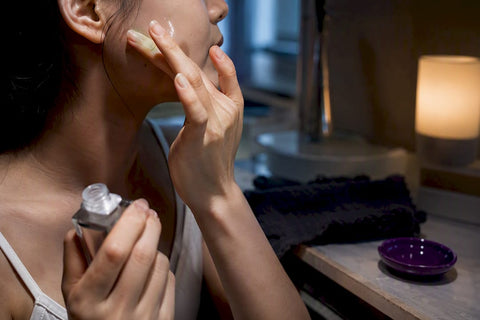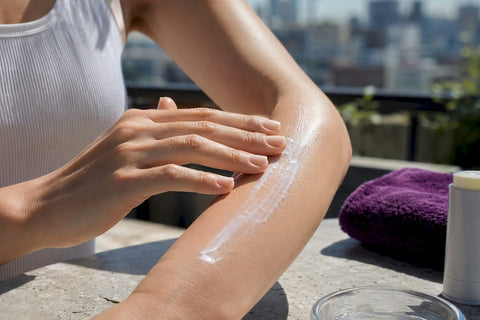
Use a lotion or cream as your main sunscreen and keep a sun stick for midday touch-ups and hard-to-reach spots like your nose, ears, and hairline. Lotion spreads visibly, which makes it far easier to hit the thickness your SPF number was tested at. A stick’s real strength shows up later in the day, especially over makeup, where reapplication actually determines how protected you stay.
TL;DR:
- Sun sticks require multiple passes and thorough rubbing to match the SPF protection of lotions, especially over makeup or textured skin.
- Lotions provide more even coverage and are preferable for full-face application, while sticks excel as portable reapplication tools for midday touch-ups.
- Sensitive or oily skin types benefit from mineral-based, fragrance-free formulations, and proper technique is key to avoiding pilling under makeup regardless of format.
- Combining a lotion for initial coverage with a stick for reapplication ensures consistent protection throughout the day, especially during extended outdoor activities.
Table of Contents
- Sun Stick vs. Sunscreen Lotion: What Actually Separates Them
- How Do You Apply Sunscreen for Full Protection?
- Which Sunscreen Format Suits Your Skin Type?
- When Should You Choose a Stick Over a Lotion?
- Why Lunarashopping Recommends Lotion First, Stick Second
- Does Sunscreen Format Affect the Environment?
- Is a Sun Stick Worth the Extra Cost?
- Real Routines That Make This Easier
- Build Your Sun Protection Routine With Lunarashopping
- Sources
- FAQ
Sun Stick vs. Sunscreen Lotion: What Actually Separates Them
The two formats aren’t competing for the same job. A lotion is an emulsion, water and oil blended together, which is why it glides on with a visible sheen you can track as you rub it in. A stick is a wax and oil matrix, more like a solid balm, and that texture is exactly why it’s so easy to under-apply. There’s no visible film to tell you when you’ve covered enough skin.
That difference matters more than most shoppers realize. Dermatologists note that sticks can deliver the same SPF as a lotion, but only if you apply enough product, and most people don’t. Lab testing backs this up: Good Housekeeping’s evaluations found lotions generally deliver more reliable, even coverage, while sticks and sprays work better as backup tools for touch-ups than as your only line of defense.
Here’s how the practical trade-offs break down:
- Formulation: Sticks rely on wax and oil to stay solid; lotions use an emulsion base that spreads thinner and more evenly across skin.
- Coverage accuracy: Lotion makes it easier to see where you’ve applied and how much; sticks require deliberate, repeated passes to reach the same thickness.
- Portability: A stick fits in a pocket or bag with zero mess, which makes it the obvious pick for reapplying at your desk, the pool, or the sidelines of a soccer game.
- Finish under makeup: Lotion typically integrates better as a base layer since it has time to settle before foundation goes on; a stick applied too heavily over makeup can pill and leave streaks.
- SPF testing: Format itself doesn’t cap protection, since SPF is tested per product. A stick and a lotion with the same labeled SPF offer equivalent protection when both are applied at the amount used in testing.
If you’re weighing sunscreen stick vs. cream for your everyday bag, think of the stick as your insurance policy for the hours after your morning routine, not a replacement for it.
How Do You Apply Sunscreen for Full Protection?
Technique decides whether either format actually works. Here’s the routine that gets you closest to your sunscreen’s tested protection level.
- Apply your lotion base some time before sun exposure. Use enough product for your face and neck, then rub it in until it’s fully absorbed and even.
- Reapply every two hours, or immediately after swimming, sweating heavily, or toweling off.
- For a stick, use multiple overlapping passes per zone. Dermatologists recommend around four back-and-forth strokes per area before rubbing it in with your fingers.
- Over makeup, apply the stick in thin layers and press rather than drag it across your skin. Give it a few seconds to set before adding more product to reduce pilling.
- Before heading outdoors, confirm your product is broad-spectrum SPF 30 or higher, and choose a water-resistant formula if you’re swimming or sweating.
Pro Tip: Treat a sun stick like a tube of deodorant. If you wouldn’t swipe deodorant on once and call it done, don’t do that with SPF. Multiple passes, then blend.
One clinician heuristic worth remembering: if a stick is your only SPF for the day, treat that three-to-four-pass rule as non-optional. Otherwise, lean on a lotion base for your face.
Which Sunscreen Format Suits Your Skin Type?
Your skin’s tolerance and daily habits should drive this decision more than marketing claims.
- Sensitive skin: Look for fragrance-free, mineral formulas built on zinc oxide or titanium dioxide, and patch-test any new product on your inner arm before applying it to your face.
- Acne-prone or oily skin: A lightweight, non-comedogenic lotion or gel-cream tends to sit better than a heavy stick. If you do reach for a stick, check the label specifically for “non-comedogenic.”
- Dry or textured skin: A hydrating lotion often layers more smoothly than a stick, which can drag across flaky patches. Two thin layers beat one thick one, especially if makeup follows.
- Makeup wearers: Let your lotion base settle for a few minutes before foundation, then reserve the stick for midday reapplication over makeup, where its no-mess format actually earns its keep.
Korean sunscreen pilling under makeup is almost always a technique problem, not a format problem. If you’re layering too much product too fast, or skipping the settling time, pilling shows up no matter which brand you’re using. If you want a deeper breakdown of textures and finishes, our guide to types of Korean sunscreens walks through which formulas suit which skin concerns.
When Should You Choose a Stick Over a Lotion?
Run through this quick self-check before you decide what goes in your routine.
- Pick lotion alone if you want one reliable product and you’re mostly indoors or in a car for most of your sun exposure.
- Add a stick if you’re outside for extended stretches, wear makeup you don’t want to disturb, or need to reapply without a mirror or sink nearby.
- A stick alone is acceptable only if you commit to the multiple-pass technique every single time, since a single light swipe leaves large parts of your skin under-protected.
- Watch for red flags: a visible white cast, pilling around your nose or under your eyes, or any redness or itching after application, which can signal a sensitivity worth switching formulas over.
The honest answer to “which is better, sunscreen or a sun stick” isn’t really about the product. It’s about which one you’ll actually use correctly, twice a day, without skipping steps.
Why Lunarashopping Recommends Lotion First, Stick Second
Our approach comes from watching how real routines break down, not from picking a side in a marketing debate. A lotion base gives you the coverage accuracy dermatologists point to, and a stick gives you the follow-through most people skip. That combination, rather than either format alone, is what keeps protection consistent through a full day.
- Our guide on Korean sunscreen types explores different sunscreen textures and their suitability for various skin needs.
- For the delicate skin around your eyes, our piece on mineral sunscreen for the orbital area covers gentle patting techniques instead of rubbing.
- Certain lightweight, gel-cream sun cream formulas work well as a daily base for oilier or sensitive skin.
- Our summer skincare essentials list pairs well with this routine if you want a fuller seasonal checklist.
Does Sunscreen Format Affect the Environment?
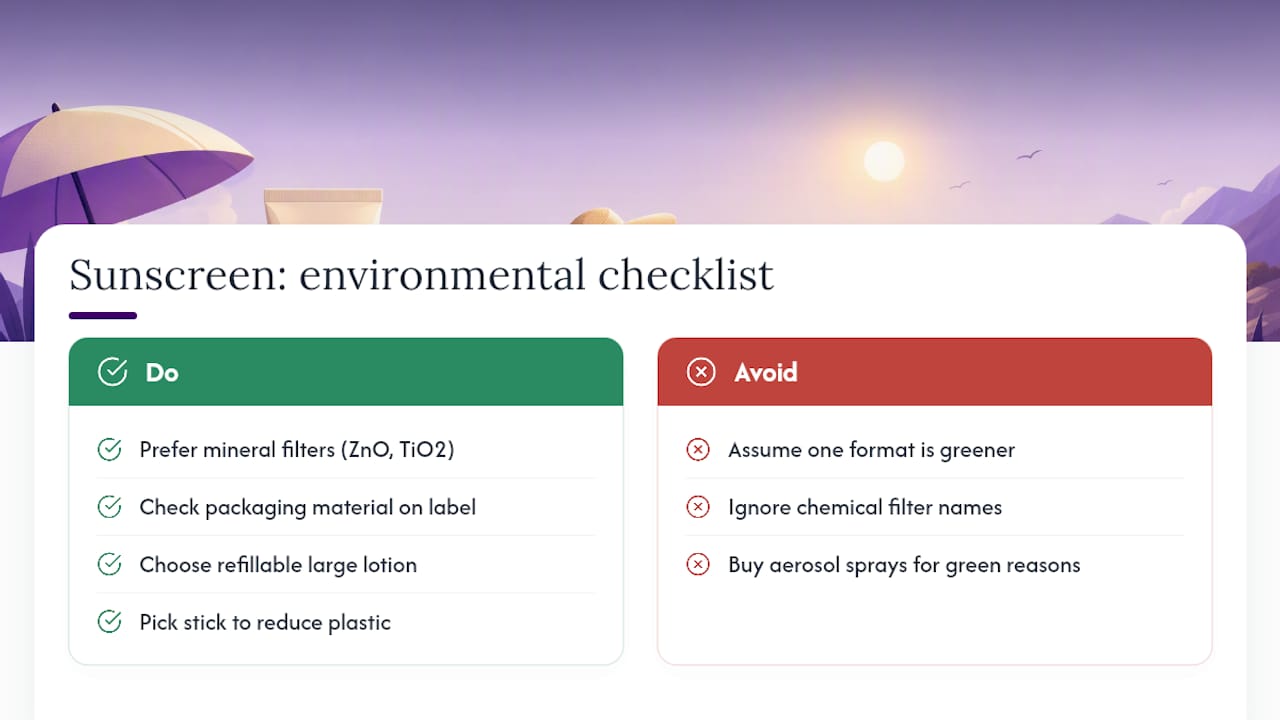
Ingredient type matters more than whether the product comes in a tube or a stick. Chemical filters like oxybenzone and octinoxate have drawn scrutiny over coral reef impact, which is why more brands, in both stick and lotion form, have shifted toward mineral filters like zinc oxide and titanium dioxide as alternatives.
Packaging is where format actually creates a real difference. Sticks typically use less plastic per unit and skip the aerosol propellants found in spray sunscreens, though most still come in a plastic push-up tube that isn’t easily recyclable through curbside programs. Lotion tubes and jars vary widely, some using recyclable HDPE plastic, others using mixed materials that complicate recycling.
Neither format is automatically the greener choice. A stick’s compact size can mean less packaging waste over the life of the product, but a lotion in a large refillable bottle can outperform a stick on a per-ounce basis. If sustainability matters to your purchasing decision, checking the packaging material and filter list on the label tells you more than assuming a category is universally better.
Is a Sun Stick Worth the Extra Cost?
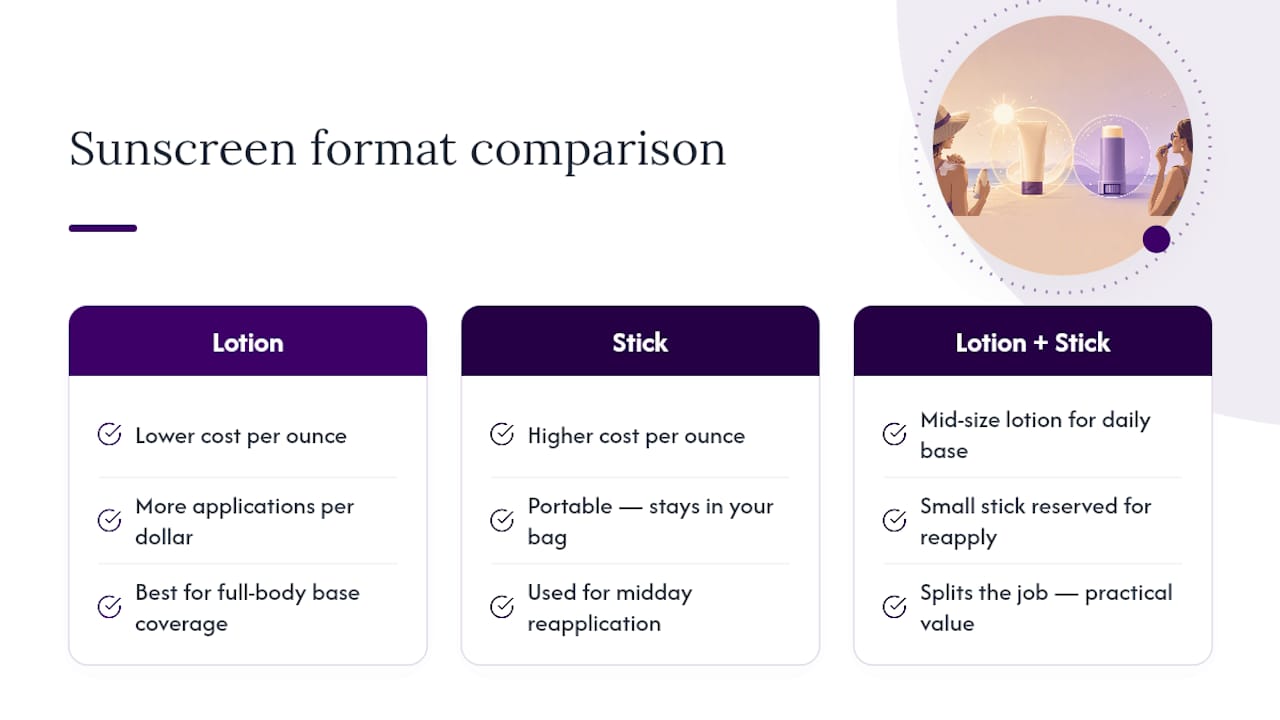
Sticks generally cost more per ounce than lotions, since you’re paying for a smaller, more portable format and, often, a more concentrated wax base. A full-size lotion or cream tends to deliver more applications per dollar, which makes it the more economical choice for your primary, full-body coverage.
That math shifts once you factor in consistency. A lotion that sits in a drawer at home because it’s inconvenient to carry protects you zero percent of the time you’re actually outside. A stick that costs a bit more per ounce but rides in your bag and actually gets used on a hot afternoon delivers real value, even at a higher price point.
The smartest spend, for most people, is a mid-size lotion for daily base coverage paired with a smaller stick reserved for reapplication. You’re not choosing one expense over another. You’re splitting the job between two tools that each cost less when they’re doing what they’re actually good at.
Real Routines That Make This Easier
On a commuting day, lotion goes on in the bathroom mirror before coffee, and the stick rides in a bag pocket for a midday reapply over makeup at the office. On a beach day, a water-resistant lotion covers arms, legs, and torso, while the stick handles ears, nose, and hairline, then gets reapplied right after every swim. A phone reminder set for two hours in does more for your skin than any single product choice. Keep the stick somewhere you’ll actually see it, not buried at the bottom of a bag.
— Lunara
Build Your Sun Protection Routine With Lunarashopping
A curated Korean skincare selection can help you find lotion bases or sticks that suit your skin type, with products chosen for gentle, effective formulations across different skin types. Browsing one storefront for both daily lotion and reapplication stick can be more convenient than assembling a routine from multiple brands with different textures.

Start with our face sunscreen collection to find a base formula suited to your skin, whether that’s a lightweight gel-cream for oilier skin or a richer lotion for drier types. If you’d rather skip the trial and error, our morning routine set bundles a starter sunscreen with the cleansers and moisturizers that support it. Standard shipping starts at $6.49 flat rate, so building out your sun protection kit doesn’t add unpredictable costs to your cart.
Sources
This article draws on dermatologist guidance and lab testing from Prevention, Good Housekeeping, and Med7 Online, along with consumer safety guidance from Protect the Groms.
- Sunscreen Sticks vs. Liquid Sunscreen: Dermatologists Explain Which Is Best — Prevention
- Spray Vs. Stick Vs. Lotion Sunscreen—Which Delivers Maximum Protection? — Good Housekeeping
- Is Sunscreen Stick Better Than Sunscreen Lotion? Complete Comparison — Med7 Online
FAQ
Are Sun Sticks Actually Effective?
Yes, a sun stick can deliver the same SPF as a lotion, but only when you apply enough product. Dermatologists recommend several overlapping passes per zone followed by rubbing the product in, since a single light swipe usually leaves you under-protected.
Which Sunscreen Stick Is Recommended by a Dermatologist?
Dermatologists don’t point to one specific brand as universally best. They point to technique: choose a broad-spectrum SPF 30+ stick, then apply it with multiple firm passes and rub it in fully rather than swiping once and moving on.
What Are Sun Sticks Good For?
Sun sticks excel at midday reapplication, targeted areas like the nose and ears, and touch-ups over makeup without disrupting your look. They’re a backup and reapplication tool rather than a full replacement for a lotion base, according to dermatologist and lab testing consensus.
Should You Rub in Stick Sunscreen?
Yes, rubbing in a stick after applying it in multiple passes helps ensure even coverage across the skin. Skipping this step is one of the most common reasons stick sunscreen underperforms compared to its labeled SPF.
Does Lunarashopping Sell Sunscreen Sticks and Lotions?
Lunarashopping’s face sunscreen collection carries lotion and cream formulas suited to different skin types as a daily base. Current pricing and available formats are listed on the site.