
Korean sunscreens fall into three main categories: chemical (organic), physical (inorganic), and hybrid formulas, each designed to meet different skin needs and sun protection goals. Understanding these types of Korean sunscreens helps you choose a formula that you will actually wear every day. Daily broad-spectrum SPF use is the single most effective anti-aging intervention endorsed by dermatologists. Korean beauty culture treats sunscreen not as an afterthought but as a non-negotiable skincare step, and the formulation science behind these products reflects that commitment fully.
1. Types of Korean sunscreens: the three core categories
Korean sunscreens divide into chemical, physical, and hybrid formulas based on how their UV filters work. Chemical filters absorb UV radiation and convert it to heat. Physical filters reflect UV rays away from the skin using mineral ingredients. Hybrid formulas combine both filter types to balance protection, texture, and tolerability. Knowing which category fits your skin type is the fastest way to narrow down your options.
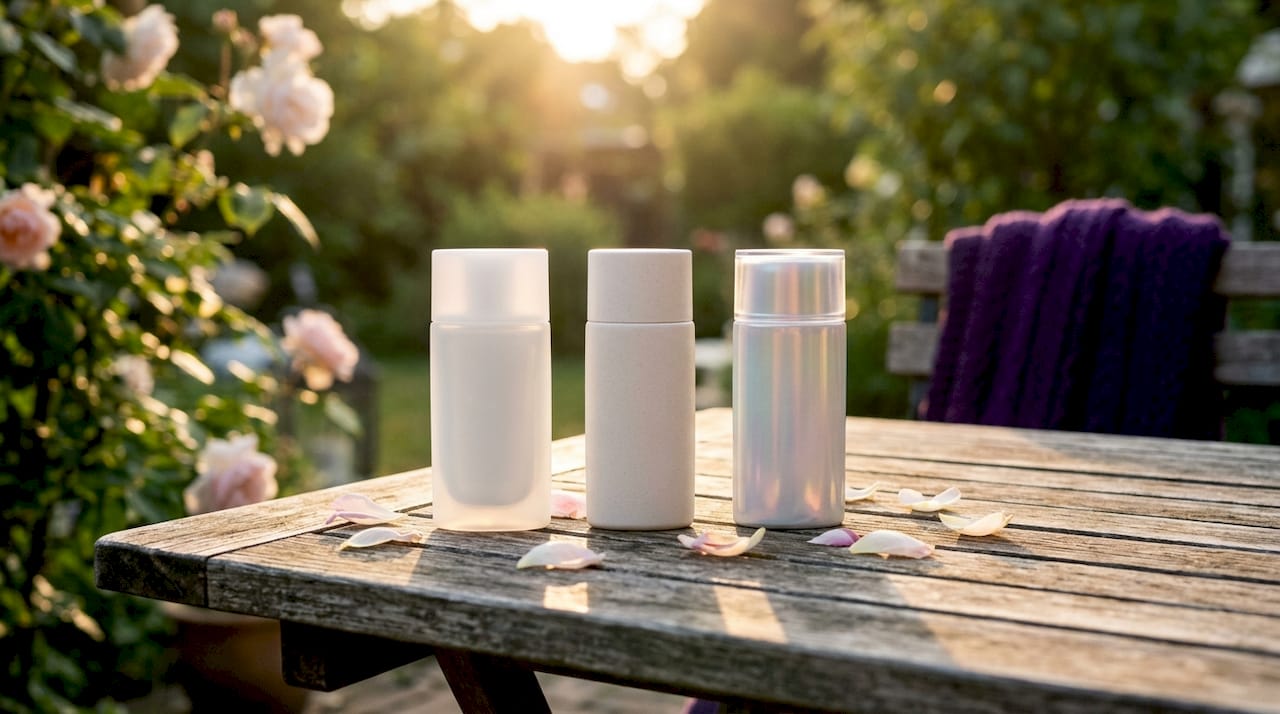
Korea regulates sunscreens as cosmetics rather than drugs. That regulatory distinction allows Korean brands to use newer-generation UV filters like Tinosorb S and Uvinul A Plus, which are more photostable and cosmetically refined than older filters approved in the United States. This is a key reason why Korean sun protection products feel so different from their American counterparts.
2. Chemical (organic) sunscreens: features and ideal users
Chemical sunscreens absorb UV radiation through organic filter molecules and release the energy as heat. Korean chemical formulas use advanced filters like Tinosorb S and Uvinul A Plus, which provide broad-spectrum UVA and UVB coverage with excellent photostability. These filters allow brands to create textures that feel like serums or lightweight lotions rather than traditional sunscreen creams.
Key benefits of chemical Korean sunscreens:
- Lightweight, fast-absorbing texture that layers well under makeup
- Transparent finish with no white cast
- Serum-like and gel formulas that feel weightless on skin
- Broad-spectrum protection with photostable filter combinations
- Often enriched with skin-beneficial actives like niacinamide or antioxidants
Chemical sunscreens suit normal to oily skin best. Their fast-absorbing formulas do not add heaviness or shine. Readers with acne-prone skin often find chemical options more comfortable for daily wear because the textures do not clog pores. Sensitive skin types should patch-test first, as some chemical filters can cause mild irritation or photosensitivity in reactive skin.
Pro Tip: Apply your chemical sunscreen as the last step of your morning skincare routine, at least 15 minutes before sun exposure, to allow the filters to fully bind to the skin surface.
3. Physical (inorganic) sunscreens: features and ideal users
Physical sunscreens use Zinc Oxide and Titanium Dioxide to reflect UV rays away from the skin. These mineral ingredients sit on top of the skin rather than absorbing into it, which makes them a preferred choice for sensitive and reactive skin types. Physical formulas offer immediate protection upon application, with no waiting period required.
Older physical sunscreens had a reputation for leaving a heavy white cast and thick texture. Nano-particle technology in Korean physical formulas has changed that significantly. Micronized Zinc Oxide and Titanium Dioxide particles now provide broad-spectrum mineral protection with a much lighter, more wearable finish.
Key benefits of physical Korean sunscreens:
- Immediate UV protection on application
- Low irritation potential, suitable for reactive and post-procedure skin
- Gentle enough for children and those with rosacea or eczema
- Broad-spectrum UVA and UVB coverage from mineral ingredients
- Photostable formula that does not degrade in sunlight
Pro Tip: If you have very fair skin and worry about white cast, look for Korean physical sunscreens labeled “nano” or “micronized” on the ingredient list. These formulas minimize the chalky finish while keeping the gentle mineral protection intact.
Why do Koreans use physical sunscreen? Dermatologists recommend mineral formulas for anyone with compromised or sensitive skin, and Korean brands have made these formulas elegant enough for daily use. The gentle formulas that define Korean skincare philosophy extend directly into their physical sunscreen category.
4. Hybrid Korean sunscreens: combining chemical and physical filters
Hybrid sunscreens combine chemical and physical UV filters in a single formula. Hybrid blends capture the broad-spectrum strength of mineral ingredients and the lightweight, cosmetically refined texture of chemical filters. The result is a formula that suits a wider range of skin types and lifestyles than either category alone.
The line between chemical and physical sunscreens is blurring as hybrid formulas grow more sophisticated. Korean brands have led this shift by creating hybrids that feel like skincare products rather than sunscreens. These formulas are especially popular for active outdoor use, sports, and anyone who needs reliable protection without the heaviness of a pure physical formula.
Hybrid sunscreens work well for:
- Sensitive skin that reacts to high concentrations of chemical filters
- Outdoor workers and athletes who need durable, broad-spectrum coverage
- Readers who want the cosmetic finish of a chemical formula with mineral reassurance
- Daily wear in climates with intense UV exposure year-round
Hybrid formulas are increasingly common in 2026 Korean sunscreen releases. Brands are refining the balance of filter ratios to maximize photostability while keeping textures light and non-greasy.
5. How to choose Korean sunscreen based on skin type
Matching your sunscreen type to your skin type is the most practical way to build a consistent daily habit. Dermatologists recommend SPF 30 minimum for indoor daily use and SPF 50+ for prolonged outdoor exposure. That SPF baseline applies regardless of which formula type you choose.
| Skin type | Recommended formula | Key features to look for |
|---|---|---|
| Oily or acne-prone | Chemical or hybrid | Gel texture, matte finish, non-comedogenic |
| Dry or dehydrated | Chemical or hybrid | Cream texture, hyaluronic acid, glycerin |
| Sensitive or reactive | Physical or hybrid | Zinc Oxide, fragrance-free, minimal actives |
| Post-procedure | Physical | Titanium Dioxide, calming ingredients, no chemical filters |
| Hyperpigmentation-prone | Chemical or hybrid | Niacinamide, antioxidants, broad UVA coverage |
Many Korean sunscreens contain skin-beneficial ingredients like niacinamide and hyaluronic acid alongside their UV filters. Niacinamide addresses hyperpigmentation and uneven tone. Hyaluronic acid supports hydration, which is central to Korean hydration philosophy. Choosing a formula with these actives lets your sunscreen do double duty as a treatment step.
Pro Tip: If you wear foundation or BB cream, choose a chemical or hybrid sunscreen with a dry or satin finish. These formulas create a smooth base that does not pill under makeup.
6. Common formats and textures of Korean sunscreens
Korean brands have redefined what sunscreen can feel like by creating formats that fit naturally into a multi-step skincare routine. Serum-like textures and cushion SPFs are Korean innovations that have since influenced global sunscreen development. The format you choose affects how comfortable reapplication feels throughout the day.
Common Korean sunscreen formats:
- Gel: Water-based, ultra-lightweight, ideal for oily and combination skin. Absorbs instantly with no residue.
- Cream: Richer texture that hydrates while protecting. Best for dry or mature skin.
- Milk or lotion: Fluid consistency that spreads easily and suits most skin types. Good for body use too.
- Cushion compact: Pre-soaked sponge applicator for quick, even reapplication over makeup. Delivers a natural, dewy finish.
- Powder SPF: Pressed or loose powder with UV filters. Ideal for touch-ups over a full face of makeup without disturbing coverage.
Regular reapplication every two hours is a core principle of Korean sun care culture, especially outdoors. Cushion and powder formats exist specifically to make that reapplication step fast and practical. Avoiding white cast and greasiness comes down to choosing the right format for your skin type and finish preference.
Pro Tip: Keep a cushion SPF compact in your bag for midday reapplication. It takes under 30 seconds, does not disturb your makeup, and maintains your UV protection through the afternoon hours.
Key takeaways
Korean sunscreens deliver consistent daily protection because their formulas are designed to be worn, not avoided.
| Point | Details |
|---|---|
| Three core formula types | Chemical, physical, and hybrid sunscreens each suit different skin types and lifestyles. |
| Regulatory advantage | Korea’s cosmetic classification allows advanced UV filters like Tinosorb S for better texture and photostability. |
| Match formula to skin type | Oily skin benefits from gel or chemical formulas; sensitive skin does best with physical or hybrid options. |
| SPF minimums matter | Use SPF 30+ daily indoors and SPF 50+ for outdoor or prolonged sun exposure. |
| Format drives compliance | Cushion and powder formats make reapplication practical, which is the real key to effective sun protection. |
Why cosmetic elegance is the real secret to Korean sun protection
The most underrated insight in Korean sunscreen culture is this: the best sunscreen is the one you will wear consistently. That sounds obvious, but it has driven an entire generation of formulation innovation.
I have seen readers with genuinely good skincare routines skip sunscreen because it felt heavy, greasy, or left a white cast. They were not lazy. They were using the wrong formula for their skin type. When they switched to a Korean gel or hybrid cushion formula, compliance went from occasional to daily within weeks.
What strikes me most about Korean sun protection is how the culture treats SPF as a skincare benefit, not a burden. Only about 13% of Americans use sunscreen daily, while daily SPF use is nearly universal in Korea. The gap is not about awareness. It is about product experience. Korean brands solved the texture problem first, and protection followed naturally.
My honest recommendation: do not start your search with SPF numbers. Start with texture and finish. Find a formula your skin enjoys wearing, then confirm the SPF level meets your exposure needs. That sequence produces better long-term habits than choosing the highest SPF and tolerating a formula you dislike.
— Lunara
Sun protection made simple with Lunarashopping
Lunarashopping carries a curated selection of Korean facial care products designed for layered, daily routines that include reliable sun protection. Whether your skin needs a lightweight gel formula or a hydrating cream with mineral filters, the collection covers the full range of textures and skin types.
The Morning Face Care Routine Set brings together the essentials for a complete daily regimen, including products that prep your skin for sunscreen application and support lasting hydration throughout the day. For readers who want to build a personalized routine from scratch, the full face care collection offers a wide range of Korean skincare products to complement any sunscreen type you choose.
FAQ
What are the main types of Korean sunscreens?
Korean sunscreens divide into three categories: chemical (organic), physical (inorganic), and hybrid formulas. Each type uses a different UV filtration mechanism and suits different skin types and lifestyles.
Why do Koreans use sunscreen every day?
Daily SPF use is a core part of Korean skincare culture because consistent broad-spectrum sunscreen application is the most effective way to prevent photoaging and protect long-term skin health. Korean brands make daily use easier by creating lightweight, pleasant-feeling formulas.
Which Korean sunscreen type is best for sensitive skin?
Physical sunscreens with Zinc Oxide and Titanium Dioxide are the gentlest option for sensitive or reactive skin. Hybrid formulas that combine a low concentration of chemical filters with mineral ingredients are also a strong choice for sensitive skin that needs broad-spectrum coverage.
What SPF level should I use in a Korean sunscreen?
Dermatologists recommend SPF 30 as the minimum for daily indoor use and SPF 50+ for outdoor or prolonged sun exposure. This guidance applies regardless of whether you choose a chemical, physical, or hybrid Korean formula.
How do I reapply Korean sunscreen over makeup?
Cushion compact SPFs and powder sunscreens are designed for reapplication over a full face of makeup. Reapplying every two hours outdoors maintains effective UV protection without disturbing your base or foundation.