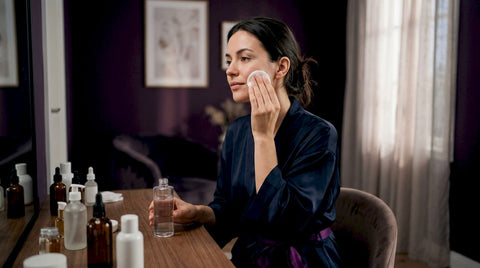
Toning is defined as the step in a skincare routine that rebalances skin pH, delivers hydration, and prepares the skin to absorb subsequent products more effectively. The role of toning in skin health goes well beyond simple cleansing. Modern toners function as multifunctional delivery vehicles for active ingredients, addressing concerns from dryness to uneven texture. Whether your skin is oily, dry, or sensitive, the right toner can meaningfully improve how your skin looks and feels. Lunarashopping’s curated selection of Korean skincare toners reflects exactly this shift toward purposeful, results-driven formulas.
What are the main benefits of toning for skin health?
Toning provides five distinct, evidence-backed benefits that go far beyond what cleansing alone can achieve.
- pH balance restoration. Cleansers, even gentle ones, can disrupt your skin’s natural pH, which sits around 4.5–5.5. A toner restores this balance quickly, protecting the skin barrier from moisture loss and irritation.
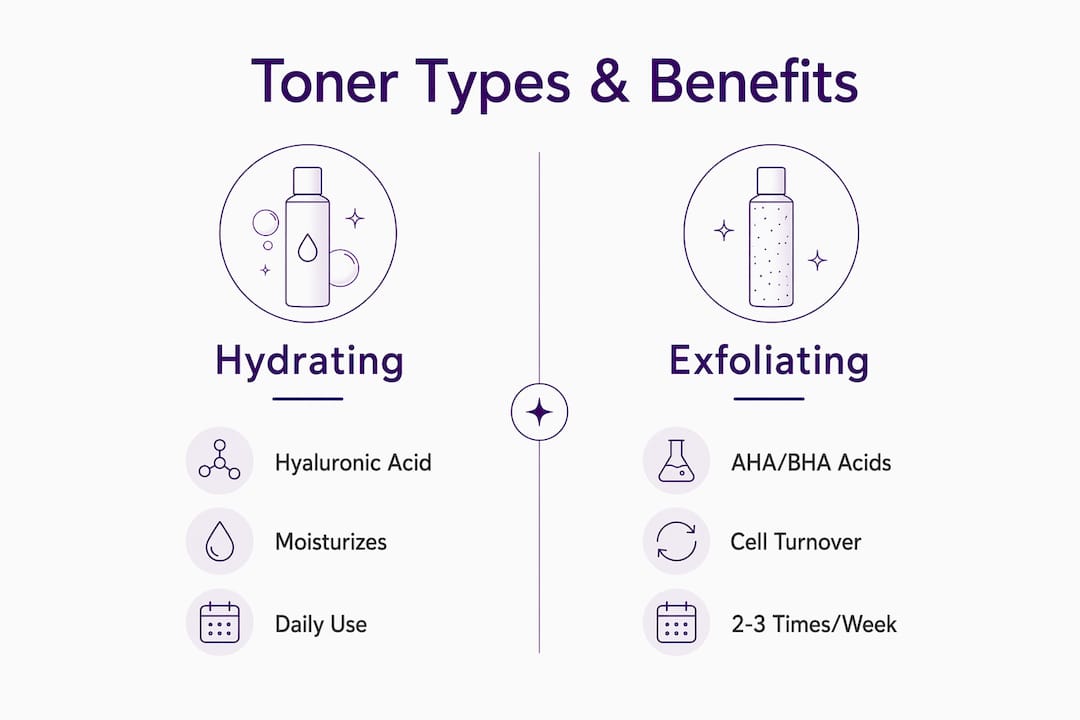
- Hydration delivery. Hydrating toners contain humectants like hyaluronic acid and glycerin that pull water into the skin and hold it there. This prepares skin to receive serums and moisturizers without competing with them.
- Mild exfoliation. Toners formulated with alpha hydroxy acids (AHAs) or beta hydroxy acids (BHAs) act as keratolytic agents, loosening the bonds between dead skin cells. This accelerates cell turnover and produces a brighter, smoother finish over time.
- Pore clarification. BHA toners, particularly those containing salicylic acid, penetrate the pore lining to reduce oiliness and minimize the appearance of enlarged pores.
- Enhanced product absorption. Applying toner before your serum and moisturizer creates a primed, slightly damp surface that allows active ingredients to penetrate more deeply and work more efficiently.
Pro Tip: Apply your toner while your skin is still slightly damp from cleansing. This single habit noticeably improves how well your serum absorbs.
The benefits of skin toning compound over time. Consistent use builds a stronger skin barrier, reduces transepidermal water loss, and creates a more even surface for makeup and other products. Toner is not a luxury step. For most skin types, it is the most efficient way to address multiple concerns in one lightweight formula.
How do you choose and use toners for your skin type?
Selecting the right toner starts with identifying your primary skin concern, then matching it to the correct formula type.
- Dry or dehydrated skin. Choose a hydrating toner with hyaluronic acid, glycerin, or ceramides. These ingredients replenish moisture without adding weight. Avoid any formula with high alcohol content, which strips the skin barrier.
- Oily or acne-prone skin. A BHA toner with salicylic acid at 1–2% concentration clears congestion inside pores and controls excess sebum. Use it once daily in the evening to start, then adjust based on your skin’s response.
- Sensitive or reactive skin. A soothing toner with centella asiatica, panthenol, or niacinamide calms redness and supports barrier repair. Avoid fragrance and high-concentration AHAs, which can trigger irritation.
- Combination or uneven skin tone. A gentle AHA toner with glycolic or lactic acid addresses hyperpigmentation and texture. AHA toners work best at a pH of 3–4, applied 2–3 times per week to avoid over-exfoliation.
- Dull or aging skin. Look for toners that combine mild exfoliation with brightening actives like niacinamide or vitamin C derivatives. These address cell turnover and pigmentation simultaneously.
Pro Tip: Never apply an exfoliating toner on bone-dry skin. The concentration of acid hits harder on dry skin and increases the risk of irritation. Slightly damp skin buffers the formula and distributes it more evenly.
Over-exfoliation with toners leads to redness, tightness, and increased sensitivity. That reaction is a clear signal to reduce frequency or switch to a gentler formula. Start with two applications per week for any exfoliating toner and build from there. Hydrating toners, by contrast, are safe to use twice daily.
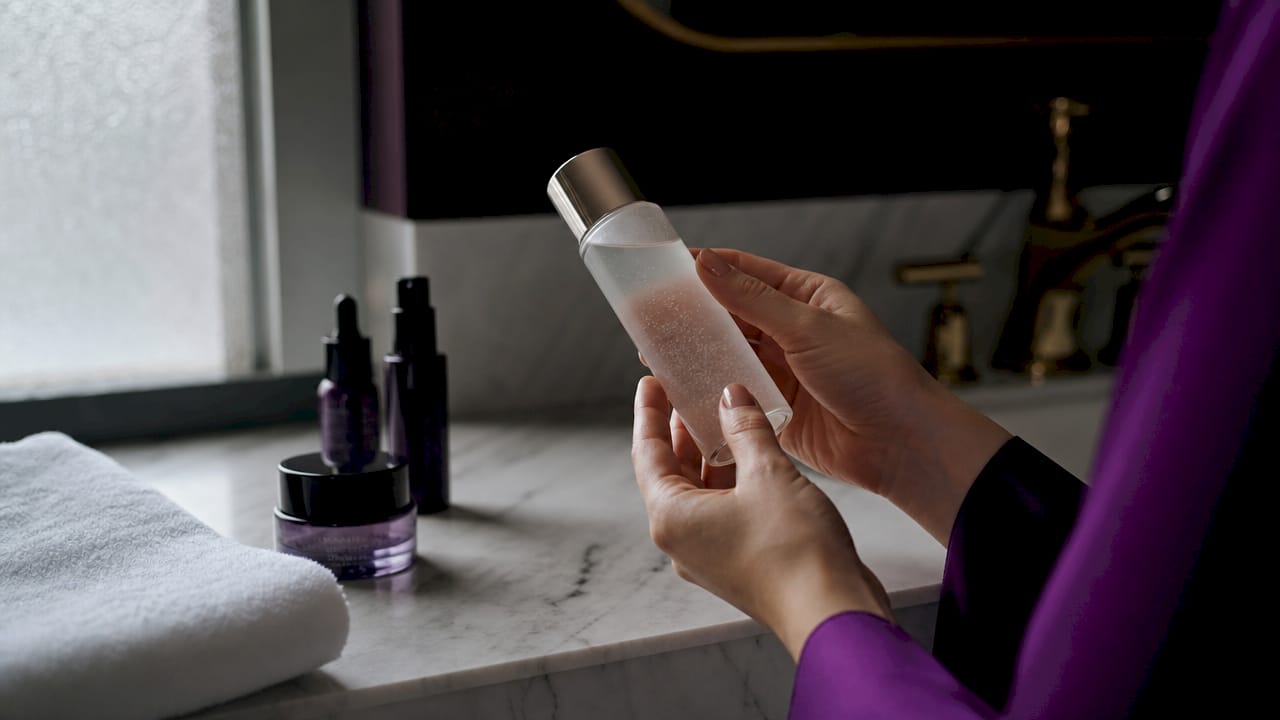
Application method also matters. Pour a small amount onto a cotton pad or your palms and press it gently into the skin. Avoid rubbing, which causes friction and irritation. Applying toner on damp skin post-cleansing significantly improves absorption of subsequent serums and moisturizers. This one technique makes a measurable difference in how your routine performs.
What does science say about toning for skin tone and texture?
Professional skincare guidance in 2026 treats toners as functional additions rather than mandatory steps. Their value depends entirely on whether your skin needs what they deliver.
“Toner is a functional addition, not a mandatory step. Its need depends on whether cleansing alone leaves skin balanced and whether product absorption is enhanced by toner use.” — 456skin.com
That framing matters. If your cleanser leaves your skin feeling balanced and your serums absorb well without a toner, you may not need one. But if your skin feels tight after cleansing, or your moisturizer sits on the surface rather than sinking in, a toner closes that gap.
The timeline for visible results is well established. Consistent toner use produces visible improvements in skin tone, blotchiness, and brightness within 4–8 weeks. That window assumes daily or near-daily use of a hydrating formula, or 2–3 times per week for an exfoliating one.
| Toner type | Key actives | Primary benefit | Recommended frequency |
|---|---|---|---|
| Hydrating | Hyaluronic acid, glycerin | Moisture retention, barrier support | Once or twice daily |
| Exfoliating (AHA) | Glycolic acid, lactic acid | Cell turnover, brightness, texture | 2–3 times per week |
| Exfoliating (BHA) | Salicylic acid | Pore clarification, oil control | Once daily or every other day |
| Soothing | Centella asiatica, panthenol | Redness relief, barrier repair | Once or twice daily |
| Brightening | Niacinamide, vitamin C derivatives | Hyperpigmentation, radiance | Once daily |
One critical nuance: no toning or brightening regimen delivers long-term results without daily SPF 30 or higher. UV exposure triggers melanin production, which undoes the brightening and evening work of any toner. SPF is not optional if you are using an active toner.
How does toning fit into a complete skincare routine?
Toning sits between cleansing and serum application in every effective skincare routine. The correct order is: cleanser, toner, serum, moisturizer, and sunscreen in the morning.
A well-structured routine looks different in the morning versus the evening, and your toner choice should reflect that.
- Morning routine. Use a hydrating or soothing toner to prep skin for the day. Follow with a vitamin C serum for antioxidant protection, then moisturizer and SPF. Avoid AHA or BHA toners in the morning if you plan to be outdoors, since freshly exfoliated skin is more UV-sensitive.
- Evening routine. The evening is the right time for exfoliating toners. Your skin repairs itself overnight, and AHAs or BHAs support that process by clearing dead cells and allowing repair actives to penetrate. Pair with a brightening serum or a retinoid, not both at once.
- Managing multiple actives. Vitamin C works best in the AM. Retinoids and AHA toners belong in the PM. Layering both in the same session raises the risk of irritation without adding benefit. Keep them separated by time of day.
- Consistency over intensity. A gentle toner used every day outperforms a strong one used sporadically. Your skin responds to patterns, not single applications.
- Patience with results. Skin cell turnover takes roughly 28 days in younger skin and longer as you age. Give any new toner at least four weeks before evaluating its impact.
A complete night skincare routine that includes a targeted toner is one of the most effective ways to address texture, tone, and hydration simultaneously. The toner step amplifies everything that comes after it, which is why its placement in the routine is not arbitrary.
Key Takeaways
Toning improves skin health by restoring pH balance, delivering hydration, and enhancing the absorption of every product that follows in your routine.
| Point | Details |
|---|---|
| pH restoration matters | Toners rebalance skin after cleansing, protecting the barrier from moisture loss and irritation. |
| Match toner to skin type | Hydrating formulas suit dry skin; AHA and BHA toners address texture, oiliness, and hyperpigmentation. |
| Apply on damp skin | Slightly damp skin absorbs toner more evenly and boosts the performance of serums and moisturizers. |
| Results take 4–8 weeks | Consistent use produces visible improvements in tone and brightness within that window. |
| SPF is non-negotiable | No toner delivers lasting brightening results without daily broad-spectrum sun protection. |
Toning has changed more than most people realize
I have watched the toner category shift dramatically over the past several years, and the change is worth naming directly. The old-school toner, the kind loaded with alcohol and marketed as a “pore minimizer,” was doing more harm than good for most skin types. It stripped the barrier, created the illusion of tightness that people mistook for “clean,” and left skin more reactive over time.
The modern toner is a different product entirely. Formulas like the APLB Glutathione Niacinamide Facial Toner from Lunarashopping combine brightening actives with barrier-supporting hydration in a single step. That is not a compromise. That is good formulation.
The misconception I hear most often is that toner is optional for people with “good skin.” My experience says otherwise. People with balanced skin often benefit the most from a hydrating toner because it amplifies the performance of everything else in their routine without adding complexity. The toner step is not about fixing a problem. It is about making the rest of your routine work harder.
For anyone new to toning, start with a hydrating formula and use it consistently for four weeks before adding an exfoliating toner. That sequence builds tolerance and gives you a clear baseline to evaluate results. Patience here is not passive. It is the actual strategy.
— Lunara
Lunarashopping’s toner selection for every skin need
Lunarashopping carries a curated range of Korean skincare toners designed to match the guidance in this article, from gentle hydrators to targeted exfoliating formulas.
The morning routine sets at Lunarashopping pair toners with complementary serums and SPF products, making it straightforward to build a routine that actually works together. If you prefer to build your own, the custom skincare kit builder lets you select products based on your skin type and concerns. Every product in the Lunarashopping catalog is selected for ingredient quality and real-world efficacy. The full face care range includes options for every skin type, budget, and routine complexity.
FAQ
What does a toner actually do for your skin?
A toner restores skin pH after cleansing, delivers hydration or active ingredients, and prepares the skin to absorb serums and moisturizers more effectively. Modern toners function as active ingredient delivery tools, not simple cleansers.
Is toning necessary for everyone?
Toner is a functional addition, not a universal requirement. If your cleanser leaves skin balanced and your serums absorb well, you may not need one. However, most skin types benefit from the added hydration or targeted actives a toner provides.
How often should you use an exfoliating toner?
AHA exfoliating toners are recommended 2–3 times per week to support cell turnover without damaging the skin barrier. BHA toners can be used once daily for oily or acne-prone skin, starting every other day to build tolerance.
Can toning help with hyperpigmentation?
Yes. AHA toners accelerate cell shedding, which gradually fades hyperpigmentation and evens skin tone. Visible improvements in tone and blotchiness typically appear within 4–8 weeks of consistent use, provided daily SPF is also part of the routine.
What happens if you skip toner in your routine?
Skipping toner is not harmful, but it may reduce how well your serums and moisturizers perform. Without a toner, skin pH may remain slightly elevated after cleansing, and subsequent products may absorb less efficiently.