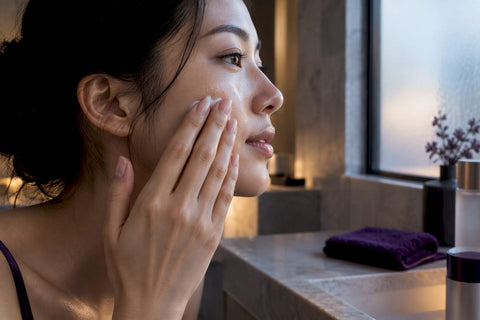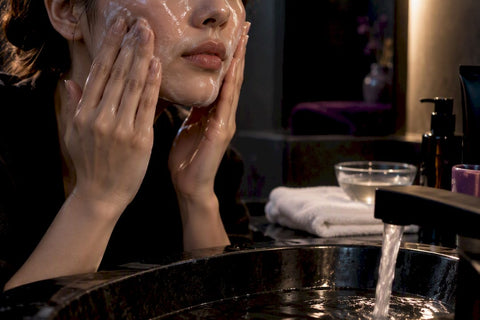
Korean double cleansing is a two-step evening routine: an oil-based cleanser goes on first to break down makeup, sunscreen, and sebum, then a water-based cleanser follows to lift what’s left. It works best for people who wear waterproof makeup, mineral sunscreen, or live in high-pollution areas, and it can be too much for very dry or reactive skin. If neither applies to you most nights, a single gentle cleanse is enough.
TL;DR:
- Double cleansing is most effective for people wearing waterproof makeup, heavy sunscreen, or exposed to high pollution, but is unnecessary for those with minimal or no makeup or sunscreen.
- Using a cleansing oil or balm first, followed by a low-pH gel or cream cleanser, optimizes removal without damaging the skin barrier.
- Hot water, scrubbing, and high-pH cleansers can compromise skin health, leading to irritation, tightness, or redness, especially if done every night without adjustment.
- A 28-day study shows ceramide-containing cleansers can boost hydration by nearly 47% and reduce sebum by over 79%, emphasizing product choice in double cleansing.
- Skipping the second step or switching to milder formulas helps prevent over-cleansing and maintains skin balance, especially for dry, sensitive, or resurfaced skin.
Table of Contents
- What Is Korean Double Cleansing and Why Does It Work?
- Who Should Double Cleanse, and Who Should Skip It?
- How Do You Choose the Right Cleansing Products?
- How Do You Double Cleanse Step by Step?
- What Mistakes Ruin a Double Cleansing Routine?
- How Does Lunara Curate Barrier-Friendly Cleansers?
- A Note From Lunara on Testing Your Own Routine
- Build Your Two-Step Routine With LunaraShopping
- Sources
- FAQ
What Is Korean Double Cleansing and Why Does It Work?
The logic behind double cleansing comes down to basic chemistry: oil dissolves oil. Sunscreen, sebum, and long-wear makeup are formulated to resist water, which means a splash of face wash alone often just pushes them around rather than removing them. An oil-based cleanser binds to those substances first, and a water-based cleanser then washes away the emulsified leftovers along with sweat and water-soluble grime.

Skip either step and you leave something behind. Skip the oil step, and sunscreen film can sit in your pores for hours. Skip the water step, and you’re left with an oily residue that traps dust and reapplies the very buildup you just dissolved.
The real benefits show up over time, not overnight:
- Pores stay less congested because oil residue doesn’t sit and mix with sweat.
- Serums and moisturizers absorb more evenly on a fully clean surface.
- Skin looks less dull, since dead cell buildup and film residue don’t linger.
The catch, according to dermatologist guidance summarized by Cleveland Clinic, is that cleansing twice can go too far. The goal is efficient removal, not extra scrubbing, and the wrong second cleanser can undo every benefit of the first step by stripping the skin barrier.
Who Should Double Cleanse, and Who Should Skip It?
Not every face needs two rounds of cleanser every night. Dermatologists note that double cleansing tends to suit specific situations rather than everyone, every day.
Good candidates:
- People who wear waterproof mascara, long-wear foundation, or SPF 30+ sunscreen daily.
- Oily or congested skin that deals with clogged pores or blackheads regularly.
- Anyone with heavy pollution or sweat exposure during the day, including frequent gym-goers.
Better off limiting or skipping it:
- Very dry skin, or skin prone to eczema or rosacea, which can get irritated by an extra cleansing step.
- Skin that’s freshly resurfaced from a retinoid, peel, or in-office treatment.
- Any day you wore minimal or no makeup and no sunscreen. There’s nothing heavy to dissolve, so a single gentle cleanse does the job.
A simple rule solves most of the guesswork: if you put on sunscreen or makeup that morning, double cleanse that night. If you didn’t, one gentle wash is plenty.
How Do You Choose the Right Cleansing Products?
Picking the right pair matters more than following the steps perfectly. The wrong combination can leave skin greasy, stripped, or both.
For step one, you have three realistic options:
- Cleansing oil: liquid texture, breaks down makeup and SPF fast, rinses cleanly when emulsified with water.
- Cleansing balm: solid-to-oil texture that melts on contact, often more moisturizing, good for drier skin types.
- Micellar water: no oil at all. Micellar water works as a dermatologist-recommended alternative for anyone who prefers to skip oil-based products entirely or has a busy morning-only routine.
For step two, match the texture to your skin:
- Gel cleansers suit oily and combination skin and often carry mild exfoliating acids.
- Cream and milk cleansers fit dry or sensitive skin, prioritizing hydration over deep stripping.
- Foam cleansers sit in the middle, working well for normal to combination skin when the formula is low-pH.
Look for ceramides, amino acids, or hyaluronic acid on the label. Low-pH, barrier-friendly formulas clean without disrupting the skin’s natural acidity, which matters more than most people realize.
Pro Tip: If a cleanser leaves your face feeling tight within a minute of rinsing, that’s a red flag, not a sign of a deep clean. A properly formulated cleanser should rinse away without that squeaky sensation.
Watch for high ethyl alcohol near the top of an ingredient list, a high pH that leaves skin feeling stripped, heavy synthetic fragrance, or oils that never fully emulsify and leave a filmy residue.
How Do You Double Cleanse Step by Step?
The full routine takes under two minutes once you have the rhythm down.
- Apply oil, balm, or micellar water to completely dry skin. Water dilutes oil-based cleansers before they can bind to makeup and sunscreen, so start dry.
- Massage for about 30 seconds using circular motions across the face, paying extra attention to the hairline, jaw, and around the eyes where makeup collects.
- Add a small splash of lukewarm water to emulsify the product. It should turn milky, which is the sign it’s ready to rinse.
- Rinse thoroughly with lukewarm water, never hot.
- Apply a small amount of your water-based cleanser to damp skin. Massage gently with fingertips for 20 to 30 seconds.
- Rinse again with lukewarm water and pat dry with a clean towel. Don’t rub.
The American Academy of Dermatology recommends washing with fingertips rather than cloths or sponges, using lukewarm water, and capping face washing at twice daily. That guidance lines up directly with the double cleansing routine: one cleanse in the evening covers both steps, and the morning gets a single gentle wash.
One data point worth remembering: a 28-day study on a ceramide-containing cleanser found it increased skin hydration by 47.37% while reducing sebum by 79.18% in oily skin. That’s a strong argument for choosing your second-step formula as carefully as your first.
What Mistakes Ruin a Double Cleansing Routine?
Most double cleansing complaints trace back to technique, not the method itself. If your skin feels tight, red, or unusually reactive after a week of double cleansing, something in the process needs adjusting.
Common culprits:
- Washing with hot water, which strips natural oils faster than lukewarm water.
- Using a washcloth, brush, or scrubbing motion instead of fingertips.
- Following an oil cleanser with a harsh, high-foam, high-pH cleanser that undoes the calming work of step one.
- Double cleansing every single night, even on bare-face days with no sunscreen or makeup to remove.
If you notice flaking, tightness, or new sensitivity, the fix is usually simple: drop the second cleanse for a few nights and switch to a cream or low-pH formula. Layer in a barrier-repair moisturizer with ceramides, and if irritation doesn’t settle within a week or two, a dermatologist can rule out anything beyond routine-related dryness — and consider professional microneedling with PRP treatments to support skin healing and rejuvenation.
Pro Tip: Keep a spare gentle cream cleanser on hand for nights your skin feels off. Alternating between your regular gel cleanser and a calmer backup prevents overcorrection in either direction.
How Does Lunara Curate Barrier-Friendly Cleansers?
Lunara covers Korean skincare with a focus on formulas that clean without compromising the skin barrier, drawing on dermatology guidance and ingredient research rather than trends alone.
Every cleanser recommendation gets filtered through a few checks:
- Ingredient list: preference for ceramides, amino acid surfactants, and hyaluronic acid over harsh sulfates.
- pH balance: cleansers formulated closer to skin’s natural acidity, since low-pH formulas tend to preserve the barrier better than alkaline ones.
- Emulsification: oil-based products that rinse clean rather than leaving film behind.
- Claims verification: cross-checking marketing language against what the formula and available research actually support.
Building a two-step kit from LunaraShopping usually means pairing one oil, balm, or micellar option with a gel, cream, or foam cleanser suited to your skin type, rather than grabbing two random bottles that don’t complement each other.
A Note From Lunara on Testing Your Own Routine
Skip the guesswork and just try it for two nights. Use your chosen oil or balm and your water-based cleanser back to back, then pay attention to how skin feels the next morning. Tight and dry means dial it back to alternate nights or makeup-only days. Comfortable and clean means you’ve found your rhythm. Lunara’s Two-Night Test walks through exactly how to run that trial, and reaching out with product-specific questions always beats guessing.
— Lunara
Build Your Two-Step Routine With LunaraShopping
It can be helpful to find a working double cleansing kit without piecing together products from multiple sites and hoping they play well together. A starter set is straightforward: one oil, balm, or micellar option for step one, paired with a gel, cream, or foam cleanser suited to your skin type for step two, plus a ceramide moisturizer to lock in the barrier support afterward.

Start with the Face Cleansers & Scrubs collection to find a first- and second-step pairing that fits your skin, or check out the COSRX Low pH Good Morning Facial Gel Cleanser as a barrier-friendly second step for oily or combination skin. Once your face care is sorted, round out the routine with Face Creams & Moisturizers to replace anything the cleansing step removes. Orders ship with flat-rate standard shipping starting at $6.49, so building a full two-step kit doesn’t come with a shipping surprise at checkout. Browse the cleanser collection now and put together a set that matches how you actually wear makeup and sunscreen, not a generic routine that assumes everyone’s skin behaves the same way.
Sources
- Double Cleansing Method Explained
- Ceramide‑containing glycinate cleanser study (PMC)
- Face washing 101 | American Academy of Dermatology
FAQ
What Is the Best Korean Double Cleanser?
There’s no single best option since it depends on your skin type, but the strongest pairings combine a lightweight oil or balm with a low-pH, ceramide-rich second cleanser. LunaraShopping’s Face Cleansers & Scrubs collection groups options by skin type to make that pairing easier.
Do Dermatologists Recommend Double Cleansing?
Dermatologists generally consider it optional but useful, particularly for people who wear waterproof makeup or heavy sunscreen daily. For those with dry or sensitive skin, or minimal makeup use, a single gentle cleanse is usually enough.
Is It Okay to Double Cleanse Every Day?
It depends on what you’re removing. If you wear sunscreen or makeup daily, nightly double cleansing is generally fine as long as both products are gentle and low-pH. On bare-face days, sticking to one cleanse helps avoid unnecessary barrier stress.
Is Double Cleansing Actually Effective?
Yes, for removing water-resistant sunscreen, long-wear makeup, and built-up sebum, it outperforms a single wash. The effectiveness comes down to product choice: a barrier-friendly second cleanser can improve hydration while still clearing residue, while a harsh one can cancel out the benefit entirely.