A Korean hydrogel mask is a water-based, polymer gel sheet that adheres tightly to facial contours to deliver active ingredients and deep hydration more effectively than standard cotton sheet masks. The term “hydrogel mask” refers to the recognized industry format, and it describes a cross-linked polymer matrix saturated with serums, peptides, niacinamide, or collagen. Korean beauty brands pioneered this format as part of the broader Korean skincare routine, and it has since become one of the most sought-after treatments in the global sheet mask market. If you want real results from a masking step, the hydrogel format is where the science actually supports the claim.
What is a Korean hydrogel mask and how does it work?
A Korean hydrogel mask is composed of cross-linked polymers and polysaccharides that form a semi-occlusive gel layer directly against your skin. Unlike a cotton or fiber mask soaked in serum, the active ingredients in a hydrogel mask are embedded in the gel matrix itself, not just sitting on the surface of a fabric carrier. This structural difference changes how ingredients behave during wear.
The semi-occlusive barrier is the key mechanism. When the gel sits against your skin, it slows evaporation and creates a pressurized microenvironment that pushes actives deeper into the epidermis. This is the occlusion effect, and it is the same principle used in professional-grade cosmeceutical treatments. The semi-occlusive hydrogel layer forces active ingredients deeper into the epidermis, outperforming traditional masks on absorption.
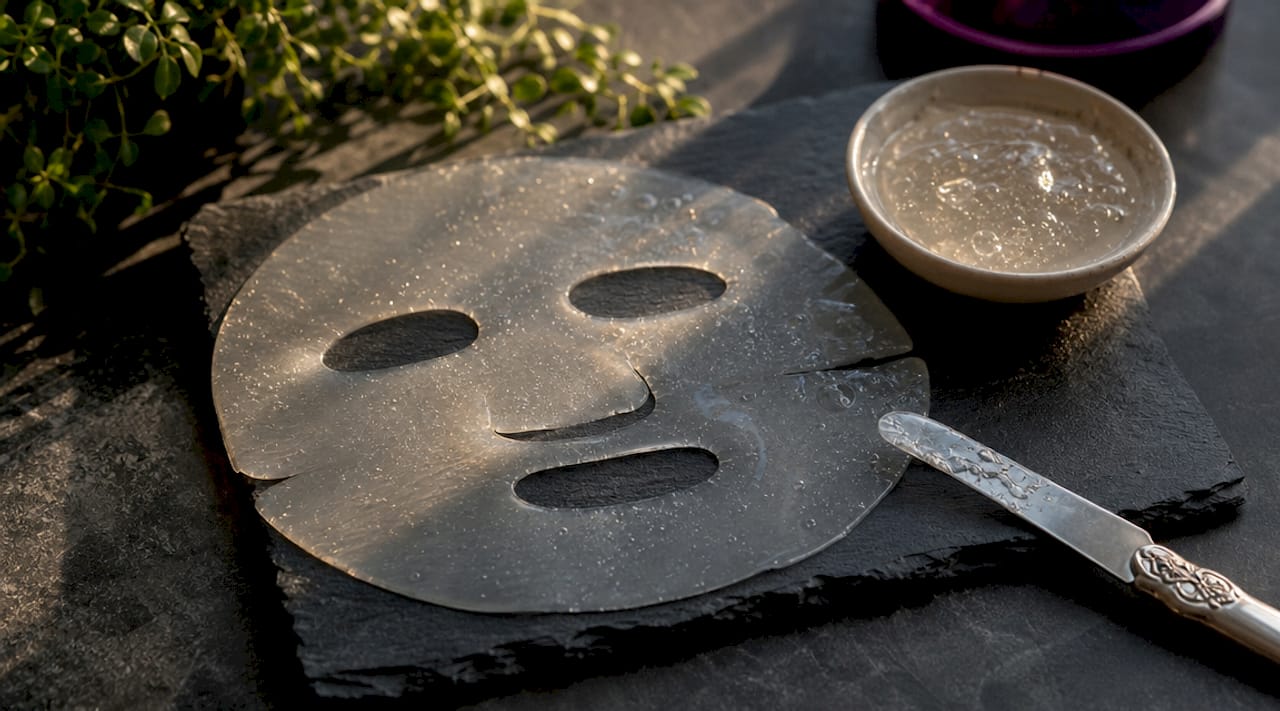
Hydrogel masks also release ingredients gradually rather than all at once. Sustained ingredient release enhances effectiveness over the recommended 20 to 30 minute wear time, compared to cotton masks that release quickly and then dry out. As the gel delivers its payload, the mask visibly thins and becomes more transparent. That transparency is not a defect. It signals that the delivery mechanism is working.
Here is a breakdown of the three delivery mechanisms at work:
- Occlusion effect: The gel layer seals moisture against the skin, preventing transepidermal water loss during wear.
- Sustained release: Cross-linked polymers meter out actives gradually, extending the window of absorption.
- Temperature response: Hydrogel conducts cool temperatures well, which is why refrigerating the mask before use amplifies its soothing effect.
Pro Tip: Look for masks where the gel becomes noticeably thinner by the time you remove it. Visible thinning confirms that the actives have absorbed rather than evaporating into the air.
| Mask type | Ingredient delivery | Wear experience |
|---|---|---|
| Hydrogel | Sustained, embedded in gel matrix | Cooling, close-fitting, transparent as it absorbs |
| Cotton/fiber | Rapid release, surface saturation | Can dry out before 20 minutes |
| Bio-cellulose | Moderate sustained release | Excellent fit, biodegradable, higher cost |
What are the benefits of Korean hydrogel masks for your skin?
The benefits of hydrogel masks go beyond basic hydration, though hydration is where they genuinely excel. Polysaccharide-rich hydrogels improve skin plumpness and elasticity by locking in moisture and boosting active ingredient absorption. That means a single 20-minute session can produce a measurable difference in how firm and smooth your skin feels.
The cooling and soothing properties are equally significant. Hydrogel masks reduce puffiness and calm sensitive skin through a cooling sensation that constricts surface blood vessels. This makes them particularly useful after sun exposure, after a long flight, or on mornings when your skin looks tired and reactive. The effect is immediate and visible, not subtle.
Active ingredient delivery is where hydrogel masks separate themselves from every other at-home treatment format. Peptides, niacinamide, hyaluronic acid, and collagen are all commonly embedded in Korean hydrogel formulas. Products like the SUNGBOON Deep Collagen Hyalu-B5 combine collagen and hyaluronic acid directly in the gel matrix, which means those ingredients reach the skin under occlusion rather than sitting on top of a fabric layer.
Key skin benefits at a glance:
- Deep hydration: Hydrogel seals moisture against the skin for the full wear period, leaving skin plump and dewy after removal.
- De-puffing: The cooling gel constricts blood vessels and reduces morning puffiness, particularly around the eye area.
- Active penetration: Peptides, niacinamide, and collagen absorb more effectively under the occlusive gel layer than through standard application.
- Sensitive skin compatibility: Hydrogel masks are hypoallergenic and generally well-tolerated, though natural versus synthetic polymer formulas differ in biodegradability and skin response.
- Sensory experience: The cooling, second-skin fit is noticeably more comfortable than a damp cotton sheet, which matters for consistent use.
“Hydrogel masks represent one of the few at-home skincare formats where the delivery technology genuinely matches the marketing claims. The occlusion mechanism is real, the cooling effect is measurable, and the fit advantage over cotton is not marginal.” — Hale Cosmeceuticals
Korean skincare hydration philosophy treats moisture as the foundation of every other skin benefit, from radiance to barrier repair. Hydrogel masks are the most direct expression of that philosophy in a single product.
How do Korean hydrogel masks compare to other sheet masks?
The sheet mask category includes three main formats: cotton or fiber, bio-cellulose, and hydrogel. Each has a distinct material profile, and the differences are not cosmetic.
Cotton and fiber masks are the most common and the most affordable, typically ranging from $1 to $4 per unit. They work by soaking a fabric sheet in serum and pressing it against the face. The problem is that fabric is a poor delivery vehicle. It releases most of its serum load in the first few minutes, and then the mask begins to dry out, which can actually pull moisture back from your skin if left on too long. They are a reasonable entry point, but the delivery ceiling is low.
Bio-cellulose masks are made from fermented bacterial cellulose and offer a better fit than cotton. They are biodegradable and generally well-tolerated, but they come at a higher price point and are less widely available in standard retail formats. Their ingredient delivery sits between cotton and hydrogel.
Hydrogel masks fit facial contours more precisely than cotton or fiber masks, delivering a second-skin experience that supports sustained active delivery. This adherence minimizes serum evaporation and improves the overall treatment result. Hydrogel masks typically retail between $3 and $8 per mask, reflecting the premium ingredient delivery and the more complex manufacturing process.
| Feature | Hydrogel | Cotton/fiber | Bio-cellulose |
|---|---|---|---|
| Ingredient delivery | 30 to 40% higher absorption | Standard | Moderate |
| Fit and adhesion | Precise, second-skin | Loose, can shift | Excellent |
| Wear time | 20 to 30 minutes | 15 to 20 minutes | 20 to 30 minutes |
| Price per mask | $3 to $8 | $1 to $4 | $5 to $12 |
| Sensory experience | Cooling, smooth | Wet fabric feel | Soft, natural |
Pro Tip: If you are choosing between hydrogel and bio-cellulose, go hydrogel for hydration and cooling. Choose bio-cellulose if you prioritize biodegradability and a natural material profile.
How to use Korean hydrogel masks effectively in your routine
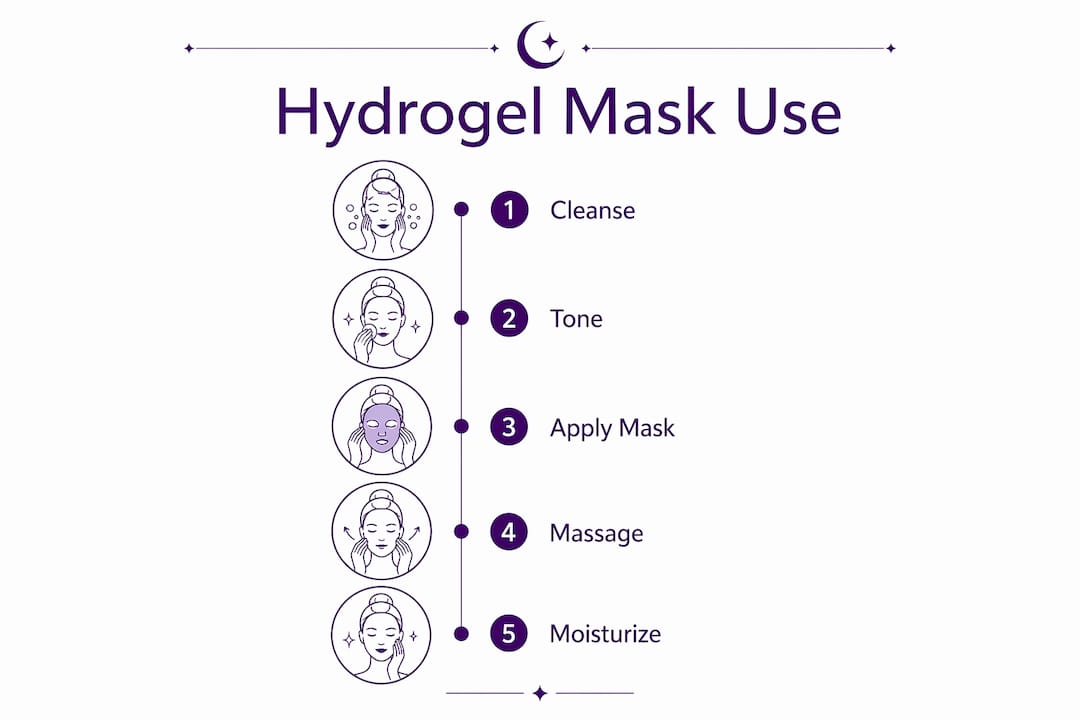
Using a hydrogel mask correctly makes a measurable difference in results. The steps below reflect how Korean skincare practitioners integrate this format into a full regimen, including the 10-step Korean skincare routine.
- Cleanse thoroughly. Remove all makeup, sunscreen, and surface debris before masking. A double cleanse using an oil-based cleanser followed by a water-based cleanser is standard practice in Korean skincare and prepares the skin to receive actives without barrier interference.
- Apply toner. A hydrating toner applied before the mask primes the skin and increases its receptivity to the actives in the gel. Slightly damp skin absorbs ingredients faster than dry skin.
- Refrigerate the mask first. Storing hydrogel masks in the refrigerator before application enhances the cooling effect and improves temporary redness and puffiness reduction. Five to ten minutes in the fridge is enough.
- Apply the mask and press firmly. Hydrogel masks often come in two pieces, an upper and lower section. Press each piece firmly against your face to eliminate air pockets and maximize contact with the skin.
- Wear for 20 to 30 minutes. Do not exceed 30 minutes. After that point, the gel has delivered its actives and leaving it on longer provides no additional benefit.
- Remove and pat in the residue. Do not rinse. Pat any remaining serum into the skin using clean fingertips.
- Follow with moisturizer. Seal the hydration with a moisturizer or facial oil to lock in everything the mask delivered.
Within a full Korean skincare routine, the mask step falls after toner and essence but before serum and moisturizer. Frequency of two to three times per week is standard for most skin types.
Pro Tip: Pair your hydrogel mask session with a Korean face massage immediately after removal. The boosted circulation helps drive residual actives deeper and gives you a noticeably firmer finish.
Why hydrogel masks changed how I think about masking
I have used a lot of masks over the years, and the honest truth is that most of them are more ritual than result. Cotton sheet masks feel satisfying in the moment, but the delivery mechanism is genuinely limited. When I first started working with Korean hydrogel formats, the visible thinning of the gel during wear was the detail that changed my perspective. You can see the mask working. That is not common in skincare.
What I find underappreciated is how much the fit matters. A mask that shifts, bunches, or dries out at the edges is not delivering evenly. Hydrogel’s second-skin adhesion means the entire treatment surface stays in contact with your skin for the full wear period. That consistency is what produces the reliable, repeatable results that make people actually stick with a masking habit.
I also think the cooling effect is undersold. Most people treat it as a comfort feature. It is actually a functional benefit. Vasoconstriction at the skin surface reduces redness and puffiness in a way that no serum applied at room temperature can replicate. Refrigerating the mask before use is not a luxury step. It is a technique.
My recommendation for anyone new to this format: start with a collagen and hyaluronic acid formula. The MEDIHEAL Collagen Essential Mask is a well-formulated entry point that delivers visible plumping without irritation. Use it twice a week for three weeks and assess your baseline hydration. The results speak clearly.
— Lunara
Explore Korean hydrogel masks at Lunarashopping
Lunarashopping carries a curated selection of Korean hydrogel masks and complete skincare bundles designed to deliver the results you just read about.
The Korean Glass Skin Routine Bundle brings together the key steps of a hydration-focused Korean skincare routine, including hydrogel masking, in a single set. It is a practical way to experience the full protocol without building it piece by piece. If you prefer to customize your regimen, the Custom Skincare Kit Builder lets you select individual products, including hydrogel masks, based on your skin type and goals. Every product in the Lunarashopping catalog is sourced from trusted Korean beauty brands, so you are getting formulas that match the science described in this article.
FAQ
What is a Korean hydrogel mask made of?
A Korean hydrogel mask is made of cross-linked water-based polymers, often combined with polysaccharides, with active ingredients embedded directly in the gel matrix. This structure allows the mask to adhere closely to the skin and release actives gradually during wear.
Are hydrogel masks effective for all skin types?
Hydrogel masks are hypoallergenic and generally suitable for all skin types, including sensitive skin. Those with reactive skin should check whether the formula uses natural or synthetic polymers, as natural polysaccharide-based hydrogels tend to be gentler.
How often should you use a Korean hydrogel mask?
Two to three times per week is the standard recommendation for most skin types. Using a hydrogel mask more frequently than that offers diminishing returns, and your skin benefits from recovery time between sessions.
How do hydrogel masks compare to regular sheet masks?
Hydrogel masks deliver 30 to 40% higher ingredient absorption compared to standard cotton or fiber sheet masks, due to their semi-occlusive barrier and sustained-release delivery mechanism. They also fit facial contours more precisely and do not dry out during wear.
Where does a hydrogel mask fit in a Korean skincare routine?
Apply the hydrogel mask after toner and essence, before serum and moisturizer. This placement allows the mask to work on primed skin and lets your follow-up products seal in the hydration the gel delivered.
Key takeaways
Korean hydrogel masks deliver superior hydration and active ingredient absorption through a semi-occlusive polymer gel that adheres precisely to the skin and releases actives gradually over 20 to 30 minutes.
| Point | Details |
|---|---|
| Hydrogel composition | Cross-linked polymers embed actives directly in the gel, not on a fabric carrier. |
| Absorption advantage | Hydrogel masks offer 30 to 40% higher ingredient absorption than cotton sheet masks. |
| Cooling and de-puffing | Refrigerating the mask before use enhances vasoconstriction and reduces redness. |
| Routine placement | Apply after toner and essence, before serum and moisturizer, two to three times per week. |
| Price and value | Hydrogel masks retail at $3 to $8 per mask, justified by clinical delivery performance. |