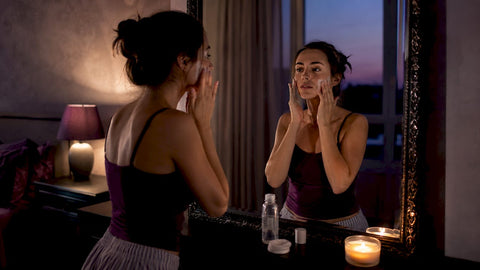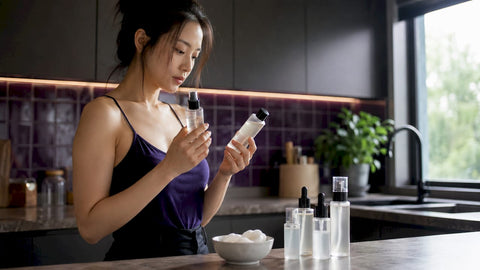
Customizing Korean skincare layering for oily skin is defined as selecting and sequencing lightweight, targeted products to hydrate the skin barrier and reduce compensatory sebum production. The standard industry term for this practice is personalized K-beauty layering, and it differs from generic multi-step routines by prioritizing your skin’s specific oil and hydration balance rather than following a fixed product count. Oily skin is frequently dehydrated, which means skipping hydration steps actually worsens shine. A personalized K-beauty routine built around barrier-first hydration and selective actives is the most direct path to balanced, clarified skin in 2026.
What key products are needed to customize Korean layering for oily skin?
The foundation of any custom Korean skincare routine for oily skin starts with double cleansing. Double cleansing uses an oil-based cleanser first to dissolve sebum and sunscreen, followed by a water-based cleanser to remove remaining impurities without stripping the skin barrier. This two-step cleanse prevents the over-stripping that triggers reactive oil production later in the day.
After cleansing, a hydrating toner is your first true layering step. Look for water-based formulas containing hyaluronic acid or centella asiatica rather than alcohol-heavy astringents. The MIDHA Rice Sebum Face Toner is a strong example: it delivers lightweight hydration while actively managing sebum, making it well-suited for oily and sensitive skin types.
Serums are where targeted treatment happens. Niacinamide regulates sebum production and minimizes pore appearance, while BHA (salicylic acid) acts as a keratolytic agent that dissolves oil-based debris inside pores. BHA is recommended 2 to 3 times per week for oily skin to clear congestion without causing daily irritation. Using it every day increases sensitivity risk, so schedule it strategically rather than treating it as a daily step.
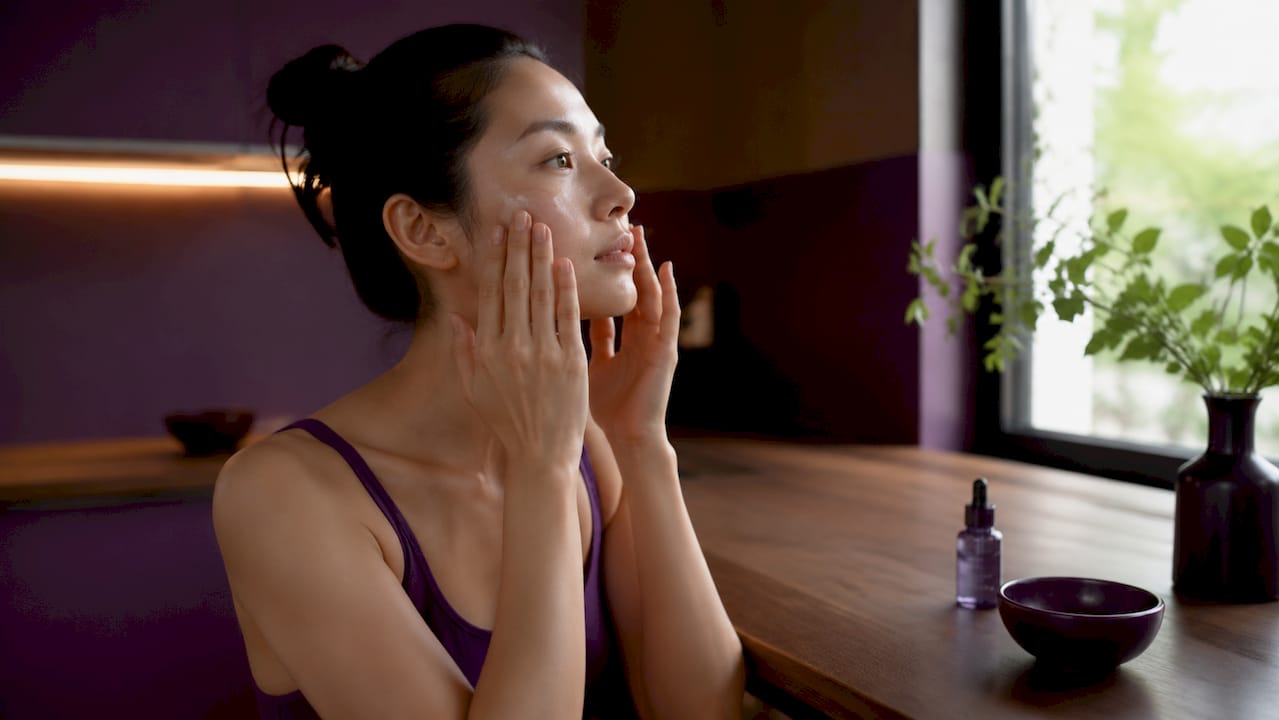
For moisturizer, the rule is gel-cream or water-gel textures only. Lightweight gel-cream moisturizers enhance hydration without worsening oiliness, and they signal to your skin that the barrier is supported, which slows excess oil output over time. Heavy creams and occlusive balms belong in dry skin routines, not oily ones.
Here is a quick reference for the essential product types:
- Oil-based cleanser: Dissolves sunscreen and sebum without disrupting the barrier
- Water-based cleanser: Removes residual impurities gently
- Hydrating toner or essence: Delivers water-binding ingredients like hyaluronic acid as the first hydration layer
- Niacinamide serum: Regulates oil production and reduces hyperpigmentation
- BHA exfoliant: Clears pore congestion 2 to 3 times per week
- Gel-cream moisturizer: Locks in hydration without heaviness
- Broad-spectrum SPF: Protects the barrier and prevents post-inflammatory marks from worsening
Pro Tip: Apply your niacinamide serum before BHA on treatment days. Niacinamide calms the skin first, which reduces the chance of redness when the BHA goes to work.
How to layer Korean skincare products properly for oily skin?
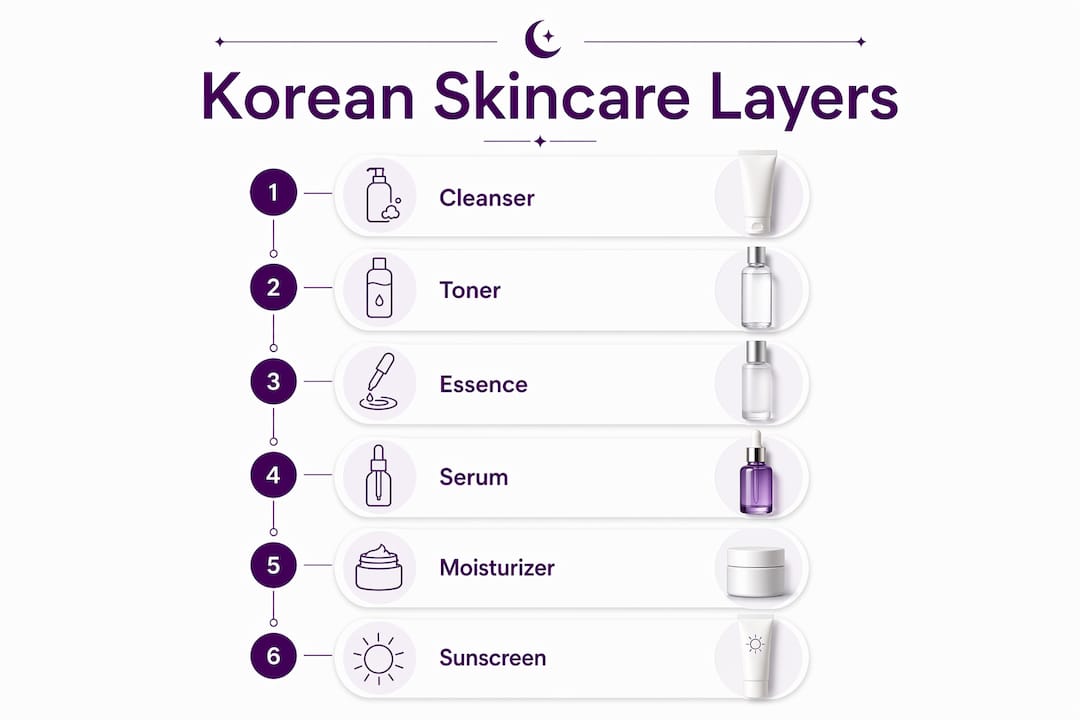
Correct layering order determines whether your products absorb fully or sit on top of each other. The core principle is layering from thin to thick textures, which allows each layer to penetrate before the next one is applied. Applying a thick gel-cream before a watery essence, for example, physically blocks absorption and reduces efficacy.
Follow this sequence for your morning routine:
- Oil-based cleanser (skip in the morning if you cleansed thoroughly the night before; a gentle rinse is sufficient)
- Water-based cleanser
- Hydrating toner (pat in gently; do not rub)
- Essence (thinner than serum; apply before serums)
- Niacinamide serum (let it absorb for 30 to 60 seconds)
- Gel-cream moisturizer
- Broad-spectrum SPF 30 or higher
For your evening routine, replace SPF with your BHA exfoliant on designated treatment nights (2 to 3 times per week). On non-BHA nights, you can add a second hydrating essence layer or a lightweight sheet mask before moisturizer to replenish hydration lost during the day.
Timing matters between steps. Waiting 30 to 60 seconds between each layer allows the previous product to partially absorb, preventing pilling and improving penetration. This is especially true between your BHA step and moisturizer, since applying moisturizer too quickly over an acid can dilute its effectiveness.
Morning and evening routines differ in one key way: morning focuses on protection and hydration, while evening focuses on repair and treatment. Active ingredients like BHA belong in the evening because they increase photosensitivity and work more effectively during the skin’s overnight repair cycle. Understanding why Korean brands emphasize hydration in both AM and PM routines clarifies why skipping the toner step, even at night, slows your results.
Pro Tip: On BHA nights, apply your gel-cream moisturizer while your skin is still slightly damp from the toner step. Damp skin absorbs water-based moisturizers more effectively and reduces the tight feeling some people notice after acid use.
How to personalize layering steps based on your oily skin concerns?
Personalization starts with reading your skin before you build your routine each day. Oily skin is not a fixed state. It shifts based on humidity, stress, diet, and hormonal cycles. A customized Korean skincare routine for oily skin typically uses 4 to 7 steps rather than the full 10-step approach, which reduces unnecessary product load and skin stress.
The table below maps common oily skin concerns to specific layering adjustments:
| Skin concern | Layering adjustment |
|---|---|
| Dehydrated and oily | Add a second toner layer or lightweight essence; use the 7-skin method with a water-based toner applied 2 to 3 times |
| Congested pores | Schedule BHA 2 to 3 nights per week; skip heavy serums on those nights |
| Sensitivity or redness | Drop BHA temporarily; focus on centella asiatica and niacinamide only |
| Excess midday shine | Reduce moisturizer quantity in the morning; use a mattifying SPF as the final layer |
| Breakout-prone | Avoid occlusive ingredients like petrolatum; stick to non-comedogenic gel textures throughout |
The hydrate to control oil method is the most counterintuitive but most effective adjustment for oily skin. Consistent hydration with niacinamide, hyaluronic acid, and lightweight gels reduces compensatory sebum production over 6 to 8 weeks. This means your skin gradually produces less oil because it no longer needs to compensate for barrier dehydration.
Tracking your skin’s response over two to four weeks reveals which layers are genuinely working. If shine increases after adding a new product, remove it for one week and observe the change. If your skin feels tight after cleansing, your cleanser is too stripping and you need a gentler formula. Personalization is an ongoing process, not a one-time setup. The K-beauty no-sebum routine guide from Lunarashopping offers a practical minimalist framework if you want to start with fewer steps and build from there.
Common mistakes and how to fix them in your layering routine
The most damaging mistake oily skin types make is skipping moisturizer. Skipping moisturizer causes reactive sebum compensation, meaning your skin produces more oil to offset the lack of surface hydration. Switching to a non-comedogenic gel-cream breaks this cycle within a few weeks.
Over-cleansing is the second most common error. Washing your face more than twice daily strips the acid mantle, the skin’s natural protective film, and triggers the same compensatory oil response. A gentle, pH-balanced water-based cleanser used morning and evening is sufficient for most oily skin types.
Here are the most frequent layering mistakes and their fixes:
- Applying BHA daily: Reduces to 2 to 3 times per week to prevent barrier damage and sensitivity
- Using occlusive creams: Replace with gel-cream or water-gel moisturizers that do not block pore function
- Layering too many actives at once: Introduce one new active ingredient at a time over two to four weeks
- Skipping SPF because of shine: Use a lightweight, matte-finish SPF 30 or higher; unprotected skin develops more post-inflammatory hyperpigmentation from breakouts
- Applying products in the wrong order: Always follow thin to thick; toner before essence, essence before serum, serum before moisturizer
“Oily skin that is also dehydrated needs hydration layers first. Treating only the oil without addressing the dehydration underneath keeps the skin stuck in a cycle of shine and sensitivity.”
Signs your routine needs adjustment include persistent midday shine despite moisturizing, new breakouts in areas where you previously had none, and a tight or stinging feeling after applying any product. These signals indicate either the wrong product type, incorrect layering order, or an ingredient incompatibility that needs to be isolated and removed.
Key takeaways
Personalized K-beauty layering for oily skin works by combining barrier-first hydration, selective BHA use, and lightweight gel textures to reduce compensatory sebum production over 6 to 8 weeks.
| Point | Details |
|---|---|
| Hydration reduces oil | Consistent hydration with hyaluronic acid and niacinamide signals the skin to slow excess sebum output. |
| Thin to thick layering | Apply products from the thinnest texture to the thickest to maximize absorption at every step. |
| BHA scheduling | Use salicylic acid 2 to 3 times per week, not daily, to clear pores without damaging the barrier. |
| Fewer steps work better | A 4 to 7 step routine reduces skin stress and is more effective than a full 10-step approach for oily skin. |
| Never skip moisturizer | Skipping moisturizer triggers reactive sebum production; a gel-cream formula breaks the oiliness cycle. |
What I’ve learned from years of watching oily skin respond to K-beauty layering
The most consistent observation I’ve made is that oily skin responds to patience more than to product quantity. People often add more steps when their skin is oily, when the real answer is usually to remove one or two products and focus on hydration quality instead of volume.
The skinimalism approach, meaning fewer, more targeted layers, produces better long-term results for oily skin than a 10-step routine loaded with actives. I’ve seen skin that was persistently congested and shiny calm down significantly after stripping back to a cleanser, toner, niacinamide serum, gel-cream moisturizer, and SPF. That’s five steps. The skin stopped overproducing oil because it was finally getting consistent, lightweight hydration without being overwhelmed by competing actives.
The 6 to 8 week timeline for the hydrate-to-control-oil method is real, and it requires you to resist the urge to add a new product every two weeks when you don’t see immediate results. Skin barrier repair is slow by design. Tracking your skin with weekly photos or a simple journal entry helps you see gradual improvement that you’d otherwise miss day to day.
One thing I’d push back on is the idea that oily skin needs strong, drying actives to stay clear. Harsh toners with high alcohol content and daily acid use do more damage than good for most oily skin types. The gentle formulas that Korean skincare is known for exist precisely because Korean dermatology prioritizes barrier health over aggressive treatment. That philosophy is worth trusting.
— Lunara
Build your personalized Korean layering routine with Lunarashopping
Lunarashopping carries a curated selection of Korean skincare products designed specifically for oily and combination skin types. Whether you’re starting from scratch or refining an existing routine, the right products make the difference between a routine that works and one that just adds more shine.
The Korean Glass Skin Routine Bundle brings together the core layering steps in one set, covering hydration, treatment, and protection with lightweight, oily-skin-appropriate formulas. If you prefer to build your own sequence, the Custom Skincare Kit Builder lets you select each layer individually based on your specific concerns, whether that’s congestion, dehydration, or sensitivity. Browse the full face care collection to find every product type covered in this guide.
FAQ
What is the best layering order for oily skin in a Korean routine?
The correct order is cleanser, toner, essence, serum, gel-cream moisturizer, and SPF in the morning. Apply products from thinnest to thickest texture to maximize absorption at each step.
How many steps should a Korean skincare routine for oily skin have?
A personalized Korean skincare routine for oily skin works best with 4 to 7 steps. Fewer targeted layers reduce skin stress and are more effective than a full 10-step approach for managing oiliness.
Does oily skin still need a moisturizer?
Yes. Skipping moisturizer causes reactive sebum compensation, which increases oiliness. A lightweight, non-comedogenic gel-cream moisturizer hydrates the barrier and reduces excess oil production over time.
How often should I use BHA in my Korean layering routine?
BHA (salicylic acid) is recommended 2 to 3 times per week for oily skin. Daily use increases the risk of irritation and barrier damage, which worsens oiliness rather than controlling it.
Can the Korean 7-skin method work for oily skin?
Yes, with modifications. Oily skin types should use a lightweight, water-based toner and limit layering to 2 to 3 applications rather than 7. This delivers moisture retention benefits without heaviness or clogged pores.