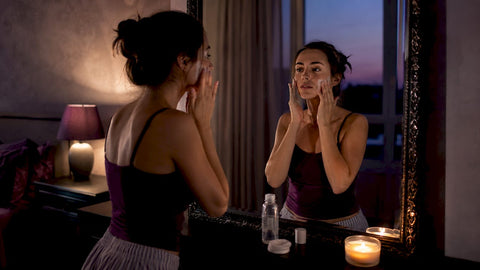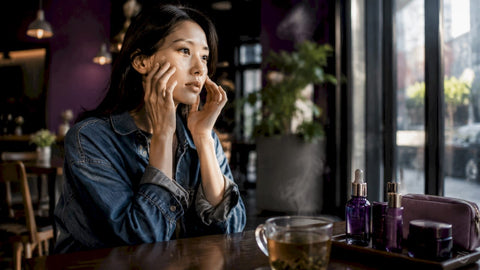
The 10 step Korean skincare routine is a customizable, layered approach to cleansing, treating, moisturizing, and protecting skin that prioritizes hydration and long-term skin health over quick fixes. Known in the K-beauty world as a modular framework rather than a rigid daily checklist, it includes products like oil cleansers, toners, essences, serums, sheet masks, and sunscreen. K-beauty expert Sarah Chung Park describes the routine as personalized and adjustable, meaning you add or remove steps based on what your skin needs that day. That flexibility is exactly what makes this step by step skincare approach worth learning.
1. what is the 10 step korean skincare routine?
The 10 step Korean skincare routine is a layered regimen built around the idea that skin health comes from consistent hydration, gentle treatment, and daily protection. The standard step order runs as follows: oil cleanser (PM only), water-based cleanser, exfoliant (1–2 times weekly), toner, essence, serum or ampoule, sheet mask (2–3 times weekly), eye cream, moisturizer, and SPF or sleeping mask.
Each product serves a distinct function. Oil cleansers dissolve sunscreen and sebum. Toners restore the skin’s pH. Essences and serums deliver concentrated actives. Moisturizers seal everything in. Sunscreen protects the results you worked for.
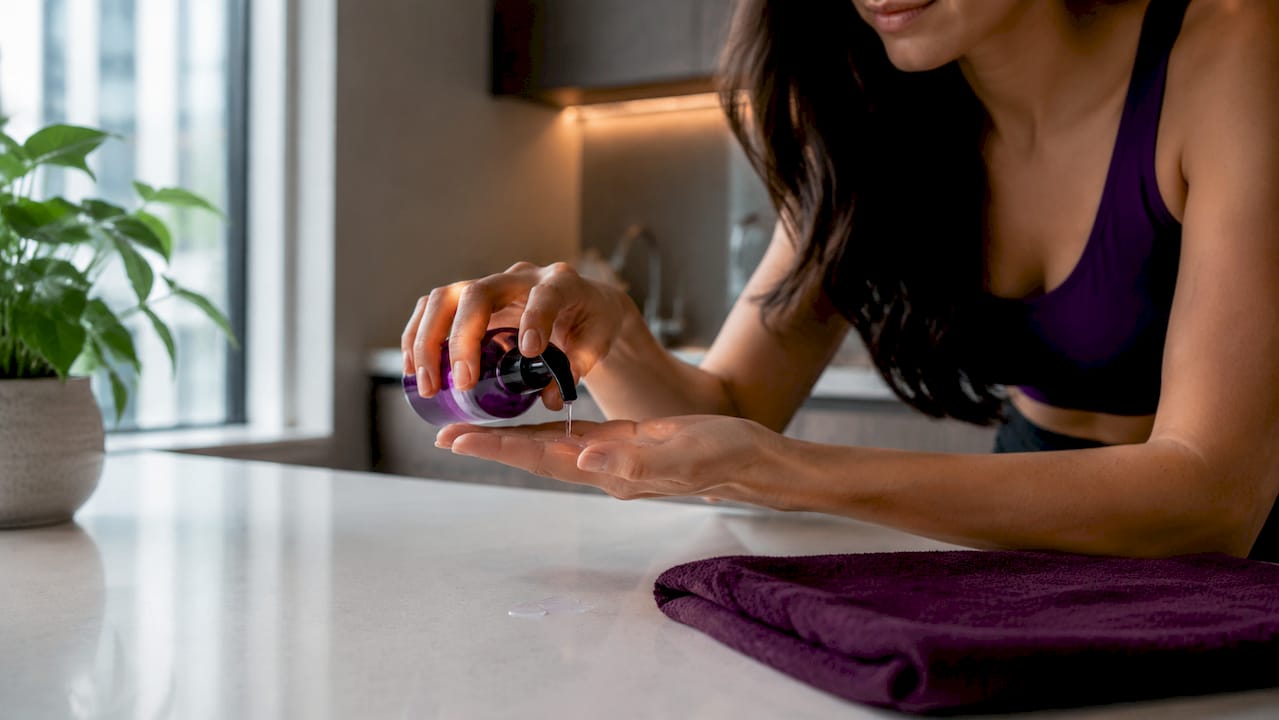
Most Koreans do not perform all 10 steps every single day. Real skincare habits show that 3–5 steps are typical daily, with the full routine reserved for when skin needs extra attention. That fact reframes the entire approach: think of it as a menu, not a mandate.
2. double cleansing: the non-negotiable foundation
Double cleansing is the first and most critical step in any K-beauty routine. It uses two cleansers in sequence: an oil-based cleanser first, then a water-based cleanser second. Oil cleansers dissolve oil-bound impurities like sunscreen, makeup, and excess sebum that water alone cannot remove.
The water-based cleanser follows to clear away sweat, dirt, and any remaining residue. Skipping the oil step means those impurities stay on your skin and block absorption of every product you apply after. This two-step cleanse is a PM-only step. In the morning, a gentle water-based rinse is all most skin types need.
Pro Tip: Use a cleansing balm or micellar oil as your first cleanser if you wear heavy SPF or full-coverage makeup. They emulsify quickly and rinse clean without stripping the skin barrier.
3. toner: hydration reset after cleansing
A Korean toner is not the astringent, alcohol-heavy formula common in Western skincare. Korean toners are hydrating, pH-balancing liquids applied immediately after cleansing to prep skin for the layers that follow. They restore the skin’s slightly acidic pH, which cleansing disrupts, and begin the hydration-building process.
Apply toner by pressing it gently into the skin with your palms rather than swiping with a cotton pad. This technique reduces product waste and improves absorption. Some K-beauty routines use the “7 skin method,” layering toner up to seven times for deep hydration. That is optional, but applying two to three layers is a practical starting point for dry skin.
4. essence: the heart of k-beauty hydration
Essence is the product category most associated with Korean skincare and the one that sets K-beauty apart from Western routines. An essence is a lightweight, water-based formula packed with hydrating and skin-renewing ingredients like hyaluronic acid, fermented extracts, and niacinamide. It sits between toner and serum in the layering order.
Essences work by delivering active ingredients in a format thin enough to absorb before heavier products are applied. Fermented ingredients, common in brands like SK-II and COSRX, support the skin’s microbiome and improve texture over time. If you only add one optional step to a basic routine, essence is the most impactful choice.
5. serums and ampoules: targeted treatment
Serums and ampoules are the most concentrated treatment products in the K-beauty routine. They target specific concerns: vitamin C for brightening hyperpigmentation, retinoids for anti-aging, niacinamide for pore refinement, and peptides for firmness. Ampoules are simply a more potent version of serums, used in shorter treatment cycles.
The role of serums in a multi-step routine is to deliver actives deep into the skin before a moisturizer seals them in. Apply serum after essence and before eye cream. Use only one or two actives at a time. Introducing too many actives simultaneously causes irritation, dryness, and can compromise the skin barrier.
Pro Tip: If you use a vitamin C serum in the morning and a retinoid at night, keep them on separate schedules. Mixing them in one session increases the risk of redness and peeling.
6. exfoliation: weekly, not daily
Exfoliation removes dead skin cells to reveal a brighter, smoother surface. In the K-beauty routine, it is a weekly step, not a daily one. Chemical exfoliants like AHAs (alpha hydroxy acids such as glycolic and lactic acid) and BHAs (beta hydroxy acids like salicylic acid) are preferred over physical scrubs because they work more evenly and with less risk of micro-tears.
The recommended frequency is 1–2 times per week. Daily exfoliation strips the skin barrier, causes sensitivity, and can trigger breakouts. If you have sensitive skin, start with once a week and monitor your skin’s response before increasing. The MIDHA Rice Bran Facial Scrub Foam is a gentle physical option for those who prefer a tactile cleanse without harsh abrasives.
7. sheet masks: intensive hydration treatments
Sheet masks are saturated fabric masks soaked in concentrated serum. They create a sealed environment against the skin, pushing active ingredients deeper than a standard serum application. In the K-beauty routine, sheet masks are used 2–3 times per week, not daily.
Apply a sheet mask after your toner and essence, leave it on for 15–20 minutes, then press the remaining serum into your skin rather than rinsing. Follow with moisturizer to lock in the hydration. Sheet masks are particularly effective before events when you want your skin to look plump and radiant. They are also useful after sun exposure or during seasonal skin stress.
8. eye cream: optional but targeted
Eye cream addresses the delicate skin around the eyes, which is thinner and more prone to dryness, fine lines, and puffiness than the rest of the face. It is an optional step in the K-beauty routine, but it delivers targeted benefits that a standard moisturizer cannot replicate. Look for ingredients like caffeine for puffiness, peptides for firmness, and ceramides for barrier support.
Apply eye cream with your ring finger using a light tapping motion. The ring finger applies the least pressure, which protects the fragile tissue around the eye. Use a pea-sized amount and apply before your moisturizer so the eye area gets its own dedicated treatment layer.
9. moisturizer and sleeping mask: sealing the routine
Moisturizer is the step that locks in every layer applied before it. In the K-beauty routine, moisturizers range from lightweight gel formulas for oily skin to rich creams for dry skin. The goal is to seal hydration and support the skin barrier, not just add surface moisture. Look for ingredients like ceramides, shea butter, and squalane.
At night, a sleeping mask replaces or supplements your moisturizer. Sleeping masks are occlusive, meaning they form a barrier that prevents moisture loss while you sleep. They are thicker than standard moisturizers and are applied as the final PM step. Korean emulsions sit between toner and moisturizer in texture and are worth exploring if you find standard creams too heavy.
10. sunscreen: the most evidence-backed step
Sunscreen is the final AM step and the one with the strongest scientific backing. Board-certified dermatologist Jane Yoo states that sunscreen applied last every morning is the most evidence-backed step in any skincare routine. UV exposure is the leading cause of premature aging, hyperpigmentation, and skin cancer, making daily SPF non-negotiable regardless of weather or season.
Korean sunscreens are formulated to be lightweight, non-greasy, and cosmetically elegant compared to many Western options. Apply SPF 30 or higher as the absolute last step in your morning routine. Applying other products on top of sunscreen reduces its effectiveness. Proper layering order always places sunscreen last in the AM and sleeping mask last in the PM.
How to customize the routine for your skin type
The K-beauty routine is designed to flex around your skin, not the other way around. Use this table to match your skin type to the right step selection:
| Skin Type | Daily Steps | Weekly Add-Ons | Key Focus |
|---|---|---|---|
| Oily or acne-prone | Cleanser, BHA toner, lightweight moisturizer, SPF | BHA exfoliant 2x, sheet mask 1–2x | Pore control, blemish management |
| Dry or dehydrated | Double cleanse (PM), toner, essence, rich moisturizer, SPF | AHA exfoliant 1x, sheet mask 3x | Hydration, barrier repair |
| Sensitive or reactive | Gentle cleanser, calming toner, moisturizer, SPF | Sheet mask 1–2x, no actives initially | Redness relief, barrier support |
| Combination | Cleanser, balancing toner, lightweight moisturizer, SPF | Exfoliant 1–2x, targeted serum | Zone-specific treatment |
| Beginners (any type) | Cleanser, moisturizer, SPF | Add one step at a time over weeks | Building tolerance gradually |
Consistency and product quality matter more than the number of steps you complete each day. A focused 3-step routine done daily outperforms an occasional full 10-step session. If you are new to multi-step skincare, the beginner’s guide at Lunarashopping is a practical starting point before expanding your routine.
Key takeaways
The most effective approach to the 10 step Korean skincare routine is flexible daily layering built around cleansing, moisturizing, and SPF, with targeted treatments added based on your skin’s current needs.
| Point | Details |
|---|---|
| Core daily steps | Cleanser, moisturizer, and SPF form the non-negotiable base of any K-beauty routine. |
| Layering order matters | Apply products from thinnest to thickest texture to maximize absorption and effectiveness. |
| Sunscreen is mandatory | Daily SPF is the most evidence-backed step and must always be applied last in the AM. |
| Limit active ingredients | Introduce one or two actives at a time to avoid irritation and barrier damage. |
| Consistency beats complexity | A smaller, consistent routine with quality products outperforms an occasional full 10-step session. |
What i’ve learned after years of recommending this routine
The biggest mistake I see is treating the 10-step routine as a performance. People buy all 10 products, use them all on night one, and wonder why their skin is red and irritated by morning. That is not a routine. That is an overload.
What actually works is building slowly. Start with a cleanser, a moisturizer, and an SPF. Hold that for two weeks. Then add an essence. Then a serum. Your skin needs time to adjust, and you need time to learn what each product is doing. Visible results from a new routine typically take 3–4 weeks to appear. Expecting overnight change leads to abandoning routines that would have worked with patience.
Seasonal adjustment is also underrated. Your skin in January is not your skin in July. I recommend reassessing your routine every season, swapping a gel moisturizer for a cream in winter, or adding a lighter SPF formula in summer. The routine should respond to your skin, not the other way around.
One more thing: ingredient overload is real. Mixing retinoids with AHAs, or vitamin C with niacinamide at high concentrations, can cause more harm than good. Keep your AM routine simple and protective. Save your actives for PM, and never layer two exfoliants in the same session.
The K-beauty philosophy is not about doing more. It is about doing the right things consistently, with products that genuinely suit your skin. That mindset shift is what separates people who see results from those who give up after two weeks.
— Lunara
Build your k-beauty routine with Lunarashopping
Starting a multi-step skincare routine is much easier when you do not have to source every product separately. Lunarashopping curates Korean skincare sets designed to take the guesswork out of building your regimen.
The Korean Glass Skin Routine Bundle brings together the core steps of the K-beauty routine in one convenient set, formulated to support hydration, radiance, and a clarified finish. If you prefer to build your own regimen step by step, the Custom Skincare Kit Builder lets you select products matched to your skin type and concerns. For mornings when you need a focused, protective routine, the Morning Face Care Routine Set covers cleansing, moisturizing, and SPF in one curated collection. Every product Lunarashopping carries is selected for quality, skin compatibility, and alignment with dermatologist-backed K-beauty principles.
FAQ
Do you have to do all 10 steps every day?
No. Most Koreans follow 3–5 steps daily, reserving the full routine for when skin needs extra care. The 10-step framework is a flexible menu, not a daily requirement.
What order should you apply korean skincare products?
Apply products from thinnest to thickest: toner, essence, serum, eye cream, moisturizer, then SPF in the AM. Proper layering order maximizes absorption and prevents heavier products from blocking lighter ones.
How long does the 10 step routine take?
A full 10-step routine takes 20–30 minutes when you allow absorption time between layers. A simplified 3–5 step version takes under 10 minutes and is more practical for daily use.
When will you see results from a korean skincare routine?
Visible improvements in hydration and texture typically appear within 2–4 weeks of consistent use. Concerns like hyperpigmentation or fine lines require 8–12 weeks of targeted treatment to show meaningful change.
Is the 10 step routine safe for sensitive skin?
Yes, with adjustments. Start with a gentle cleanser, a fragrance-free moisturizer, and SPF. Avoid actives like retinoids and AHAs until your skin has adapted. Spacing out treatments and introducing one product at a time significantly reduces the risk of irritation.