
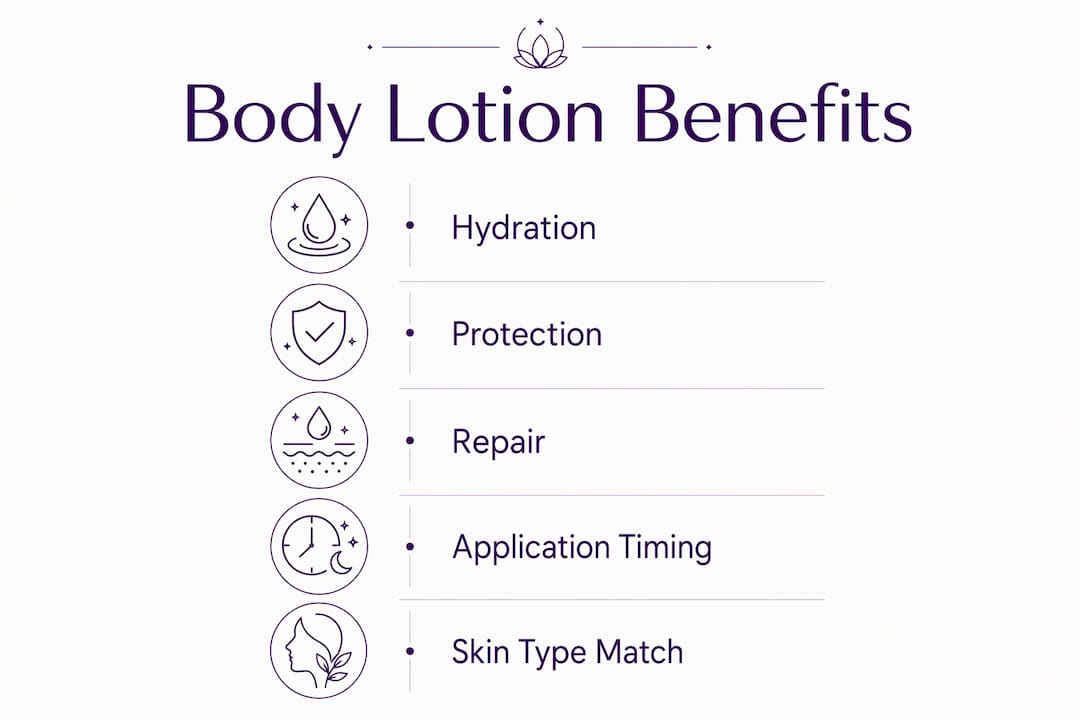
Body lotion is a moisturizer designed to hydrate, protect, and repair the skin by managing moisture levels and reinforcing the skin barrier. The role of body lotion in skin health goes well beyond surface softness. It works through a system of humectants, emollients, and occlusives that together prevent transepidermal water loss (TEWL), restore the skin’s lipid balance, and support the microbiome. Dermatologists recognize daily moisturizing as foundational skincare, not a cosmetic extra. Lunarashopping carries a curated range of body moisturizers formulated with ceramides and natural oils to support exactly this kind of barrier health.
How does body lotion hydrate and improve the skin?
Body lotion hydrates skin through a three-part moisture-management system, not simply by adding water. Effective moisturizing requires humectants to attract water into the skin, emollients to smooth and fill gaps in the skin barrier, and occlusives to seal moisture in and prevent evaporation. Each component plays a distinct role. Without all three working together, hydration is incomplete.
Here is what each ingredient type does for your skin:
- Humectants (glycerin, hyaluronic acid, urea): Pull water from the environment and deeper skin layers into the outer skin cells. Used alone without an occlusive, they can actually draw moisture out of the skin in dry climates.
- Emollients (shea butter, squalane, fatty acids): Fill in the microscopic cracks between skin cells, creating a smoother surface and reducing roughness. They are responsible for the soft, supple feel you notice after application.
- Occlusives (petrolatum, dimethicone, beeswax): Form a physical barrier on the skin’s surface that slows water evaporation. They are especially critical in cold or low-humidity environments.
The immediate softness you feel after applying lotion is not purely biological. Physical light refraction on a smooth, hydrated surface creates a sensory impression of softness before the deeper repair processes even begin. That is the short-term effect. The long-term benefit comes from consistent use, which rebuilds the skin’s lipid balance and strengthens barrier integrity over weeks.
Pro Tip: If your skin still feels tight after applying lotion, you may be using a formula that is heavy on humectants but light on occlusives. Look for products that list petrolatum, dimethicone, or beeswax in the first half of the ingredient list.
A 4-week multicenter trial on ceramide and natural oil-based body lotion showed significant improvements in skin hydration, smoothness, and lipidomics. That kind of measurable change confirms that body lotion does more than feel good. It actively repairs the skin’s structural foundation.
Why does timing and method of application matter?
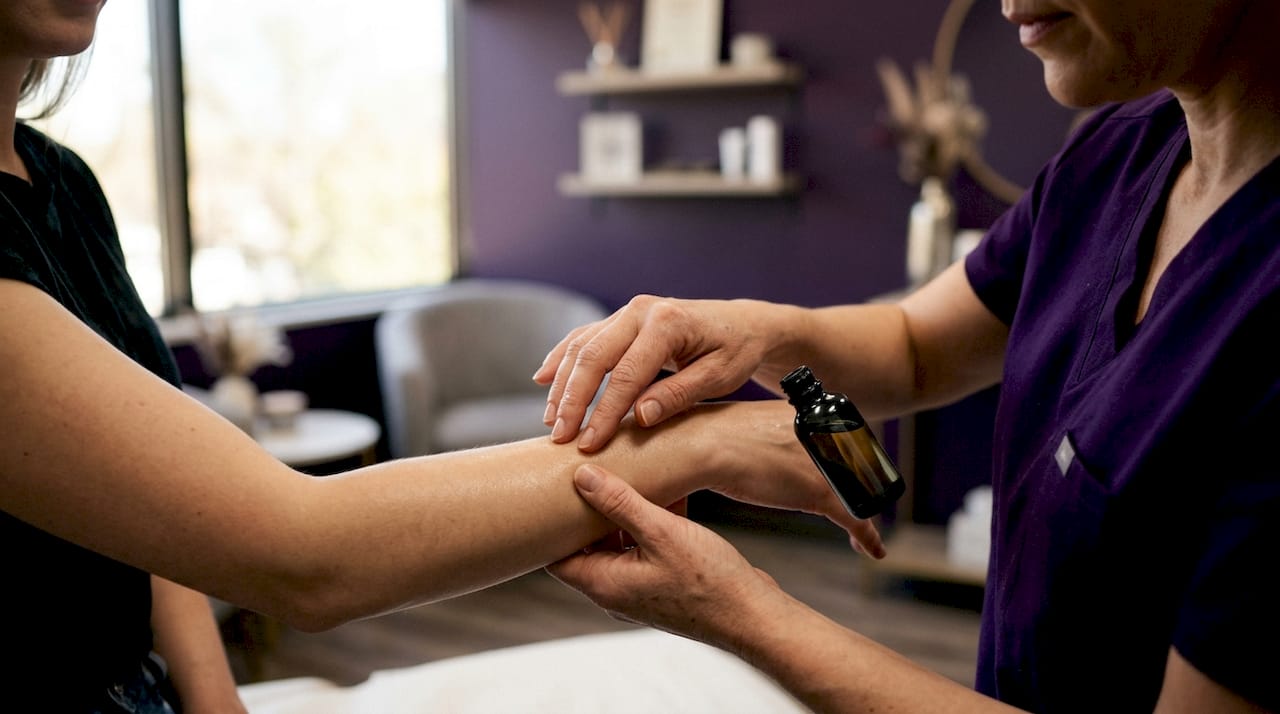
The timing of body lotion application directly affects how much moisture your skin retains. Applying lotion immediately after showering locks in the existing moisture on damp skin and prevents evaporation. Waiting until your skin is fully dry means you are moisturizing a depleted surface rather than sealing in hydration.
Follow these steps for maximum benefit:
- Shower or bathe with lukewarm water. Hot water strips the skin’s natural oils faster and increases TEWL after you step out.
- Pat skin dry gently. Leave your skin slightly damp. Do not rub it completely dry with a towel.
- Apply lotion within 2–3 minutes. This is the window when your skin is still holding surface moisture that the lotion can seal in.
- Use enough product. A thin layer is not sufficient for very dry skin. Work the lotion in with upward strokes to encourage absorption.
- Repeat as needed. Dermatological guidance recommends at least once daily, with more frequent application for dry or eczema-prone skin.
Frequency matters as much as technique. Skin loses moisture continuously throughout the day, especially in air-conditioned or heated environments. Applying lotion only once a week provides almost no barrier benefit. For people with xerosis (clinically dry skin) or eczema, twice-daily application is often necessary to see real improvement.
Pro Tip: Keep a small bottle of body lotion at your desk or in your bag. Reapplying to hands and arms midday takes 30 seconds and significantly reduces cumulative moisture loss, especially in heated or air-conditioned spaces.
How to choose the best body lotion for your skin type
Selecting the right body lotion depends on your skin type and the climate you live in. Ingredient choices should adapt to both factors, because a formula that works well in humid summer weather may leave your skin feeling tight in winter.
| Skin type | Key ingredients to look for | Texture to choose |
|---|---|---|
| Dry or very dry | Ceramides, shea butter, petrolatum, glycerin | Rich cream or balm |
| Oily or acne-prone | Hyaluronic acid, niacinamide, lightweight oils | Gel or fluid lotion |
| Sensitive | Ceramides, oat extract, allantoin, fragrance-free | Gentle cream, no dye |
| Combination | Glycerin, squalane, light emollients | Lotion (not cream) |
| Normal | Any balanced formula with humectants and emollients | Lotion or light cream |
Climate is an equally important variable. Higher occlusive concentrations are required in cold or dry climates to prevent moisture loss. In humid climates, a lighter lotion with more humectants and fewer heavy occlusives keeps skin comfortable without feeling greasy.
Beyond the basics, look for these added benefits in specialized formulas:
- Ceramides: Restore the skin’s natural lipid barrier, especially after damage from harsh soaps or cold weather. Korean skincare brands have long prioritized ceramides, which is why Korean brands emphasize hydration as a core principle.
- Antioxidants (vitamin C, vitamin E, niacinamide): Protect skin from environmental oxidative stress and support an even skin tone.
- Natural oils (rosehip, jojoba, argan): Provide emollient and mild occlusive benefits while delivering fatty acids that support barrier repair.
- Urea or lactic acid: Keratolytic agents that gently exfoliate dead skin cells and improve the penetration of other moisturizing ingredients.
Specialized lotions can provide hydration lasting up to 48 hours by supporting the skin barrier and targeting fine lines caused by dehydration. That kind of lasting effect comes from formulas that combine all three moisturizer categories with targeted repair agents.
What are the broader benefits of regular body lotion use?
Regular body lotion use does more than keep skin soft. It strengthens the skin barrier, reduces inflammation risk, slows visible signs of aging, and supports the skin’s microbiome. These are measurable, biological outcomes, not marketing claims.
- Barrier protection: A well-moisturized skin barrier is less permeable to irritants, allergens, and pathogens. Daily moisturizing protects the skin from environmental damage and inflammation, similar to how brushing teeth prevents oral disease. Skipping it consistently leads to a compromised barrier and increased sensitivity.
- Reduced aging signs: Dehydrated skin makes fine lines and wrinkles more visible. Regular hydration plumps the skin cells, reducing the appearance of surface lines. This is not the same as anti-aging treatment, but it is a meaningful cosmetic benefit.
- Microbiome support: The skin’s microbiome diversity improves with regular body lotion use, with increases in beneficial bacterial groups like Firmicutes and Cutibacterium. A healthier microbiome supports barrier function and reduces the risk of inflammatory skin conditions.
- Eczema and xerosis management: For people with chronic dry skin or eczema, consistent moisturizing is a clinical recommendation, not just a lifestyle choice. It reduces flare frequency and severity.
“The ritual of applying body lotion has psychological benefits, promoting well-being and confidence in addition to physical skin hydration.”
That psychological dimension is real. A daily moisturizing routine creates a moment of intentional self-care that reinforces positive habits. The physical act of massaging lotion into your skin also stimulates circulation and can reduce muscle tension in areas like the legs and arms. For a full picture of how moisturizing fits into a broader routine, the self-care skincare best practices guide at Lunarashopping covers the fundamentals well.
Key Takeaways
Body lotion works as a moisture-management system that hydrates, protects, and repairs the skin barrier through the combined action of humectants, emollients, and occlusives applied consistently to damp skin.
| Point | Details |
|---|---|
| Three-part hydration system | Humectants attract water, emollients smooth the barrier, and occlusives seal moisture in. |
| Timing is critical | Apply lotion within 2–3 minutes of bathing on damp skin to lock in existing moisture. |
| Match formula to skin type | Dry skin needs ceramides and occlusives; oily skin benefits from lightweight humectant formulas. |
| Daily use builds barrier health | Consistent moisturizing reduces TEWL, supports microbiome diversity, and lowers inflammation risk. |
| Benefits extend beyond hydration | Regular use minimizes fine lines, supports the microbiome, and provides measurable psychological well-being. |
Why I think most people are still missing the point on moisturizing
Most people treat body lotion as a comfort product. They reach for it when their skin feels tight or itchy, use it for a few days, and then forget about it. That approach misses the entire point.
Moisturizing works through accumulation. One application does not rebuild a compromised skin barrier. A week of consistent use starts to shift the lipid balance. A month of daily application, as the ceramide and natural oil trial showed, produces measurable changes in skin lipidomics and microbiome composition. You cannot get those results from occasional use.
The analogy I keep coming back to is dental hygiene. Nobody brushes their teeth only when they have a toothache. The whole point is prevention. Daily moisturizing works the same way. It prevents the barrier damage, inflammation, and chronic dryness that become much harder to reverse once they are established.
The other thing I see people get wrong is product selection. They buy a lotion that smells great but is mostly humectants with no real occlusive component. In a dry climate or during winter, that formula can actually pull moisture out of the skin. Understanding what is in your lotion, not just how it smells or feels in the bottle, is what separates a routine that works from one that does not. If you want guidance on building a routine that holds up through seasonal changes, the winter skin care checklist at Lunarashopping is a practical starting point.
Start with once daily, right after your shower. Give it four weeks before you judge the results. Your skin will tell you clearly whether the formula is working.
— Lunara
Body lotion options at Lunarashopping for every skin type
Lunarashopping stocks a focused range of body moisturizers formulated to address real hydration needs, from everyday maintenance to intensive barrier repair.
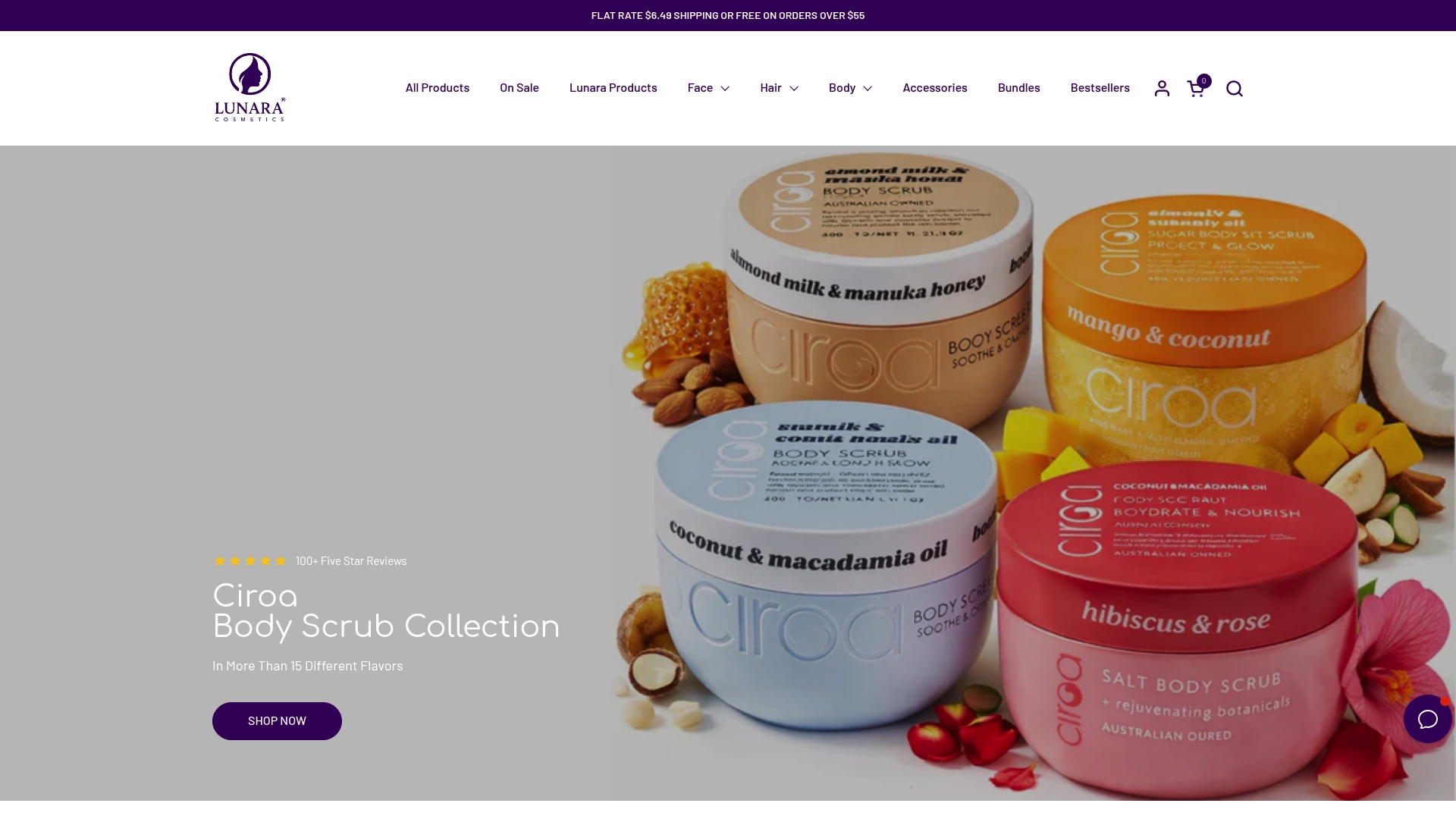
The collection includes options built around ceramides, natural oils, and antioxidant-rich ingredients, covering dry, sensitive, and combination skin types. The PRETTYSKIN Moisturizing Body Lotion and BONNYHILL Moisturising Body Lotion are two well-regarded choices that reflect the Korean skincare emphasis on barrier health and lasting hydration. If you want a more personalized approach, the custom skincare kit builder lets you select products matched to your skin type and routine goals. Quality ingredients applied consistently make the difference between skin that survives and skin that genuinely thrives.
FAQ
What is the main role of body lotion for skin?
Body lotion’s primary role is to manage skin moisture by attracting water, smoothing the skin barrier, and sealing in hydration to prevent transepidermal water loss. It also supports barrier repair and reduces the risk of dryness-related inflammation.
How often should you apply body lotion?
Dermatologists recommend applying body lotion at least once daily, ideally right after bathing on damp skin. People with dry or eczema-prone skin benefit from twice-daily application.
Does body lotion actually improve skin texture?
Yes. Regular use of ceramide and natural oil-based body lotion has been shown in clinical trials to improve skin smoothness and hydration measurably within four weeks. Emollients fill in surface irregularities, and long-term use rebuilds the skin’s lipid structure.
Can body lotion help with aging skin?
Body lotion reduces the visible appearance of fine lines caused by dehydration by plumping skin cells with moisture. Specialized formulas with antioxidants and repair agents can provide hydration lasting up to 48 hours and offer additional protection against environmental aging factors.
Is it better to apply body lotion on wet or dry skin?
Applying lotion on slightly damp skin, within 2–3 minutes of bathing, is more effective than applying it on dry skin. Damp skin retains surface moisture that the lotion seals in, maximizing the moisturizing benefit.