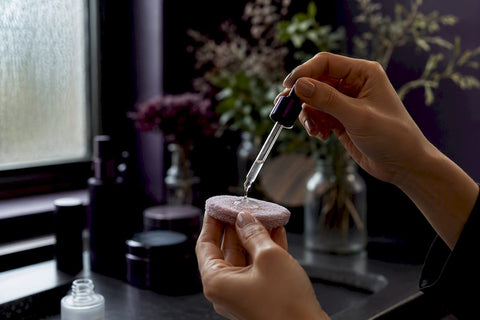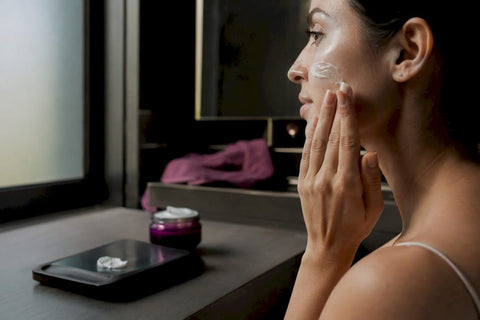
Slugging is an occlusive final step, usually petrolatum or a similar ointment, applied over your night routine to seal in moisture and cut water loss while you sleep. It works by forming a physical barrier on the skin’s surface, and it delivers its biggest payoff for dry, flaky, or barrier-damaged skin rather than oily or acne-prone complexions. If your skin feels tight, cracked, or dehydrated no matter how much moisturizer you layer on, slugging is worth trying tonight.
The Cleveland Clinic notes that slugging helps people with dry or eczema-prone skin lock in hydration and repair a compromised barrier, but the same occlusion can trigger breakouts in those prone to acne. The American Academy of Dermatology echoes that caution and adds a firm rule: skip it on active infections or open wounds. Before you reach for the jar, here’s what matters most:
- Best for: very dry, flaky, or eczema-prone skin, especially in winter
- Skip or modify if: you’re acne-prone, oily, or using retinoids and exfoliating acids
- Core mechanism: an occlusive layer that dramatically slows transepidermal water loss overnight
- Where to start: pure petrolatum or a ceramide-based healing ointment, applied as the last step
Lunarashopping stocks several barrier-support formulas suited to this exact routine if you want to build one from scratch.
Key Takeaways
Slugging works because petrolatum-based occlusives can cut transepidermal water loss by a very high percentage, making it one of the most effective tools for dry or barrier-damaged skin when used two to four nights a week.
| Point | Details |
|---|---|
| Best candidates | Very dry, flaky, or eczema-prone skin sees the fastest, most noticeable improvement. |
| Who should skip it | Oily, acne-prone, or actively infected skin should avoid or modify the technique. |
| Never seal in actives | Skip slugging on nights you use retinoids, bakuchiol, or AHA/BHA exfoliants. |
| Layer order matters | Apply occlusive last, after essence, serum, and moisturizer have absorbed. |
| Shop the routine | Lunarashopping’s face care collection stocks ceramide-rich, barrier-support formulas suited to slugging. |
Table of Contents
- What Is Slugging Korean Skincare and How Does It Work?
- Who Should Try Slugging and Who Should Avoid It?
- How Do You Slug Your Skin the Right Way?
- Which Slugging Products Actually Work Best?
- LunaraShopping’s Take on Building a Slugging-Friendly Routine
- Does Slugging Work Differently for Sensitive or Combination Skin?
- Slugging vs. Layering Moisturizers: Which Locks In More Hydration?
- Where Does Slugging Fit in a Korean Skincare Routine?
- What Non-Petrolatum Korean Products Work for Slugging?
- Does Humidity or Temperature Change How Well Slugging Works?
- What We Think About Slugging as a Long-Term Habit
- Build Your Slugging Routine With Lunarashopping
- Frequently Asked Questions
- Sources
What Is Slugging Korean Skincare and How Does It Work?
Every ingredient list has a job, and the occlusive category’s job is simple: block moisture from escaping. “Occlusive” refers to any substance that sits on the skin’s surface and physically prevents water evaporation, and “TEWL,” short for transepidermal water loss, is the measurable rate at which your skin loses hydration to the air. Slugging takes that concept to its logical extreme by applying a thick, non-absorbing layer as the very last step of your routine.
Petrolatum earns its reputation as the gold-standard occlusive because it works without reacting. According to CeraVe, petrolatum-based products can reduce TEWL by nearly 99% and test as non-comedogenic under standardized conditions, meaning the ingredient itself does not clog pores in controlled testing.
Statistic Callout: Petrolatum can cut transepidermal water loss dramatically, making it one of the most efficient occlusives available without a prescription.
In Korean beauty philosophy, slugging fits naturally into the layering tradition that already prizes hydration through sequential steps, from watery toners to thicker creams. Slugging simply adds a final seal on top of that stack rather than replacing it. Dermatologists who study barrier repair frame the technique as a short-term intervention, not a daily habit, since it works best when your skin genuinely needs help recovering.
Here’s what happens mechanically when you apply an occlusive overnight:
- Water already in your skin gets trapped instead of evaporating
- The physical barrier limits friction from bedding and reduces moisture-driven irritation
- Skin cells retain enough hydration to support the barrier’s natural repair processes, as explained in detail in our partner article on why sleep improves skin appearance
- Visible flakiness and tightness often improve within one or two nights
Who Should Try Slugging and Who Should Avoid It?
Slugging rewards specific skin profiles and punishes others, so matching the technique to your actual skin condition matters more than following a trend because it’s popular.
People who see the biggest gains typically have very dry skin, eczema, or a barrier that’s been compromised by over-exfoliation, harsh weather, or aggressive actives. If your skin has been through a rough patch of retinol use, cold wind, or indoor heating, an occlusive seal gives it room to recover.
People who should avoid or modify the technique include those with oily or acne-prone skin, active breakouts, or rosacea that flares easily. The Cleveland Clinic’s guidance is direct: slugging can worsen acne because trapping moisture over already-oily skin encourages the exact congestion that breeds blemishes. The AAD adds that anyone with an active infection or open wound should skip occlusives entirely, since sealing bacteria against damaged skin invites complications rather than healing.
For readers in between, three middle-ground options work well:
- Patch-test first. Apply a small amount to your jawline for two nights before committing to a full face.
- Try short-contact slugging. Leave the occlusive on for two to three hours instead of overnight, then rinse.
- Spot-target only. Apply petrolatum to dry patches (nose creases, cheeks, chin) instead of your entire face.
Pro Tip: If your skin runs combination, try slugging only on the dry zones, like your cheeks, while leaving your T-zone bare. You get the hydration benefit without inviting congestion where you’re already oily.
If you have diagnosed eczema, rosacea, or another chronic skin condition, check with a dermatologist before adding any new occlusive step. Persistent redness, cystic breakouts, or a barrier that isn’t improving after two weeks of gentler care are all signs it’s time to get a professional opinion rather than keep experimenting on your own.
How Do You Slug Your Skin the Right Way?
Getting slugging right comes down to sequencing and restraint. Too much product or the wrong layering order is the most common reason people wake up with a shiny, sticky mess instead of soft, hydrated skin.
Pre-care checklist:
- Double cleanse if you’re wearing makeup or SPF, so nothing gets sealed under the occlusive
- Complete your usual routine (toner, essence, serum) as normal
- Apply a moisturizer rich in ceramides or hyaluronic acid as your second-to-last step
- Wait 10 to 30 minutes before applying the occlusive, per National Geographic’s reporting on dermatologist-recommended timing
- Confirm skin is slightly damp, not dripping wet, before sealing
What to skip that night: retinoids, bakuchiol, and AHA or BHA exfoliants.
Application technique:
- Warm a pea-sized amount between your fingertips until it softens
- Press it gently onto your skin rather than rubbing it in
- Build up coverage gradually if you need more, focusing on dry zones first
- For full-face application, use slightly more product but keep the layer thin
You have two timing options. Overnight slugging delivers the deepest hydration and works well for genuinely dry skin, while short-contact slugging (a few hours before bed) offers a gentler introduction, an approach Healthline recommends for anyone easing into the technique. Most people do well slugging two to four nights a week rather than nightly, dialing up frequency in winter when indoor heating strips moisture faster.
In the morning, cleanse with a gentle, non-stripping formula to remove residue before applying your daytime products; skipping this step is exactly what Consumer Reports warns can leave pore-clogging film behind. Our night skincare routine checklist walks through the full sequence if you want a printable reference.
Pro Tip: Keep a separate small jar or travel tin of your occlusive by your bed. Scooping straight from a large tub with unwashed fingers introduces bacteria that undermines the whole point of barrier repair.
Which Slugging Products Actually Work Best?
Choosing the right occlusive matters more than chasing a specific brand name. Understanding ingredient categories lets you shop confidently no matter what’s on the shelf.
Pure petrolatum remains the benchmark because it’s inert, affordable, and tested extensively for both efficacy and safety. It doesn’t carry fragrance, essential oils, or preservative systems that commonly trigger sensitivity, which is exactly why dermatologists reach for it first.
Healing ointments take petrolatum a step further by blending it with ceramides, panthenol, or hyaluronic acid. These formulas, as CeraVe notes, offer extra barrier-rebuilding support for people who want more than a plain occlusive seal, particularly useful during active eczema flares or post-procedure recovery.
Alternative occlusives exist beyond petrolatum, though each comes with caveats:
- Lanolin works well but carries a higher allergy risk for people sensitive to wool-derived products
- Plant-based shortenings and butters occlude less efficiently and can feel heavier
- Overnight sleeping masks marketed as “occlusive” often blend humectants with a lighter sealing layer, a gentler entry point for slugging beginners
When you’re reading labels, scan for fragrance, essential oils, and lanolin if you have known sensitivities, and favor short ingredient lists over long ones. The fewer variables in the jar, the easier it is to isolate what’s actually helping your skin.
LunaraShopping’s Take on Building a Slugging-Friendly Routine
Lunarashopping specializes in Korean skincare and curated self-care essentials, which makes it a natural fit for readers building a barrier-first routine rather than chasing one-off products. Our assortment includes ceramide-rich ointments, hydrating lip masks, and gentle cleansing options that pair directly with the slugging method described above.
Categories worth exploring:
- Barrier-support moisturizers formulated with ceramides and hyaluronic acid for the pre-occlusive step
- Lip masks and balms for spot-slugging chapped or peeling lips
- Gentle morning cleansers designed to remove overnight residue without stripping skin
For deeper reading, our guide on layering your Korean skincare routine covers the sequencing philosophy slugging builds on.
Does Slugging Work Differently for Sensitive or Combination Skin?
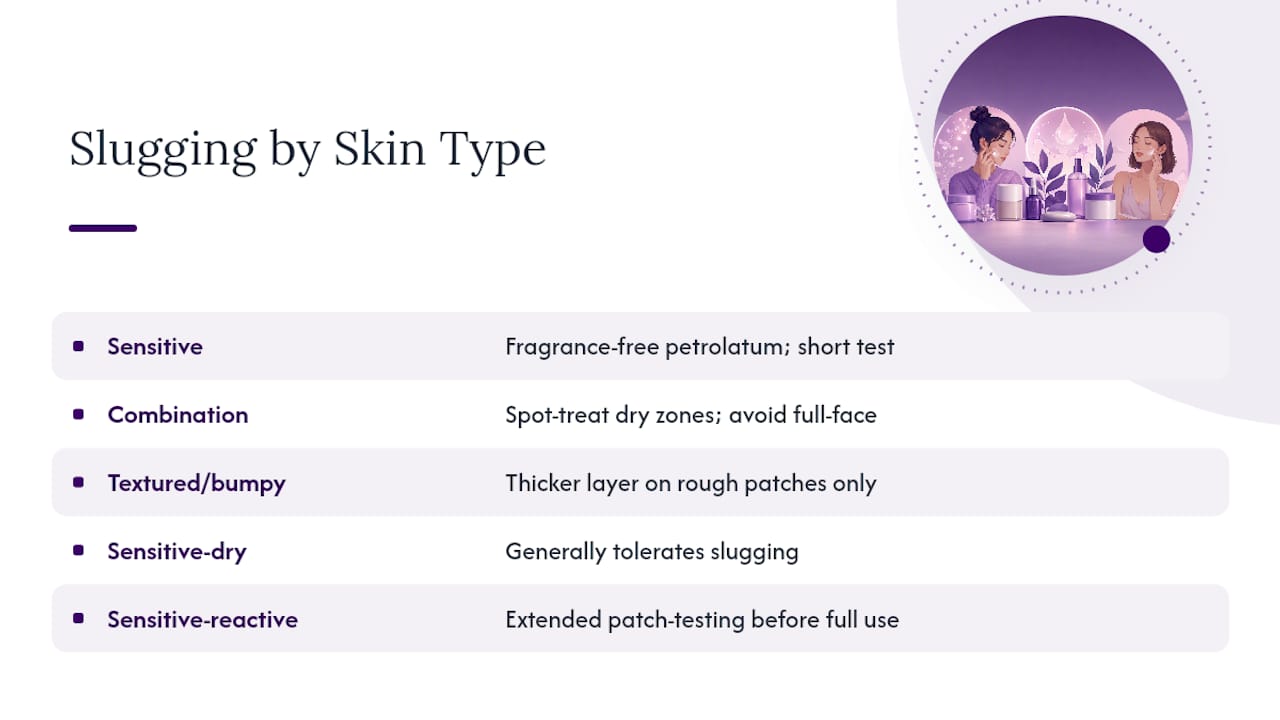
Sensitive skin needs a lighter touch than the standard slugging playbook suggests. Fragrance-free, single-ingredient petrolatum is safer than blended ointments here, since added botanicals or actives raise the odds of a reaction. Start with short-contact slugging over a small area, and extend duration only after a few uneventful nights.
Combination skin calls for a split strategy rather than an all-or-nothing approach. Applying occlusive across your entire face treats your oily T-zone the same as your dry cheeks, which invites congestion where you don’t need extra sealing. Spot-treating just the dry areas, cheeks, jawline, or areas hit hardest by winter wind, gives you targeted hydration without the trade-off.
Textured or bumpy skin, including those managing keratosis pilaris or mild flaking around the nose, often responds well to a slightly thicker layer focused precisely on rough patches rather than a full-face application. The goal is always proportional: match the amount of occlusive to how much moisture loss that specific zone is actually experiencing.
One overlooked distinction: skin that runs sensitive-dry (tight, reactive, but not oily) tolerates slugging better than skin that’s sensitive-reactive (prone to redness and stinging from most products). If your skin flushes easily or reacts to new formulas within minutes, patch-test for several nights longer than you think you need to before trusting a full application.
Slugging vs. Layering Moisturizers: Which Locks In More Hydration?
Slugging and moisturizer layering both aim to reduce water loss, but they work through different mechanisms. Layering stacks multiple hydrating products, typically a humectant-rich essence or serum followed by a cream, relying on ingredients like hyaluronic acid and glycerin to draw water into the skin. Slugging adds a purely physical barrier on top that doesn’t hydrate on its own; it just prevents whatever moisture is already there from leaving.
That distinction matters for choosing between them. Humectants pull water from the air and deeper skin layers toward the surface, which works beautifully in humid climates but can backfire in dry air by pulling moisture out of the skin itself if nothing seals it in afterward. Occlusives don’t have that risk since they don’t move water around; they simply block its exit.
The strongest approach for genuinely dry skin combines both: humectants and ceramides first to load the skin with hydration, then an occlusive to trap it. Layering moisturizers alone, without a final seal, often underperforms in low-humidity winter air because the moisture you just applied keeps evaporating. Slugging without any hydrating step beforehand, on the other hand, just seals in whatever water was already present, which helps less if your skin was already parched. Order and combination, not a single technique, determine how much hydration your skin actually retains overnight.
Where Does Slugging Fit in a Korean Skincare Routine?
Slugging slots in as the final step, after every other product, never before. The Korean routine’s traditional order runs cleanser, toner, essence, serum or ampoule, moisturizer, and then, on slugging nights, the occlusive seal on top.
Essences and ampoules matter here because they deliver active ingredients and lightweight hydration in a form thin enough to absorb before the heavier steps. Applying an occlusive too early in the sequence, before your essence has had time to sink in, blocks those products from penetrating and wastes their benefit. Give each layer a minute or two to absorb before moving to the next.
If your routine includes an ampoule with concentrated actives (peptides, niacinamide, or centella asiaphiliatica extracts), those are generally fine to seal in since they’re not exfoliating or irritating like retinoids or acids. The rule of thumb: humectant and soothing formulas are safe to layer under an occlusive; exfoliating or resurfacing actives are not.
On nights when you’re not slugging, your routine ends at moisturizer. On slugging nights, simply add the occlusive as one extra step at the very end, right before bed. You don’t need to restructure your entire routine, just extend it.
What Non-Petrolatum Korean Products Work for Slugging?
Petrolatum isn’t the only path to an effective seal, and Korean skincare offers formulations built specifically for overnight occlusion. Sleeping packs and overnight masks, a category Korean brands popularized well before slugging became a global term, combine humectants with film-forming or lightly occlusive ingredients to hold moisture through the night without the heavier feel of straight petroleum jelly.
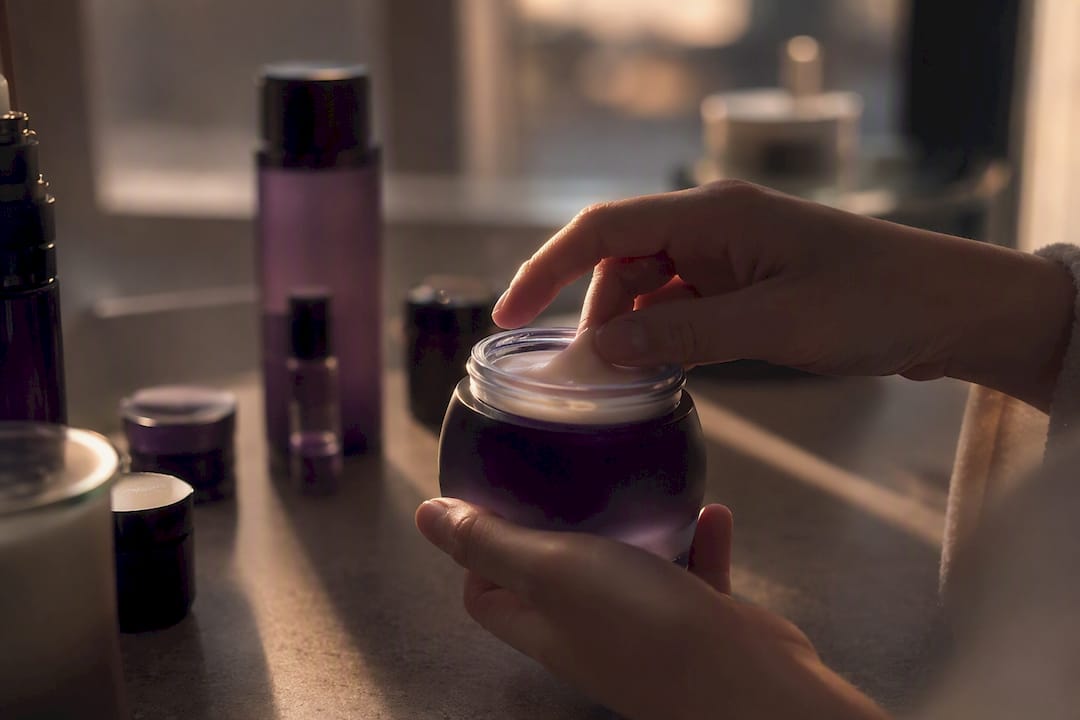
Ceramide-based night creams applied in a thicker-than-usual layer can also approximate a slugging effect for people who find pure petrolatum too heavy or occlusive night creams too greasy on their skin type. These formulas won’t reduce TEWL as dramatically as petrolatum, but they close much of the gap while adding actual hydrating ingredients rather than a purely inert barrier.
For lip-specific slugging, hydrating lip masks formulated with shea butter, ceramides, or squalane serve the same sealing purpose petrolatum does on the face, often with added nourishing ingredients. If you’re building a slugging routine around non-petrolatum options, prioritize formulas with a short ingredient list, minimal fragrance, and a clear humectant-plus-occlusive combination on the label. Explore Lunarashopping’s lip moisturizers and masks if chapped lips are your main target.
Does Humidity or Temperature Change How Well Slugging Works?
Your climate and the season change how much benefit you get from slugging, sometimes dramatically. Dry winter air, low indoor humidity from heating systems, and cold outdoor wind all accelerate transepidermal water loss, which is precisely when an occlusive seal delivers its most noticeable results. Our guide to winter dry skin care covers this seasonal shift in more depth.
In humid summer conditions, skin naturally loses less water to the air, so a heavy occlusive layer can feel unnecessary and increase the odds of congestion, sweat trapping, and breakouts. Many people who slug nightly in January find twice-weekly slugging or none at all suits them better by July.
Sleep environment matters too. A well-insulated bedroom with a humidifier running reduces how much your skin needs an occlusive assist, while a dry, over-heated room makes the technique more valuable. If you travel to a different climate, especially somewhere drier or at higher altitude, expect your skin’s baseline hydration needs to shift and adjust your slugging frequency accordingly rather than sticking to a fixed schedule.
What We Think About Slugging as a Long-Term Habit
The internet treats slugging like a daily ritual, and that’s where most of the conventional advice goes wrong. Nightly slugging on skin that isn’t dry enough to need it doesn’t add benefit. It just raises the odds of clogged pores, especially around the hairline and jaw where product tends to accumulate.
What the dermatologist guidance actually supports is narrower and more useful: slugging works best as a targeted response to a real problem, harsh winter air, a barrier stressed by over-exfoliation, or eczema-prone patches, rather than a permanent nightly step for everyone. Treat it the way you’d treat a rich hand cream in January: reach for it when your skin is asking for it, not on a fixed calendar.
The other overlooked point is technique over ingredient hunting. People spend more energy searching for the “best” slugging product than they spend on the basics that actually determine outcomes, correct layering order, patch-testing, and morning cleansing. Get those right first. The occlusive itself matters far less than how and when you use it.
Build Your Slugging Routine With Lunarashopping
If you’re ready to put this into practice, Lunarashopping gives you a faster path than piecing together ingredients from a dozen different sources. Instead of guessing which ceramide cream or lip balm actually pairs well with an occlusive step, our face care collection groups barrier-support moisturizers and healing formulas together so you can build a routine in one stop.
For readers who want the pre-occlusive layer sorted without trial and error, the morning routine set pairs a gentle cleanser with a moisturizer suited to follow your morning slugging removal. And if you’d rather have a routine matched to your specific skin type instead of assembling one yourself, our custom skincare kit builder walks you through a short set of questions and returns a tailored product list, including slugging-friendly options where they fit your skin. Start there if you’re not sure which ceramide or humectant formula suits your barrier best.
Frequently Asked Questions
Is slugging the same as using a heavy night cream? No. A night cream contains hydrating and often active ingredients meant to absorb into skin, while slugging uses a purely occlusive layer on top that doesn’t absorb, it just prevents moisture from escaping underneath it.
Can I slug every single night? Most dermatologist guidance treats slugging as a targeted response to dryness rather than a nightly habit for everyone. Two to four nights a week, adjusted for season, works well for most people.
Will slugging cause breakouts? It can, especially if you have oily or acne-prone skin, according to both the Cleveland Clinic and the AAD. Spot-testing and short-contact slugging reduce that risk if you want to try it anyway.
Do I need pure petrolatum, or will any thick cream work? Pure petrolatum offers the strongest, best-tested occlusive effect. Thick creams with ceramides or hyaluronic acid can work as a gentler alternative but generally won’t match petrolatum’s moisture-sealing power.
Should I moisturize before slugging? Yes. Apply a ceramide or hyaluronic acid moisturizer first, wait 10 to 30 minutes, then apply the occlusive as your final step to seal that hydration in rather than sealing in dry skin.
Sources
- Should you start slugging? Inside the hottest trend in skincare | National Geographic
- Slugging: Does This Skin Care Trend Work? | Cleveland Clinic
- What Is Slugging in Skincare | CeraVe
- From slugging to snail mucin | American Academy of Dermatology Association (AAD)