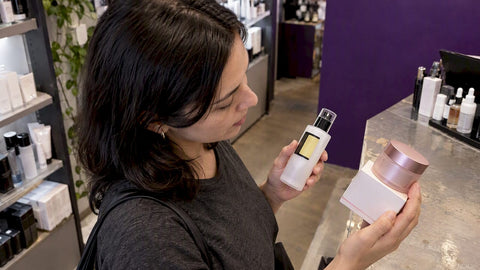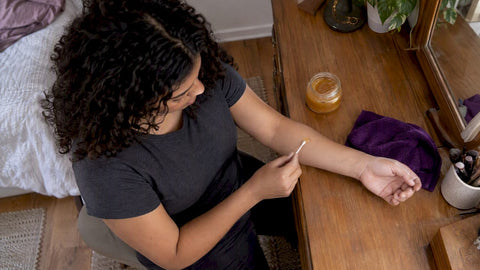
Yes, honey can hydrate, soothe, and mildly clarify skin when you use the right form and test it first. A simple starting routine is cleanse, apply a thin honey mask or honey-infused product, moisturize, and wear sunscreen in the morning. Patch-test before you begin, and skip honey if you have a known bee or pollen allergy.
TL;DR:
- Evidence for honey’s antimicrobial and wound healing effects comes mainly from wound care; everyday cosmetic benefits remain plausible, but are not proven treatments.
- Choose formulated honey products for regular use; raw honey varies in potency and sterility, while sterile Manuka honey serves wound care, not routine beauty.
- Use masks for 10 to 20 minutes, two to three times weekly, follow the label, and avoid daily thick applications that may congest skin.
- Test new products on your forearm twice daily for seven to 10 days, and avoid honey if you have bee, pollen, or propolis sensitivities.
- Do not use pantry honey on wounds or rely on DIY care for severe acne, infected skin, or persistent dermatitis; seek a dermatologist instead.
Table of Contents
- What honey does for skin: benefits and evidence
- Types of honey and how to choose the right form
- Simple honey skin routine: morning and evening step-by-step
- DIY honey mask and spot-treatment recipes and safe pairings
- Safety, allergy testing, and when not to use honey
- Why we build honey routines around formulated products
- Find honey-friendly masks and moisturizers with us
- FAQ
- Sources
What honey does for skin: benefits and evidence
Honey works in a few distinct ways, and knowing which ones are backed by research helps you set realistic expectations.
- Humectant action: honey draws water into the outer skin layer, which makes skin feel plumper and softer.
- Antimicrobial activity: reviews describe antimicrobial effects, with the strongest data on medical-grade honeys.
- Anti-inflammatory effects: these may help calm mild irritation and support a stressed skin barrier.
The clinical evidence comes mostly from wound care. A scientific review of honey for skin disorders found that Manuka and other honeys show antimicrobial, anti-inflammatory, and wound-healing activity, but that evidence outside wound care is limited.
Cochrane-style evidence suggests honey dressings can speed healing of partial-thickness burns, while results for other wounds are mixed and often rest on low-quality evidence.
For everyday beauty, that means honey is a plausible hydrator and soother, not a proven treatment. Use it in hydrating masks, formulated serums, and small spot treatments. It does not replace prescribed medical care.
Types of honey and how to choose the right form
Not all honey behaves the same on skin. Your choice comes down to consistency, safety, and how often you plan to use it.
- Raw pantry honey: potency and sterility vary from jar to jar. It works for an occasional DIY mask, but results can be inconsistent.
- Medical-grade Manuka honey: this is standardized for antibacterial strength and sterilized for safety. Its regulatory summaries describe clinical wound-management uses, which is a different purpose from a weekly face mask. You do not need it for routine beauty care.
- Formulated honey products: serums, creams, and sheet masks offer stable textures, predictable results, and easier layering with the rest of your steps.
For regular use, we suggest a formulated product, or tested raw honey if you prefer DIY. Consumer-facing dermatology guidance, such as Byrdie’s honey-on-face overview, also favors formulated products for consistency and advises patch testing. It also recommends against leaving honey on overnight, since it can attract debris.
Simple honey skin routine: morning and evening step-by-step
This routine fits into an existing K-beauty or basic regimen without replacing your core steps. If you want a broader framework, our Korean skincare routine guide shows where each product belongs.
Morning
- Cleanse gently with lukewarm water and a mild cleanser.
- Add a lightweight honey serum, or skip this step if you prefer.
- Apply your moisturizer.
- Finish with sunscreen.
Evening
- Remove makeup, then cleanse.
- Apply a wash-off honey mask or a sheet mask for 10–20 minutes, 2–3 times per week. On other nights, dab honey on a blemish instead.
- Rinse, then apply a hydrating serum.
- Seal everything in with moisturizer. Our night skincare checklist covers the full evening sequence.
Pro Tip: Layer water-based products first, then leave-on honey products, then heavier creams, and always follow the label on formulated products.
For frequency, use masks according to the product label and how your skin responds. Use spot treatments only as needed. Skip thick, occlusive honey masks every day, because they can leave skin congested. The American Academy of Dermatology notes that facial masks are an add-on to daily care, not a replacement, and that you should follow label directions for timing and frequency.
DIY honey mask and spot-treatment recipes and safe pairings
These recipes use few ingredients and keep irritation risk low. Patch-test first (see the next section).
- Hydrating mask: spread 1 tablespoon of raw honey over damp skin for 10–20 minutes, then rinse with lukewarm water.
- Soothing, gently exfoliating mask: mix 1 tablespoon of honey with 1 tablespoon of plain yogurt or finely ground oatmeal. Leave on for 10–15 minutes, then rinse.
- Blemish spot treatment: dab a tiny amount on the spot for a short time, and wash it off. Avoid leaving honey on overnight.
- Pairings to avoid: undiluted lemon juice and cinnamon can irritate, especially on sensitive skin.
Instead, pair honey with gentle exfoliants like oatmeal, and follow up with barrier-supporting ingredients such as glycerin and hyaluronic acid. When you remove a mask, use lukewarm water and pat dry rather than rubbing, since friction adds irritation. A moisturizer from our face creams and moisturizers collection helps lock in the hydration afterward.
Safety, allergy testing, and when not to use honey
Natural does not mean risk-free. A short test protects you from a reaction on your whole face.
- Apply a small amount to the underside of your forearm twice daily for 7–10 days.
- Watch for redness, itching, or swelling.
- For more confidence, extend this to a repeated open application test (ROAT) lasting up to 2–4 weeks.
- Stop at the first sign of a reaction, and seek care if it is severe.
Dermatologists recommend testing a new topical product twice daily for seven to 10 days before broader face use. The ROAT guidance describes the same twice-daily approach and notes it can extend to 2–4 weeks for higher confidence.
Avoid honey if you have known bee, pollen, or propolis sensitivities. Medical-grade honey dressings are sterile, regulated products, so never substitute pantry honey for them on a wound. If you have severe acne, open or infected wounds, or persistent dermatitis, see a dermatologist rather than relying on DIY remedies. If a reaction needs a prescriber, a telehealth service such as AMRx offers online prescription evaluation.

Why we build honey routines around formulated products
We curate skincare products that layer well inside multi-step K-beauty routines. In our view, a formulated honey product wins on practicality: it is less messy, has a steady texture, and is stable from the first use to the last. Pantry honey still has a place for an occasional treat, but consistency matters when you use something weekly. Pair that with careful patch testing and realistic expectations, and honey becomes an easy, low-drama addition.
— Lunara
Find honey-friendly masks and moisturizers with us
If you would rather skip the kitchen experiments, we offer products for the routines above.
- Browse our face masks collection, including honey and propolis sheet masks such as the JM SOLUTION Honey Luminous Royal Propolis Mask.
- Pick a cream from our face creams and moisturizers to seal in hydration.
- Use our custom skincare kit builder to assemble a routine without guessing compatibility.
Start with one mask and one moisturizer, patch-test, and build from there.
This article is general information, not a substitute for advice from a qualified doctor. Consult a qualified healthcare professional about your own circumstances before acting on anything here.
FAQ
What happens if I rub honey on my face every day?
Daily use can leave skin sticky and congested, and it raises the chance of irritation or an allergic reaction over time. How often masks work for you depends on your skin and the product; follow its label directions. Patch-test first and stop if redness or itching appears.
Is it good to put raw honey on my face?
Raw honey can hydrate and soothe, and many people use it in occasional DIY masks. Its potency and sterility vary, so formulated products give more consistent results. A dermatology-informed summary recommends patch-testing either way.
What can I mix with honey to put on my face?
Plain yogurt and finely ground oatmeal are gentle pairings for a soothing mask. Follow up with hydrators like glycerin or hyaluronic acid. Skip undiluted lemon juice and cinnamon if your skin is sensitive.
What should you never mix honey with?
Avoid irritants such as undiluted lemon juice and cinnamon, especially on sensitive or reactive skin. Don’t apply it over broken or infected skin as a substitute for medical care. Check with a dermatologist if you use prescription topicals.
Sources
- Do facial masks work, and should I add one to my skin care routine?
- Honey: A Therapeutic Agent for Disorders of the Skin
- Pubmed