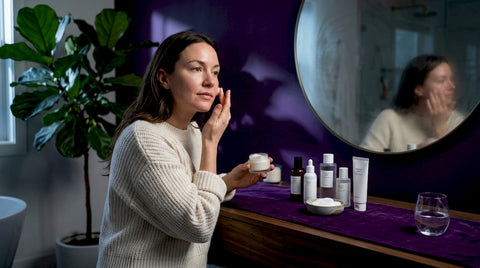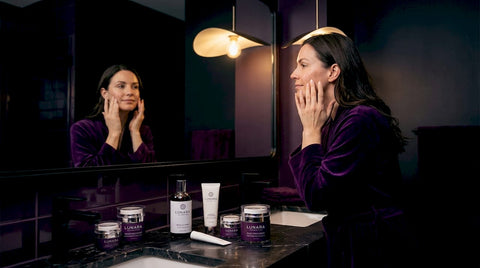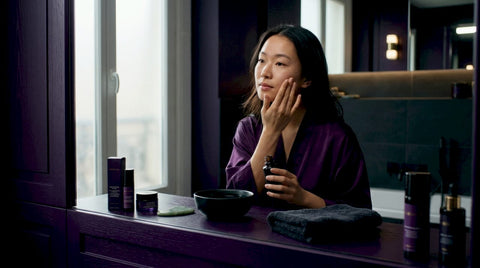
The Korean face massage method is a structured facial technique that uses gentle, controlled upward and outward strokes to promote lymphatic drainage, improve circulation, and sculpt the face for a brighter, more lifted appearance. Known in Korean beauty circles as a core part of holistic skin maintenance, this practice targets specific lymphatic drainage zones across the neck, jawline, cheeks, and forehead. A typical session runs 5 to 10 minutes and requires nothing more than clean hands and a good facial oil or serum. The result is reduced puffiness, improved skin tone, and a relaxed facial musculature that supports long-term contouring.
What is the Korean face massage method?
The Korean face massage method is defined by its emphasis on lymphatic drainage and sculpting through light, rhythmic strokes that move fluid toward the body’s natural drainage points. Unlike deep tissue massage or aggressive scraping techniques, this method works at the surface level of the skin, targeting the superficial lymphatic vessels that sit just beneath the dermis. The goal is not to manipulate muscle tissue deeply but to stimulate fluid movement, reduce stagnation, and restore a healthy glow.
The technique draws from Korean beauty philosophy, which prioritizes gentle, consistent care over aggressive or invasive treatments. Korean V-lift techniques, for example, combine lymphatic drainage with myofascial manipulation to yield gradual improvements in facial contour over repeated sessions. This layered approach is what separates Korean facial massage from a simple relaxation rub. It is a purposeful, zone-specific practice with a defined sequence and measurable outcomes.
What are the main benefits of Korean face massage?
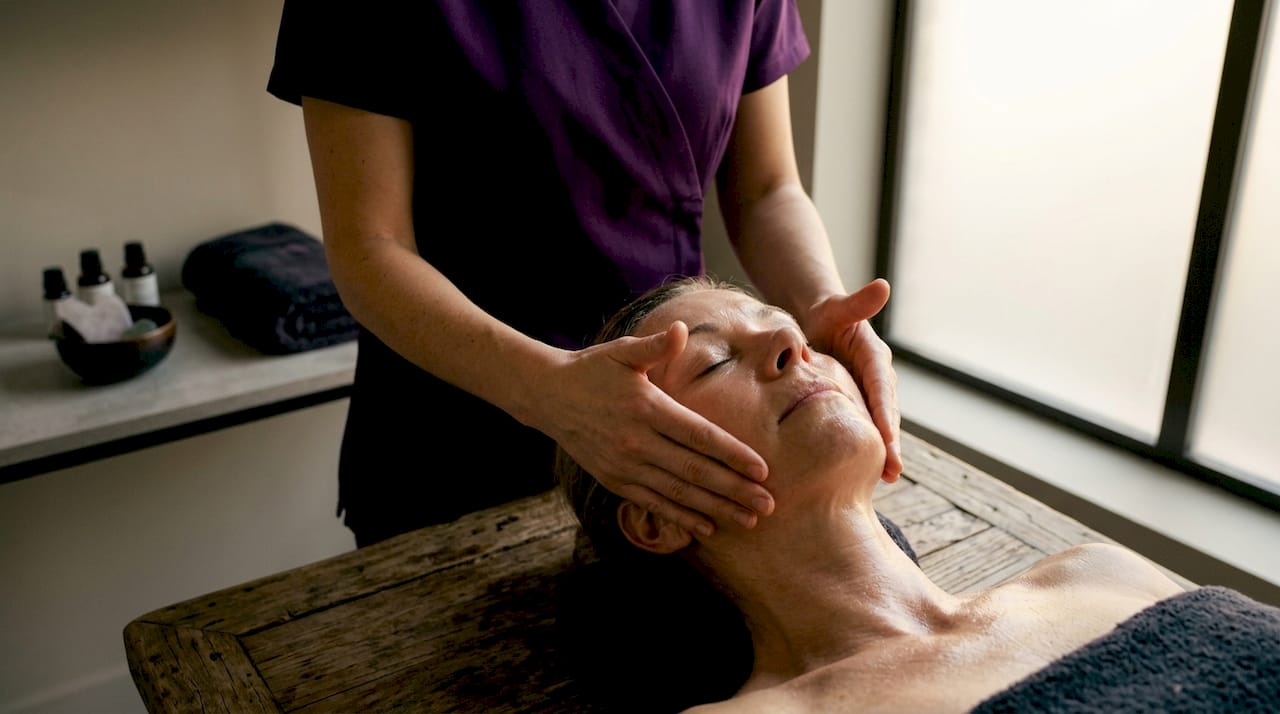
Korean facial massage benefits are both immediate and cumulative. After a single session, most people notice reduced morning puffiness, a temporary brightening effect, and a more relaxed jaw. With consistent practice over weeks, the improvements in skin tone, texture, and facial definition become more pronounced.
Here is what the method delivers:
- Lymphatic drainage: Gentle strokes move excess fluid away from the face, reducing puffiness around the eyes and jawline. This is the primary mechanism behind the “sculpted” look many users report.
- Improved circulation: Increased blood flow delivers oxygen and nutrients to skin cells, producing the radiant, healthy glow associated with Korean skincare techniques.
- Muscle tension release: Repeated facial expressions create chronic tension in the jaw, forehead, and around the eyes. Massage relaxes these muscles, which can soften the appearance of expression lines over time.
- Enhanced product absorption: Massaging a serum or facial oil into the skin increases its penetration into the upper layers of the dermis. Your actives work harder when paired with massage.
- Non-invasive contouring: Korean methods emphasize non-invasive approaches using manual techniques or tools such as gua sha, with no surgical downtime required. This makes the method accessible for daily home use.
- Holistic skin health: The practice supports the skin’s natural detoxification process, which complements the hydration-first philosophy central to Korean skincare.
Pro Tip: Pair your massage with a hydrating serum containing hyaluronic acid or a lightweight facial oil. The slip reduces friction, and the active ingredients get driven deeper into the skin during the massage itself.
For those curious about how gentle formulations support this process, Lunarashopping’s guide on gentle Korean formulas explains why low-irritation products are the preferred pairing.
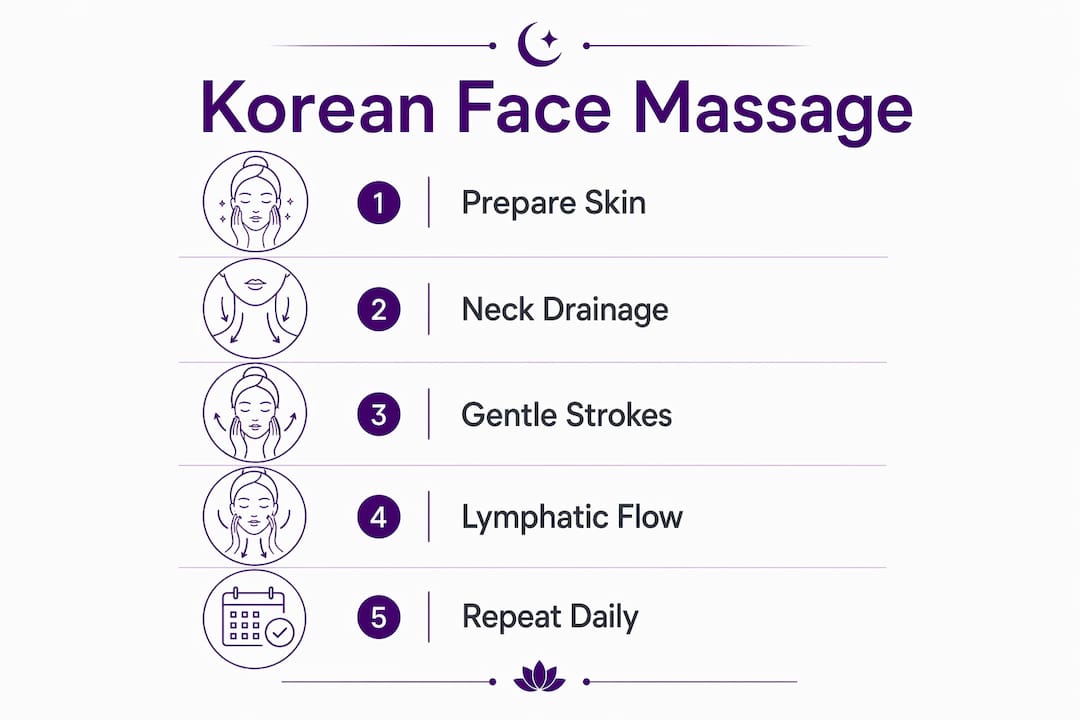
How to perform the Korean face massage step by step
Performing this technique correctly requires preparation, a defined sequence, and consistent pressure control. Clean skin, applied oil or serum, and a gentle 5 to 10 minute massage daily or several times weekly maximizes results while preventing irritation. Here is the full sequence:
- Cleanse your skin. Remove all makeup and impurities before starting. Massage on dirty skin pushes debris into pores.
- Apply a facial oil or serum. You need enough slip to glide without dragging. A few drops of a lightweight oil or a pump of serum works well.
- Start at the neck and collarbone. This is the most important step. Neck drainage is a mandatory first step in Korean lymphatic facial protocols because it opens the drainage pathways that the rest of the massage relies on. Use 5 sweeping strokes from the collarbone up to the jaw on each side.
- Work the jawline. Using your knuckles or fingertips, apply 5 to 7 strokes per side, moving from the chin outward toward the ear. This targets the submandibular lymph nodes.
- Move to the cheeks. Apply 5 upward and outward strokes from the nose toward the temples. Keep pressure light and consistent.
- Address the under-eye area. Use your ring finger, which naturally applies the least pressure, to sweep gently from the inner corner of the eye outward toward the temple. Never pull or tug this area.
- Finish the forehead. Stroke upward from the brow line to the hairline, then sweep outward from the center to the temples.
- Complete with a final neck sweep. Finish with long strokes from behind the ear down to the collarbone to flush the fluid you have moved through the session.
Pro Tip: If you use a gua sha stone, hold it nearly flat against the skin at a low angle and always move in one direction. Maintaining correct tool angle and avoiding back-and-forth scraping prevents skin laxity and long-term damage.
For a deeper look at integrating gua sha into this routine, Lunarashopping’s guide on using gua sha in Korean skincare covers tool selection and technique in detail.
How does Korean face massage compare to other facial massage styles?
Understanding where the Korean method sits among other facial massage styles helps you choose the right technique for your goals. The table below compares the four most common approaches.
| Technique | Pressure level | Primary target | Tool use | Downtime |
|---|---|---|---|---|
| Korean lymphatic massage | Light to medium | Lymphatic vessels, circulation | Optional: gua sha, roller, hands | None |
| Fascia facial | Medium to deep | Connective tissue, nervous system | Hands, specialized tools | Minimal |
| Buccal massage | Deep (intraoral) | Deep facial muscles, fascia | Gloved hands only | 24 to 48 hours |
| Traditional gua sha | Medium | Surface circulation, muscle tension | Gua sha stone required | Possible redness |
Fascia facials target deeper connective tissue layers to relieve tension and lift skin differently than lymphatic massage. Fascia facial results are also cumulative and focus on nervous system resetting, which means they address a different layer of the skin’s architecture entirely. Buccal massage goes further still, working inside the mouth to release deep facial muscles. These are professional treatments, not home practices.
The Korean method sits at the accessible end of this spectrum. Hands remain the preferred tool for facial massage because they allow fine pressure control, but gua sha stones and jade rollers add cooling effects and a spa-like quality that many people find motivating. The key distinction of the Korean approach is its emphasis on sequence and drainage direction rather than pressure intensity. You are moving fluid, not manipulating tissue.
What are expert tips and common mistakes to avoid?
Most people who try Korean beauty massage techniques and see poor results are making one of a small number of consistent errors. Correcting these makes an immediate difference.
- Do not skip the neck step. Starting on the face without opening the neck drainage pathway is the single most common mistake. Starting with neck drainage prepares lymphatic pathways so subsequent facial strokes achieve better detox and de-puffing effects.
- Avoid excessive pressure. Excessive pressure risks skin irritation, redness, or bruising because lymph vessels sit near the skin surface and require gentle, rhythmic manipulation. If your skin turns red during the massage, you are pressing too hard.
- Never scrape back and forth. All strokes move in one direction only. Bidirectional scraping with a gua sha or roller stretches the skin and can accelerate laxity over time.
- Use enough slip. Dry skin massage creates friction that irritates the skin barrier. A facial oil or serum is not optional.
- Be consistent. The technique matters more than the tool, and consistent practice over days and weeks produces the visible results that a single session cannot. Daily practice or three to four sessions per week is the standard recommendation.
- Choose tools carefully. A microcurrent facial toning massager adds electrical stimulation to the massage process, which can support muscle toning alongside lymphatic drainage. If you use one, follow the manufacturer’s directional guidelines precisely.
Pro Tip: Morning is the best time for this massage. Overnight fluid accumulation is at its peak when you wake up, so a 5-minute morning session produces the most visible de-puffing results of any time of day.
Key takeaways
The Korean face massage method delivers measurable skin benefits through gentle, directional strokes targeting lymphatic drainage zones, and consistency of technique outweighs the choice of tool every time.
| Point | Details |
|---|---|
| Start with the neck | Opening neck drainage pathways first is mandatory for effective fluid movement throughout the face. |
| Use light to medium pressure | Lymph vessels sit near the skin surface; excessive pressure causes irritation rather than results. |
| Technique beats tools | Hands, gua sha, and rollers all work when used correctly; proper stroke direction matters most. |
| Consistency drives results | Daily or several-times-weekly practice produces cumulative improvements in tone, contour, and puffiness. |
| Pair with the right products | A facial oil or serum provides the slip needed to prevent skin dragging and enhances active absorption. |
Why I think most people underestimate this practice
People often approach Korean face massage the way they approach a gym workout: they try it hard for a week, see modest results, and move on. That misses the point entirely. This method is closer to physical therapy than exercise. The lymphatic system has no pump of its own. It relies on movement, breathing, and manual stimulation to function well. When you commit to five minutes every morning, you are not just de-puffing. You are training your skin’s drainage system to work more efficiently over time.
What I find most compelling about this approach is how well it fits the broader Korean skincare philosophy. Korean beauty is built on the idea that hydration and gentle care compound over time. Massage is the physical expression of that same principle. It is not a shortcut. It is a practice. The readers who get the most out of it are the ones who customize their tools and pressure to their own skin, stay patient through the first two to three weeks of minimal visible change, and then notice one morning that their face looks genuinely different.
One thing worth saying plainly: if you are considering skin booster injections or other cosmetic treatments to address volume loss or deep structural changes, massage is not a substitute. It addresses surface fluid, circulation, and muscle tension. It does not replace collagen or restore volume. Know what you are treating, and choose your method accordingly.
— Lunara
Build your Korean face massage routine with Lunarashopping
Lunarashopping carries everything you need to start and maintain a Korean face massage practice at home. The Morning Face Care Routine Set pairs serums, oils, and targeted treatments into a curated bundle designed for daily use alongside facial massage. If you prefer to build your own setup, the custom skincare kit builder lets you select products matched to your skin type and routine goals. For tools specifically, the skincare accessories collection includes gua sha stones and facial rollers suited to the Korean method. Every product at Lunarashopping is selected to complement the gentle, hydration-first approach that makes Korean skincare techniques so effective.
FAQ
What is the Korean face massage method?
The Korean face massage method is a structured facial technique using gentle, upward and outward strokes to stimulate lymphatic drainage, improve circulation, and support facial contouring without invasive procedures. It follows a defined zone sequence starting at the neck and finishing with a return sweep to the collarbone.
How often should you do a Korean face massage?
Daily practice or three to four sessions per week produces the best cumulative results. A single session runs 5 to 10 minutes with clean hands and a facial oil or serum applied for slip.
What is a gua sha and how does it fit into Korean facial massage?
Gua sha is a smooth, flat stone tool used to perform directional strokes across the face as part of Korean beauty massage techniques. It adds a cooling effect and can enhance lymphatic drainage when held at a low angle and moved in one direction only, never scraped back and forth.
Can Korean face massage replace professional facial treatments?
Korean face massage addresses surface-level lymphatic drainage, circulation, and muscle tension effectively at home. It does not replicate the deeper connective tissue work of fascia facials or the structural results of professional men’s facial treatments and cosmetic procedures.
What products work best with Korean facial massage?
Lightweight facial oils and hydrating serums containing hyaluronic acid provide the slip needed to prevent skin dragging during massage. Applying actives before massage also increases their absorption into the upper layers of the dermis, making your skincare routine more effective overall.