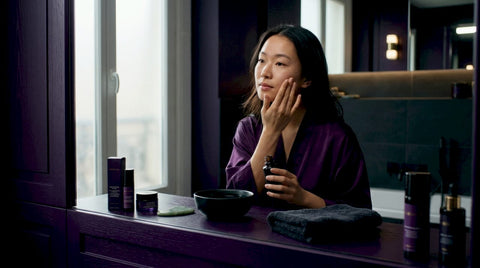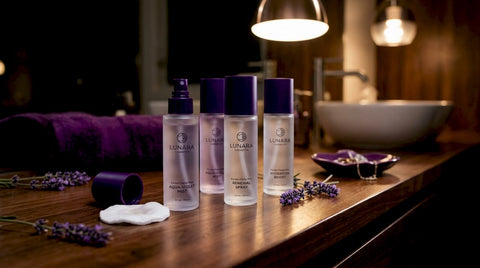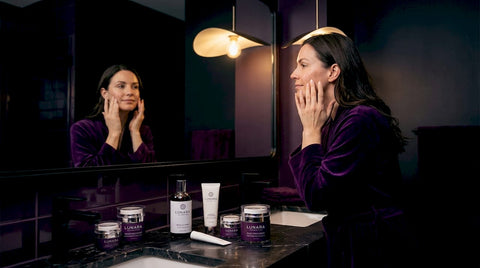
Self-care skincare best practices are defined by three non-negotiable daily steps: cleanse, moisturize, and apply broad-spectrum SPF 30+ sunscreen, with one optional targeted treatment for your primary skin concern. This evidence-based routine framework prioritizes consistent barrier support and UV protection over complex multi-step systems that most people abandon within weeks. The dermatological consensus in 2026 is clear: fewer, well-chosen steps performed daily outperform elaborate routines practiced inconsistently. Your skin responds to repetition, not volume.
1. What are the essential daily skincare steps?
The foundation of any effective daily skincare routine is a three-step sequence: gentle cleanser, moisturizer, and sunscreen. Each step serves a distinct biological function, and skipping any one of them creates a gap that no serum or treatment can fill.
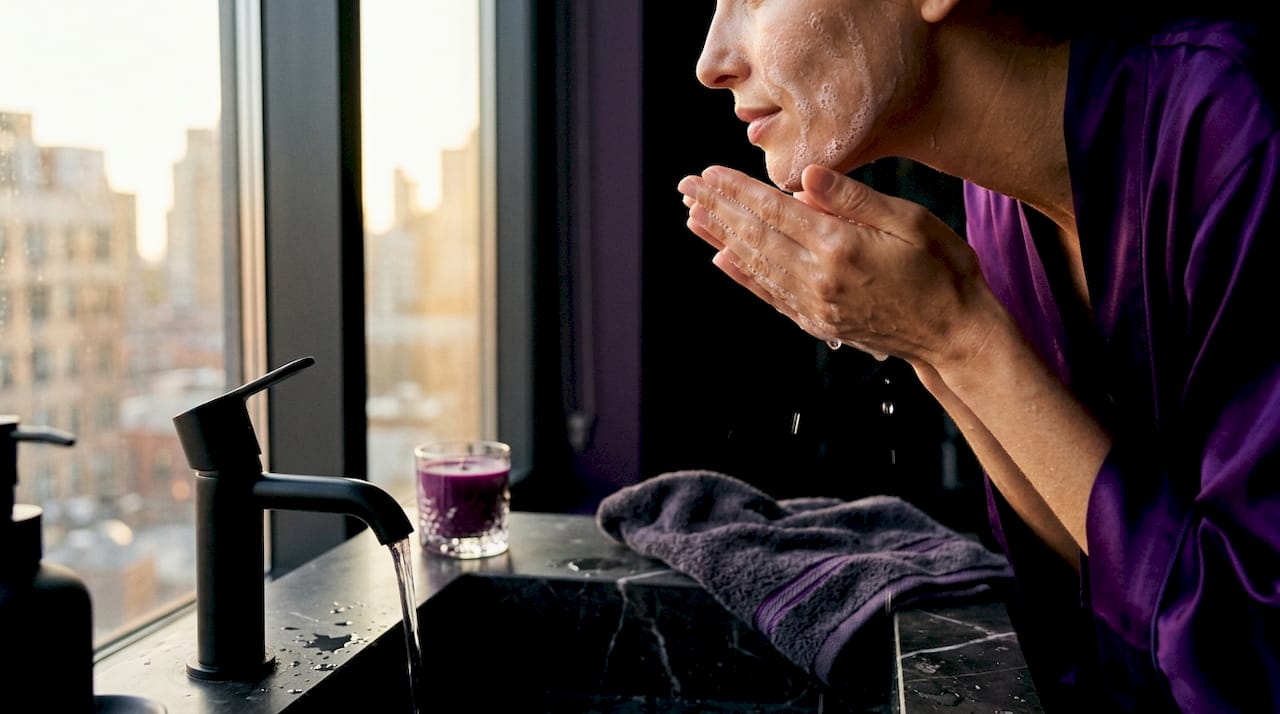
Cleansing removes sebum, environmental pollutants, and residual sunscreen that accumulate on the skin surface throughout the day. Choose a sulfate-free, pH-balanced cleanser suited to your skin type. Oily and acne-prone skin benefits from foaming or gel formulas with salicylic acid. Dry and sensitive skin responds better to cream or micellar cleansers that preserve the lipid barrier. Avoid cleansing more than twice daily since over-washing strips the stratum corneum and triggers compensatory oil production.
Moisturizing restores transepidermal water loss and reinforces the skin barrier. In humid climates, lightweight gel-based hydrators like those containing hyaluronic acid or niacinamide work well. In drier environments, look for occlusive ingredients such as ceramides, squalane, or shea butter to lock in moisture. The texture you choose matters as much as the ingredients.
Sunscreen is the single most evidence-supported anti-aging and skin-protective product available without a prescription. UVA rays penetrate clouds and glass, causing cumulative skin damage even on overcast days or when you are sitting near a window indoors. Apply a broad-spectrum SPF 30 or higher as the final step in your morning routine, and reapply every two hours when outdoors or near windows.
- Apply products from thinnest to thickest consistency
- Wait 10 to 30 seconds between light layers like toners and serums
- Wait 1 to 3 minutes before applying heavier creams or sunscreen
- Never mix sunscreen with moisturizer as it dilutes the SPF film
Pro Tip: Apply your sunscreen to the back of your hand first and spread it across your face in sections. This technique helps you use the correct amount, roughly a quarter teaspoon for the face and neck, which most people skip.
2. How to incorporate targeted treatments like retinoids and vitamin C safely
Targeted treatments are the optional fourth layer of a routine minimalism approach that focuses on one primary concern rather than stacking multiple actives at once. The two most evidence-backed options are vitamin C for morning use and retinoids for nighttime use.
Vitamin C functions as a morning antioxidant that neutralizes free radicals generated by UV exposure and pollution. It also stimulates collagen synthesis, which reduces the appearance of fine lines and hyperpigmentation over time. Look for L-ascorbic acid concentrations between 10% and 20% in a stable, low-pH formula. Apply it after cleansing and before moisturizer.
Retinoids are the gold standard for cell turnover stimulation, acne control, and long-term photoaging correction. Vitamin C works best in the morning while retinoids are recommended for nighttime use, since retinol degrades in sunlight and the two actives have conflicting pH requirements that reduce efficacy when combined.
Introducing retinoids requires a structured adaptation schedule to avoid the irritation, peeling, and redness that cause most people to quit prematurely. The 12-week retinization timeline below is the clinical standard:
| Week | Frequency | Notes |
|---|---|---|
| Weeks 1 to 2 | Once per week | Apply on dry skin after cleansing |
| Weeks 3 to 4 | Twice per week | Monitor for redness or flaking |
| Weeks 5 to 8 | Every other night | Skin begins adapting to retinization |
| Weeks 9 to 12 | Nightly | Full tolerance typically established |
The “retinol sandwich” method reduces irritation without meaningful efficacy loss. Apply a thin layer of moisturizer before your retinoid, then apply the retinoid, then seal with another light layer of moisturizer. This buffering technique slows absorption slightly and significantly reduces barrier disruption during the adaptation phase.
Pro Tip: Store your retinoid product in an opaque container away from heat and humidity. Retinol oxidizes when exposed to light and air, which reduces its potency before you even apply it.
Purging, a temporary increase in breakouts during the first four to six weeks of retinoid use, is a normal response to accelerated cell turnover. It is not an allergic reaction. If you experience burning, persistent redness, or swelling, reduce frequency rather than stopping entirely.
3. What habit-building strategies make skincare routines stick?
Sustainable daily skincare habits are a behavior design problem as much as a product selection problem. The most effective routines are the ones you actually perform on low-motivation days, not just when you feel inspired.
The core principle is anchoring your skincare ritual to an existing daily trigger. Morning coffee, brushing your teeth, or getting into bed are reliable anchors because they already happen automatically. Placing your skincare products next to your toothbrush or coffee maker removes the decision-making friction that causes people to skip steps.
Tiered routine flexibility is one of the most underused strategies in skincare habit formation. Build three versions of your routine:
- Full routine: All steps including targeted treatments, masks, or exfoliants
- Medium routine: Cleanser, moisturizer, sunscreen, and one active treatment
- Minimum routine: Moisturizer and sunscreen only, no cleansing required
The minimum routine exists for travel days, illness, or exhaustion. Performing it keeps the habit alive and prevents the all-or-nothing thinking that leads to complete routine abandonment.
Consistency with a simple routine beats perfection with a complex one every time. Your skin responds to what you do daily, not what you do occasionally.
Track your skin’s progress by photographing it in consistent lighting, ideally natural light from the same window, once every two weeks. This removes the distortion of daily self-assessment and gives you objective data on whether your routine is working.
4. How seasonal and environmental factors affect your routine
Your skin’s needs shift with the seasons, and a routine that works in July will likely underperform in January. Adjusting your products twice a year, once in fall and once in spring, is a practical and evidence-supported approach to year-round skin health.
Winter adjustments center on barrier repair and hydration retention. Cold air holds less moisture, and indoor heating further depletes the skin’s water content. Switch from lightweight gel moisturizers to richer creams containing ceramides, glycerin, or petrolatum. Reduce the frequency of exfoliating acids and retinoids if your skin shows signs of sensitivity or tightness. Avoid hot showers in winter, which strip the skin’s natural lipid layer and worsen dryness.
Summer adjustments shift the focus toward sun protection and oil control. Use lighter moisturizer textures and prioritize consistent sunscreen reapplication, especially if you spend time near water or at altitude where UV intensity increases. Protective clothing, including UPF-rated hats and long sleeves, supplements sunscreen rather than replacing it.
- In winter: add a hydrating toner or essence before moisturizer to layer hydration
- In summer: switch to a mattifying or water-based sunscreen if you have oily skin
- Year-round: keep your cleanser consistent since changing it frequently disrupts the microbiome
- In high-humidity climates: reduce occlusive moisturizers and focus on humectants like hyaluronic acid
Pro Tip: If your skin feels tight after cleansing in winter, your cleanser is too stripping for the season. Swap to a cream or oil cleanser temporarily rather than adding more moisturizer on top of the problem.
5. When to consider advanced treatments like facials or light therapies
Advanced self-care treatments, including professional facials, chemical peels, and LED light therapies, are most effective when scheduled in alignment with the skin’s natural regeneration cycle. Skin cell regeneration takes approximately 28 days, which is why monthly treatment cadences produce more visible and lasting results than sporadic sessions.
These treatments complement your daily routine. They do not replace it. A professional facial performed on skin that lacks a consistent cleanse-moisturize-sunscreen foundation will deliver diminished results because the barrier is compromised and the skin cannot respond optimally to treatment.
| Treatment type | Recommended frequency | Primary benefit |
|---|---|---|
| Hydrating facial | Monthly | Barrier support, radiance |
| Chemical peel (mild) | Every 4 to 6 weeks | Hyperpigmentation, texture |
| LED light therapy | 2 to 4 times per month | Collagen stimulation, acne |
| Microdermabrasion | Every 4 to 6 weeks | Surface smoothing, pore clarity |
Types of facial treatments vary widely in mechanism and intensity. Choosing the right one depends on your primary skin concern and your current routine’s tolerance level. If you are actively using retinoids, inform your aesthetician before any exfoliating treatment since the combination can cause over-exfoliation.
- Maintain your core routine on the days between professional treatments
- Avoid active ingredients like retinoids and AHAs for 48 hours before and after peels
- Use SPF diligently after any exfoliating treatment since fresh skin is more UV-sensitive
- Allow at least one full skin cycle (28 days) before evaluating results from a new treatment
Key takeaways
Effective self-care skincare requires cleansing, moisturizing, and daily SPF 30+ sunscreen as non-negotiable steps, with targeted treatments like retinoids and vitamin C added gradually and strategically.
| Point | Details |
|---|---|
| Core three steps | Cleanse, moisturize, and apply broad-spectrum SPF 30+ every morning without exception. |
| Targeted treatment timing | Use vitamin C in the morning and retinoids at night to avoid pH conflicts and maximize efficacy. |
| Retinoid adaptation | Follow a 12-week schedule starting once per week to build tolerance and prevent barrier damage. |
| Habit anchoring | Tie your routine to an existing daily trigger and build three routine tiers for flexible adherence. |
| Seasonal adjustment | Switch to richer moisturizers in winter and lighter, SPF-focused products in summer. |
What I’ve learned from years of watching routines succeed and fail
The most common mistake I see is treating skincare as a collection of products rather than a system. People add a new serum every few weeks, layer three actives at once, and then blame their skin when it reacts. The skin’s barrier has a finite tolerance for disruption. When you exceed it, everything stops working.
The routines that produce real results are almost always the boring ones. A gentle cleanser, a solid moisturizer, and a sunscreen applied every single morning will outperform a 10-step routine practiced three times a week. I have seen this pattern consistently, and the evidence-first minimalism approach validates it.
Retinoid adaptation is where most people quit, and it is also where the most meaningful long-term results begin. The first six weeks are uncomfortable. The skin purges, peels, and looks worse before it looks better. Patience here is not passive. It is the active decision to trust the process and reduce frequency rather than stop entirely.
My practical advice: start with the three core steps for 30 days before adding anything else. Photograph your skin in consistent lighting every two weeks. Let the data guide your decisions, not the marketing copy on the next product you are tempted to buy. Your skin will tell you what it needs if you give it enough stability to communicate clearly.
— Lunara
Build your ideal routine with Lunarashopping
Lunarashopping curates Korean skincare products and self-care essentials specifically selected to support evidence-based daily routines. Whether you are starting from scratch or refining what you already have, the right products make consistency easier.
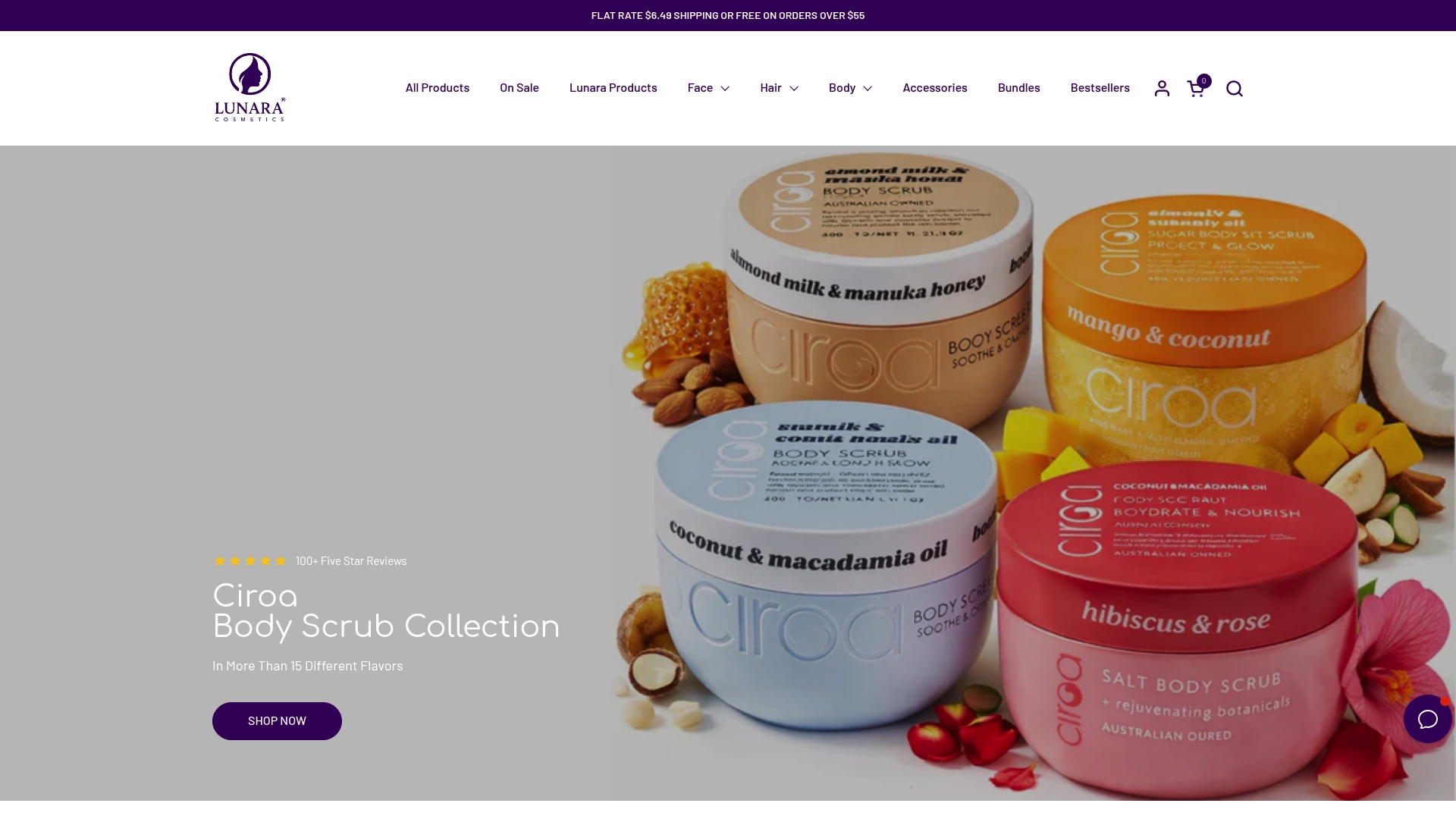
The Morning Face Care Routine Set brings together a cleanser, moisturizer, and sunscreen in one curated package, removing the guesswork from building your core three steps. For targeted treatment support, the PRETTYSKIN Ginseng Retinol Multi Cream delivers retinol alongside ginseng extract for a gentler introduction to nightly cell turnover support. If you prefer to personalize every step, the Custom Skincare Kit Builder lets you select products matched to your skin type and primary concern. Lunarashopping also carries a dedicated face sunscreen collection with broad-spectrum options for every skin type and texture preference.
FAQ
What are the core self-care skincare best practices?
The core practices are cleansing, moisturizing, and applying broad-spectrum SPF 30+ sunscreen every morning. An optional targeted treatment such as vitamin C or a retinoid can be added once the core routine is consistent.
How do I layer skincare products correctly?
Apply products from thinnest to thickest consistency, waiting 10 to 30 seconds between light layers and 1 to 3 minutes before heavier creams or sunscreen. This layering sequence maximizes absorption and prevents active ingredients from interfering with each other.
How long does it take to see results from retinoids?
Visible results from retinoids typically appear after 8 to 12 weeks of consistent use. The adaptation period involves temporary dryness and purging, which resolves as the skin builds tolerance through a gradual frequency schedule.
Do I need sunscreen indoors?
Yes. UVA rays penetrate glass and clouds, causing cumulative skin damage even when you are sitting near a window on a cloudy day. Daily sunscreen application is recommended regardless of weather or whether you plan to go outside.
How often should I get a professional facial?
Monthly facials align with the skin’s approximately 28-day cell regeneration cycle and produce the most consistent results. More frequent treatments can over-stimulate the skin, particularly if you are using active ingredients like retinoids at home.