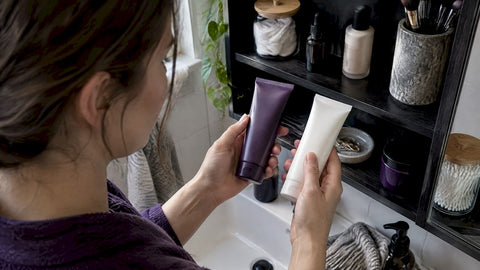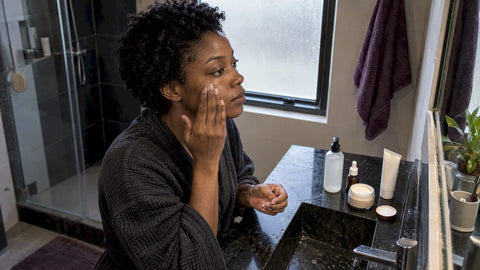
Yes, Korean skincare principles help dark skin when the routine prioritizes gentle, anti-inflammatory care over aggressive treatment. Start today with a mild cleanse, add one targeted brightening ingredient like niacinamide or tranexamic acid, moisturize to support your barrier, and finish every morning with a tinted sunscreen rated SPF 30 or higher.
TL;DR:
- A gentle, barrier-first Korean skincare routine with low-pH cleansers and targeted brightening actives minimizes inflammation and reduces the risk of dark spot formation.
- Use a low-concentration brightening serum with niacinamide or tranexamic acid alongside a broad-spectrum tinted SPF 30 or higher containing iron oxides, applied daily.
- Avoid over-exfoliation, aggressive acids, and DIY peels, especially when using retinoids or other actives, to prevent inflammation that worsens hyperpigmentation.
- Expect visible dark spot fading within 4 to 12 weeks of consistent, barrier-supporting care, with further improvements over time.
- Prioritize sunscreen with visible-light protection and patch test new products to prevent irritation and rebounding pigmentation in darker skin tones.
Table of Contents
- A simple 5-step routine you can start today
- How a barrier-first approach reduces dark spot risk
- Evidence-backed actives for dark-skin pigmentation
- Your daily morning, evening, and weekly routine
- Choosing sunscreen that actually protects dark skin
- What to avoid and when to see a dermatologist
- How we help you choose the right products
- Consistency beats quick fixes
- Where to start shopping for dark-skin-friendly K-beauty
- FAQ
- Sources
A simple 5-step routine you can start today
You don’t need ten products to see results. A focused routine, done consistently, outperforms a complicated one you abandon after two weeks.
- Oil cleanse (optional): remove sunscreen and makeup with a gentle cleansing oil if you wore them that day.
- Water-based cleanse: follow with a low-pH gel or foam cleanser to clear residue without stripping your skin.
- Targeted treatment: apply one brightening active, niacinamide, topical tranexamic acid, or vitamin C, as a serum.
- Moisturizer: lock in hydration with a cream suited to your skin type, lighter for oily skin, richer for dry skin.
- Tinted sunscreen: apply SPF 30 or higher every morning, even indoors.
- Introduce new actives one at a time, waiting about a week before adding another.
- Patch test on your inner arm for 48 hours before applying any new product to your face.
If you want the fuller version of this sequence, our 10-step Korean skincare routine breaks down each layer in more depth.
How a barrier-first approach reduces dark spot risk
Inflammation is the real trigger behind most dark spots on deeper skin tones. When skin in the Fitzpatrick V to VI range experiences irritation, whether from acne, eczema, or a harsh product, melanocytes respond more intensely, and the resulting pigment lasts longer than it would on lighter skin, according to DermNet NZ.
Korean routines built around gentle, low-pH cleansers and lightweight layering (toner, essence, serum, moisturizer) reduce the friction and irritation that trigger new pigment in the first place. Hydrating, non-irritating layers also help actives like acids and retinoids absorb more evenly, lowering the chance they cause the kind of redness that leads to more dark spots.
None of this works in isolation from the root cause. Treating active acne or chronic eczema has to happen alongside any brightening routine, because new inflammation will keep producing new pigment no matter how many serums you layer on top, a point our guide to Korean acne care covers in more detail.

Evidence-backed actives for dark-skin pigmentation
Not every brightening ingredient is worth the shelf space, and a few require real caution on melanin-rich skin.
- Niacinamide: works by interrupting melanosome transfer to skin cells, and most people tolerate concentrations between 2% and 5% well.
- Tranexamic acid (topical): a combination of 2% niacinamide and 2% tranexamic acid produced significant pigment improvement over vehicle across an 8-week randomized trial, making it one of the better-supported non-hydroquinone options.
- Vitamin C: an antioxidant that pairs well with daily sunscreen; stable forms like sodium ascorbyl phosphate tend to be gentler than pure L-ascorbic acid.
- Azelaic acid and mild AHAs: mandelic and lactic acid resurface skin with a lower irritation risk than stronger acids, since mandelic acid’s larger molecule size slows penetration, per DermNet NZ.
- Retinoids: effective for cell turnover, but introduce them slowly, two to three nights a week at first, and never combine them with a chemical peel on the same day.
Avoid high-strength over-the-counter hydroquinone products and DIY peel kits. Both carry a real risk of triggering the exact inflammation and rebound pigmentation you’re trying to treat.
Pro Tip: Pick one brightening active and one exfoliating acid, never both at full strength in the same week, and let your skin tell you when it’s ready for more.
Your daily morning, evening, and weekly routine
A full-day structure helps actives work without overwhelming your barrier.
Morning:
- Cleanse with a gentle, low-pH formula.
- Apply an antioxidant serum like vitamin C or a brightening treatment.
- Moisturize to seal in hydration.
- Finish with tinted, broad-spectrum SPF 30 or higher, reapplying every two hours if you’re outdoors.
Evening:
- Oil cleanse first if you wore sunscreen or makeup.
- Follow with your water-based cleanser.
- Apply treatment actives here, this is when retinoids or tranexamic acid serums work best, since they’re not competing with sunscreen or makeup.
- Moisturize, possibly with a slightly richer formula than your morning one.
Weekly: Use a mandelic or lactic acid exfoliant once or twice a week, never alongside a retinoid on the same night. Pause active treatments entirely if you notice stinging, peeling, or new redness, and give your skin a few days to recover.
Expect visible fading of dark spots over 4 to 12 weeks of consistent use, based on clinical testing of multimodal brightening serums, with continued improvement often tracked out to 12 weeks and beyond. Ramp new actives gradually: start at two to three uses a week, then increase frequency only once your skin tolerates that without irritation.
Pro Tip: Keep a simple phone photo log in consistent lighting every two weeks. Pigment fades slowly, and it’s easy to miss progress without a visual record.
Choosing sunscreen that actually protects dark skin
Visible light, not just UV rays, contributes to pigment darkening in deeper skin tones, and standard sunscreens often don’t block it. The American Academy of Dermatology notes that tinted sunscreens containing iron oxides add a layer of defense against visible light while also reducing the white cast that keeps many people with dark skin from wearing sunscreen daily.
- Choose broad-spectrum SPF 30 or higher at minimum.
- Look for iron oxides listed in the ingredients for visible-light protection.
- Pick a tinted formula close to your undertone to avoid ashy or chalky residue.
- Favor non-comedogenic, water-resistant formulas if you’re acne-prone or active outdoors.
Daily, consistent sunscreen use is one of the most effective steps for preventing new dark spots from forming, according to AAD guidance. If a tinted formula still leaves a cast, try warming a small amount between your fingers before applying, or layer a liquid bronzer-tinted SPF under makeup.
What to avoid and when to see a dermatologist
Some habits that feel productive actually slow down fading and can create new pigment.
- Avoid physical scrubs with rough granules, they create micro-tears that trigger inflammation.
- Skip DIY chemical peels and at-home microneedling without professional supervision.
- Don’t layer multiple strong actives, like a retinoid and a high-percentage acid, in the same session.
- Stop any product immediately if it causes stinging, visible redness, or peeling that doesn’t settle within a day.
AAD and dermatology guidance both point to over-exfoliation as a common cause of worsened pigmentation in darker skin. See a dermatologist if dark spots persist past three to four months of consistent care, if pigment appears suddenly without a clear trigger, or if a treatment is causing ongoing irritation rather than improvement.
How we help you choose the right products
Scanning an ingredient list gets easier once you know what to look for: the active and its percentage, “non-comedogenic” on the label, fragrance-free where possible, and a product form (serum, gel, cream) that matches your skin type and the time of day you’ll use it.
For deeper dives, our posts on fading hyperpigmentation with a Korean routine and tranexamic acid in Korean skincare walk through product selection in more detail. If you’re starting from scratch, a pigment-focused beginner kit should cover just four bases: a gentle cleanser, one brightening serum, a barrier-supporting moisturizer, and a tinted SPF.
Consistency beats quick fixes
Barrier-first, sunscreen-first care is slower to show results than aggressive peels, but it holds up over time and avoids the rebound pigmentation that harsher treatments often cause. If your case feels complicated or isn’t improving, a dermatologist is worth the visit before trying something stronger on your own.
— Lunara
Where to start shopping for dark-skin-friendly K-beauty
The catalog is curated with pigment-prone, melanin-rich skin in mind, favoring gentle formulations and inclusive shade ranges over harsh, one-size-fits-all actives. That means you can shop by concern instead of guessing which imported product will actually suit your skin.

- Browse our full face care collection for cleansers, serums, and treatments.
- Shop face creams and moisturizers built to support your barrier while you treat pigment.
- Try our morning face care routine set for a ready-made AM sequence.
- Read our tranexamic acid guide before adding it to your routine.
Flat rate standard shipping applies on every order, so building out your routine doesn’t come with a surprise at checkout.
This article is general information, not a substitute for advice from a qualified doctor. Consult a qualified healthcare professional about your own circumstances before acting on anything here.
FAQ
Is Korean skincare good for African skin?
Yes, when the routine emphasizes gentle cleansing, hydration, and barrier support rather than harsh exfoliation. These principles directly reduce the inflammation that triggers post-inflammatory hyperpigmentation, which tends to be more intense and longer-lasting in darker skin, according to DermNet NZ.
Which Korean skincare is best for dark skin?
Look for formulas built around niacinamide, tranexamic acid, or vitamin C, paired with a tinted, iron-oxide sunscreen rated SPF 30 or higher. We stock a range of these in our face care collection, selected for gentle, non-comedogenic formulations.
Which skincare is best for dark skin overall?
The most effective approach combines barrier-supporting hydration, targeted brightening actives like niacinamide or tranexamic acid, and daily broad-spectrum sunscreen with iron oxides. This combination addresses both active pigment and the inflammation that causes new dark spots to form.
How long does it take to fade dark spots on dark skin?
Visible fading typically appears within 4 to 12 weeks of consistent use of brightening actives, based on clinical testing of combination serums, with further improvement continuing beyond that window. Daily sunscreen use is essential throughout treatment, since unprotected sun and visible-light exposure can undo progress.
Can tinted sunscreen cause a white cast on dark skin?
Standard mineral sunscreens can leave a white or gray cast on deeper skin tones, but tinted formulas with iron oxides are designed to blend in while also protecting against visible light, per the American Academy of Dermatology. Choosing a shade close to your undertone and warming the product between your fingers before application helps it blend more evenly.
Sources
- Postinflammatory hyperpigmentation — DermNet NZ
- Clinical and in vitro study of a multimodal topical serum for hyperpigmentation — Journal of Cosmetic Dermatology (DOI)
- The latest in sun protection — American Academy of Dermatology (news)