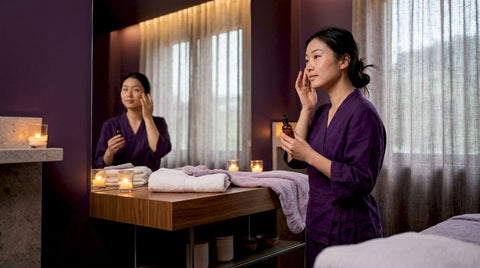
A Korean skincare routine designed to fade hyperpigmentation works by layering melanin-blocking ingredients like vitamin C and niacinamide with gentle exfoliation and daily SPF protection. Hyperpigmentation, the clinical term for excess melanin deposits that create dark spots, post-inflammatory marks, and uneven tone, responds well to this multi-step approach. The K-beauty philosophy does not rely on one aggressive treatment. Instead, it stacks gentle actives to minimize barrier damage while steadily brightening skin. Consistency and patience are the two factors that determine results more than any single product.
What are the key ingredients to fade hyperpigmentation with a Korean routine?
The most effective K-beauty hyperpigmentation routine steps combine several targeted actives, each working through a different mechanism. No single ingredient does everything. Layering them produces results that one ingredient alone cannot.
- Vitamin C (L-ascorbic acid): Inhibits the enzyme tyrosinase, which drives melanin production. Apply it in the morning under SPF for maximum antioxidant protection against UV-triggered pigmentation.
- Niacinamide: Blocks the transfer of melanin from pigment cells to skin cells. Niacinamide is safe for all skin types, including during pregnancy, making it one of the most universally recommended brightening agents in Korean skincare for pigmentation.
- Tranexamic acid and arbutin: Both inhibit melanin synthesis through pathways separate from vitamin C. They work well alongside niacinamide and are gentler options for sensitive skin. Learn more about arbutin’s brightening role in layered routines.
- AHA and mandelic acid: Keratolytic exfoliants that dissolve the bonds holding pigmented dead cells on the surface. Use them 2–3 times per week to accelerate cell turnover without stripping the barrier.
- Broad-spectrum SPF 30+: Daily sunscreen is non-negotiable. UV exposure triggers new melanin production and darkens existing spots, which cancels out every brightening active you apply.
Pro Tip: Layer your brightening actives from thinnest to thickest consistency. Apply vitamin C serum first, then niacinamide, then moisturizer. This order maximizes absorption of each active.
What is the best step-by-step Korean skincare routine to fade dark spots?
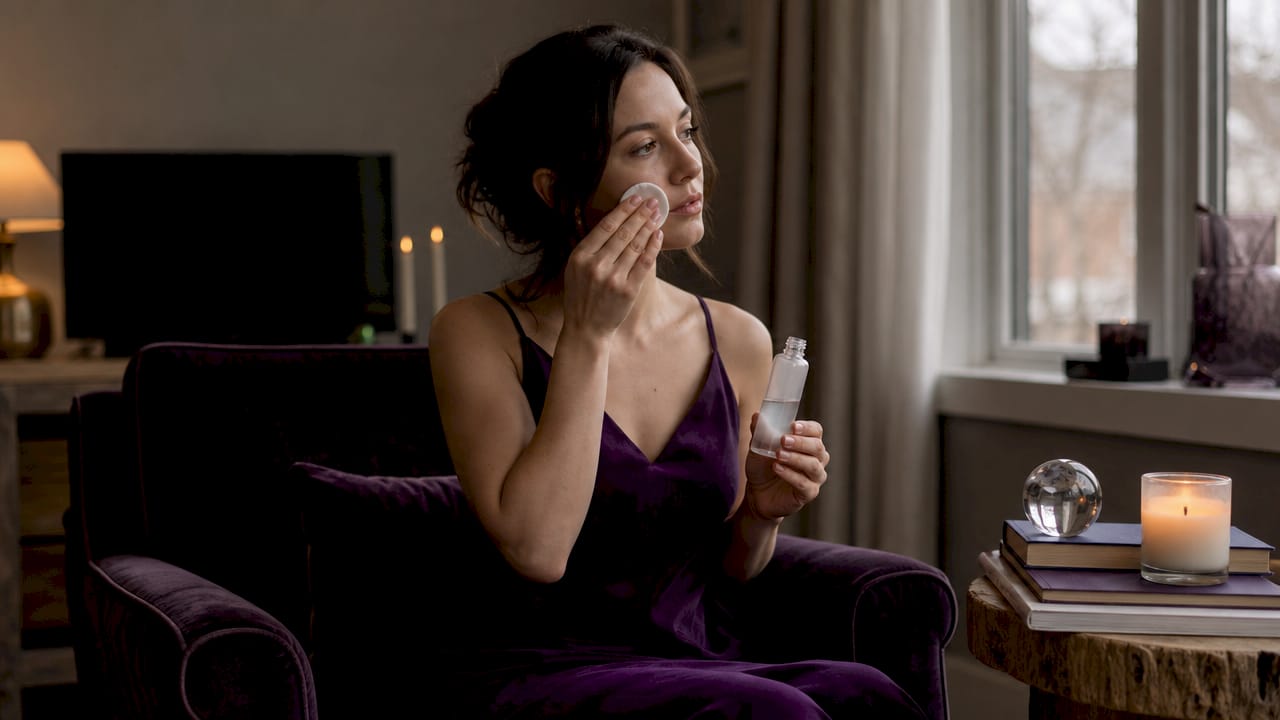
A structured AM and PM routine gives each active ingredient the right environment to work. The 10-step Korean routine framework can be simplified into a focused brightening protocol without overwhelming your skin.
Morning routine
- Gentle cleanser. Use a low-pH cleanser that does not strip the skin barrier. Avoid foaming cleansers with sulfates if your skin is dry or sensitive.
- Hydrating toner. Pat a lightweight, hydrating toner into skin to prep it for actives. This step improves serum absorption.
- Vitamin C serum. Apply 3–5 drops and press gently into skin. Vitamin C works best in the morning when it can neutralize free radicals from UV and pollution throughout the day.
- Niacinamide serum or ampoule. Layer over vitamin C once it has absorbed. Niacinamide also calms any redness, which makes it a strong complement to the more potent vitamin C.
- Moisturizer. Seal in actives with a moisturizer suited to your skin type. Gel formulas work for oily skin; cream formulas work for dry or sensitive skin.
- SPF 30+ sunscreen. Apply as the final step, every single morning, regardless of weather or indoor plans. This is the step that protects all your brightening work.
Evening routine
- Oil cleanser or balm. The double cleansing method starts with an oil-based cleanser to dissolve sunscreen and sebum thoroughly.
- Water-based cleanser. Follow with a gentle water-based cleanser to remove any remaining residue.
- Exfoliant (2–3 nights per week). Apply an AHA or mandelic acid toner or serum on alternating nights. Skip on nights when you use a retinoid.
- Brightening serum. On non-exfoliant nights, apply a brightening serum containing tranexamic acid, arbutin, or niacinamide.
- Moisturizer. Apply a slightly richer moisturizer than your morning formula to support overnight repair.
Pro Tip: Never apply a chemical exfoliant and a retinoid on the same night. Alternate them across the week to keep your barrier intact and avoid triggering new inflammation.
How long does it take to see results from a Korean hyperpigmentation routine?
Setting realistic expectations prevents you from abandoning a routine before it has time to work. Expert consensus on fading timelines breaks down into clear phases.
| Phase | Timeline | What changes |
|---|---|---|
| Initial brightness | 4–6 weeks | Skin looks more hydrated and luminous from exfoliation and hydrators |
| New spot prevention | 2–3 months | Consistent actives and SPF stop new dark spots from forming |
| PIH fading | 3–6 months | Post-inflammatory hyperpigmentation from acne or injury visibly lightens |
| Sun spots and melasma | 6–12 months | Deeper, more stubborn pigmentation shows measurable improvement |
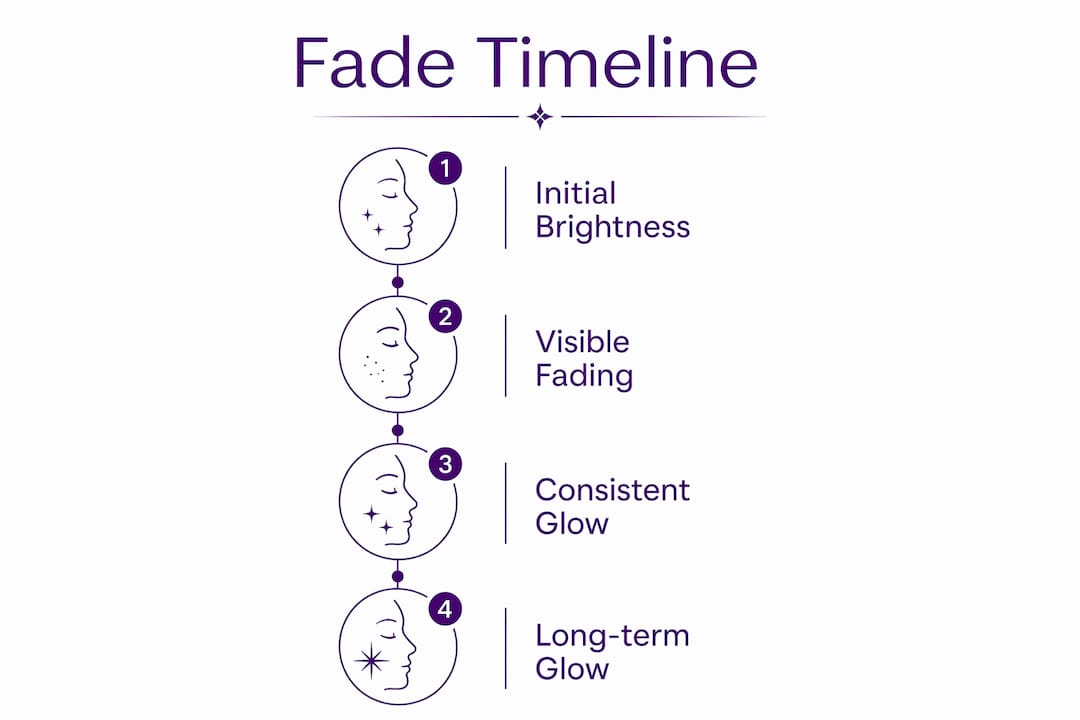
Visible fading typically begins in 6–12 weeks when you follow a layered brightening approach consistently. That timeline assumes daily SPF use and no routine disruptions.
Human perception underestimates slow, gradual change. Taking weekly photos in consistent lighting is one of the most practical tools for tracking progress. Without photographic evidence, many people quit a routine that is actually working.
What mistakes slow down a Korean routine for fading hyperpigmentation?
Several common errors stall results or actively worsen pigmentation. Recognizing them early saves months of frustration.
- Skipping sunscreen. This is the single most damaging mistake. UV exposure darkens existing spots and triggers new melanin deposits, which erases the progress your actives have made.
- Overloading actives. Using vitamin C, AHA, retinoid, and tranexamic acid all in one routine overwhelms the skin barrier. A damaged barrier produces inflammation, which causes post-inflammatory hyperpigmentation.
- Retinoid and acid conflict. Combining AHA or BHA with retinoids on the same night damages the moisture barrier and can worsen pigmentation instead of fading it. Alternate them on separate nights.
- Quitting too early. Most people stop before the 6-week mark, which is before any visible change occurs. Patience is not optional with hyperpigmentation treatment.
- Using the wrong sunscreen for melasma. Chemical sunscreen filters can generate heat on the skin, which worsens melasma. Physical sunscreens with zinc oxide are the preferred choice for melasma-prone skin.
- Neglecting the skin barrier. Actives only work when the barrier is intact. Skipping moisturizer or over-exfoliating creates micro-damage that triggers more pigmentation.
A routine that irritates your skin is not a stronger routine. Irritation causes inflammation, and inflammation causes hyperpigmentation. Gentle and consistent always outperforms aggressive and reactive.
How do you customize a Korean routine for different skin types?
The K-beauty approach to even skin tone is adaptable. Adjusting ingredient choices and layering intensity based on your skin type produces better results with less risk of irritation. For detailed guidance on mixing actives safely, the layering order matters as much as the ingredients themselves.
- Oily skin: Use gel-based moisturizers and lightweight, water-based serums. Controlled exfoliation 2–3 times per week with AHA keeps pores clear and pigmented cells turning over without triggering excess oil production. Explore oily skin layering guidance for specific product textures.
- Dry or sensitive skin: Introduce actives one at a time, starting with niacinamide before adding vitamin C or acids. Use a hydrating toner as a buffer layer between your cleanser and actives. Prioritize a rich moisturizer every night.
- Darker skin tones: Introduce acids slowly, starting at lower concentrations and lower frequency. Darker skin tones are more prone to post-inflammatory hyperpigmentation from irritation, so a cautious introduction protects against new spots forming.
- Pregnancy-safe routines: Niacinamide, tranexamic acid, and azelaic acid are considered safe options. Avoid retinoids and high-concentration AHAs during pregnancy. A niacinamide-centered routine still delivers meaningful brightening results.
- Mature or barrier-compromised skin: Prioritize hydration and barrier repair before introducing exfoliants. A ceramide-rich moisturizer used consistently for two weeks before adding acids reduces the risk of irritation.
Pro Tip: If your skin feels tight, red, or stings after applying an active, that is a signal to reduce frequency, not to push through. Barrier damage sets your fading timeline back by weeks.
Key takeaways
A consistent Korean skincare routine that layers melanin-inhibiting actives, gentle exfoliation, and daily SPF 30+ is the most effective approach to fading hyperpigmentation without irritation.
| Point | Details |
|---|---|
| Layer multiple actives | Vitamin C, niacinamide, and tranexamic acid each target melanin through different pathways for better results. |
| SPF is non-negotiable | Skipping sunscreen cancels brightening progress by triggering new melanin production daily. |
| Expect a 3–6 month timeline | Post-inflammatory hyperpigmentation takes 3–6 months to fade visibly with consistent routine use. |
| Avoid retinoid and acid conflict | Never apply AHA or BHA with a retinoid on the same night to protect the skin barrier. |
| Track progress with photos | Weekly photos in consistent lighting prevent premature routine abandonment by showing gradual change. |
What I have learned from years of watching K-beauty routines work
The most common mistake I see is treating a Korean brightening routine like a sprint. People stack every active they can find, see redness at week two, and conclude the routine is not working. The redness is the routine working against them, not for them.
The K-beauty philosophy works precisely because it does not rush. Layering niacinamide with vitamin C and a gentle AHA gives your skin three separate mechanisms targeting melanin without overwhelming any single pathway. That is more effective than one aggressive peel, and it does not set your barrier back to zero every time you use it.
Sunscreen is the step I cannot overstate. I have seen people use every brightening serum available and still wonder why their spots are not fading. They were skipping SPF. UV exposure undoes brightening actives in real time. There is no workaround.
The photo-tracking habit genuinely changes how people relate to their routine. Skin fades so gradually that your eyes adapt to the change and stop registering it. A photo from eight weeks ago compared to today shows the difference your eyes missed every morning in the mirror. That comparison is often what keeps people consistent through the harder months.
My honest advice: start with niacinamide and SPF alone for the first two weeks. Add vitamin C in week three. Add an AHA in week five. Build slowly, track weekly, and do not add a new active until the previous one feels comfortable. That approach gets results. Chasing faster results with more products gets irritation.
— Lunara
Build your K-beauty brightening routine with Lunarashopping
Lunarashopping carries a curated selection of Korean skincare products designed specifically for layering brightening actives and protecting your results.
The Morning Face Care Routine Set is built for exactly this purpose, combining vitamin C and niacinamide-compatible products in a layering-ready format. For gentle exfoliation 2–3 times per week, the MIDHA Rice Bran Facial Scrub Foam offers a keratolytic option that supports pigmented cell turnover without stripping the barrier. If you want to build a fully personalized routine from the ground up, the Custom Skincare Kit Builder lets you select products matched to your skin type and concerns. Browse the full face care collection to find every step your routine needs.
FAQ
What is the fastest way to fade hyperpigmentation with K-beauty?
The fastest approach combines daily vitamin C serum, niacinamide, AHA exfoliation 2–3 times per week, and SPF 30+ every morning. Visible fading begins in 6–12 weeks with consistent use.
Is niacinamide or vitamin C better for dark spots?
Both are effective through different mechanisms. Niacinamide blocks pigment transfer and is gentler, while vitamin C inhibits melanin production and adds antioxidant protection. Using both together produces stronger results than either alone.
Can I use retinol in my Korean hyperpigmentation routine?
Yes, but never on the same night as a chemical exfoliant. Combining retinoids with AHA or BHA damages the skin barrier and can worsen pigmentation. Alternate them on separate nights.
Which sunscreen is best for melasma in a Korean routine?
Physical sunscreens containing zinc oxide are the preferred choice for melasma. Chemical sunscreen filters can generate heat on the skin, which worsens melasma pigmentation in some people.
How do I know if my routine is working if I cannot see a difference?
Take a photo in consistent lighting every week. Human perception adapts to gradual change and misses slow fading. Weekly photo tracking is the most reliable way to measure progress and stay consistent through the full treatment timeline.