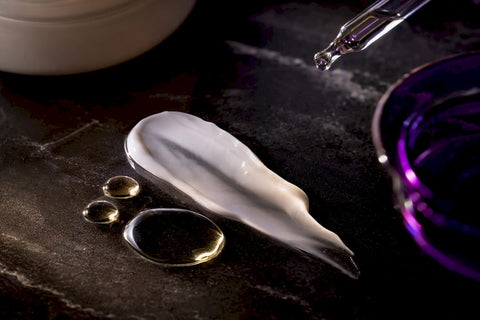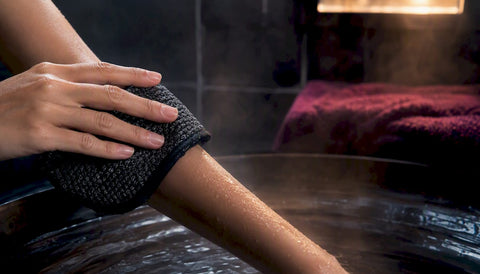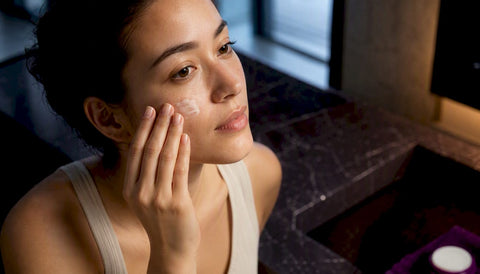
If you have sensitive skin, prioritize fragrance-free, centella-forward, hydration-first products over anything marketed as strong or fast-acting. Korean skincare for sensitive skin works best when it focuses on barrier repair rather than aggressive correction. There are vetted, gentle K-beauty options available for readers who want that approach without guesswork, but even the calmest formula deserves a patch test first, and daily sunscreen is non-negotiable.
TL;DR:
- Fragrance-free and centella-based products are most effective for sensitive skin, with a focus on barrier repair rather than aggressive correction.
- Key calming ingredients include centella asiatica, panthenol, oat extracts, hyaluronic acid, and glycerin, while avoiding added fragrances, high-percentage acids, and harsh alcohols.
- Patch testing new products on the inner forearm for 24 to 48 hours, and introducing only one product at a time, helps prevent severe reactions.
- A simplified routine with gentle cleansing, calming serums, and a barrier-supporting moisturizer provides effective protection without unnecessary steps.
- Vetted, low-ingredient, fragrance-free Korean formulas are now widely available at mainstream retailers, making gentle skincare more accessible.
Table of Contents
- What Should You Prioritize When Choosing Korean Skincare for Sensitive Skin?
- Which Korean Skincare Ingredients Actually Calm Sensitive Skin?
- What Is a Gentle Korean Skincare Routine for Sensitive Skin?
- How Do You Patch-Test New K-Beauty Products Safely?
- Why Trust This Guide to K-Beauty for Sensitive Skin?
- The Editorial Take: What Sensitive Skin Actually Needs From K-Beauty
- How Lunarashopping Makes Gentle K-Beauty Simple to Shop
- Sources
What Should You Prioritize When Choosing Korean Skincare for Sensitive Skin?
Reactive skin does better with fewer ingredients doing more targeted work, not a longer list of actives competing for attention. Fragrance is the single most common trigger for contact irritation in skincare, so a fragrance-free or unscented label is your first filter, not an afterthought. A short ingredient list also makes it easier to identify the culprit if something does cause redness, since you are not troubleshooting against fifteen variables at once.
Look for products built around calming, barrier-supporting ingredients rather than ones promising instant brightening or resurfacing. The goal is quiet skin, not dramatic before-and-afters in a week.
Seek out:
- Centella asiatica (also labeled cica or Centella asiatica extract)
- Panthenol (provitamin B5)
- Madecassoside
- Oat extracts or oat seed water
- Hyaluronic acid and glycerin
Be cautious with or avoid:
- Added fragrance or essential oils, even “natural” ones like citrus or lavender
- High-percentage exfoliating acids (glycolic, salicylic above 2%)
- Denatured alcohol high on the ingredient list
- Retinoids introduced without a gradual buildup
Texture matters as much as ingredients. Lightweight gels suit oily or combination sensitive skin in warmer months, richer creams work better for dry or flaking patches, and true barrier ointments (think petrolatum-based) earn their place only when the skin is actively compromised, such as after over-exfoliation or an eczema flare. Real-world testing by CNET’s month-long trial of Korean skincare on sensitive skin found that centella-forward, fragrance-free products consistently reduced redness, and that many of these items are now stocked at mainstream US retailers, not just specialty importers.
Pro Tip: If a product page uses the word “hypoallergenic” but still lists fragrance in the top five ingredients, treat that as a red flag rather than reassurance. Read the actual list, not the marketing headline.
Which Korean Skincare Ingredients Actually Calm Sensitive Skin?
Centella asiatica is the ingredient doing the heaviest lifting in modern K-beauty for reactive skin, and it earns that reputation honestly. Its active compounds, including madecassoside and asiaticoside, have anti-inflammatory and skin-supporting properties that show up repeatedly in centella-based product formulations, such as Purito’s centella cream line, which markets itself specifically around soothing redness in unscented form. Products in this category tend to pair centella with a short supporting cast rather than stacking it against harsher actives.
Panthenol and oat extracts work on a different but complementary level: barrier repair. Panthenol converts into vitamin B5 in the skin and supports the skin’s own repair processes, while oat seed water, found at high concentrations in formulas like Purito’s Oat In Calming Gel Cream, helps calm visible irritation while cushioning moisture loss. Peer-reviewed dermatology literature backs this barrier-first approach, noting that humectant-driven hydration and barrier support are core treatments for sensitive and reactive skin, not optional extras.
Hyaluronic acid and glycerin are humectants, meaning they pull and hold water in the skin rather than treating anything directly. That makes them close to universally tolerated, which is why they anchor most Korean serums for sensitive skin rather than sitting on the sidelines.
Once your skin is calm and tolerating a basic routine, niacinamide and azelaic acid are reasonable next steps. Both have a lower irritation profile than retinoids or high-strength acids, but introduce either one at a time, not alongside a new cleanser or moisturizer, so you can trace any reaction to its source. Newer novelty actives, like snail mucin, carry more mixed evidence. A systematic review of snail-based skincare products found the research quality behind many of the marketed benefits is inconsistent, so treat bold claims about trendy ingredients with a healthy dose of skepticism until your basics are locked in.
What Is a Gentle Korean Skincare Routine for Sensitive Skin?
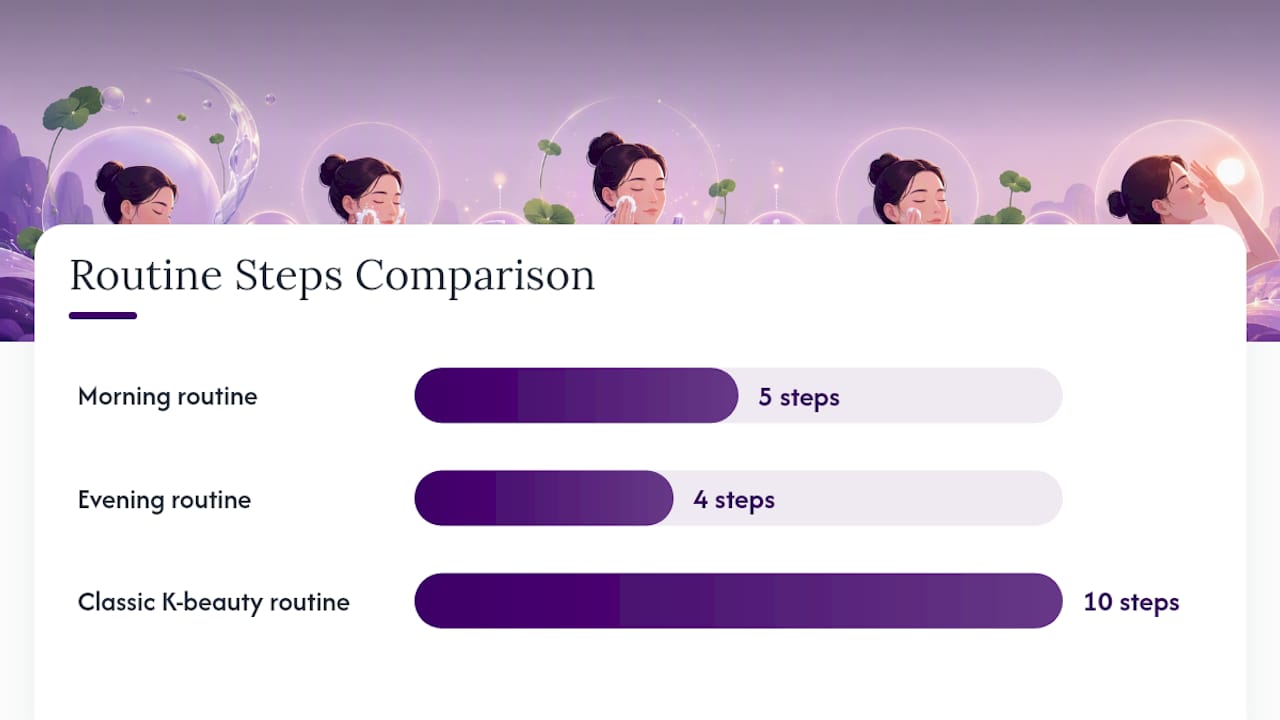
Korean skincare routines are built in layers, thinnest to thickest, and sensitive skin benefits from a stripped-down version of the classic multi-step approach rather than the full ten-step lineup.
Morning routine:
- Cleanse with a low-foaming, pH-balanced cleanser (skip harsh sulfates entirely)
- Apply a hydrating, alcohol-free toner to prep the skin
- Layer a centella or panthenol-based serum for calming support
- Seal with a lightweight, fragrance-free moisturizer
- Finish with a broad-spectrum sunscreen, reapplied if you’re outdoors for hours
Evening routine:
- Double cleanse only if you wore sunscreen or makeup that day, starting with an oil or balm cleanser followed by your gentle water-based one
- Apply the same calming serum, or swap in a hydrating essence if your skin feels tight
- Finish with a richer, barrier-supporting cream if your skin feels dry or irritated, saving thinner gels for humid weather
Introduce any new active gradually, two to three times a week at first, and never add more than one new product at a time. That single rule prevents the most common mistake sensitive-skin users make: layering four new items in one week and having no idea which one caused the flare. For a broader breakdown of standard layering logic, Splendora’s five-step routine guide walks through the cleanser-to-moisturizer order in more detail. If you’d rather not assemble each step individually, Lunarashopping’s hydration-focused product category groups compatible items together.
How Do You Patch-Test New K-Beauty Products Safely?
Patch testing is the single habit that separates people who build a tolerant routine from people who end up with a reactive mess of half-used products. It takes a few extra days, and it saves you from applying an irritant to your whole face at once.
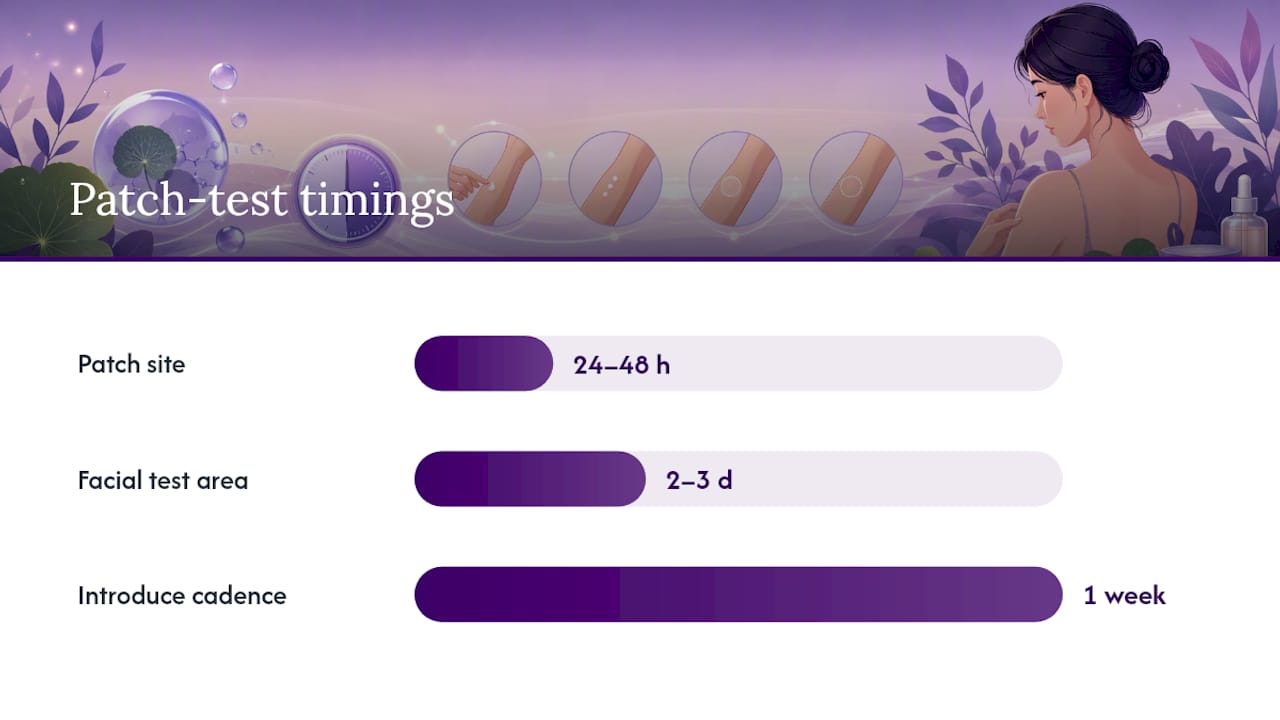
- Apply a small amount of the new product to your inner forearm or behind your ear.
- Leave it undisturbed for 24 to 48 hours without washing the area.
- Check for redness, itching, burning, or bumps before applying anywhere near your face.
- If clear, apply to a small facial area (like one cheek) for another 2 to 3 days before full use.
- Introduce only one new product per week when building out a routine this way.
Mild tingling for a minute after application can be normal, especially with humectants like glycerin. Persistent redness, itching, swelling, or a burning sensation that doesn’t fade is not normal, and it means stop, don’t push through it. Clinical guidance consistently recommends conservative, staged introduction of new topical products for exactly this reason: sensitive skin often needs longer to signal a problem than resilient skin does.
If irritation shows up mid-routine, strip back to a bare-minimum cleanser, moisturizer, and sunscreen for a week before reintroducing anything. Facial swelling, blistering, or difficulty breathing after a new product warrants immediate medical attention, not a wait-and-see approach.
Pro Tip: Keep a simple note on your phone logging what you introduced and when. Sensitive skin reactions can show up two or three days later, and memory alone rarely reconstructs the timeline accurately.
Why Trust This Guide to K-Beauty for Sensitive Skin?
This guide was built by Lunara, drawing on Lunarashopping’s focus as a retailer specializing in Korean skincare and curated self-care essentials, alongside the kind of evidence that actually holds up: peer-reviewed dermatology research and independent product testing, not brand marketing copy.
The ingredient recommendations lean on findings around barrier repair and humectant-driven hydration published in peer-reviewed skin research, cross-referenced against real-world testing from outlets with no financial stake in any single product line.
The sourcing behind these recommendations includes:
- Peer-reviewed literature on skin barrier function and sensitive skin management
- CNET’s hands-on testing of Korean skincare on sensitive skin over a month
- Wirecutter’s product reviews and expert consultations on K-beauty’s hydration-first approach
Every recommendation here prioritizes three things in order: repairing the skin barrier, using ingredients with actual soothing evidence behind them, and testing new products slowly enough to catch problems before they become bigger ones. For readers dealing with rosacea or chronic redness on top of general sensitivity, Lunarashopping’s rosacea-focused routine guide goes deeper into those specific adjustments.
The Editorial Take: What Sensitive Skin Actually Needs From K-Beauty
The K-beauty industry sells a lot of steps, and most sensitive-skin readers do not need most of them. The conventional advice, layer on serum after serum, chase the next trending ingredient, treat every new launch as an upgrade, actively works against reactive skin. What the evidence supports is almost boring by comparison: fewer ingredients, more consistency, and patience with the patch-test window most people skip entirely.
Centella and panthenol get recommended so often not because they are trendy, but because they solve the actual problem sensitive skin has: a compromised barrier that needs support, not stimulation. Where most guides fall short is treating “gentle” as a marketing label instead of an ingredient-list fact. A product can call itself calming and still carry fragrance or a high-percentage acid buried in the list.
If you take one thing from this guide, prioritize barrier repair before you chase glow, brightening, or texture correction. Sensitive skin that isn’t inflamed handles everything else far better later.
— Lunara
How Lunarashopping Makes Gentle K-Beauty Simple to Shop
Building a sensitive-skin routine from scratch means comparing dozens of ingredient lists product by product, which is exactly the kind of research most people don’t have time for. Some retailers do that filtering ahead of time, stocking fragrance-free and centella-forward formulas from trusted Korean brands so you’re choosing between vetted options instead of guessing from a search results page.
If you want a low-effort starting point, the Morning Face Care Routine Set bundles a gentle cleanser, hydrating step, and moisturizer in one purchase, sized so you can patch-test everything before committing to full-size bottles. Prefer to build your own combination around specific concerns, like redness, dryness, or barrier repair? The Custom Skincare Kit Builder lets you assemble a small, tailored set instead of buying full-size products you haven’t tested yet. Start with a trial-size set, patch-test each item on your forearm for 48 hours, and add one product at a time.
Sources
- I Tested the Best Korean Skin Care on My Sensitive Skin for a Month. These Are the Products I Recommend - CNET
- PMC article on skin barrier and moisturizers
- 16 Best Korean Skin Care Products of 2026 | Reviews by Wirecutter