Korean facial mists are defined by four core texture categories: watery, oil, gel, and moisturizer, each delivering distinct hydration, soothing, and refreshing benefits to your skin. The four main types reflect not just formulation differences but also specific usage moments within a routine, from post-cleansing prep to midday refreshment over makeup. Brands like Son & Park and Peach & Lily have helped popularize these formats, while dermatologists now recognize facial mists as multifunctional treatment products rather than optional extras. Understanding which type suits your skin type and routine stage is the fastest way to get real results from your Korean skincare mists.
1. What are the types of Korean facial mists?
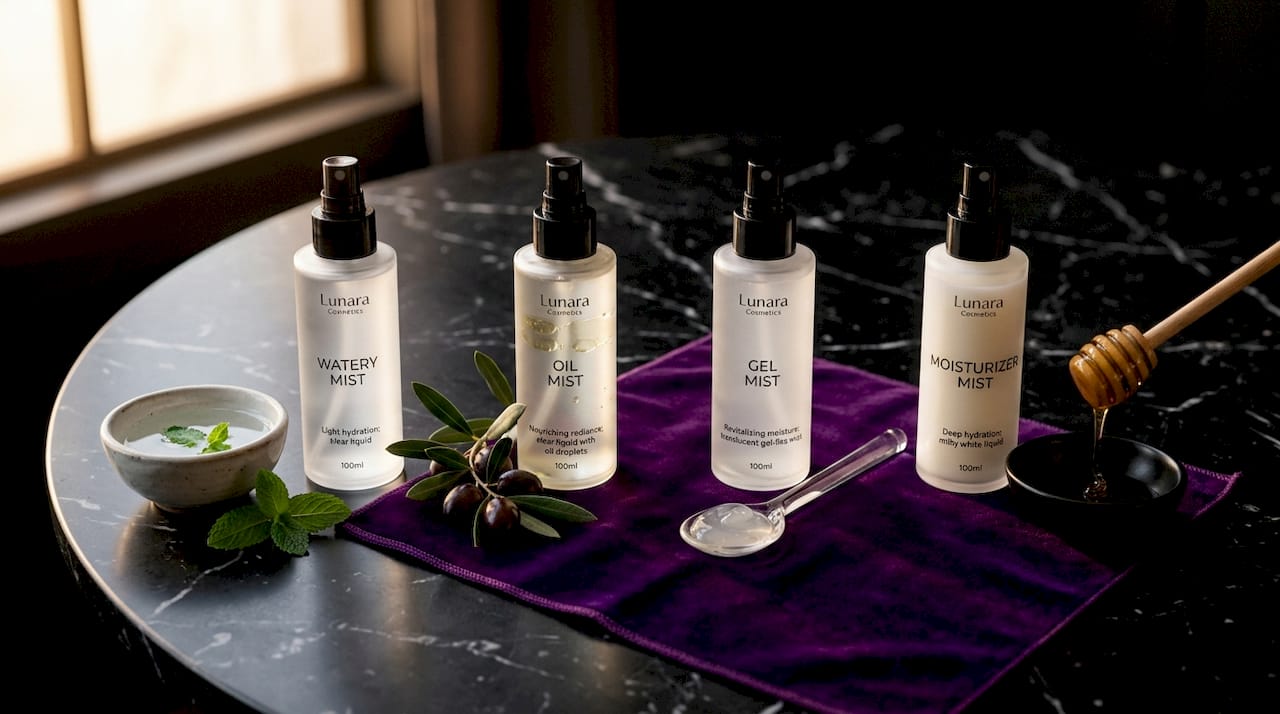
Korean facial mist taxonomy, as defined by Hwahae, groups sprays into watery, oil, gel, and moisturizer types based on formula texture and function. This classification matters because texture directly determines how a mist absorbs, how long it holds moisture, and which skin types benefit most. A watery mist and a gel mist may both hydrate, but they perform differently at different routine stages. Matching the right type to your skin and your routine step is the core skill this guide builds.
The four types also align with distinct skincare goals. Watery mists prioritize quick, lightweight hydration. Oil mists focus on nourishment and barrier support. Gel mists deliver sustained moisture with fast absorption. Moisturizer mists combine hydration with treatment ingredients for sensitive or reactive skin. Each type has a clear place in a well-structured routine.
2. Watery Korean facial mists: lightweight hydration for most skin types
Watery mists are the most widely used format in Korean skincare. They are liquid sprays with a thin, water-like consistency, typically loaded with humectants like hyaluronic acid and glycerin that pull moisture into the skin. These formulas absorb almost instantly, leaving no residue, which makes them a practical choice for layering at multiple points in your routine.
Key characteristics of watery mists include:
- Texture: Ultra-light, water-thin consistency with no oily or sticky finish
- Core ingredients: Hyaluronic acid, glycerin, thermal mineral water, soothing botanicals like centella asiatica or green tea
- Best skin types: Oily, combination, and normal skin benefit most; sensitive skin should check for alcohol or fragrance
- Ideal usage moments: Immediately after cleansing to lock in moisture, or between toner and serum to boost absorption
- Oil-free options: Formulas with tea tree or witch hazel work well for oil-prone skin without clogging pores
Thermal water sprays, such as those inspired by French spa water formats but reformulated with Korean botanical extracts, fall into this category. They cool the skin on contact and deliver a quick hydration reset without disrupting your routine.
Pro Tip: Apply your watery mist within 30 seconds of cleansing, while your skin is still slightly damp. This timing maximizes humectant absorption and prevents transepidermal water loss before your next routine step.
3. How oil-based Korean facial mists differ and who benefits most
Oil mists combine nourishing plant oils with hydrating elements to support the skin barrier and add a visible glow. Unlike watery mists, they do not absorb instantly. They leave a fine, luminous layer on the skin that mimics the look of healthy, well-nourished skin. This makes them particularly effective as a finishing step rather than a prep step.
Key characteristics of oil mists include:
- Texture: Fine oil-water emulsion that settles into a soft, dewy finish
- Core ingredients: Jojoba oil, squalane, rosehip oil, and natural botanical extracts rich in fatty acids
- Best skin types: Dry and mature skin needing extra nourishment; not recommended for acne-prone or very oily skin
- Dual-use benefit: Oil-based mists work on both face and hair, making them a practical multi-use product
- Application timing: Best used as the final step in your routine or lightly over makeup for a refreshed, glowing finish
Squalane, in particular, has become a standout ingredient in this category. It is derived from sugarcane or olives, mimics the skin’s natural sebum, and absorbs without greasiness. Jojoba oil offers similar compatibility with the skin’s lipid structure. Both ingredients support barrier function without the heavy feel of traditional facial oils.
Apply oil mists sparingly. A single fine mist from about 20 centimeters away is enough to add glow without overwhelming the skin or disrupting makeup.
4. Gel Korean facial mists: sustained hydration with fast absorption
Gel mists represent the most technologically advanced format in the Korean facial mist category. They use hydrogel or jelly-to-mist technology to deliver a burst of moisture that absorbs quickly but holds longer than a standard watery mist. The result is a cooling, plumping sensation that lasts well beyond the initial application.
Key characteristics of gel mists include:
- Texture: Lightweight gel that converts to a fine mist on contact, absorbing without tackiness
- Core ingredients: Peptides, collagen, hyaluronic acid, and hydrogel polymers that form a moisture-retaining film
- Best skin types: Dry and combination skin seeking deeper hydration without heaviness; also suitable for normal skin
- Makeup compatibility: Gel textures layer well under makeup and can be used as a primer-adjacent step
- Skincare treatment benefit: Brands like Biodance formulate gel mists with peptides and collagen to improve skin elasticity and plumpness over time
The Biodance Jelly Serum Mist is a strong example of this category. It uses jelly-to-mist technology to deliver collagen and peptides in a format that feels weightless but performs like a serum. This dual function, hydration plus treatment, is what separates advanced gel mists from basic sprays.
Pro Tip: Use a gel mist as your midday refresh. It rehydrates without disturbing your SPF or foundation, and the peptide content means you are also delivering active ingredients throughout the day, not just in your morning routine.
5. What are moisturizer mists and how do they fit into Korean skincare?
Moisturizer mists occupy a unique position in the Korean skincare mist category. They go beyond simple hydration by incorporating barrier-support and treatment ingredients, making them closer to a lightweight moisturizer in spray form than a standard facial mist.
Key characteristics of moisturizer mists include:
- Texture: Slightly richer than watery mists but still lightweight enough to spray evenly
- Core ingredients: Niacinamide, vitamin B5 (panthenol), ceramides, and humectants that work together to hydrate and reinforce the skin barrier
- Best skin types: Sensitive, irritated, or compromised skin that needs calm, consistent hydration without heavy products
- Barrier function: Niacinamide and vitamin B5 strengthen the skin’s protective layer while reducing redness and irritation
- Routine role: Can substitute a traditional moisturizer in a minimal routine or layer between serum and moisturizer for an added hydration boost
These mists are particularly useful for skin recovering from active treatments like retinol use, chemical exfoliation, or environmental stress. The combination of humectants and barrier-support ingredients means your skin gets both immediate hydration and longer-term protection in a single step. For anyone building a gentle Korean skincare routine, a moisturizer mist is a practical and low-irritation addition.
6. Comparing Korean facial mist types: a practical reference
Choosing between mist types becomes straightforward when you compare them side by side. The table below summarizes the key differences across texture, ingredients, skin type suitability, and best usage moments.
| Mist Type | Texture | Key Ingredients | Best Skin Types | Ideal Usage Moment |
|---|---|---|---|---|
| Watery | Ultra-light, water-thin | Hyaluronic acid, glycerin, botanicals | Oily, combination, normal | Post-cleansing, between routine steps |
| Oil | Fine oil-water emulsion | Jojoba oil, squalane, rosehip | Dry, mature | Final routine step, over makeup |
| Gel | Lightweight jelly-to-mist | Peptides, collagen, hydrogel polymers | Dry, combination | Midday refresh, under makeup prep |
| Moisturizer | Slightly richer spray | Niacinamide, vitamin B5, ceramides | Sensitive, irritated | After cleansing, before moisturizer |
One trade-off worth noting: watery mists absorb fastest but offer the shortest hydration window. Gel mists absorb nearly as fast but retain moisture longer. Oil mists take the most time to settle but deliver the most nourishment. Moisturizer mists sit in the middle, offering moderate absorption speed with added treatment benefits.
Sensitive skin users should always check for denatured alcohol or strong fragrance in any mist formula. Both ingredients can disrupt the skin barrier and trigger irritation, regardless of mist type. The hydration-focused approach that defines Korean skincare generally favors gentle, well-tolerated formulas, but individual products vary.
Matching your mist type to your routine layering point is the most practical framework for making a decision. Post-cleansing calls for watery or moisturizer mists. Between steps, watery or gel mists work best. Over makeup, oil or gel mists deliver the most natural-looking refresh.
Key takeaways
The most effective Korean facial mist is the one that matches your skin type, your texture preference, and the specific moment in your routine where you apply it.
| Point | Details |
|---|---|
| Four core mist types | Watery, oil, gel, and moisturizer mists each serve distinct hydration and skincare functions. |
| Texture drives performance | Gel mists retain moisture longest; watery mists absorb fastest; oil mists nourish most deeply. |
| Skin type matters | Oily skin benefits from oil-free watery mists; dry or mature skin gains most from oil or gel formats. |
| Routine timing is key | Matching mist type to the right routine step, post-cleansing, between steps, or over makeup, maximizes results. |
| Avoid irritants | Denatured alcohol and strong fragrance in any mist type can compromise sensitive or reactive skin. |
What I have learned from years of working with Korean facial mists
The biggest mistake I see is people choosing a mist based on packaging or brand recognition alone. Texture and ingredient list are the only two factors that predict whether a mist will actually work for your skin. A beautifully branded watery mist with denatured alcohol high on the ingredient list will underperform every time compared to a simpler formula built around hyaluronic acid and centella asiatica.
The trend toward multifunctional mists, particularly gel formats with peptides and collagen like the Biodance Jelly Serum Mist, is genuinely worth paying attention to. These products close the gap between a hydrating spray and a treatment serum. For anyone trying to simplify their routine without sacrificing results, a well-formulated gel mist can replace two or three separate steps.
My honest recommendation is to start with a watery mist if you are new to this category. It is the most forgiving format across skin types and the easiest to layer without disrupting the rest of your routine. Once you understand how your skin responds to that baseline, you can experiment with gel or moisturizer mists for targeted benefits. Oil mists are best saved until you are confident your skin tolerates them, particularly if you have any tendency toward breakouts.
The sensory experience matters too, but it should not be the deciding factor. A cooling, fine mist feels satisfying, but if the formula is not delivering active hydration or barrier support, you are paying for sensation rather than results. Prioritize the ingredient list, then enjoy the experience.
— Lunara
Find your perfect Korean mist at Lunarashopping
Lunarashopping has curated a selection of Korean skincare products designed to make building your hydration routine straightforward and effective. Whether you are starting fresh or adding a targeted mist to an existing routine, the Korean Glass Skin Routine Bundle includes mist-compatible products optimized for layering and daily hydration. For a focused hydration approach, the Korean Hydration Essentials collection brings together facial mists and complementary products suited to multiple skin types. If you prefer a structured morning approach, the morning routine set incorporates mist-friendly steps from cleansing through SPF.
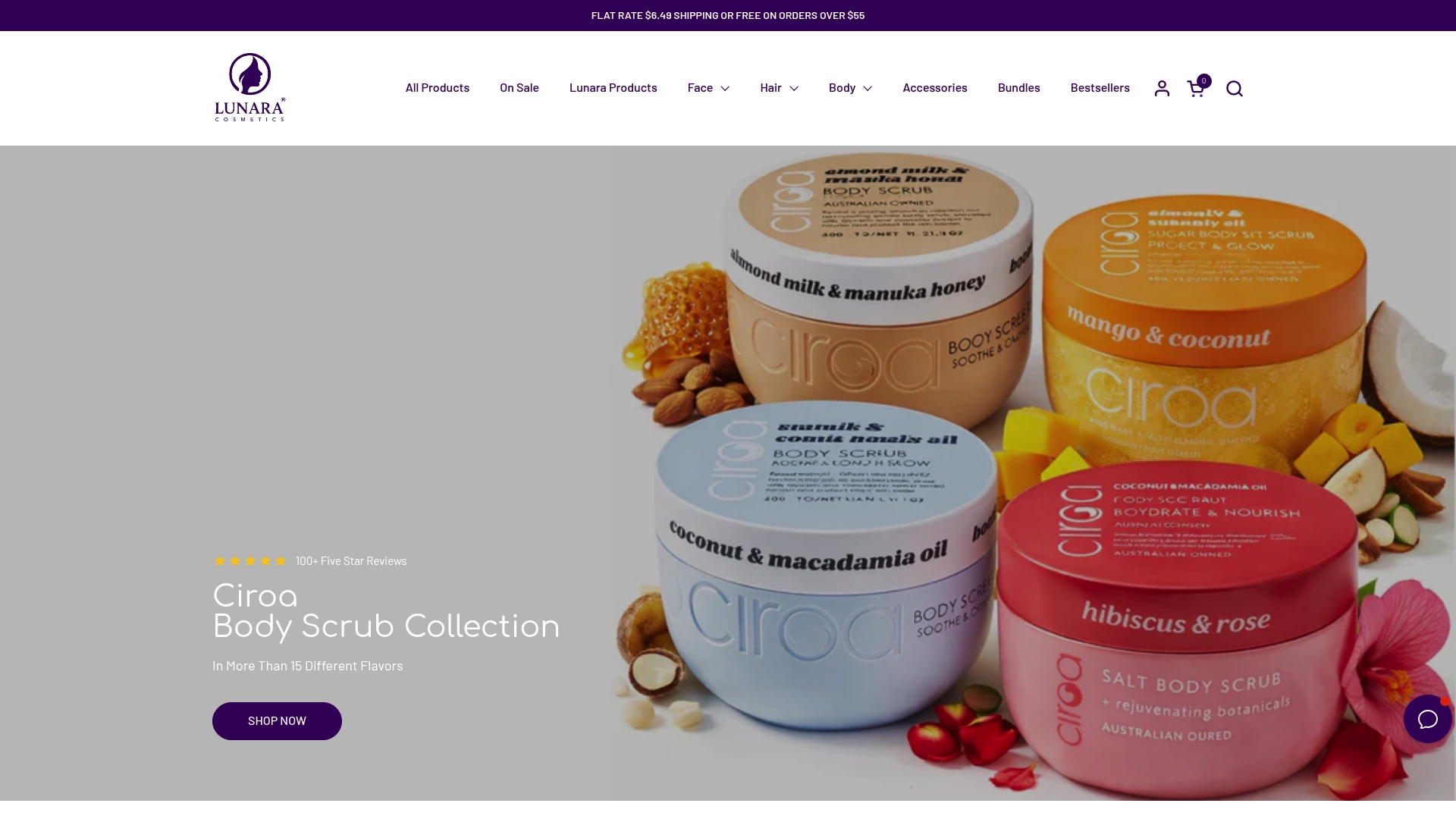
Every product in the Lunarashopping catalog is selected for ingredient quality and skin compatibility, so you can shop with confidence regardless of your skin type or experience level.
FAQ
What are the four types of Korean facial mists?
Korean facial mists are classified into watery, oil, gel, and moisturizer types based on formula texture. Each type delivers hydration differently and suits distinct skin types and routine moments.
Which Korean facial mist is best for oily skin?
Watery mists with oil-free formulas are best for oily skin. Look for soothing ingredients like tea tree or witch hazel, and avoid formulas with heavy oils or occlusive agents.
Can you use a Korean facial mist over makeup?
Yes. Oil mists and gel mists are both well-suited for use over makeup, delivering a refreshed, dewy finish without disturbing foundation or SPF. Apply from at least 20 centimeters away for an even, fine mist.
What ingredients should sensitive skin avoid in facial mists?
Sensitive skin should avoid denatured alcohol and strong fragrance in any mist formula. Both can disrupt the skin barrier and trigger redness or irritation, regardless of the mist type.
How do gel mists differ from watery mists?
Gel mists use hydrogel or jelly-to-mist technology to deliver longer-lasting moisture and often include treatment ingredients like peptides and collagen. Watery mists absorb faster but hold hydration for a shorter period.