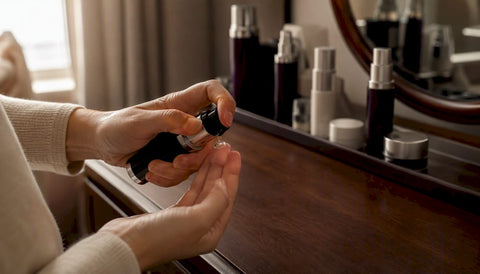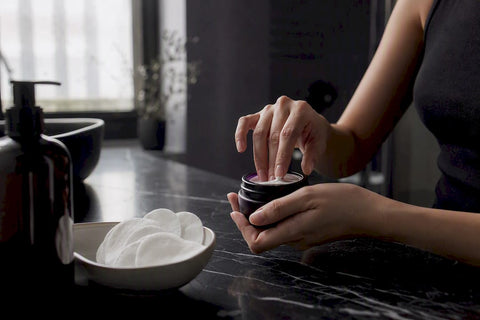
A serum is your daily, targeted treatment; an ampoule is a short-term, often higher-concentration booster. Reach for a serum first, and add an ampoule only when your skin needs an intensive push for a limited stretch.
- Frequency: serums fit into daily routines; ampoules usually run in short courses.
- Potency: ampoules often carry more concentrated actives, though this isn’t guaranteed by the label.
- Packaging: watch for single-dose vials versus pump or dropper bottles as a clue to intended use.
Pro Tip: Before buying either, flip the bottle over. Directions telling you to use it “for 7 to 14 days” or “as needed for intensive care” almost always signal an ampoule-style product, regardless of what the front label says.
Key Takeaways
Serums serve daily maintenance while ampoules deliver short-term, often higher-concentration treatment, and the label alone never confirms which one you’re holding.
| Point | Details |
|---|---|
| Serum is the daily default | Use a serum with your core actives (vitamin C, niacinamide, peptides) as your everyday routine step. |
| Ampoule is a short course | Reserve ampoules for time-limited boosts over a limited period, not indefinite daily use. |
| Labels aren’t standardized | Check disclosed percentages, pH, and directions rather than trusting the word “ampoule” or “serum” alone. |
| Layer thin to thick | Apply serum before a thicker ampoule, then moisturizer, and always patch-test new concentrated products. |
| Lunarashopping simplifies the choice | Lunarashopping’s Morning Face Care Routine Set and Custom Skincare Kit Builder pair serums and ampoules without duplicate actives. |
Table of Contents
- What Is a Serum vs an Ampoule?
- Serum vs Ampoule: A Side-by-Side Comparison
- Serum or Ampoule First? How to Layer Your Routine
- Which Should You Use for Your Skin Concern?
- What Does “Concentration” Actually Mean on the Label?
- How to Patch-Test a New Serum or Ampoule Safely
- What Dermatologists Say About the Serum vs Ampoule Confusion
- Do You Need Both a Serum and an Ampoule?
- A Note From Lunara on Choosing What Actually Works
- Where to Start Shopping for Your Routine
- Frequently Asked Questions
- Sources
What Is a Serum vs an Ampoule?
A serum is a lightweight, active-focused treatment built for regular use. Most serums center on one or two hero ingredients, things like vitamin C, niacinamide, retinoids, or peptides, and they’re formulated to sink in fast without weighing down the rest of your routine.
An ampoule started as something entirely different: a small, hermetically sealed glass vial used to protect an unstable liquid from air and light. That’s still the dictionary definition, and it’s why beauty brands borrowed the word. In K-beauty, “ampoule” traditionally meant a concentrated, short-course treatment, something you’d use for a week or two when your skin needed extra help, not something you’d reach for every day forever.
Here’s the catch: neither term is regulated.
- A serum labeled “intensive” might rival an ampoule in strength.
- An ampoule sold in a standard pump bottle may perform identically to a serum.
- The only way to know what you’re actually buying is to check the ingredient list, the disclosed percentages, and the usage directions, not the word on the front.
Serum vs Ampoule: A Side-by-Side Comparison
| Dimension | Serum | Ampoule |
|---|---|---|
| Intended use | Daily maintenance and prevention | Short-term booster or intensive rescue |
| Typical concentration | Moderate, built for sustained daily use | Often higher, though not guaranteed by the label |
| Frequency | Once or twice daily, ongoing | Short courses, often 1 to 4 weeks |
| Packaging | Pump or dropper bottles | Single-dose vials or small multi-use bottles |
| Common actives | Vitamin C, niacinamide, hyaluronic acid, peptides | Retinol, high-percentage acids, concentrated peptides |
| Price and positioning | Broad range, everyday budget | Frequently premium, positioned as intensive care |
Not every ampoule follows this pattern. Some brands sell ampoules in the same dropper bottles as their serums, at similar concentrations. There’s no industry-wide ladder where ampoule always outranks serum in strength.
Pro Tip: Check the directions panel before the ingredient list. A product that says “use nightly” behaves like a serum no matter what the front label calls it. One that says “use for a limited course” behaves like an ampoule.
Serum or Ampoule First? How to Layer Your Routine
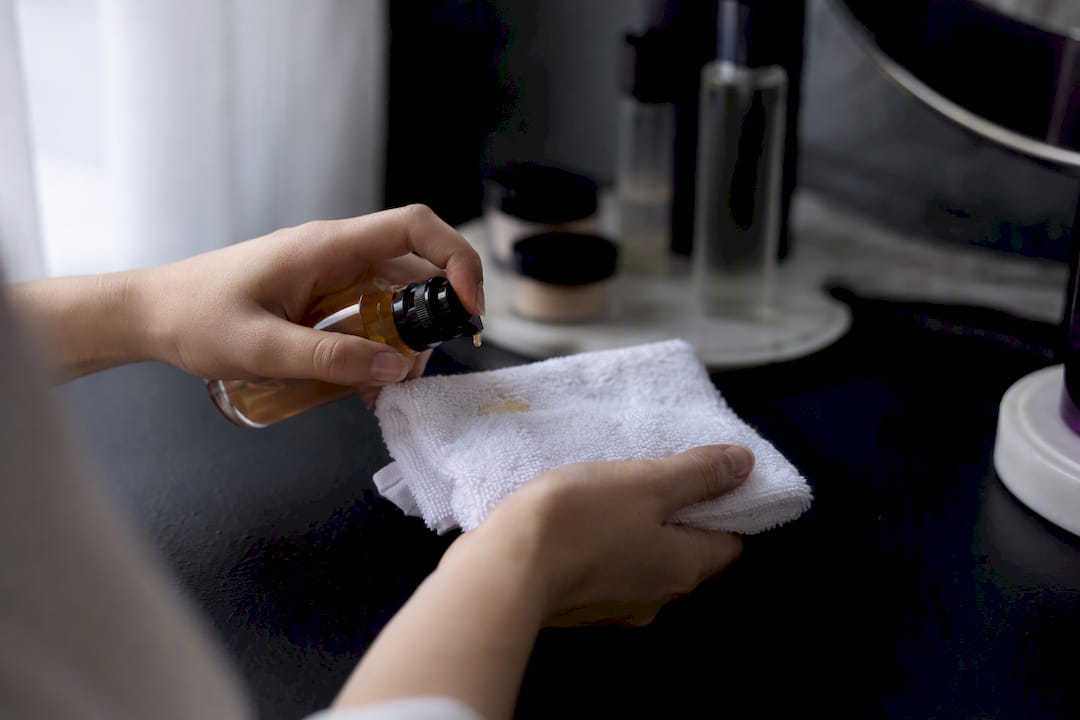
Layer by texture, thinnest to thickest, and let your skin’s tolerance guide frequency from there.
Morning routine:
- Cleanse.
- Apply toner or essence, if you use one.
- Apply your thinnest treatment first, typically the serum.
- Follow with a thicker treatment, if you’re using an ampoule that day.
- Moisturize.
- Apply sunscreen.
Evening routine: This is when concentrated actives, retinoids, and chemical exfoliants tend to shine, since your skin isn’t juggling sun exposure. If you’re introducing an ampoule with retinol or a high-percentage acid, pull back on other exfoliating steps that same night to avoid overloading your barrier.
- Use a nickel-sized amount of serum, less for concentrated ampoules.
- When layering both, apply thinner to thicker, waiting a minute between steps.
- Check for duplicate actives. Three products with 10% vitamin C each add up to real irritation risk.
- Don’t stack a retinoid ampoule with an acid exfoliant on the same night.
- Patch-test any new concentrated product before adding it to your full face.
Which Should You Use for Your Skin Concern?
Match the product to what your skin actually needs, not to what sounds more advanced.
- Dryness: a hydrating serum with hyaluronic acid or ceramides, used daily, usually covers it. Reach for a soothing ampoule only after a specific flare, like windburn or over-exfoliation.
- Aging concerns: a peptide or retinoid serum builds results over months. A short ampoule course can jump-start visible texture change before an event.
- Acne: daily niacinamide or salicylic acid serums manage breakouts long-term. A concentrated spot-treatment ampoule works for an active flare, not ongoing use.
- Sensitivity: stick with gentle daily serums and treat ampoules with caution. Anything labeled “intensive” deserves a patch test first.
- Dullness: a vitamin C serum is your daily workhorse; a brightening ampoule can give a short-term boost before a big event.
If redness, breakouts, or irritation persist past two to three weeks despite adjusting your routine, that’s your cue to see a dermatologist rather than add another product.
What Does “Concentration” Actually Mean on the Label?
Packaging tells you almost as much as the ingredient list. Airless pumps, opaque glass, and sealed single-dose vials all protect actives like vitamin C and retinol from air and light degradation, the same principle behind the original pharmaceutical ampoule. A jar with a wide opening exposes those same ingredients to oxidation every time you open it.
- Marketing words like “supercharged” or “ultra-concentrated” carry no legal definition; they’re copywriting, not chemistry.
- Look for a disclosed percentage next to the active ingredient. “Vitamin C” tells you nothing; “15% vitamin C” tells you something.
- For exfoliating acids, check whether pH is listed. Lower pH generally means more active exfoliation, and more potential irritation.
Pro Tip: If a brand won’t disclose a percentage or pH, treat the product as unproven strength, regardless of how “intensive” the packaging looks.
How to Patch-Test a New Serum or Ampoule Safely
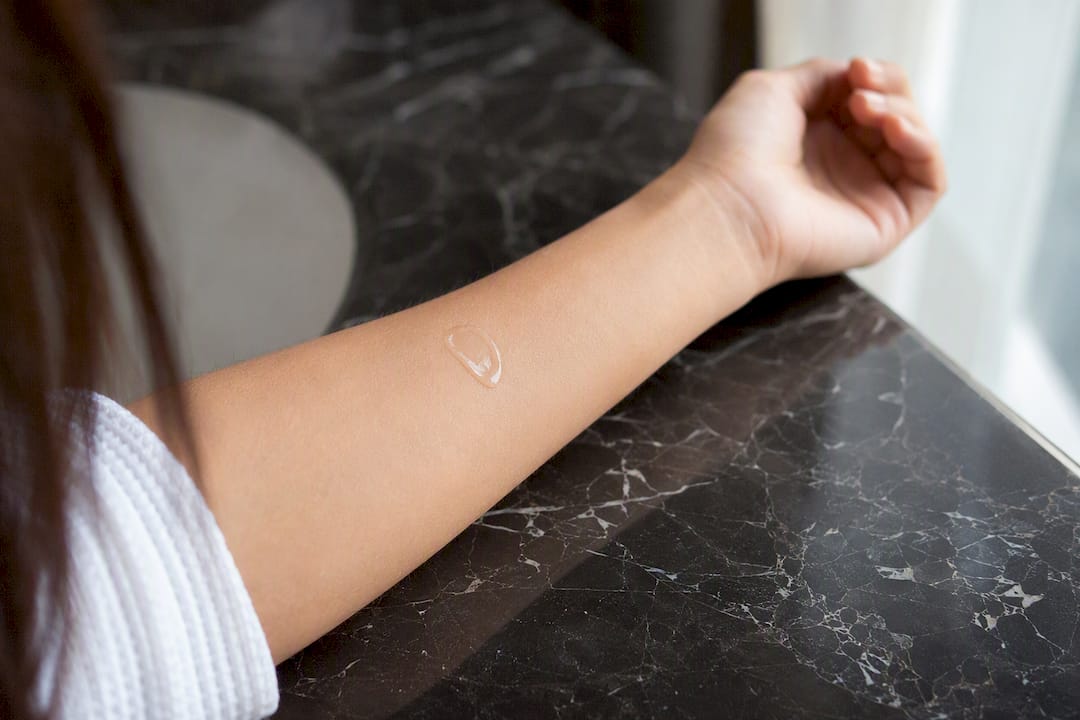
Apply a small amount to your inner arm or behind your ear, then wait 24 to 48 hours before checking for redness, itching, or bumps. If your skin looks clear, introduce it to your face slowly, one new product at a time, so you know exactly what’s responsible if something reacts.
Layering multiple exfoliants, or combining a retinoid with a chemical peel, is the fastest route to a compromised barrier. Space these actives out rather than using them the same night.
Redness that lingers past a few hours, persistent burning, or breakouts that worsen after a week are signs to stop and consult a dermatologist rather than push through.
What Dermatologists Say About the Serum vs Ampoule Confusion
Board-certified dermatologists and beauty editors generally agree that the terms have blurred well past their original meaning. Serums remain the daily workhorse; ampoules are sometimes more concentrated, but that’s a marketing tendency, not a guarantee.
Clinicians consistently point to the same fix: stop trying to rank “serum” against “ampoule” and instead compare ingredient lists, disclosed percentages, and directions for frequency.
Pro Tip: Treat any ampoule like a prescription with a start and end date. Use it for the stated course, then reassess whether your skin still needs it or has settled back into daily-serum territory.
Do You Need Both a Serum and an Ampoule?
Most people don’t need both running at once, and that’s fine. A well-chosen daily serum handles maintenance for the vast majority of skin goals. An ampoule earns its place when you have a specific, time-limited concern: recovery after a harsh peel, a short push before an event, or a flare that needs more than your usual routine offers.
Before adding one, ask yourself:
- What specific concern am I targeting, and is it ongoing or temporary?
- What actives are already in my serum, and would an ampoule duplicate them?
- How has my skin handled new actives in the past?
- Am I comfortable running the product for a defined, short course rather than indefinitely?
A short ampoule course makes sense when your regular serum isn’t moving the needle fast enough on a specific, time-bound goal.
A Note From Lunara on Choosing What Actually Works
We built our curated categories around the same decision rules laid out here: ingredients and directions matter more than category labels… Browse our serum collection with that lens, and know our team stands behind returns if a product doesn’t agree with your skin.
Where to Start Shopping for Your Routine
If you’ve read this far and you’re still not sure where to begin, start simple: pick one daily serum that matches your main concern, whether that’s hydration, brightening, or fine lines, and let it run for a few weeks before adding anything else.
Once your skin has adjusted, an ampoule becomes a smart, targeted add rather than a guess. Lunarashopping’s Morning Face Care Routine Set pairs a daily serum with complementary steps already sequenced for you, so you’re not stacking duplicate actives by accident. If you’d rather build your own pairing based on your specific concern and tolerance, our Custom Skincare Kit Builder walks you through it step by step. Start there, pick your primary concern, and let the tool suggest a serum and, if it fits your goal, a short-course ampoule to match.
Frequently Asked Questions
Is a serum or ampoule better for daily use? A serum is built for daily use. Ampoules are generally meant for short, defined courses rather than ongoing daily application.
Should I apply serum or ampoule first? Apply whichever product is thinner in texture first. In most routines, that means serum before a thicker ampoule, then moisturizer on top.
How often should I use an ampoule? Most ampoules are designed for short courses, often one to four weeks, followed by a break or a return to your regular serum.
Can I use a serum and an ampoule together? Yes, as long as they don’t duplicate the same active ingredients at high concentrations. Check both labels before layering to avoid overloading your skin.
Sources
- Everything You Need to Know About Korean Ampoules | Vogue
- Essence vs Serum vs Ampoule: What’s Actually the Difference? - Jane Yoo MD
- What Is a Skincare Ampoule? How and When to Use It - Skinoptimizer
- Ampoule - Wikipedia