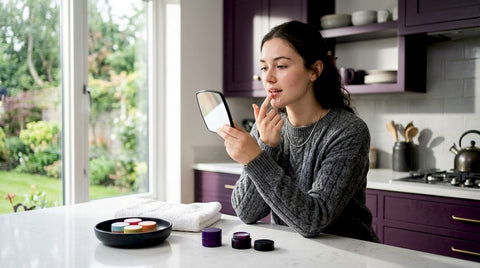
Skip-care is defined as a minimalist K-beauty skincare philosophy that replaces multi-step routines with 3–4 highly effective, multifunctional products. If you’ve been asking what is the K-beauty skip-care trend, the short answer is this: fewer steps, smarter formulations, and a stronger skin barrier. Skip-care does not mean skipping skincare. It means choosing products that do more with less. The K-beauty philosophy has always centered on skin health over complexity, and skip-care is its most refined expression yet.
What is the K-beauty skip-care trend and how does it differ from traditional routines?
Skip-care is the direct evolution of the traditional 10-step Korean skincare routine. The classic routine includes double cleansing, toner, essence, ampoule, serum, sheet mask, eye cream, moisturizer, and SPF. Skip-care condenses this to a 3–4 step daily routine, reserving the full multi-step process for occasional use only. That shift alone changes how your skin responds every day.
The scientific case for fewer steps is strong. A 2023 Seoul National University Hospital study found that skip-care routines produced 27% lower inflammation markers, specifically transepidermal water loss (TEWL) and IL-1α cytokine levels, compared to routines with eight or more steps. Lower inflammation means a calmer, more resilient skin barrier over time.

The original 10-step routine was always a menu, not a mandate. Korean skincare experts designed it as a reference of options, not a daily checklist. Skip-care represents the maturity of that philosophy. It asks you to understand your skin well enough to choose only what it needs today.
Here is how the two approaches compare:
| Feature | Traditional K-beauty routine | Skip-care routine |
|---|---|---|
| Steps per session | 8–10 | 3–4 |
| Time required | 15–25 minutes | Under 3 minutes |
| Product count | 8–12 products | 3–5 products |
| Product type | Mostly single-purpose | Multifunctional |
| Frequency of full routine | Daily | Occasional |
Pro Tip: If your skin feels tight, red, or congested after your routine, product overload is the likely cause. Cut back to cleanser, moisturizer, and SPF for one week and observe the difference.
What products and steps make up a skip-care routine?
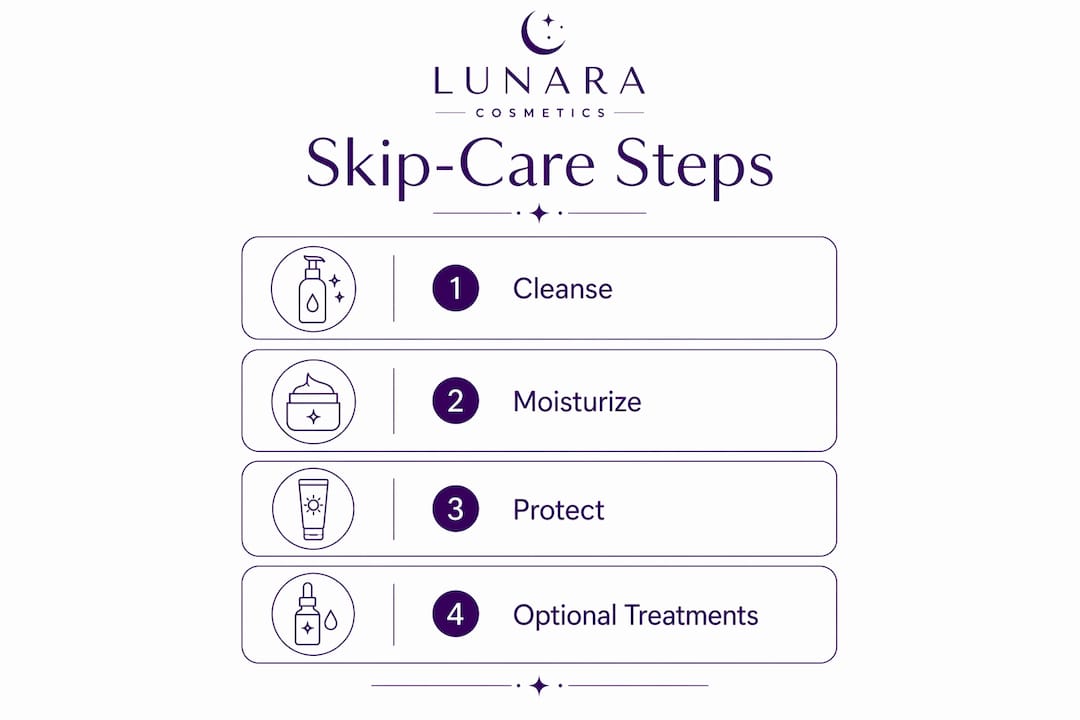
Skip-care relies on four non-negotiable categories: a gentle cleanser, a multifunctional moisturizer, a broad-spectrum SPF, and one targeted treatment when your skin needs it. Every other product is conditional. You use it only when your skin signals a specific need.
Multifunctional products are the engine of skip-care. A well-formulated moisturizer can combine ceramides for barrier repair, niacinamide for brightening and pore refinement, and peptides for collagen support, all in a single step. Multi-functional formulations reduce layering while targeting aging and inflammation pathways simultaneously. That is the kind of efficiency skip-care demands.
Here is what a core skip-care routine looks like:
- Gentle cleanser: Removes impurities without stripping the skin’s natural oils. Look for low-pH, sulfate-free formulas.
- Multifunctional moisturizer: Delivers hydration, barrier support, and active ingredients like ceramides or niacinamide in one product.
- Broad-spectrum SPF: Non-negotiable daily protection. Many Korean SPF formulas also hydrate, making them dual-purpose.
- Targeted treatment (conditional): A vitamin C serum for hyperpigmentation or a retinol for cell turnover, used only when your skin is not already balanced and calm.
Toners, essences, and sheet masks are not eliminated from skip-care. They are simply used when your skin condition calls for them, not out of habit. A condition-based routine adjustment like this actively improves barrier health by preventing unnecessary product exposure.
Pro Tip: On days when your skin feels calm and balanced, skip the serum entirely. Cleanser, moisturizer, and SPF is a complete and effective routine.
What are the real benefits of skip-care for your skin?
The most significant benefit of skip-care is reduced irritation. Up to 80% of perceived skincare problems are symptoms of inflammation caused by over-layering products rather than true underlying skin conditions. That statistic reframes how you should think about breakouts, redness, and sensitivity. Many of these reactions are self-inflicted through product overload.
Skin barrier health improves measurably with fewer steps. A well-hydrated stratum corneum, the outermost skin layer, improves active ingredient absorption by 40–60%. This means a skip-care routine with strong hydration actually delivers actives more effectively than a cluttered 10-step routine with a compromised barrier.
Skip-care is not the shortest routine. It is the most effective one. The goal is replacing single-purpose items with multi-tasking products that are scientifically balanced to work together without conflict.
Dermatologists and beauty experts, as cited by Hello Magazine
Compliance is another underrated benefit. Simpler routines are more consistently followed than complex 12-step regimens. Consistency is the single most important variable in skincare outcomes. A 3-step routine you follow every day outperforms a 10-step routine you abandon by wednesday.
Skip-care also debunks the myth that minimalism equals laziness or lower efficacy. Proper skip-care actually requires more skincare knowledge, not less. You need to understand ingredient interactions, your skin’s daily condition, and which actives are truly necessary. That is a higher standard, not a lower one.
How do you customize a skip-care routine for your skin type?
Skip-care is not a fixed formula. It is a flexible framework you adjust based on your skin’s current condition, the season, and your specific concerns. The approach differs meaningfully across skin types.
- Sensitive skin: Stick to the core three: gentle cleanser, ceramide-rich moisturizer, and mineral SPF. Avoid actives like retinol or AHAs unless your skin is fully calm. Fragrance-free formulas reduce the risk of contact dermatitis.
- Combination skin: Use a lightweight, niacinamide-based moisturizer that balances oil production without dehydrating dry zones. Skip toner on balanced days. Add a BHA treatment only when congestion appears in the T-zone.
- Mature skin: Prioritize a moisturizer with peptides and hyaluronic acid for plumping and barrier support. A skip-care routine for mature skin may include a targeted retinol treatment two to three evenings per week, but not daily.
- Acne-prone skin: A low-pH cleanser, a niacinamide moisturizer, and a non-comedogenic SPF cover most needs. Add a salicylic acid treatment only during active breakouts, not as a permanent daily step.
Seasonal adjustments matter too. In winter, your barrier needs more support, so a richer moisturizer or an occasional hydrating toner is appropriate. In summer, a lighter SPF moisturizer hybrid often covers both hydration and protection in one step.
Ingredient incompatibility is the main pitfall skip-care avoids. Layering vitamin C with niacinamide, or retinol with AHAs, can cause irritation and reduce efficacy. Multifunctional products are formulated to avoid these conflicts by design.
Pro Tip: Keep a simple skin log for two weeks when starting skip-care. Note your routine, your skin’s reaction, and any changes. Patterns emerge quickly and help you identify which steps are truly necessary.
Key Takeaways
Skip-care is the most effective K-beauty approach for long-term skin barrier health because it reduces inflammation, improves compliance, and delivers actives more efficiently through multifunctional formulations.
| Point | Details |
|---|---|
| Core definition | Skip-care uses 3–4 multifunctional products to replace 8–10 single-purpose steps. |
| Inflammation reduction | A 2023 study showed 27% lower inflammation markers in skip-care versus longer routines. |
| Compliance advantage | Simpler routines are followed more consistently, which drives better long-term results. |
| Condition-based flexibility | Skip steps like serums on balanced skin days; add targeted treatments only when needed. |
| Knowledge requirement | Effective skip-care demands more ingredient awareness, not less, to select the right products. |
Why skip-care changed how I think about skincare
I used to believe more products meant more results. That belief is common, and it is wrong. After years of working with Korean skincare brands and watching customers struggle with reactive, sensitized skin, the pattern became clear. The skin was not failing. The routines were.
What skip-care taught me is that the skin barrier is not a passive surface. It is an active system that responds to what you put on it. Every unnecessary product is a variable your skin has to process. Reduce the variables, and the skin often corrects itself.
The shift from maximalism to intentional minimalism is not a trend in the fleeting sense. It reflects a deeper understanding of dermatology. The gentle formulas that define Korean skincare work precisely because they respect the barrier rather than overwhelm it.
My honest advice: resist the urge to add products when your skin reacts. The instinct is to treat every symptom with a new step. The skip-care approach asks you to do the opposite. Remove a step first. Give your skin room to stabilize. You will be surprised how often that is all it needs.
— Lunara
Lunarashopping’s curated picks for your skip-care routine
Skip-care works best when every product in your routine earns its place. Lunarashopping curates Korean skincare products specifically selected for multifunctionality, barrier support, and clean formulation.
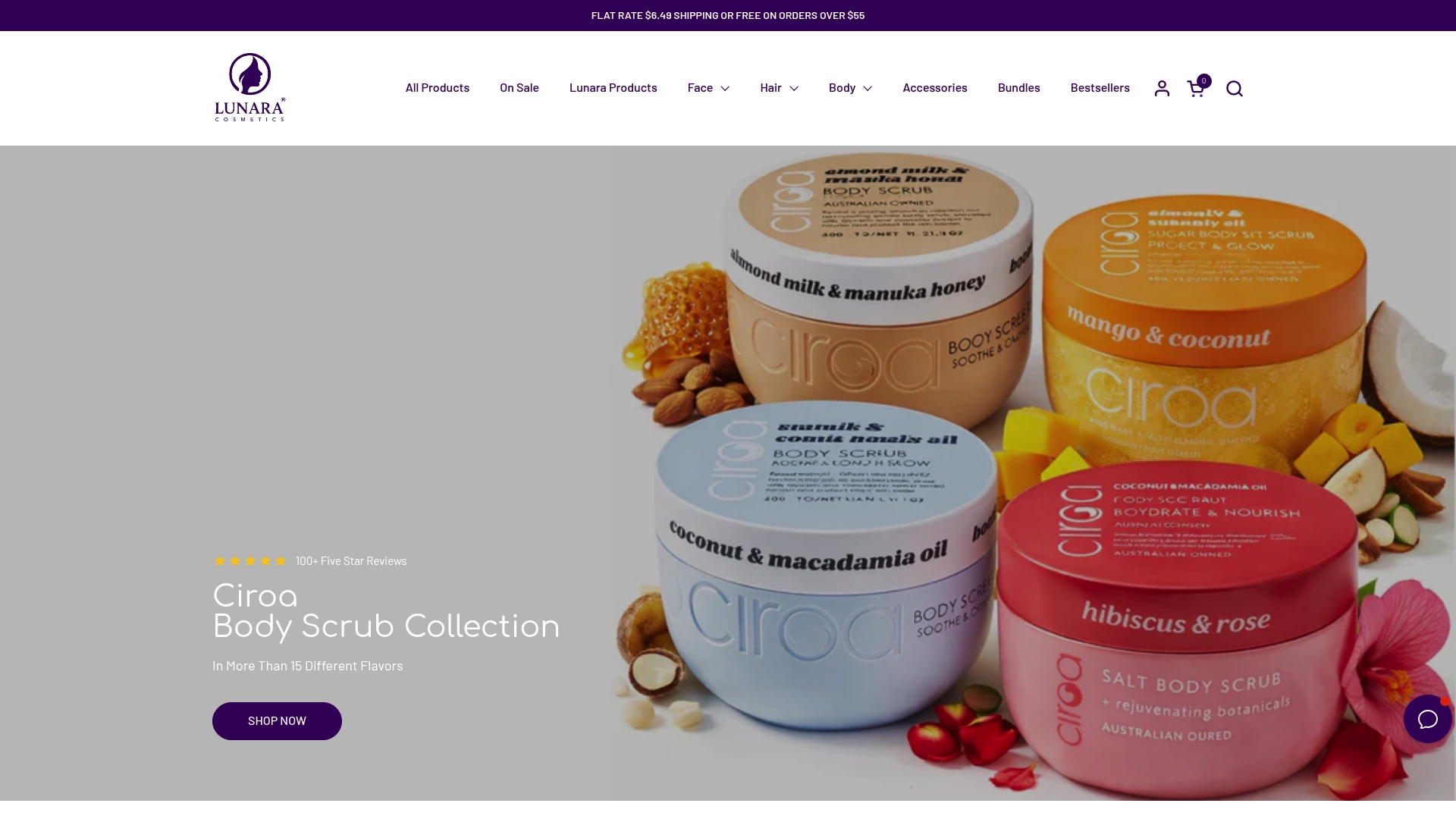
The face care collection at Lunarashopping includes moisturizers with ceramides and niacinamide, gentle low-pH cleansers, and SPF formulas built for daily use. These are the exact product categories skip-care relies on. If you want a pre-built starting point, the morning routine set simplifies the process further by pairing products that work together without ingredient conflict. Every item is chosen to reduce steps without reducing results.
FAQ
What is skip-care in K-beauty?
Skip-care is a minimalist K-beauty approach that uses 3–4 multifunctional products instead of the traditional 8–10 step routine. The goal is fewer steps with greater efficacy, not less care overall.
Is skip-care suitable for sensitive skin?
Skip-care is particularly well-suited for sensitive skin because it reduces product exposure and the risk of irritation from over-layering. A core routine of gentle cleanser, ceramide moisturizer, and mineral SPF covers most sensitive skin needs.
Does skip-care mean skipping sunscreen?
Sunscreen is non-negotiable in skip-care. Dermatologists consistently identify SPF as the one step that must never be skipped, regardless of how minimal the rest of your routine becomes.
How is skip-care different from lazy skincare?
Skip-care requires more ingredient knowledge than a standard routine, not less. Choosing the right multifunctional products demands understanding of your skin’s condition, active ingredient interactions, and barrier health.
Can you practice skip-care if you have acne-prone skin?
Yes. A low-pH cleanser, niacinamide moisturizer, and non-comedogenic SPF form an effective skip-care base for acne-prone skin. Targeted treatments like salicylic acid are added conditionally, only during active breakouts.