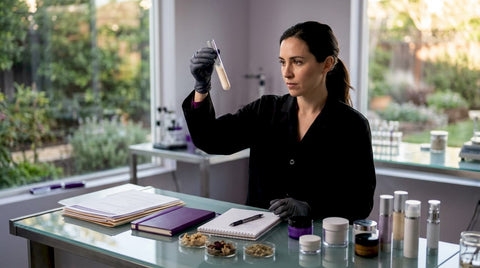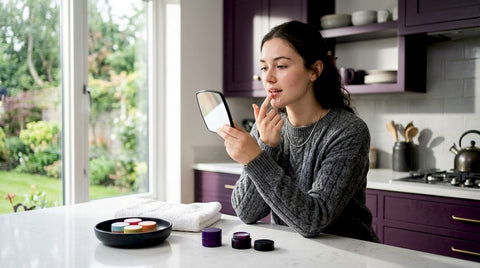
A lip care routine is defined as the daily practice of cleansing, exfoliating, moisturizing, and protecting your lips to keep them healthy, hydrated, and smooth. Lips have thinner skin than the rest of your face and no sebaceous glands, which means they cannot produce their own oils. That structural difference makes them far more vulnerable to dryness, cracking, and UV damage than most people realize. A consistent lip care routine, built around the right daily lip care habits, prevents that damage before it starts and keeps your lips comfortable year-round.
What is a lip care routine and what steps does it include?
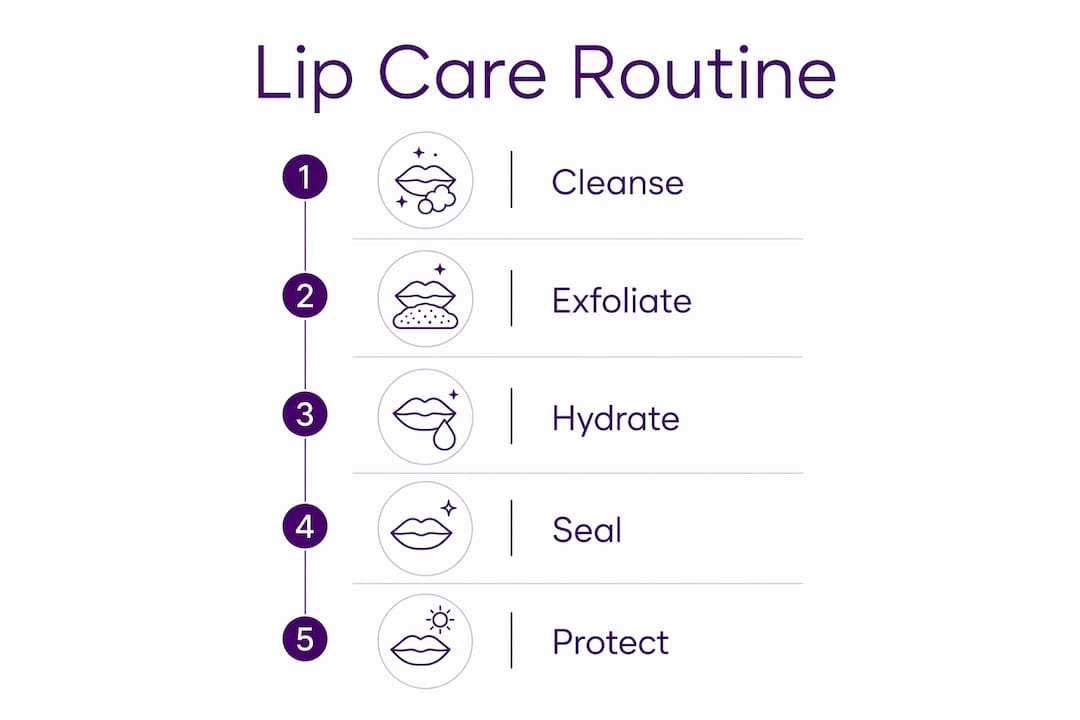
A complete lip care routine covers four core steps: cleansing, exfoliation, moisturizing, and sun protection. Each step serves a distinct purpose, and skipping any one of them reduces the overall effectiveness of your routine.
-
Cleanse your lips gently. Remove makeup, food residue, and product buildup before applying anything else. Use a soft, damp cloth or a gentle micellar water. Avoid rubbing aggressively, since the lip barrier is thin and easily irritated.
-
Exfoliate once or twice per week. Gentle mechanical exfoliation is recommended once weekly for dry lips and twice monthly for smooth lips. Use a soft damp cloth in a circular motion for about one minute. Never exfoliate when your lips are cracked or actively peeling, since that worsens the damage.
-
Moisturize with a layered approach. Apply a water-based hydrator first, such as a glycerin or hyaluronic acid serum, then seal it with an occlusive lip balm. This two-step method, sometimes called the slugging technique, keeps moisture locked in far longer than a single product can.
-
Apply SPF lip balm every morning. SPF 30 or higher is the standard for daily lip sun protection. Reapply every two hours during sun exposure, and always reapply after eating or drinking.
-
Use an overnight lip mask before bed. Nighttime is when your skin repairs itself most actively. A thick occlusive mask or balm applied before sleep gives your lips hours of uninterrupted moisture retention.
Pro Tip: Keep a lip balm on your nightstand, at your desk, and in your bag. Accessibility is the single biggest factor in whether you actually use it consistently.
Adjust the frequency of each step based on your lip condition. Dry, flaky lips need daily exfoliation paused and heavier occlusives applied more often. Smooth, healthy lips need only light maintenance.

How does hydration and protection support lip health?
Lip balms do not add moisture to your lips. They trap existing moisture and prevent it from evaporating. That distinction matters because it means no balm can fix dry lips on its own if you are dehydrated or living in a low-humidity environment.
Systemic hydration plays a direct role in lip moisture levels. Drinking enough water throughout the day supports the moisture content of all skin tissue, including your lips. Using a humidifier indoors, especially during winter months when heating systems dry out the air, also reduces the rate of moisture loss from your lips.
Sun protection is non-negotiable for lip health. Lips are among the most UV-exposed areas of the face, and they have no melanin-producing cells to offer natural protection. Chronic sun exposure on the lips raises the risk of sunburn, premature aging, and more serious skin concerns. A daily SPF lip balm addresses all of those risks at once.
- Lips lack sebaceous glands and cannot self-moisturize.
- Lip balms work as occlusives, sealing moisture in rather than adding it.
- Drinking water and using a humidifier support lip hydration from the inside and outside.
- SPF 30+ lip balm applied daily and reapplied every two hours during sun exposure is the clinical standard.
- Cold, dry air and wind strip moisture from lips rapidly, making weather-aware protection a year-round priority.
One habit that actively works against lip health is licking your lips. Saliva evaporates quickly and takes existing lip moisture with it. Digestive enzymes in saliva also irritate the lip surface and create a damaging cycle of dryness that gets harder to break the longer it continues.
What lip care mistakes should you avoid?
The most common lip care mistakes are also the ones that feel instinctive, which makes them harder to stop.
- Licking or biting your lips. Both habits remove moisture and damage the lip barrier. Licking triggers the enzyme-evaporation cycle described above. Biting creates micro-tears that lead to inflammation and peeling.
- Over-exfoliating. Excessive exfoliation damages the lip barrier, which is already thinner than facial skin and lacks sebaceous glands for self-repair. Pause all exfoliation when lips are cracked or inflamed.
- Using medicated or flavored balms on irritated lips. Balms containing menthol, camphor, or salicylic acid often worsen irritation with regular use. Switch to plain, fragrance-free occlusives like petrolatum when lips are inflamed or cracked.
- Picking at peeling skin. Pulling off flaking skin before it is ready creates open wounds that invite infection and slow healing. Let exfoliation handle dead skin removal on its own schedule.
- Applying active skincare products too close to the lip border. Retinoids, AHAs, and strong vitamin C formulas can cause contact dermatitis on the delicate skin around your lips. Keep actives at least a few millimeters away from the lip line.
Pro Tip: If your lips feel worse after using a specific balm, check the ingredient list for menthol, camphor, or fragrance. Switching to a plain petrolatum-based product often resolves the irritation within a few days.
The best lip care tips are often about stopping harmful habits rather than adding more products. A simpler routine with better habits outperforms a complex routine built on top of damaging behaviors.
How to customize and maintain your daily lip care routine
A daily lip care routine needs to flex with your environment, season, and individual lip condition. What works in summer humidity does not work during a dry winter indoors.
Seasonal and environmental adjustments
Cold, dry air and wind strip moisture from lips faster than any other environmental factor. In winter, use ointment-based products and consider covering your lips with a scarf outdoors. In summer, prioritize SPF lip balm and reapply more frequently if you are sweating or swimming.
Layering for maximum moisture retention
The most effective approach for very dry lips is the layering method. Apply a water-based hydrating serum containing glycerin or hyaluronic acid first. Then seal it immediately with a thick occlusive balm or ointment. Dermatologists recommend this slugging technique for lips because it delivers hydration and then locks it in, rather than relying on one product to do both jobs.
Building the habit
Accessibility drives consistency. Keep a lip balm in every location where you spend significant time: your bag, your desk, your car, and your nightstand. Overnight lip masks are especially useful when lips feel very dry, since they provide hours of occlusive coverage while you sleep.
| Lip Condition | Recommended Approach |
|---|---|
| Smooth and healthy | Light balm morning and night, SPF during the day, exfoliate twice monthly |
| Mildly dry | Hydrating serum plus occlusive balm twice daily, exfoliate once weekly |
| Cracked or inflamed | Pause exfoliation, apply plain petrolatum frequently, use overnight mask nightly |
| Sun-exposed daily | SPF 30+ balm every morning, reapply every two hours, occlusive at night |
Dietary hydration also matters. Lips reflect your overall hydration status. Drinking enough water each day supports moisture levels throughout your skin, including your lips. If indoor air is consistently dry, a humidifier in your bedroom makes a measurable difference in how your lips feel each morning.
For a broader view of how lip care fits within your full skincare practice, the night skincare checklist from Lunarashopping covers where lip treatment slots into a complete evening routine.
Lip care is the step most routines skip
Lip care is the most overlooked step in most skincare routines, and that gap shows up fast. I have worked with enough skincare-focused people to know that lips are almost always the last thing anyone thinks about until they are already cracked and uncomfortable.
What changed my perspective was understanding that lips are not just cosmetically important. They are a functional barrier. When that barrier breaks down, eating, speaking, and even smiling become physically uncomfortable. That realization made lip care feel less like a beauty step and more like basic maintenance.
The habit that made the biggest difference for me was layering. Applying a glycerin-based serum before an occlusive balm sounds like extra effort, but it takes about 30 seconds and the results are genuinely different from using a single product. Lips stay softer longer, and they recover from dry spells much faster.
Breaking the lip-licking habit was harder than any product switch. It took conscious effort over several weeks. But once I stopped, my lips stopped cycling through the dry-lick-dry pattern that had been the real problem all along.
Lip care does not need to be complicated. It needs to be consistent. A two-step morning routine and a thick overnight mask three times a week is enough for most people to see a real improvement in lip texture and comfort within two weeks.
— Lunara
Lunarashopping lip care products worth adding to your routine
Lunarashopping carries a curated selection of lip care products built around the layering approach that dermatologists recommend.
The LAKERAIN Propolis Honey Lip Gel Butter functions as both a daily hydrating balm and an overnight mask, making it a practical two-in-one for anyone building a consistent routine. For those who want to integrate lip care into a full morning protocol, the Morning Face Care Routine Set includes protective and hydrating products designed to work together from the first step to the last. The full Lips Moisturizers & Masks collection at Lunarashopping covers every stage of the routine, from lightweight daily hydrators to thick overnight treatments for seriously dry lips.
FAQ
What is the basic lip care routine for beginners?
A basic lip care routine includes cleansing, moisturizing with an occlusive balm, and applying SPF lip protection every morning. Add gentle exfoliation once a week to remove dead skin.
How often should you exfoliate your lips?
Exfoliate dry lips once per week and smooth lips twice per month, using a soft damp cloth in circular motions for about one minute. Stop exfoliating completely when lips are cracked or inflamed.
What is the best lip moisturizer for very dry lips?
Plain petrolatum or an occlusive balm applied over a glycerin or hyaluronic acid serum delivers the best results for very dry lips. Avoid balms with menthol, camphor, or fragrance, since these ingredients often worsen dryness.
Does licking your lips make them more dry?
Yes. Saliva evaporates quickly and takes existing moisture with it, while digestive enzymes in saliva irritate the lip surface. Breaking the licking habit is one of the most effective steps for resolving chronic chapped lips.
Do you need SPF in your lip balm?
SPF 30 or higher in a lip balm is the recommended standard for daily lip sun protection. Reapply every two hours during outdoor sun exposure and after eating or drinking.
Key takeaways
A consistent lip care routine built on cleansing, layered hydration, occlusive sealing, and daily SPF protection is the most effective way to maintain healthy, smooth lips year-round.
| Point | Details |
|---|---|
| Lips cannot self-moisturize | Lips have no oil glands, so external hydration and occlusive products are required every day. |
| Layer hydration before occlusives | Apply a glycerin or hyaluronic acid serum first, then seal with a balm for maximum moisture retention. |
| SPF is non-negotiable | Use SPF 30+ lip balm daily and reapply every two hours during sun exposure to prevent UV damage. |
| Stop licking your lips | Saliva removes moisture and irritates the lip surface, creating a cycle of dryness that worsens over time. |
| Adjust your routine by season | Use heavier ointments and weather protection in cold or dry conditions, and prioritize SPF in sunny months. |