Korean scalp care is a daily, preventive regimen that treats the scalp as an extension of facial skin, prioritizing barrier health, oil balance, and inflammation control over cosmetic hair fixes. This approach, rooted in K-beauty philosophy, applies the same precision and layering logic you already use on your face directly to your scalp. The result is stronger, shinier hair that grows from a genuinely healthy foundation. If you have ever wondered what is Korean scalp care and why it produces such noticeably different results, the answer starts with a fundamental mindset shift: your scalp is skin first, hair-growing surface second.
What is Korean scalp care and how does it differ from Western routines?
Korean scalp care is defined as a daily scalp nutrition philosophy that focuses on calming inflammation, managing sebum, and maintaining the scalp’s microbiome rather than simply cleaning hair. Western routines typically target the hair shaft with moisturizing conditioners and protein treatments, often ignoring the scalp until a problem like dandruff or thinning appears. Korean scalp care reverses that priority entirely.
The philosophy treats scalp heat, a term used in Korean beauty to describe chronic low-grade scalp inflammation, as the root cause of most hair concerns. Ingredients like Centella asiatica, green tea, and ginseng are used specifically to cool and calm this inflammation before it disrupts the hair growth cycle. This is not reactive treatment. It is daily preventive maintenance applied consistently, much like a morning and evening facial routine.
One practical difference you will notice immediately: product placement. Korean scalp care treats the scalp like facial skin, with targeted products applied directly to the scalp and conditioners kept strictly to mid-lengths and ends. Applying conditioner near your roots counteracts the detoxifying work of your scalp products, which is why correct placement is treated as non-negotiable in this system.
What are the key ingredients and products used in Korean scalp care?
Korean scalp care formulations rely on botanicals and gentle actives that would look familiar on a facial serum label. The most common ingredients include:
- Centella asiatica (cica): A keratolytic and anti-inflammatory botanical that soothes redness, reduces scalp sensitivity, and supports barrier repair. Lunarashopping covers why cica works so well in Korean formulations.
- Green tea extract: Rich in polyphenols, it controls excess sebum and provides antioxidant protection against environmental stressors that degrade scalp health.
- Ginseng: A circulation-stimulating botanical that supports nutrient delivery to hair follicles, commonly found in scalp tonics and ampoules.
- Mugwort: A calming, antimicrobial herb used to reduce scalp irritation and address flakiness without stripping natural oils.
- Salicylic acid and low-dose AHAs: Gentle keratolytic exfoliants found in scalp shampoos and scalers that dissolve dead skin cell buildup and excess sebum without disrupting the scalp’s pH balance.
Beyond ingredients, the product format matters. Lightweight scalp tonics and serums containing botanicals, ferments, and calming extracts are designed for daily use without leaving residue or greasiness. These are not the thick, heavy treatments common in Western hair care. They absorb quickly, deliver actives directly to the follicle environment, and layer well with other products.
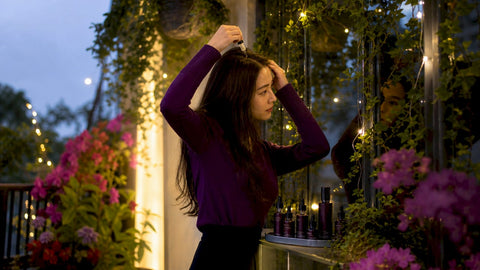
Pro Tip: Apply your scalp tonic in sections using a nozzle applicator, then follow with a two-minute fingertip massage. This technique improves absorption and stimulates microcirculation at the follicle level.
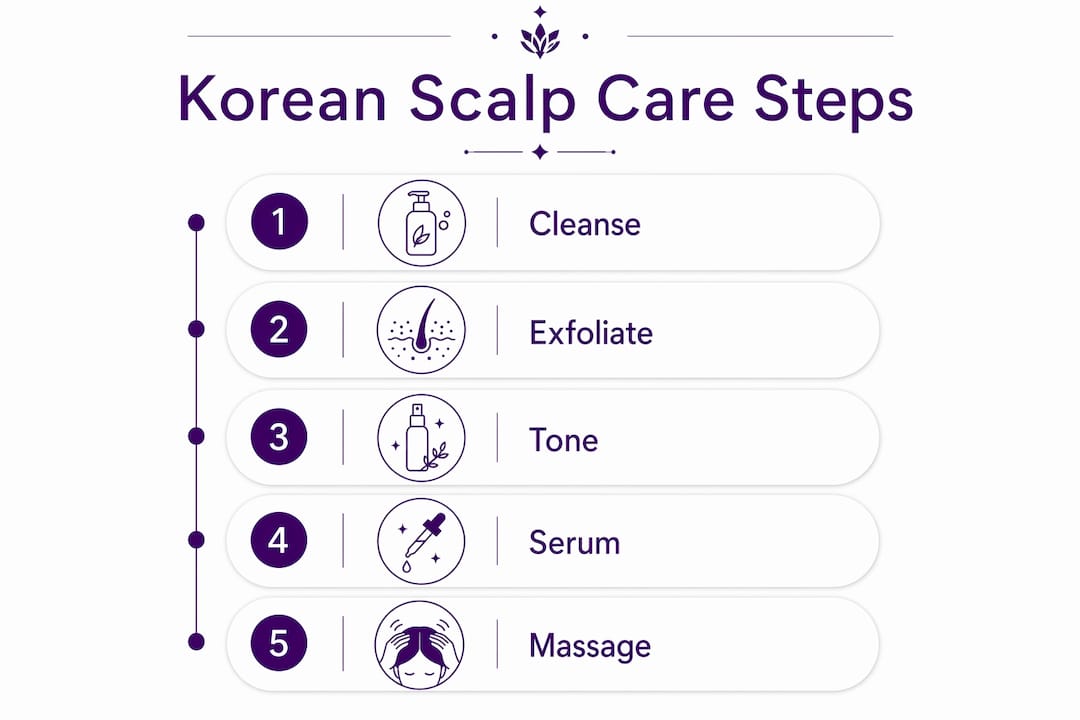
How to perform a basic Korean scalp care routine at home
A Korean hair care routine for the scalp follows a logical sequence that mirrors a facial skincare regimen. Consistency matters more than perfection here. Follow these steps to build the foundation:
- Double cleanse your scalp. Start with a clarifying or pre-shampoo scalp scaler to dissolve oil and product buildup. Follow with a pH-balancing scalp shampoo formulated with soothing actives. Korean scalp shampoos focus on sebum control and soothing properties rather than stripping lather.
- Exfoliate one to two times per week. Use a scalp scaler or exfoliating treatment to remove dead skin cells and excess sebum. This step prevents the buildup that blocks follicles and contributes to inflammation.
- Apply a scalp tonic or lightweight essence daily. After washing and towel-drying, section your hair and apply a scalp tonic directly to the scalp. Massage gently with your fingertips for two to three minutes to stimulate circulation.
- Keep conditioner away from your roots. Apply conditioner from mid-length to ends only. Conditioning products near the scalp negate the detoxifying and balancing work of your scalp products, so correct placement is critical.
- Be consistent for at least four to six weeks. The scalp’s cell turnover cycle means visible improvements in texture, oil balance, and hair quality take time. Layering multiple lightweight products supports scalp balance and hair resilience better than any single heavy treatment applied occasionally.
Pro Tip: Incorporate a gua sha tool along your hairline and scalp edges after applying your tonic. This technique, detailed in Lunarashopping’s guide on scalp circulation techniques, enhances lymphatic drainage and product penetration simultaneously.
What is a professional Korean scalp treatment, and is it worth it?
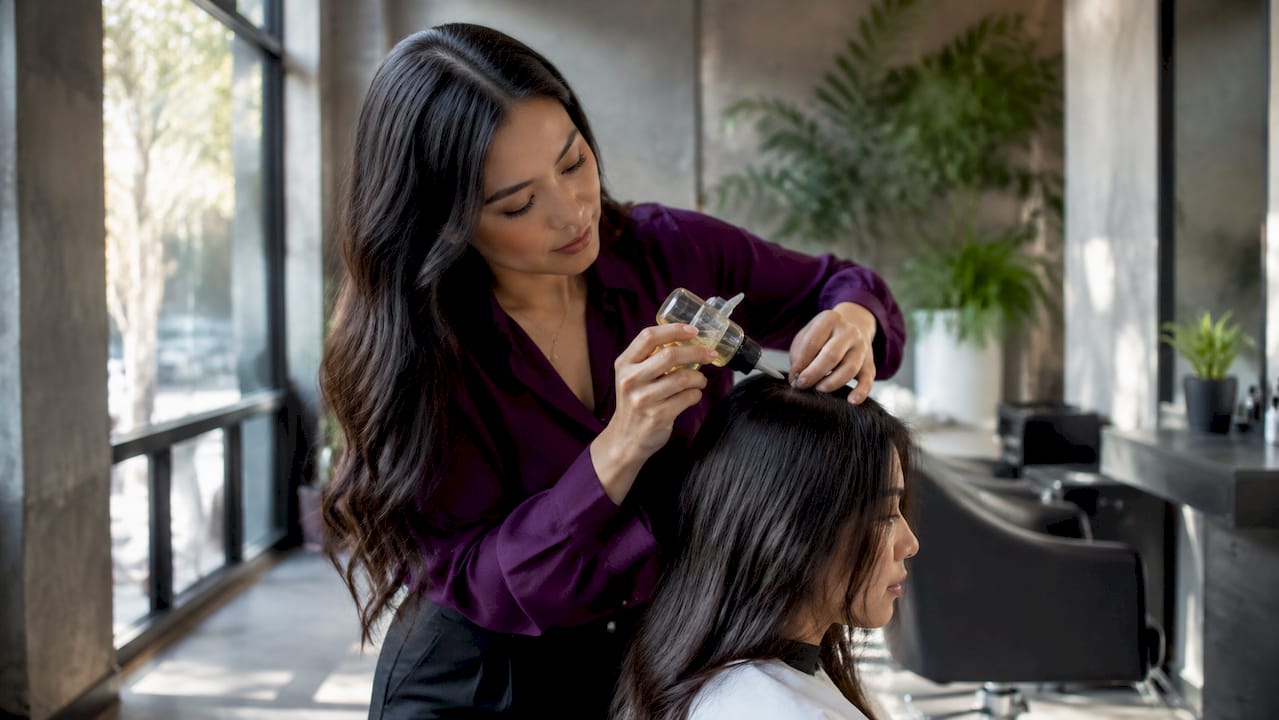
Professional Korean scalp treatments, commonly called head spas, represent the clinical extension of the at-home routine. These are not standard salon scalp massages. They are 15 to 18-step procedures that blend medical-adjacent diagnostics with deep relaxation, lasting approximately 90 minutes per session.
A professional head spa in Seoul typically follows this structure:
- Microscopic scalp analysis before and after treatment to personalize the session and visually demonstrate results
- Pre-cleanse with a scalp scaler to remove buildup
- Oil massage to soften the scalp and stimulate circulation
- Exfoliating scrub application
- Steam treatment to open follicles and enhance product absorption
- Application of targeted serums and tonics using specialized infusion tools
- Scalp massage with tension-release techniques
- Final rinse and lightweight tonic application
| Treatment detail | Specifics |
|---|---|
| Session length | Approximately 90 minutes |
| Cost range | 130,000 to 200,000 KRW (approximately $89 to $137 USD) |
| Key diagnostic step | Microscopic scalp analysis before and after |
| Core procedures | Exfoliation, steam, oil massage, serum infusion |
| Primary benefit | Personalized scalp correction plus circulation enhancement |
Professional head spa treatments blend medical-adjacent approaches with relaxation benefits, including microscopic diagnosis and multiple specialized massage and infusion steps. This dual function, part clinical assessment and part wellness experience, is what separates Seoul head spas from anything available in a standard Western salon. The microscopic before-and-after analysis alone provides a level of personalization that at-home care cannot replicate.
What are the benefits of consistent Korean scalp care?
The benefits of scalp care done the Korean way accumulate over time and affect both scalp health and hair appearance in measurable ways. Consistent scalp care using gentle, multifunctional ingredients balances oil, soothes irritation, and supports the scalp barrier, preventing buildup and promoting healthier hair growth. That is the clinical summary. Here is what it looks like in practice:
- Stronger, thicker-feeling hair strands due to a well-nourished follicle environment that supports the full hair growth cycle
- Reduced scalp inflammation and redness from consistent use of cica, green tea, and mugwort-based products
- Controlled sebum production that reduces the greasy roots and limp hair associated with an overactive scalp
- Prevention of dandruff and flaking through regular exfoliation that clears dead cell buildup before it becomes visible
- Improved hair resilience against heat styling and environmental damage, because a healthy scalp produces structurally stronger hair
The most visible outcome associated with this approach is the “glass hair” effect. The glass hair appearance linked to K-beauty results from a healthy, hydrated scalp managed with cleansing, exfoliation, and lightweight tonics. It is not a styling product outcome. It is a scalp health outcome, which is precisely why it cannot be replicated by applying shine serums to the hair shaft alone.
Scalp health is the foundation of hair health. Every product you apply to your hair shaft is secondary to the condition of the skin it grows from.
Key takeaways
Korean scalp care produces lasting results because it addresses the scalp as a living skin ecosystem rather than a surface to clean between washes.
| Point | Details |
|---|---|
| Scalp-as-skin philosophy | Treat your scalp with the same daily attention and ingredient precision you apply to your face. |
| Ingredient specificity | Centella asiatica, green tea, ginseng, and salicylic acid are the core actives driving scalp balance and follicle health. |
| Correct product placement | Keep conditioner away from roots to preserve the detoxifying work of your scalp products. |
| Layering lightweight products | Daily tonics and serums outperform occasional heavy treatments for long-term scalp balance. |
| Professional treatments | Seoul head spas offer 90-minute, 15 to 18-step sessions with microscopic analysis for $89 to $137 USD. |
Why the scalp-first mindset changed how I think about hair care
I spent years treating hair care as a cosmetic exercise: the right shampoo for shine, the right mask for softness, the right serum for frizz. None of it addressed the actual source of the problem. When I started applying the Korean scalp care approach, specifically the daily tonic step and the weekly exfoliation, the shift in my scalp’s oil balance within three weeks was more noticeable than anything a conditioning treatment had ever produced.
What stands out most about this system is the discipline of layering lightweight products rather than reaching for one heavy solution. Western hair care tends to solve problems with intensity: stronger actives, richer masks, more protein. Korean scalp care solves problems with consistency and precision. A well-formulated scalp tonic applied daily with a proper massage does more for follicle health than a monthly deep treatment ever will.
The professional head spa experience reinforced this for me. The microscopic scalp analysis before and after the session made the invisible visible. Seeing the actual condition of your scalp, the sebum plugs, the inflammation markers, the follicle density, changes how seriously you take the at-home routine. It is the kind of accountability that motivates you to stay consistent.
My honest recommendation: start with the tonic step. It requires the least time, fits into any existing routine, and delivers the clearest early signal that this approach works. Build from there. You do not need to overhaul everything at once. The self-care best practices that work for facial skin apply here too: start simple, stay consistent, and let the ingredients do the work.
— Lunara
Start your Korean scalp care routine with Lunarashopping
Lunarashopping carries a curated selection of Korean beauty scalp products formulated with the botanicals and gentle actives this routine depends on. From calming scalp shampoos with Centella asiatica to lightweight tonics with ginseng and green tea, every product is chosen to support the scalp-as-skin philosophy from day one.
The Korean Glass Skin Routine Bundle is a strong starting point if you want a pre-built kit that covers cleansing, toning, and scalp nourishment in one order. For a fully personalized approach, the custom skincare kit builder lets you select products matched to your specific scalp type and concerns. Both options are built around the same principle: consistent, ingredient-led care that treats your scalp with the precision it deserves.
FAQ
What is Korean scalp care in simple terms?
Korean scalp care is a daily regimen that treats the scalp like facial skin, using lightweight tonics, gentle exfoliants, and calming botanicals to maintain scalp barrier health and support hair growth from the root.
How often should I exfoliate my scalp using Korean methods?
Scalp exfoliation with a scalp scaler or exfoliating shampoo is recommended one to two times per week to remove dead skin cell buildup and excess sebum without disrupting the scalp’s natural pH balance.
What ingredients should I look for in Korean scalp products?
Look for Centella asiatica, green tea extract, ginseng, mugwort, and low-dose salicylic acid. These botanicals and gentle actives address inflammation, sebum control, and follicle nourishment without harsh side effects.
How long does it take to see results from a Korean scalp care routine?
Most people notice improvements in scalp oil balance and texture within four to six weeks of consistent daily use, with more significant changes in hair strength and shine appearing after two to three months.
Is a professional Korean head spa necessary, or can I get results at home?
At-home care produces real results with consistent practice. Professional head spa sessions in Seoul, which cost approximately $89 to $137 USD and include microscopic scalp analysis, offer a deeper level of personalization and correction that complements rather than replaces your daily routine.