Comfort cream in Korean skincare is defined as a moisturizer category focused on soothing, hydrating, and repairing the skin barrier, particularly for sensitive, dry, or stressed skin. Unlike standard moisturizers, comfort cream combines barrier support with calming hydration rather than using exfoliants or retinoids. The category spans everything from clinical-grade fragrance-free formulas to luxury hanbang botanical creams. Brands like COSRX, Klairs, Sulwhasoo, and Pyunkang Yul each interpret this concept differently, but the core goal is the same: calm irritation, restore barrier lipids, and lock in moisture.
What is comfort cream in Korean skincare?
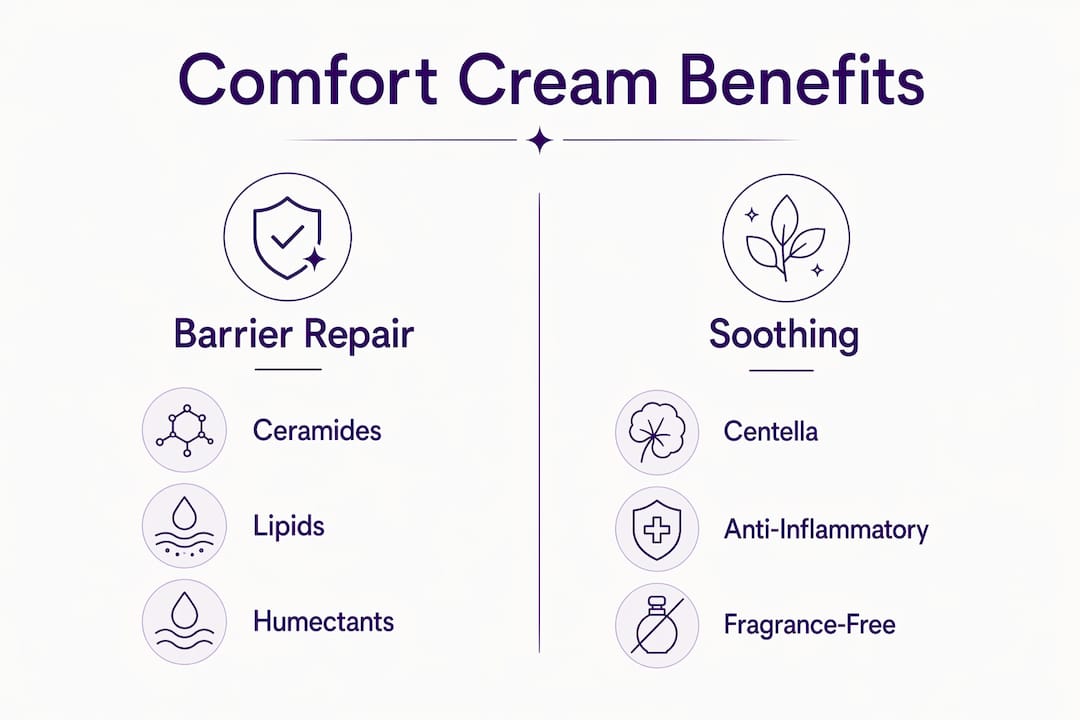
Korean comfort cream is a moisturizer built around three functional pillars: barrier repair, soothing inflammation, and sustained hydration. The term covers both a consumer category and specific branded products, so checking the ingredient list matters more than trusting the name alone. You will find ceramide-focused formulas, centella-heavy calming creams, and hanbang botanical blends all marketed under this label. Understanding what each formula actually delivers helps you choose the right product for your skin’s specific needs.
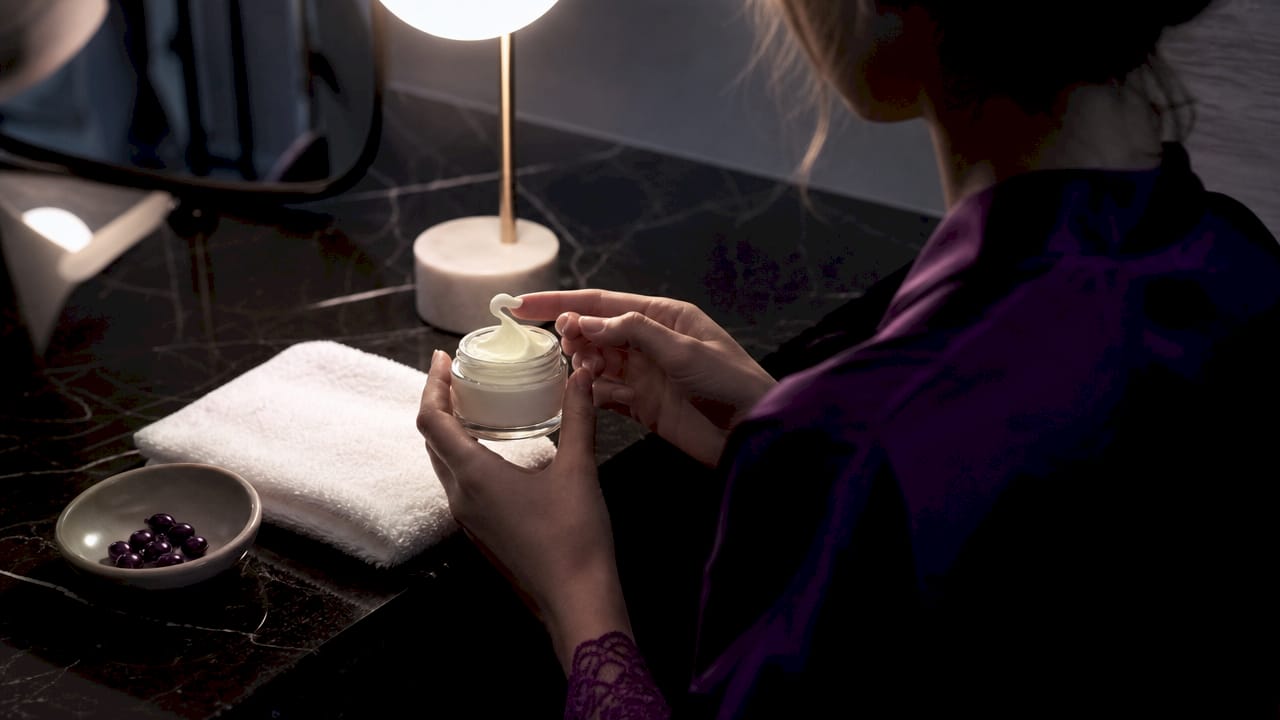
The category sits between a lightweight moisturizer and a richer occlusive cream. It prioritizes skin comfort over cosmetic performance, meaning you will not find brightening acids or retinol in a true comfort cream. That restraint is intentional. Comfort creams are designed to work with compromised or reactive skin, not push it further.
What ingredients make comfort cream effective?
The most effective Korean comfort creams rely on a short list of well-researched ingredients, each targeting a specific aspect of barrier health or inflammation.
-
Ceramides and barrier lipids. Ceramides are the primary structural lipid in your skin barrier. COSRX Balancium Comfort Ceramide Cream blends ceramides with beta glucan and centella to calm and fortify sensitive skin, making it one of the most cited examples of this category. When your barrier is depleted, ceramide-rich formulas accelerate repair by replenishing what environmental stress or over-exfoliation has removed.
-
Centella asiatica (cica). Centella is a botanical extract with clinically recognized anti-inflammatory properties. It reduces redness, supports collagen synthesis, and calms reactive skin. Most Korean comfort creams include centella in some form, either as a full extract or as isolated compounds like madecassoside or asiaticoside.
-
Humectants: hyaluronic acid and glycerin. These ingredients draw water into the skin from the environment and deeper skin layers. Glycerin is particularly effective at maintaining hydration balance without clogging pores, and hyaluronic acid delivers surface-level plumping. Together, they keep skin feeling comfortable for hours after application.
-
Biomimetic lipid technology. More advanced formulas include Omega 3, 6, and 9 fatty acids that mimic the skin’s natural lipid profile, regulating transepidermal water loss and supporting long-term barrier rebuilding. Some formulas also add peptides for collagen and elastin support.
-
Coptis japonica root extract. Pyunkang Yul uses this as the base liquid in its Calming Moisture Barrier Cream instead of plain water. The extract delivers anti-inflammatory alkaloids while keeping the formula fragrance-free, drawing on the brand’s Korean medicine hospital roots.
One important distinction: fragrance-free comfort creams like those from Pyunkang Yul and COSRX are formulated for maximum tolerance, while botanical-scented options like Sulwhasoo’s hanbang creams use natural plant extracts that may still trigger sensitivity in some users. Knowing which camp a product falls into before purchasing saves you from unnecessary reactions.
Pro Tip: When scanning an ingredient list, look for ceramides (NP, AP, or EOP), centella asiatica extract, or beta glucan in the first ten ingredients. Their position signals how much of the active is actually in the formula.
How does comfort cream fit into a Korean skincare routine?
Comfort cream belongs at the moisturizer step, applied after your water-based layers and before SPF in the morning. The correct sequence matters because layering order determines how well each product absorbs and performs. Consistent application after hydrating steps and before morning sunscreen gives your barrier the best conditions for rebuilding over time.
Here is the recommended application sequence:
- Cleanse. Use a gentle, low-pH cleanser that does not strip your barrier. Avoid sulfate-heavy formulas if your skin is already reactive.
- Tone or essence. Apply a hydrating toner or essence to prep skin for absorption. Pat gently rather than wiping.
- Serum (if using). Apply any targeted serums at this stage. Skip actives like AHAs or retinol if your skin is in a compromised state.
- Comfort cream. Apply a small amount, roughly the size of a pea for the face, and press it gently into the skin rather than rubbing. Apply morning and evening, pressing gently into face, neck, and décolletage for full coverage.
- SPF (morning only). Seal your morning routine with a broad-spectrum sunscreen. Skipping SPF undermines barrier repair because UV exposure is one of the primary causes of barrier damage.
For evening routines, you can use a richer comfort cream without worrying about layering under sunscreen. Night application allows the formula more time to work undisturbed, which is when barrier repair is most active. If your skin is recovering from a procedure or a reaction, skip all actives and use only your comfort cream until the skin stabilizes.
Pro Tip: If your comfort cream pills under sunscreen, switch to a lighter texture for daytime and save the richer formula for your evening routine. Texture matching between layers prevents pilling and improves wear.
What are the differences between popular Korean comfort creams?
Not all comfort creams are built the same. Texture, ingredient philosophy, and price positioning vary significantly across the major Korean brands. This comparison covers the most frequently reviewed options.
| Product | Key ingredients | Texture | Best for | Price tier |
|---|---|---|---|---|
| COSRX Balancium Comfort Ceramide Cream | Ceramides, beta glucan, centella | Rich, semi-occlusive | Dry, barrier-impaired skin | Mid-range |
| Klairs Rich Moist Soothing Cream | Centella, beta glucan, hyaluronic acid | Cushiony, lightweight-rich | Sensitive, combination skin | Mid-range |
| Sulwhasoo Essential Comfort Moisturizing Cream | Jujube, lotus, peony (hanbang complex) | Luxurious, smooth | Mature, dry, or luxury-focused skin | Premium |
| Pyunkang Yul Calming Moisture Barrier Cream | Coptis japonica root, ceramides, no fragrance | Lightweight, clinical | Reactive, fragrance-sensitive skin | Affordable |
Sulwhasoo’s Essential Comfort Moisturizing Cream uses a traditional hanbang botanical complex combining jujube, lotus, and peony for antioxidant and soothing benefits. The formula is positioned as a luxury moisturizing experience, and the ritual element is part of the appeal. That said, luxury brands still prioritize effective hydration and skin conditioning as the practical outcome, regardless of the botanical heritage story.
Texture is a functional decision, not just a preference. Lighter, cushiony creams suit daytime use and layer cleanly under sunscreen, while richer occlusive textures are better suited for nighttime barrier sealing. Matching texture to usage time reduces pilling and improves how consistently you actually use the product.
For fragrance-sensitive users, Pyunkang Yul and COSRX are the clearest choices. For those who want a more sensorial experience and can tolerate botanical extracts, Klairs and Sulwhasoo offer that without introducing synthetic fragrance. You can read more about Korean gentle formulas and why their low-irritant approach works so well for reactive skin.
Who should use comfort cream and what skin issues does it address?
Comfort cream is not a universal moisturizer. It is designed for specific skin conditions where barrier support and calming hydration are the priority.
Ideal candidates include:
- People with dry or dehydrated skin who experience tightness, flaking, or dullness after cleansing
- Those with sensitive or reactive skin that flushes, stings, or breaks out in response to new products
- Anyone recovering from a skin procedure such as a chemical peel, microneedling, or laser treatment
- People with barrier-impaired skin caused by over-exfoliation, harsh weather, or prolonged use of stripping cleansers
- Individuals with conditions like eczema or rosacea who need a low-irritant, calming moisturizer
Comfort creams designed for sensitive skin tend to be fragrance-free and focus on restoring barrier lipids while reducing inflammation. For post-procedure skin, the rule is restraint: use only your comfort cream and SPF until the skin has fully recovered, then reintroduce actives gradually.
There are situations where comfort cream is not the right choice. If you are allergic to specific lipids like shea butter or certain plant oils, check the full ingredient list before purchasing. Some botanical-based comfort creams include ingredients like jojoba, squalane, or plant-derived ceramides that may not suit every skin type. The fragrance-free trend in Korean skincare is growing precisely because more users are identifying fragrance as a trigger for their sensitivity.
To select the right formula, match the ingredient focus to your specific barrier issue. Dryness and flaking respond best to ceramides and fatty acids. Redness and reactivity need centella with minimal fragrance. Post-procedure skin benefits most from restrained formulas with no multiple actives competing for absorption.
Key takeaways
Comfort cream in Korean skincare is a barrier-repair moisturizer category that works through consistent use of ceramides, centella, and humectants applied in the correct layering order.
| Point | Details |
|---|---|
| Definition of comfort cream | A Korean moisturizer category focused on barrier repair, soothing, and sustained hydration for sensitive or stressed skin. |
| Core ingredients | Ceramides, centella asiatica, hyaluronic acid, glycerin, and biomimetic lipids each target a specific aspect of barrier health. |
| Correct application order | Apply after cleansing and serums, before SPF in the morning; use consistently twice daily for measurable barrier improvement. |
| Texture matching | Use lighter textures for daytime layering and richer occlusive formulas at night to prevent pilling and improve compliance. |
| Who benefits most | Dry, sensitive, barrier-impaired, or post-procedure skin types gain the most from comfort cream’s calming, lipid-restoring formula. |
Why comfort cream deserves more credit than it gets
Most skincare conversations focus on actives: retinol percentages, acid concentrations, vitamin C stability. Comfort cream rarely gets the same attention, and that is a mistake I see reflected in how many people cycle through products without ever stabilizing their skin.
From my experience working with Korean skincare products at Lunarashopping, the users who see the most consistent improvement are not the ones chasing the newest serum. They are the ones who commit to a solid barrier cream and stop disrupting their skin every two weeks. Comfort cream is the foundation that makes everything else work better.
One misconception worth addressing: comfort cream is not just a basic moisturizer with a softer name. A standard moisturizer may hydrate the surface without addressing barrier lipid depletion or inflammation. A well-formulated comfort cream like COSRX Balancium or Pyunkang Yul’s Calming Moisture Barrier Cream does both. The ingredient philosophy is different, and so is the outcome over time.
My honest advice for fragrance-sensitive users: do not assume a product is safe because it is labeled “natural” or “botanical.” Sulwhasoo’s hanbang complex is genuinely effective, but jujube and peony extracts are still bioactive compounds that can trigger reactions in sensitized skin. Read the list, patch test, and give your skin two weeks before drawing conclusions.
Comfort cream works. The catch is that it works slowly and consistently, not dramatically overnight. That is not a flaw. That is how barrier repair actually functions.
— Lunara
Find your comfort cream match at Lunarashopping
Lunarashopping curates a selection of Korean skincare products built around the same principles that make comfort creams effective: clean formulations, barrier-focused ingredients, and products that suit sensitive skin without compromise.
If you are building a full routine around barrier care, the Korean Glass Skin Routine Bundle includes layered hydration and moisturizing steps designed to work together from cleanse to SPF. For a morning-specific setup, the Morning Face Care Routine Set offers lightweight hydration options that pair well with comfort cream textures. Not sure where to start? The Custom Skincare Kit Builder lets you select products matched to your skin type and concerns, including comfort cream options for dry, sensitive, or barrier-impaired skin.
FAQ
What is the difference between comfort cream and regular moisturizer?
Comfort cream focuses specifically on barrier repair and soothing inflammation using ceramides, centella, and humectants, while a regular moisturizer may only address surface hydration. The ingredient philosophy and clinical purpose are distinct.
Can I use comfort cream every day?
Yes. Comfort cream is designed for twice-daily use, applied morning and evening after your hydrating layers. Consistent daily use is what produces measurable barrier improvement over time.
Is Korean comfort cream good for sensitive skin?
Korean comfort creams from brands like Pyunkang Yul and COSRX are formulated specifically for sensitive and reactive skin, using fragrance-free, low-irritant formulas that restore barrier lipids without triggering reactions.
How do I know which comfort cream texture to choose?
Choose a lighter, cushiony texture for daytime use under sunscreen and a richer occlusive formula for nighttime barrier sealing. Matching texture to usage time prevents pilling and improves how consistently you use the product.
Do I need comfort cream if my skin is not sensitive?
Comfort cream benefits any skin type experiencing dryness, environmental stress, or barrier disruption from over-exfoliation. It is not exclusively for sensitive skin. It is for any skin that needs repair and sustained hydration rather than active treatment.