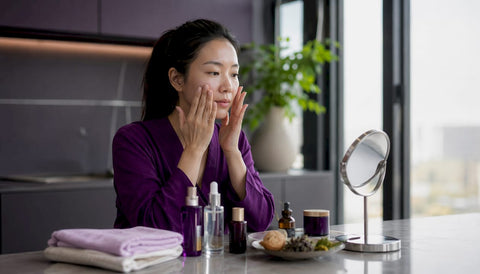
Korean pore minimizing refers to a systematic, cause-first approach to reducing the visible appearance of pores through decongestion, sebum regulation, and collagen support. It does not permanently erase pores. The American Academy of Dermatology is clear on this: pores are functional skin structures without muscles, so they cannot be permanently opened or closed. What Korean skincare does exceptionally well is manage visibility through consistent, layered care. For most people, that means starting with salicylic acid (BHA) at 1–2% for congestion, niacinamide at 2–5% for sebum control, and retinoids for long-term structural improvement. For faster, more significant results, Korean clinics typically run multi-session protocols combining Aqua Peel, RF microneedling, and skin boosters across 6–12 weeks. If you want a practical starting point for home care, Lunarashopping’s Morning Face Care Routine Set maps directly to these steps.
Key priorities at a glance:
- BHA (salicylic acid): Penetrates and dissolves sebum inside the pore
- Niacinamide: Regulates oil production and tightens pore walls over time
- Retinoids: Stimulate collagen and improve cell turnover across 8–12 weeks
- Clinic protocols: Multi-session courses (commonly 3–6 sessions) produce visible refinement; clinic reports note visible pore-size reduction often cited as a moderate improvement after a matched treatment course
- SPF daily: Prevents collagen breakdown that makes pores appear larger with age
Realistic expectation: home care shows steady change over 4–12 weeks; clinic series can deliver larger improvements in a similar window but requires maintenance.
Table of Contents
- Why do pores look enlarged in the first place?
- How Korean skincare principles actually reduce pore visibility
- Which Korean ingredients and product types actually work for pores?
- What professional Korean clinic treatments do, and what they cost in the U.S.
- Your Korean-inspired AM/PM routine for smaller-looking pores
- What to avoid and which pore myths you can stop believing
- How the Lunarashopping Morning Face Care Routine Set maps to pore care
- Key Takeaways
- Why patience and consistency matter more than any single product
- Start your pore-focused routine with Lunarashopping’s Korean-inspired kit
- Useful sources and further reading
Why do pores look enlarged in the first place?
Understanding the root cause of your enlarged pores is the single most important step you can take before choosing any product or treatment. Korean dermatology emphasizes this cause-first diagnostic because the same laser or serum that works brilliantly for oil-driven pores can underdeliver entirely for laxity-driven ones.
The four main causes
- Excess sebum: Overactive sebaceous glands produce oil that mixes with dead skin cells, clogs the follicle, and stretches the pore opening. This is the most common cause in oily and combination skin types.
- Loss of collagen and skin laxity: As skin ages, the collagen framework surrounding each pore weakens. Without that structural support, pore walls relax and the opening appears wider. This is the dominant cause in skin over 35.
- Acne scarring and post-inflammatory texture: Fibrosis from past breakouts can tether the skin unevenly, making pores look distorted or enlarged. Resurfacing and subcision-based approaches address this specifically.
- Sun damage: UV exposure degrades collagen and elastin over time, accelerating the laxity process and making pores more visible. Daily broad-spectrum SPF is the most underused preventive tool for this cause.
How to tell which cause is yours
Oil-driven pores tend to look round and prominent across the nose and chin, often with visible blackheads. Laxity-driven pores appear more elongated or teardrop-shaped, especially on the cheeks, and worsen with age rather than with oiliness. Scarring-type pores are irregular in shape and clustered in areas where you previously had acne.
Pro Tip: Before buying any K-beauty pore solution, photograph your skin in natural light and identify which pattern you see. Oil-driven pores respond to sebum control and chemical exfoliation. Laxity-driven pores need collagen-stimulating interventions. Scarring-type pores require resurfacing. Applying a single repeated treatment to the wrong cause wastes time and money.
How Korean skincare principles actually reduce pore visibility
The logic behind K-beauty’s pore care routine is not complicated, but it is precise. The approach is hydration-first, gentle-layering, and maintenance-focused. That combination works because well-hydrated skin plumps slightly, making pore walls appear tighter. Consistent, gentle exfoliation keeps follicles clear so they don’t stretch. And barrier preservation prevents the rebound oil production that makes pores worse after harsh treatments.
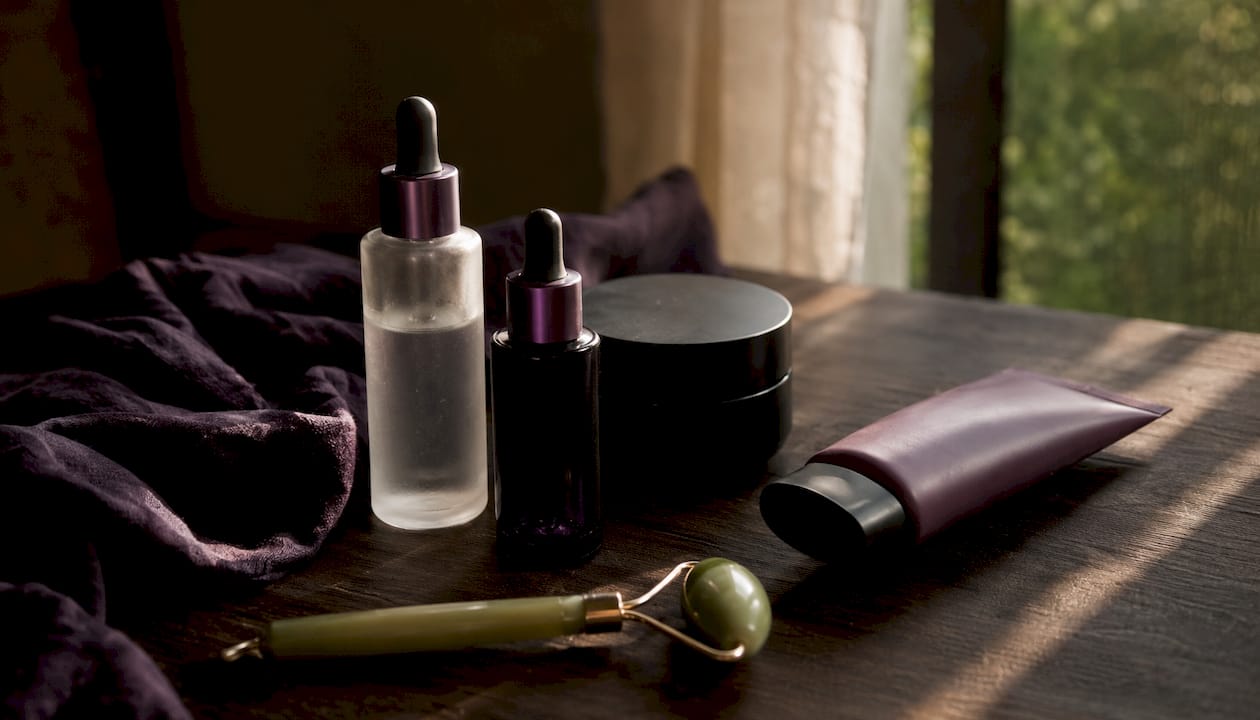
The 10-step Korean skincare routine is built on a sequencing principle: cleanse → hydrate → treat → protect. Each layer has a purpose, and skipping steps (especially moisturizer and SPF) undermines the ones before it.
Core K-beauty principles for pore management
- Double cleanse: An oil-based first cleanser dissolves sebum and sunscreen without stripping; a water-based second cleanser clears residue. This keeps follicles clear without triggering rebound oiliness.
- Chemical over physical exfoliation: BHA toners and serums dissolve the bonds holding dead cells inside the pore. Physical scrubs, by contrast, can micro-tear the skin surface and worsen texture.
- Lightweight hydrating essences: Thin, water-based layers of hydration plump the skin matrix and support the barrier. Skipping them in favor of heavy creams often leads to congestion on oily skin.
- Barrier care: Ceramide-containing moisturizers and gentle, fragrance-free formulas protect the skin’s outer layer, which is the foundation for every active ingredient to work properly.
- Daily SPF: Sunscreen is not optional in a pore-focused routine. UV damage breaks down collagen that keeps pore walls firm, and dermatologists emphasize that prevention through sun protection is central to long-term pore management.
Pro Tip: If your skin is oily, resist the urge to skip moisturizer. Stripping the skin of oil signals sebaceous glands to produce more. A lightweight, non-comedogenic gel moisturizer hydrates without adding congestion, keeping sebum production in check rather than triggering it.
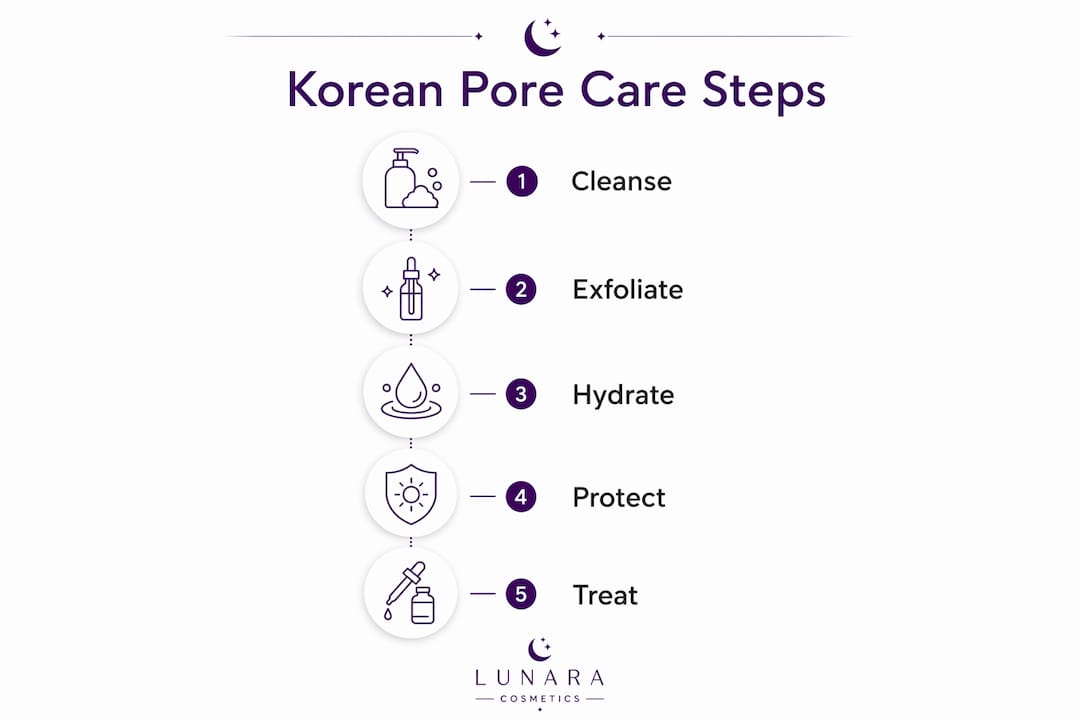
Which Korean ingredients and product types actually work for pores?
The most effective Korean pore minimizing products share a short list of well-researched ingredients. Knowing what to look for, and at what concentration, lets you shop U.S.-available products with confidence rather than relying on marketing claims.
Ingredient priorities
- Salicylic acid (BHA) at 1–2%: A keratolytic acid that is oil-soluble, meaning it penetrates inside the pore to dissolve sebum and dead skin buildup. This is the most direct ingredient for congestion-driven pores.
- Niacinamide at 2–5%: Regulates sebum production, strengthens the skin barrier, and visibly tightens pore walls with consistent use. It pairs well with BHA as a daily combination.
- Retinoids: Stimulate collagen production and accelerate cell turnover. Structural improvement takes 8–12 weeks of consistent use, so patience is non-negotiable. Start with a low-concentration retinol (0.025–0.05%) two nights per week and increase gradually.
- AHAs (glycolic or lactic acid): Surface-level exfoliants that smooth skin texture and improve radiance. Better suited for dry or sensitive skin than BHA, and useful for post-acne texture.
- Hyaluronic acid: A humectant that draws water into the skin, plumping the surface and making pores appear smaller. Works best layered under a moisturizer to seal in hydration.
Product types used in Korean pore care
- Oil cleansers: First step of the double cleanse; dissolve sebum and sunscreen without disrupting the barrier.
- BHA toners or serums: Applied after cleansing, 2–3 times per week for most skin types.
- Niacinamide serums: Can be used daily, morning and evening, and layer well under moisturizer.
- Lightweight essences: Applied before serums to hydrate and prep the skin for actives.
- Clay or charcoal masks: Used once or twice weekly to absorb excess oil and draw out impurities.
- Sheet masks: Deliver a concentrated hydration boost; useful on non-exfoliation nights.
Shopping for these products in the U.S.
Check the ingredient list for the active and its position (higher on the list means higher concentration). For BHA products, look for a pH between 3 and 4 for maximum keratolytic activity. Avoid fragrance in active stacks, as it can irritate skin that is already adjusting to acids or retinoids. Always patch-test a new active on the inner arm for 24–48 hours before applying it to your face.
What professional Korean clinic treatments do, and what they cost in the U.S.
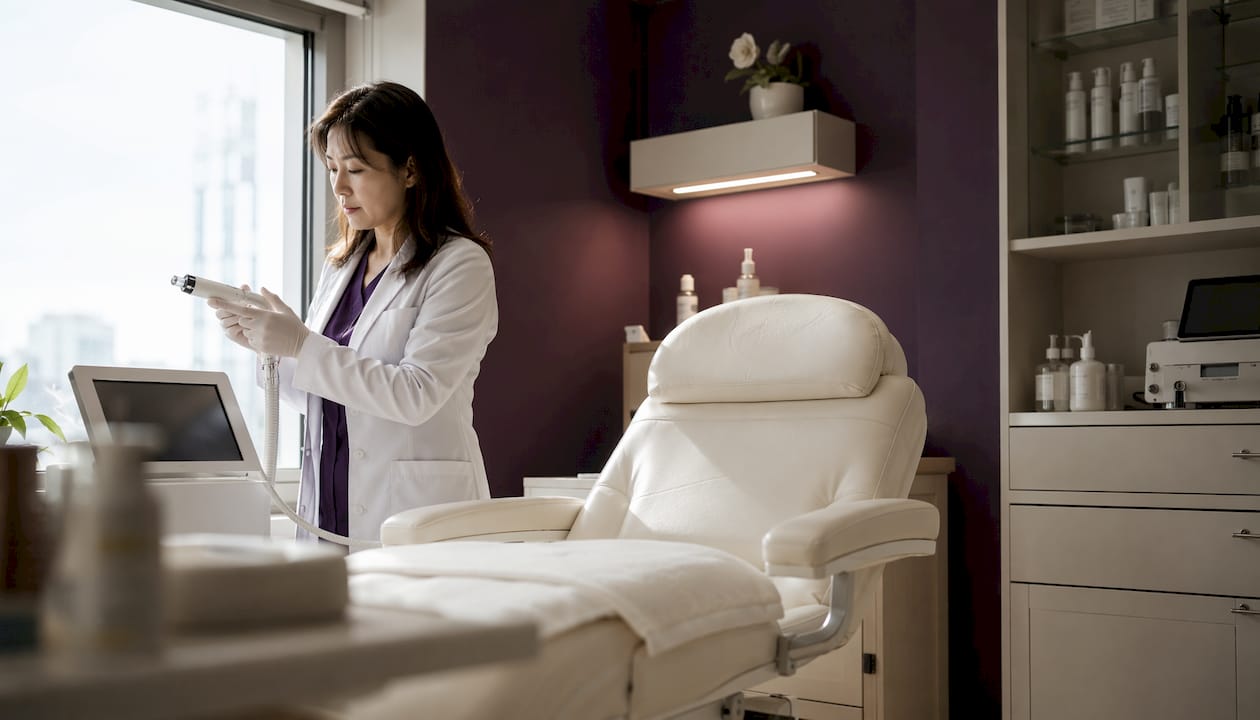
For faster or more significant pore refinement than home care alone can deliver, Korean clinics use a staged, multimodal approach. Each treatment targets a specific mechanism. The most effective protocols combine them across multiple sessions rather than relying on a single modality. Korean clinic guides describe a common sequence: Aqua Peel for clearing, RF microneedling for collagen induction, and PN or skin boosters to improve the skin matrix.
| Treatment | What it targets | Downtime | Typical sessions | Approx. U.S. cost per session |
|---|---|---|---|---|
| Aqua Peel (HydraFacial) | Congestion, sebum, surface debris | None | 4–6 | — |
| RF Microneedling | Collagen loss, laxity, pore walls | 1–3 days | 3–6 | — |
| Pico/Laser Toning | Dermal remodeling, pigmentation, texture | Minimal | 4–6 | Varies by clinic |
| PN/Skin Booster Injections | Skin matrix hydration, elasticity | Minimal | 3–4 | — |
| Laser Genesis (Nd:YAG) | Collagen warming, redness, texture | None | 4–6 | Varies by clinic |
Cost ranges are approximate, sourced from Korean clinic guides, and will vary by U.S. provider and location.
Most protocols run 6–12 weeks for visible improvement, with maintenance sessions recommended afterward. Home care with SPF, niacinamide, and retinoids supports and extends clinic results between appointments.
Safety note: Candidacy for these treatments depends on skin type, Fitzpatrick tone, and active skin conditions. Always choose a board-certified dermatologist or licensed medical aesthetician with transparent before-and-after documentation. The AAD cautions against abrasive or repeated single-laser approaches that don’t account for pore cause, as they can irritate or underdeliver. Any clinic promising permanent pore elimination or results from a single session is a red flag.
Your Korean-inspired AM/PM routine for smaller-looking pores
This routine is built on K-beauty sequencing principles and uses ingredients with the strongest evidence for pore visibility management. Follow it consistently for 4–12 weeks before evaluating results.
AM routine
- Gentle water-based cleanse (or splash with water if skin is not oily in the morning)
- Niacinamide serum (2–5%) applied to damp skin
- Lightweight hydrating essence, patted in gently
- Non-comedogenic gel moisturizer
- Broad-spectrum SPF 30 or higher as the final step
PM routine
- Oil-based cleanser to dissolve sunscreen and sebum (double cleanse step 1)
- Water-based or low-pH foam cleanser (double cleanse step 2)
- BHA toner or serum (2–3 nights per week; skip on retinoid nights)
- Niacinamide serum (nightly or most nights)
- Retinoid treatment (start 1–2 nights per week; increase to 3–4 as tolerated after 4 weeks)
- Hydrating essence or toner to restore moisture after actives
- Barrier-building moisturizer with ceramides
Weekly schedule
| Night | Active focus |
|---|---|
| Monday | BHA exfoliation |
| Tuesday | Niacinamide + hydration only (recovery) |
| Wednesday | Retinoid |
| Thursday | Sheet mask for hydration |
| Friday | BHA exfoliation |
| Saturday | Clay mask (oily skin) or hydrating mask (dry/combination) |
| Sunday | Gentle recovery: niacinamide + moisturizer only |
Introducing new actives safely: Add one new product at a time, spaced at least two weeks apart. If you experience persistent redness, peeling, or stinging beyond mild initial adjustment, reduce frequency or pause and consult a dermatologist. Never layer BHA and retinoid on the same night when you are starting out.
For a deeper look at how to sequence these layers correctly, the Korean skincare layering guide from Lunarashopping walks through the full logic step by step.
What to avoid and which pore myths you can stop believing
Several widely repeated practices actively work against pore refinement. Knowing what not to do is as useful as knowing what to add.
Myths worth correcting
- “Pores can be permanently shrunk.” They cannot. Pores are structural openings in the skin without muscles to open or close them. Topical pore minimizers and primers work by optically blurring or temporarily filling pores, not by changing their structure. Clinical treatments improve collagen support around pores, making them appear smaller, but the pore itself remains.
- “Poreless skin is achievable.” Any product or clinic promising truly poreless skin is overstating what is biologically possible. Visible refinement is a realistic and meaningful goal; eradication is not.
- “Cold water closes pores.” Temperature does not change pore size. This is a persistent myth with no dermatological basis.
Practices to stop
- Pore strips: They remove surface debris temporarily but do not address the sebum production driving congestion. Repeated use can weaken the skin barrier and make pores appear more prominent over time.
- Abrasive physical scrubs: Micro-tears from harsh exfoliants disrupt the barrier, trigger inflammation, and can worsen texture. Chemical exfoliation with BHA is more effective and far gentler.
- Skipping moisturizer on oily skin: Dehydrated skin overproduces sebum as a compensatory response, which worsens congestion and pore appearance.
- Ignoring sunscreen: UV exposure is one of the most consistent contributors to collagen loss and worsening pore visibility over time. Skipping SPF undermines every other step in the routine.
- One-laser-fits-all clinic visits: A single repeated treatment that doesn’t match your pore cause will underdeliver. Matching the modality to the root cause produces better outcomes and fewer wasted sessions.
The gentle formulas philosophy behind Korean skincare exists precisely because consistent, low-irritation care outperforms aggressive, barrier-disrupting approaches over any meaningful timeline.
How the Lunarashopping Morning Face Care Routine Set maps to pore care
The Morning Face Care Routine Set from Lunara Cosmetics is a practical starting point for anyone building a pore-focused AM routine. Each item in the set corresponds to a specific step in the K-beauty sequencing approach described above.
- Cleanser: Removes overnight sebum and residue without stripping, creating a clean base for actives.
- Serum/treatment step: Delivers niacinamide or a targeted active to regulate oil and support pore wall firmness.
- Hydrating layer: A lightweight essence or toner that plumps the skin surface and prepares it for moisturizer.
- Moisturizer: A non-comedogenic formula that seals in hydration without adding congestion.
- SPF (recommended addition): The set is designed to pair with a broad-spectrum SPF 30+ as the final AM step.
How to introduce the kit safely
Start with the cleanser and moisturizer for the first week. Add the serum in week two. If your skin tolerates those well, introduce any exfoliating step in week three. This staged approach reduces the risk of irritation and lets you identify which product your skin responds to.
For oily skin, a lightweight gel moisturizer swap keeps the routine non-comedogenic. For combination skin, apply the serum only to the T-zone in the first two weeks. For mature skin focused on laxity-driven pores, pairing the morning kit with a PM retinoid (introduced separately) addresses both surface and structural concerns.
Pro Tip: If you are already using prescription actives or seeing a dermatologist for acne or rosacea, share your full product list before adding any new kit. Some ingredients interact, and a clinician can help you sequence safely.
The set is sold by Lunarashopping. For clinical concerns such as persistent acne, significant scarring, or suspected rosacea, consult a board-certified dermatologist before adding new actives to your routine.
Key Takeaways
Korean pore minimizing manages visible pore size through decongestion, sebum control, and collagen support. It does not permanently erase pores, but consistent home care and multi-session clinic protocols deliver real, measurable refinement.
| Point | Details |
|---|---|
| Pores cannot be permanently shrunk | Clinical and topical strategies reduce visibility; they do not erase pore structure. |
| Match the treatment to the cause | Oil-driven pores need BHA and niacinamide; laxity-driven pores need collagen-stimulating treatments and retinoids. |
| Retinoids take 8–12 weeks | Structural improvement from retinoids requires consistent use over weeks before results appear. |
| Clinic protocols show 30–50% improvement | Multi-session courses (commonly 3–6 sessions) produce visible refinement in the range often cited around 30–50% after a matched treatment course; home care maintains results. |
| Lunarashopping starter kit | The Morning Face Care Routine Set maps directly to the AM steps in a pore-focused K-beauty routine. |
Why patience and consistency matter more than any single product
The most common mistake in pore care is expecting a single product or a single clinic visit to deliver lasting change. Korean dermatology’s approach works precisely because it doesn’t. The staged, multimodal logic, whether that’s layering BHA with niacinamide at home or combining Aqua Peel with RF microneedling at a clinic, is built on the understanding that pore visibility is a maintenance challenge, not a one-time fix.
What I find genuinely useful about the Korean approach, from curating pore-focused routines and bundles, is how clearly it separates cause from solution. Oily skin and aging skin look similar in a mirror but respond to completely different interventions. A niacinamide serum that transforms an oily-skin pore concern may do very little for someone whose pores have widened due to collagen loss. Getting that distinction right from the start saves months of frustration.
The other thing worth saying plainly: the most effective pore-care ingredient available is still daily broad-spectrum sunscreen. It doesn’t feel exciting, and it doesn’t have a dramatic before-and-after, but it is the single intervention that prevents the collagen degradation driving laxity-based pore enlargement. Every clinical treatment you invest in is better protected by consistent SPF use afterward.
If you are considering clinic options, ask your dermatologist specifically which cause is driving your pore concern before agreeing to any protocol. A board-certified provider who can answer that question clearly, and who shows you realistic before-and-after documentation, is the right partner for this.
Start your pore-focused routine with Lunarashopping’s Korean-inspired kit
The Morning Face Care Routine Set from Lunara Cosmetics gives you a structured, low-friction entry point into K-beauty pore care. Every product in the set corresponds to a step in the AM routine outlined in this guide: cleanse, treat, hydrate, protect. You are not assembling a routine from scratch or guessing at compatibility.
Lunarashopping sells this set directly, and it is designed to work as a complete morning system for skin types focused on oil control, texture refinement, and pore visibility. If you want to browse individual face-care products and build your own combination, the full face care collection covers cleansers, serums, and moisturizers across a range of Korean brands. For a personalized routine matched to your specific skin type and concerns, the custom skincare kit builder walks you through the selection step by step. Start there, add SPF, and give the routine 8–12 weeks before evaluating.
Useful sources and further reading
The following sources informed this guide and are worth consulting for deeper clinical detail or product research:
- American Academy of Dermatology (AAD): The primary U.S. clinical authority on pore care, ingredient safety, and skin barrier guidance. Consult for dermatologist-backed recommendations on retinoids, BHA, and sun protection.
- MyDocKorea: Pore Minimization in Korea: Clinic-level overview of Korean treatment protocols, session structures, and approximate cost ranges for Aqua Peel, RF microneedling, and PN injections.
- Jivaka Beauty: Korean Pore Minimizing Treatments: Detailed breakdown of advanced Korean clinic modalities including Pico Toning, Laser Genesis, and Collagen Induction Therapy, with candidacy and downtime notes.
- ChokChok: Large Pores — What Actually Works: Ingredient-level analysis of niacinamide, BHA, and retinoids with practical concentration guidance and realistic expectation-setting.
- British Vogue: Pore Minimizing Skincare in Korea: Accessible clinician-backed overview of prevention, sunscreen importance, and the role of tretinoin and niacinamide in long-term pore management.
- Global Beauty Spot: Korean Pore and Texture Treatments: Explains the cause-first diagnostic approach central to Korean dermatology and why matching the tool to the cause produces better outcomes.
- Green Vines: Why Pore Minimizers Might Not Be Working: Honest breakdown of what topical pore minimizers and primers actually do (optical blurring, not structural change) and why many products underdeliver.
- Lunarashopping: Korean Pore Care and Texture Bundle: Lunarashopping’s curated product bundle mapped to pore-minimizing routine steps, with product pairings for oily, combination, and aging skin.
- Lunarashopping: Sebum Control in Korea: In-depth guide to managing oil-driven pores with niacinamide, BHA, and K-beauty sebum-control strategies.
This article is general skincare information, not medical advice. Confirm current ingredient guidelines and treatment candidacy with a board-certified dermatologist for your specific situation.