Cracked heels usually come from dry skin plus pressure, and a Korean-style routine handles both: soften, exfoliate gently, hydrate in layers, then seal. Done consistently, that sequence smooths rough heels in a couple of weeks. Deep, painful or bleeding cracks need more than a cream, and we explain below where the line is.
This guide shows you the steps, the ingredients dermatologists point to, how often to exfoliate, and who should skip foot peels altogether.
TL;DR
- Cracked heels are most often dry skin under pressure. Moisturize after bathing and whenever your heels feel dry.
- Creams with urea, an alpha hydroxy acid (AHA) or salicylic acid soften thick skin. The American Academy of Dermatology (AAD) lists 10 to 25% urea as a guide.
- Exfoliate gently and rarely. A foot peel is a once-in-a-while treatment, not a daily habit.
- Seal in moisture overnight with an occlusive layer and cotton socks.
- Diabetes, deep fissures, pus, swelling or pain mean you see a doctor, not a new product.
Table of Contents
- What actually causes cracked heels
- What “Korean foot care” means in practice
- Step 1: Soak, briefly
- Step 2: Exfoliate gently
- Step 3: Use the right active ingredient
- Step 4: Moisturize at the right moment
- Step 5: Wear socks to bed
- About foot peel masks
- A realistic weekly schedule
- Prevent cracks from coming back
- When cracked heels need a doctor
- Our perspective: Korean care starts with the barrier
- Build your routine with Lunara
- FAQ
- Sources
What actually causes cracked heels
Heel skin is thick, has few oil glands, and carries your body weight all day. When it dries out, it loses flexibility. Pressure then splits it, the way a dry sponge cracks when bent.
The usual contributors are long hot showers, harsh soaps, cold dry air, open-backed shoes and worn-down footwear. The AAD advises limiting baths and showers to 5 to 10 minutes and using a gentle, fragrance-free cleanser. It also notes that dry, cracked heels are sometimes caused by a medical condition such as diabetes.
A common question is whether a vitamin deficiency is behind the problem. The Cleveland Clinic says nutritional deficiencies, among other health conditions, may be associated with dry, cracked heel skin. That is a reason to mention persistent cracking to your doctor. It is not a reason to start supplements on your own. For most people, dry skin and footwear explain it.
What “Korean foot care” means in practice
There is no secret Korean ingredient for heels. The approach is the same one K-beauty applies to the face: layers, patience and a gentle hand.
- Soften the skin with a short warm soak.
- Exfoliate lightly, not aggressively.
- Hydrate with humectants and urea-based creams.
- Seal with a richer cream or ointment and cotton socks.
- Maintain with a weekly or monthly treatment instead of a dramatic fix.
That last point separates it from the “scrape it all off” habit. The skin barrier on your feet still matters. If you already follow a Korean skin care regimen for your face, the logic will feel familiar: the same principles, scaled up for tougher skin.
Step 1: Soak, briefly
The point of a soak is to soften thick skin so exfoliation is easier and gentler. Mayo Clinic suggests soaking your feet for about 10 minutes in warm plain or soapy water, then patting dry. Keep the water warm rather than hot, since heat strips natural oils and can make dryness worse.
You do not need to soak longer to get a better result. Past the point where your skin looks wrinkled and soft, you are only drying it out again once you towel off.
Step 2: Exfoliate gently
Thick dead skin builds up on the heel edge and blocks moisturizer from getting in. Mayo Clinic says that using a loofah or foot scrubber after a short soak can help remove thick, dead skin, as long as it is done gently.
Two practical rules:
- Use light, circular motions on damp, softened skin. Stop when the skin feels smoother, not when it feels hot.
- Never cut or shave calluses with a blade. Leave that to a podiatrist.
Technique matters more than the tool. A guide on exfoliating gloves versus sugar scrub makes the same point: a mild method used correctly beats a harsh one used often. Our own piece on starting Korean exfoliation once a week explains why a barrier-first schedule keeps skin calmer.
If you want a body-safe scrub in your routine, our Body Cleansers & Scrubs collection is where to start.
Step 3: Use the right active ingredient
Moisturizers are not all equal for heels. Thick skin responds best to ingredients that both hydrate and loosen dead cells.
| Ingredient | What it does | What to know |
|---|---|---|
| Urea | Draws in water and softens thick skin | The AAD recommends creams with 10 to 25% urea, an AHA or salicylic acid. The Cleveland Clinic mentions over-the-counter urea creams at 20% or 40%, with about two weeks of regular use to see a response. |
| AHAs (lactic, glycolic) | Loosen the bonds between dead skin cells | Can sting on cracked skin. Our AHA skincare guide explains types and safe starter steps. |
| Salicylic acid (BHA) | Dissolves buildup and is oil-soluble | Keep to small areas of thick skin, not open cracks. |
| Petroleum jelly | Occlusive, slows water loss | Applied over cream, it seals in what you just put on. |
If your heels sting when you apply an acid or urea cream, the skin is probably split. Switch to a plain thick moisturizer and ointment until the crack closes, then reintroduce actives.
Step 4: Moisturize at the right moment
Timing does as much as the product. The AAD recommends moisturizing within 5 minutes of bathing and again whenever heels feel dry. Damp skin holds more water, and the cream traps it.
A simple order that mirrors layering in Korean skin care, thin to thick:
- Pat feet mostly dry, leaving them slightly damp.
- Apply a hydrating layer or a urea cream to the heels and any rough areas.
- Wait a couple of minutes for it to sink in.
- Add an occlusive such as petroleum jelly over the heels. The Cleveland Clinic suggests this to secure the moisture you just applied.
- Put on clean cotton socks.
For the rest of your lower legs and the tops of your feet, a regular body cream works well. You can browse our Body Moisturizers and see how we think about a simplified Korean body care routine.
Step 5: Wear socks to bed
Overnight is when skin repairs and when a sealed layer works best. Both the AAD and the Cleveland Clinic suggest socks at night after moisturizing. Choose breathable cotton and a pair you do not mind getting greasy. Wash them often, because damp, dirty socks against cracked skin are not what you want.
About foot peel masks
Foot peel masks are the best-known piece of Korean foot care. You wear plastic booties filled with an exfoliating liquid for a set time, rinse, and over the following days the thick skin sheds, often in sheets.

They typically use AHAs such as lactic or glycolic acid. Dermatologist Dr. Michele Sadick, quoted by Bustle, recommends doing a foot peel about once every two months. Use that as a ceiling. Your heels do not need a peel every month.
If you try one:
- Follow the label for timing and do not extend it.
- Expect shedding to start several days later and to take a week or more. Do not pull at peeling skin.
- Moisturize daily while it sheds. Urea cream between peels is what keeps the results.
- Skip it if you have open cracks, cuts, sunburn or irritated skin.
Who should not use a foot peel
If you have diabetes, reduced feeling in your feet (neuropathy), active eczema on your feet, deep heel fissures, open wounds or you are pregnant, talk to your doctor or podiatrist before using chemical peels. A mild moisturizing routine is the safer starting point for these situations.
A realistic weekly schedule
| Frequency | What to do |
|---|---|
| Daily | Moisturize after bathing and again when heels feel dry. Keep showers short. |
| 2 to 3 nights a week | Cream, occlusive layer, cotton socks. Go nightly if your heels are very dry. |
| Once a week | Short soak, then gentle exfoliation with a scrubber or loofah. |
| Every 1 to 2 months, if at all | A foot peel, with daily urea cream in between. |
If you see no change after two weeks of consistent care, adjust. Raise the urea strength within the range above, add the night routine, or check your shoes.
Prevent cracks from coming back
The AAD’s prevention advice is plain: moisturize after bathing and whenever heels feel dry, wear proper shoes and consider socks at night. It also advises avoiding worn-down, poorly fitted or open-heeled shoes, which add stress to the heel.
Summer sandals and flip-flops are the typical trigger. If you wear them, moisturize more often and give your heels a night routine at least a few times a week.
When cracked heels need a doctor
Home care is for mild to moderate dryness. See a board-certified dermatologist if heels are severe or do not improve with these steps.
If you have diabetes, treat your feet as a daily check. The AAD says deep skin cracks raise the risk of serious infection and advises checking your feet daily for discolored skin, swelling, scratches, blisters, sores and cuts. Seek immediate care for swollen or discolored skin, tenderness or pain, or pus, and see a dermatologist if skin does not heal.
The same warning signs apply to anyone: redness spreading from a crack, warmth, drainage or fever are signs of infection and need prompt medical attention.
Our perspective: Korean care starts with the barrier
We see the same pattern with face care and foot care. People reach for the strongest exfoliant first, then wonder why their skin gets rougher. In K-beauty, hydration comes first and exfoliation supports it. That applies to heels too: a sensible schedule, a urea or AHA cream used on thick areas, and a sealed overnight layer will do more than one aggressive scrub.

We select Korean skin care for gentle, effective formulas that suit different skin types. For heels, we suggest you treat your body care as part of the same routine you use on your face. Use a cleanser that does not strip, a moisturizer you will actually use every day, and an exfoliant at a frequency your skin tolerates. Our guide to a 10-step Korean skincare routine shows how that logic is built.
And we would rather tell you when a product is not the answer. If your heels are deeply split, painful or you have diabetes, see a professional first.
— Lunara
Build your routine with Lunara
Lunarashopping carries Korean body care, face care and self-care essentials from brands such as COSRX, Beauty of Joseon, ANUA and MEDICUBE. For a heel-friendly routine you can start with a gentle cleanser from Body Cleansers & Scrubs and a rich cream from Body Moisturizers. Browse the full Body & Bath range to see what suits your skin.
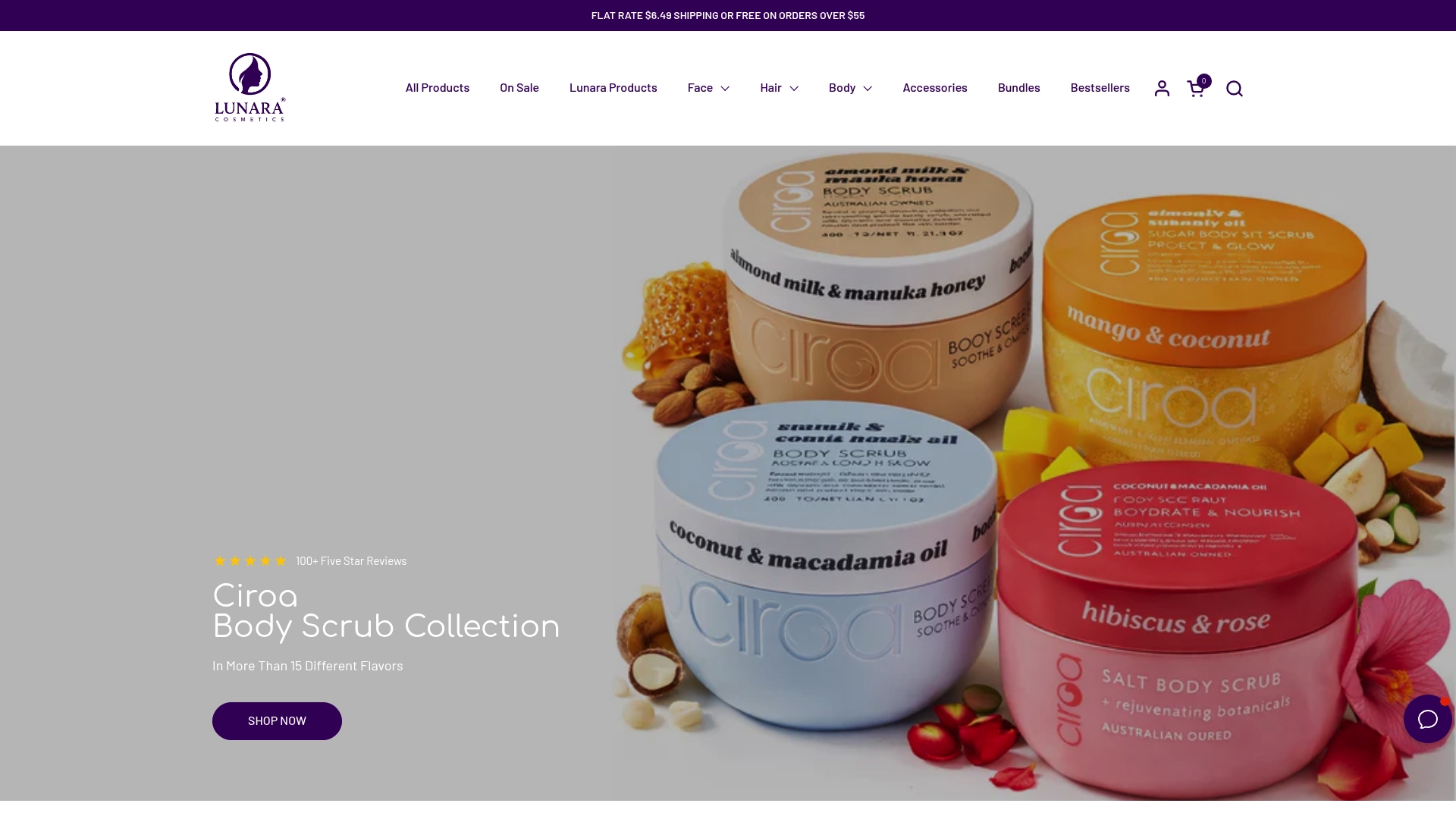
Standard shipping starts from $6.49. Shop Body & Bath Products and get started.
FAQ
Is Vaseline or Boroline better for cracked heels?
Both are occlusive-style products that help hold in moisture. Petroleum jelly is a standard dermatology suggestion to seal moisture over a cream, as the Cleveland Clinic describes. Boroline also contains lanolin and zinc oxide, so avoid it if you are sensitive to lanolin. Whichever you choose, apply it right after bathing on slightly damp heels.
How do I get soft feet quickly?
Soak for about 10 minutes, exfoliate gently, apply a urea cream, seal with an ointment and put on cotton socks. Follow that nightly and expect noticeable change after about two weeks of regular use. Rushing with harsh scrubbing tends to make heels drier.
Which deficiency causes cracked heels?
There is no single deficiency to blame. The Cleveland Clinic says nutritional deficiencies may be associated with dry, cracked heels, along with other health conditions. If cracking persists despite good moisturizing, ask your doctor whether testing makes sense.
Is it normal to have dry feet after giving birth?
Dry skin can change during and after pregnancy, and gentle moisturizing is a reasonable first step. Avoid chemical foot peels while pregnant unless your clinician agrees. If cracks are deep, painful or not healing, see your doctor or a dermatologist.
How often should I use a Korean foot peel mask?
Less often than you might think. A dermatologist quoted by Bustle suggests about once every two months. Moisturize daily between peels, and skip peels if you have open cracks, diabetes or neuropathy.
Sources
- How to care for dry, cracked heels (American Academy of Dermatology)
- Cracked Heels? Here’s How To Heal Your Feet (Cleveland Clinic)
- How to heal cracked heels (Mayo Clinic)
- Dermatologist-recommended skin care for people with diabetes (AAD)
- Foot Skin Care 101 (Bustle)
- Exfoliating gloves vs sugar scrub