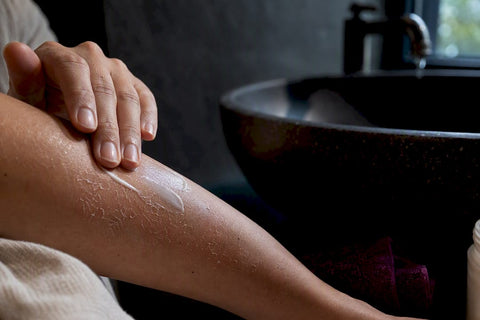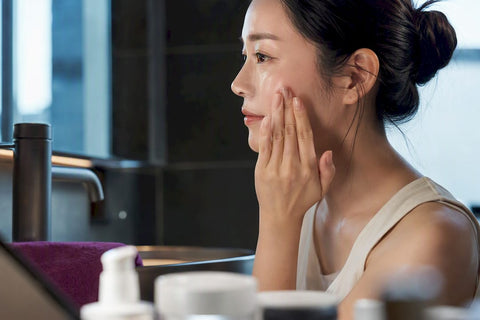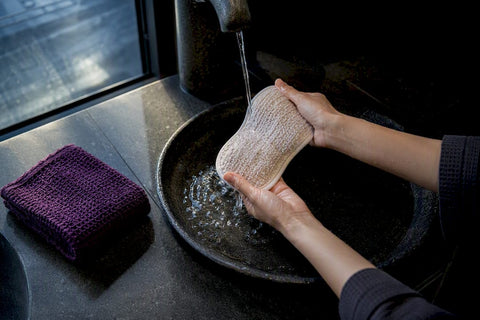
Korean exfoliation favors gentle, routine-friendly renewal over aggressive resurfacing. Instead of harsh scrubs, K-beauty relies on PHAs, enzyme cleansers, and toner pads for the face, paired with an occasional Italy-towel scrub for the body. Start slow, beginning with low frequency, match products to your skin type, and always follow up with moisturizer and sunscreen to protect your barrier.
TL;DR:
- Gentle exfoliation using PHAs, enzymes, or toner pads is preferred for sensitive and barrier health, avoiding harsh scrubs and high-strength peels.
- Most exfoliants should be used once a week to two or three times maximum, gradually increasing to prevent irritation and barrier damage.
- Proper aftercare includes thorough rinsing, patting dry, applying barrier-restoring moisturizers, and sunscreen to protect newly exposed skin.
- Physical body exfoliation tools like the Italy towel are for the body only and should not be used on the face to avoid skin damage.
- Matching exfoliant types and frequency to your skin type and monitoring for redness, stinging, or flaking ensures safe, effective results.
Table of Contents
- What Is Korean Exfoliation and Which Formats Matter Most?
- Which Exfoliant Fits Your Skin Type?
- How Do You Exfoliate Your Face the Korean Way?
- How Do You Safely Exfoliate Your Body the Korean Way?
- What Should You Do After Exfoliating?
- Where Did Korean Exfoliation Traditions Come From?
- How Does Korean Exfoliation Differ From Western Exfoliation Techniques?
- LunaraShopping Picks for Trying Korean Exfoliation the Gentle Way
- Why Lunara Believes Gentle Exfoliation Wins Long-Term
- Sources
What Is Korean Exfoliation and Which Formats Matter Most?
Korean exfoliation treats dead skin removal as a maintenance habit, not a monthly event. Where Western skincare sometimes leans on grainy scrubs or high-strength peels for dramatic before-and-afters, Korean facial exfoliation prioritizes gentle, barrier-friendly formats such as PHAs, enzymes, toner pads, and peeling gels. The goal is consistent, low-drama renewal that fits into a daily or near-daily routine without wrecking your skin barrier along the way.
To understand why, you need to know the three chemical exfoliant families involved.
AHAs (alpha hydroxy acids) like glycolic, lactic, and mandelic acid are water-soluble and work on the skin’s surface. Glycolic acid has the smallest molecule and penetrates fastest, which makes it effective but also more irritating for beginners. Lactic acid is milder and hydrating, making it a common starting point.
BHAs (beta hydroxy acids), mainly salicylic acid, are oil-soluble. That means they can travel into pores and clear out sebum and debris, which is why BHAs show up constantly in products aimed at oily and acne-prone skin, including in fungal acne Korean skincare routines built around calming, low-irritation actives.
PHAs (polyhydroxy acids), such as gluconolactone and lactobionic acid, have larger molecules than AHAs. They work more slowly on the surface and bring hydrating and antioxidant benefits along with the exfoliation, which is why they’re often recommended for sensitive or rosacea-prone skin. You’ll see PHAs positioned as an everyday option rather than a once-a-week treatment.
Then there are enzymes, usually derived from papaya, pineapple, or pumpkin. Enzymes dissolve the protein bonds holding dead skin cells together rather than acting on the skin’s chemistry the way acids do. Powder cleansers that activate into a foam when mixed with water often carry enzymes alongside fine physical particles like rice bran, giving you a hybrid effect: gentle buffing plus enzymatic digestion of buildup.
Physical exfoliation in K-beauty tends to stay soft. Rice powder, oat flour, and konjac sponges buff without the sharp edges of walnut-shell scrubs. The one true exception is the Italy towel, a rough viscose mitt reserved strictly for the body. It’s a different tool for a different job, and mixing it up with facial exfoliation is one of the most common mistakes newcomers make.
Here’s how the main formats break down:
- Toner pads: Presoaked pads with a low concentration of AHA, BHA, or PHA. Best for beginners who want convenience and consistent dosing.
- Peeling gels: Gel formulas that lightly loosen dead skin, often rinsed off after a short contact time. Good for a monthly deeper reset.
- Powder cleansers: Activate with water into a foam; combine mild physical texture with enzymes. Useful for those who want visible, immediate softness.
- Enzyme washes: Leave-on or rinse-off formulas that break down dead skin without acids. A solid pick for anyone who reacts poorly to AHAs or BHAs.
- Leave-on essences and serums: Lower-concentration actives designed for nightly or near-nightly use rather than a weekly treatment.
Which Exfoliant Fits Your Skin Type?
Matching the ingredient class to your skin type is the single biggest factor in whether exfoliation improves your skin or irritates it. Skin type isn’t just about oiliness. It also determines how much acid strength your barrier can tolerate before it starts to complain.
Sensitive skin does best with PHAs and enzymes. PHAs act gently because their larger molecules work more slowly on the surface, and many formulas double as hydrators, which softens the whole experience. Skip anything labeled “deep exfoliating” or with visible grit.
Dry skin responds well to lactic acid, one of the gentler AHAs, because it draws in moisture while it exfoliates. Pair it with a rich moisturizer, and consider reading up on barrier-first routines for dry skin before adding anything stronger.
Oily skin generally tolerates BHA better than other types because salicylic acid’s oil solubility lets it clear congestion inside pores rather than just polishing the surface. Using a BHA toner a few times per week is a common starting cadence.
Combination skin benefits from a zone strategy: BHA on the T-zone where oil and congestion concentrate, PHA or a hydrating essence on the cheeks where things run drier. Applying one product uniformly across a combination face is a frequent, easily fixed mistake.
Acne-prone skin usually pairs best with BHA and enzymes, while physical scrubs with any grit should generally be avoided since they can spread bacteria across active breakouts and worsen inflammation. If fungal acne is part of the picture, ingredient screening matters even more, and it’s worth reviewing targeted acne-care practices before committing to a new active.
Here’s a quick reference for where to start:
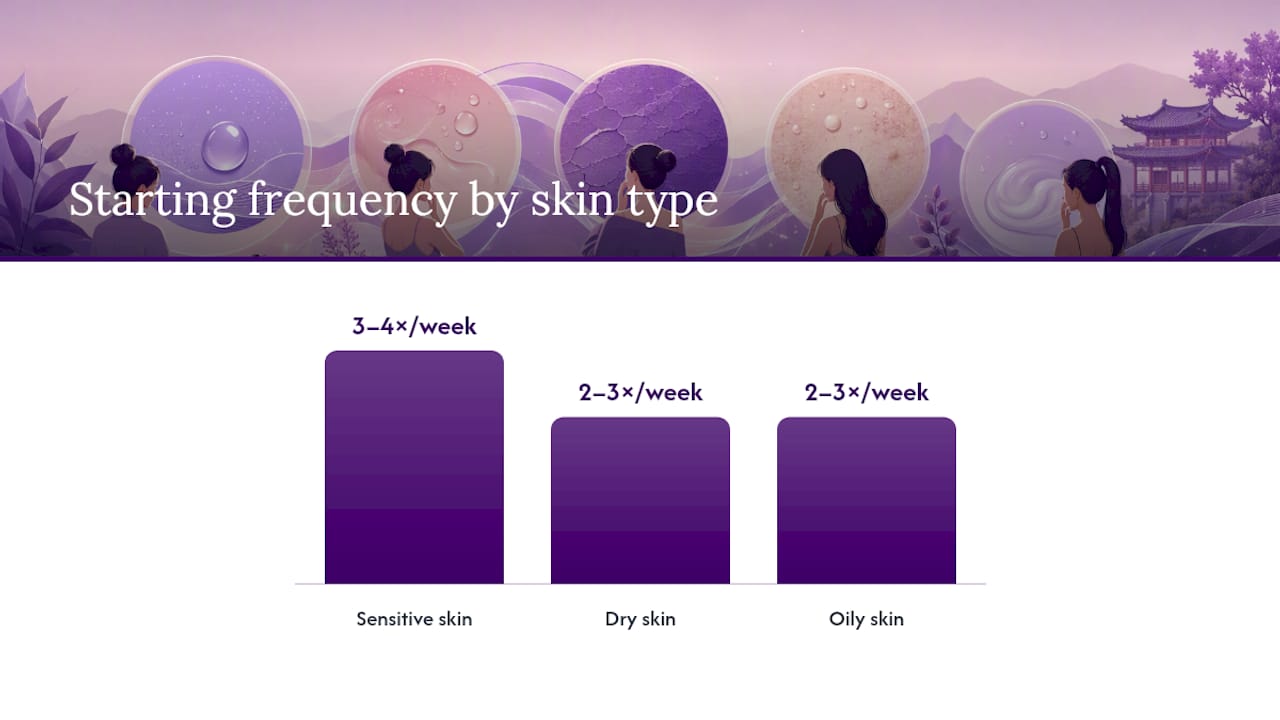
- Sensitive: PHA toner or enzyme powder, 3 to 4 times per week
- Dry: Lactic acid essence, 2 to 3 times per week, always followed by a heavier moisturizer
- Oily: BHA toner or serum, 2 to 3 times per week
- Combination: Zone-specific application, adjusting frequency by area
- Acne-prone: BHA or enzyme formulas, avoiding physical grit entirely
Before committing to any new active, patch test on your inner arm or behind your ear for 24 to 48 hours. Dermatology guidance generally recommends starting exfoliation once a week and increasing gradually, with most people topping out around two to three sessions weekly for chemical exfoliants. Mixing a strong acid with retinol on the same night is a classic overcorrection. Space them on alternating nights instead, and if you notice persistent redness, stinging that doesn’t fade, or a rough, flaky texture that wasn’t there before, that’s your barrier telling you to pull back.
Pro Tip: If your skin stings the moment a toner touches it and the sensation doesn’t fade within a minute, stop using that product. Effective exfoliation works through chemistry, not sensation, so a stinging product isn’t working harder. It’s just irritating you.
How Do You Exfoliate Your Face the Korean Way?
A Korean-style facial exfoliation routine is less about a single dramatic step and more about a sequence you can repeat without regret. Here’s how to build it from scratch.
- Patch test first. Apply a small amount of your chosen product to your inner forearm and wait 24 hours. No redness or itching means you’re clear to try it on your face.
- Start once a week. Dermatology guidance points to weekly use as the safest starting frequency before building up. Resist the urge to exfoliate daily just because a product feels mild.
- Cleanse first. Always exfoliate on clean, dry or slightly damp skin, never over makeup or sunscreen residue.
- Apply according to format. Toner pads get swiped gently across the face, avoiding the eye area. Leave-on serums and essences get patted in and left, not rinsed. Enzyme powders activate with water in your palm before massaging on for 30 to 60 seconds, then rinse. Peeling gels get massaged in circular motions until they turn milky, then rinsed off.
- Watch the clock on leave-on contact times. Concentration and pH govern both how well a product works and how much it irritates, so if a leave-on exfoliant recommends a short contact window, honor it rather than leaving it on longer for a “stronger” result.
- Build up gradually. If your skin tolerates once-weekly use for two to three weeks with no redness or tightness, move to two sessions a week. Cap most routines at two to three times weekly unless a dermatologist has guided you otherwise.
- Space out other actives. Alternate exfoliation nights with retinoid nights rather than stacking them. If you use vitamin C in the morning, that’s generally fine to keep separate from evening exfoliation.
- Follow immediately with hydration. A hydrating toner or essence right after exfoliation helps calm any mild dryness and preps skin for moisturizer.
- Pause at the first sign of trouble. Persistent redness, a burning sensation, or visible flaking that appears within a day or two of exfoliating means you back off for a week and reassess concentration or frequency.
On concentration, most AHA formulas aimed at general use sit in a 5 to 10 percent range at a pH of roughly 3 to 4 for meaningful effect, though beginners should start with lower concentrations and shorter contact times to build tolerance before reaching for anything stronger. Products don’t always list exact pH on the label, so when in doubt, choose a formula marketed toward sensitive skin or beginners, and let your skin’s response over two to three weeks guide whether you need something stronger.
A note on sensation: peeling and visible flaking are not proof that a product is working. One widely cited observation from dermatology-adjacent coverage of K-beauty exfoliants is that effective exfoliation doesn’t need to sting or visibly peel to deliver results, since the chemistry does the work regardless of how dramatic it feels.
How Do You Safely Exfoliate Your Body the Korean Way?
The Italy towel, a rough viscose mitt, is the tool most associated with Korean body exfoliation, and it’s built exclusively for the body. Using it on facial skin risks real damage, since the friction that safely lifts dead skin on your back or arms is too aggressive for the thinner skin on your face.
Here’s the safe home version of the ritual:
- Soak first. Spend 5 to 10 minutes in a warm bath or shower to soften skin and loosen dead cells before you scrub. Skipping this step is the most common reason people end up over-scrubbing.
- Wet the mitt and use light pressure. Broad, sweeping strokes work better than pressing hard in one spot. You’re lifting softened skin, not sanding it down.
- Avoid your face and any compromised skin. Stay off sunburned areas, active breakouts, eczema patches, or skin that’s recently had hair removal.
- Rinse thoroughly. Clear away any loosened debris so it doesn’t sit on the skin.
- Moisturize immediately. Freshly exfoliated skin absorbs product efficiently, so this is the moment to apply your richest body cream.
Frequency matters here as much as it does on the face. Most people find exfoliating once every week or two reasonable, with drier or sensitive skin possibly exfoliating less frequently. Doing this daily, or even every few days, strips more than it renews.
Spa and jjimjilbang versions of this ritual tend to be more vigorous than what you’d do solo at home, with a trained attendant using firmer pressure and covering more surface area in one session. That can feel intensely satisfying, but it also raises the irritation stakes. If you have eczema, a sunburn, or recently waxed or shaved a large area, skip the professional scrub that visit and wait until your skin has fully recovered.
Pro Tip: Keep a separate mitt for body use only, and never share it between family members. It holds onto dead skin and bacteria between washes, so treat it like a washcloth rather than a reusable tool that lasts forever.
For a fuller body-care sequence built around this ritual, a simplified Korean body care routine can help you slot the towel step into a realistic weekly rhythm.
What Should You Do After Exfoliating?
Aftercare is where most of the actual barrier protection happens, and it’s the step people rush the most. Right after exfoliating, rinse thoroughly and pat skin dry rather than rubbing, since freshly exfoliated skin is more prone to micro-irritation from friction.
Follow immediately with a barrier-repair moisturizer. Look for ceramides, which restore the lipid layer, and panthenol, which calms and softens. If your skin feels tight, red, or unusually reactive after exfoliating, skip fragranced products and any other active ingredients for that session. Layer only what’s necessary until things settle.
Sunscreen becomes non-negotiable the morning after any exfoliation session, and really every morning if you exfoliate regularly. Freshly exfoliated skin has less of its protective dead-cell layer, which raises how visible and quick UV damage and pigmentation can become. Apply sunscreen as your final morning step, after moisturizer and any vitamin C serum, and reapply if you’re outdoors for extended periods.
For added hydration, a lightweight essence before moisturizer helps replace surface moisture that exfoliation temporarily disrupts. On drier nights or during colder months, an occlusive layer like a facial oil or balm on top locks that hydration in. If you want a deeper dive into building this into a full sequence, a step-by-step Korean skincare routine walks through where exfoliation and aftercare fit relative to serums and sheet masks.
- Rinse and pat dry, never rub
- Apply ceramide and panthenol moisturizer immediately
- Skip fragrance and other actives if skin feels reactive
- Apply sunscreen every morning after exfoliation nights
- Add an occlusive layer on drier days for extra protection
Where Did Korean Exfoliation Traditions Come From?
Korean exfoliation traditions run through the public bathhouse, not the drugstore aisle. The jjimjilbang, Korea’s communal bathhouse culture, has centered on soaking and scrubbing rituals for generations, with the Italy towel becoming a household fixture despite its name having nothing to do with Italy. The mitt reportedly gets its name from the Italian viscose rayon fabric it was originally manufactured from when it was introduced decades ago, and it stuck around because it worked.
What makes the cultural context matter for modern skincare is the emphasis on skin as something maintained continuously rather than fixed occasionally. Korean beauty culture treats clear, smooth, luminous skin as a daily practice, and exfoliation slots into that as routine maintenance rather than crisis intervention. That’s a meaningfully different mindset from treating exfoliation as a once-a-month deep clean.
This philosophy shaped the modern multi-step Korean routine, where gentle, frequent exfoliation through toner pads or enzyme cleansers coexists with the occasional Italy-towel session for the body. Korean skincare is also highly personalized, and the well-known “10-step routine” was never meant as a rigid mandate. Exfoliation gets added, skipped, or adjusted based on what your skin needs that week, not a fixed calendar.
How Does Korean Exfoliation Differ From Western Exfoliation Techniques?
The core difference comes down to intensity versus frequency. Western exfoliation culture historically leaned toward stronger, less frequent intervention: think professional-strength peels, gritty apricot-kernel scrubs, or high-percentage acid treatments used once every few weeks for a visible “reveal.” Korean exfoliation spreads that same renewal goal across smaller, gentler doses used more consistently.
Format reflects that split. Western drugstore shelves have historically favored jars of physical scrub with visible exfoliating particles, while Korean formats favor toner pads, peeling gels, and enzyme powders designed for near-daily or several-times-weekly use without irritation buildup.
Ingredient concentration philosophy differs too. Western products sometimes market higher percentages as more effective, while K-beauty product development frequently favors moderate concentrations paired with hydrating or soothing ingredients baked into the same formula, so the exfoliation and the barrier support happen in one step rather than two.
Neither approach is universally superior. A stronger, less frequent treatment can deliver faster visible results for someone with significant texture concerns, while the gentler, frequent approach suits people prioritizing long-term barrier health over quick transformation. Many skincare-curious readers end up blending both: an occasional stronger peel alongside a daily gentle exfoliating toner, which is really just applying the Korean frequency philosophy on top of Western-style stronger actives when needed.
LunaraShopping Picks for Trying Korean Exfoliation the Gentle Way
Choosing your first Korean exfoliating product doesn’t need to be complicated once you know your skin type and the format you’re after. Lunarashopping’s Morning Face Care Routine Set is built around exactly the barrier-first philosophy covered above, giving you a curated starting sequence instead of guessing which products to pair together.
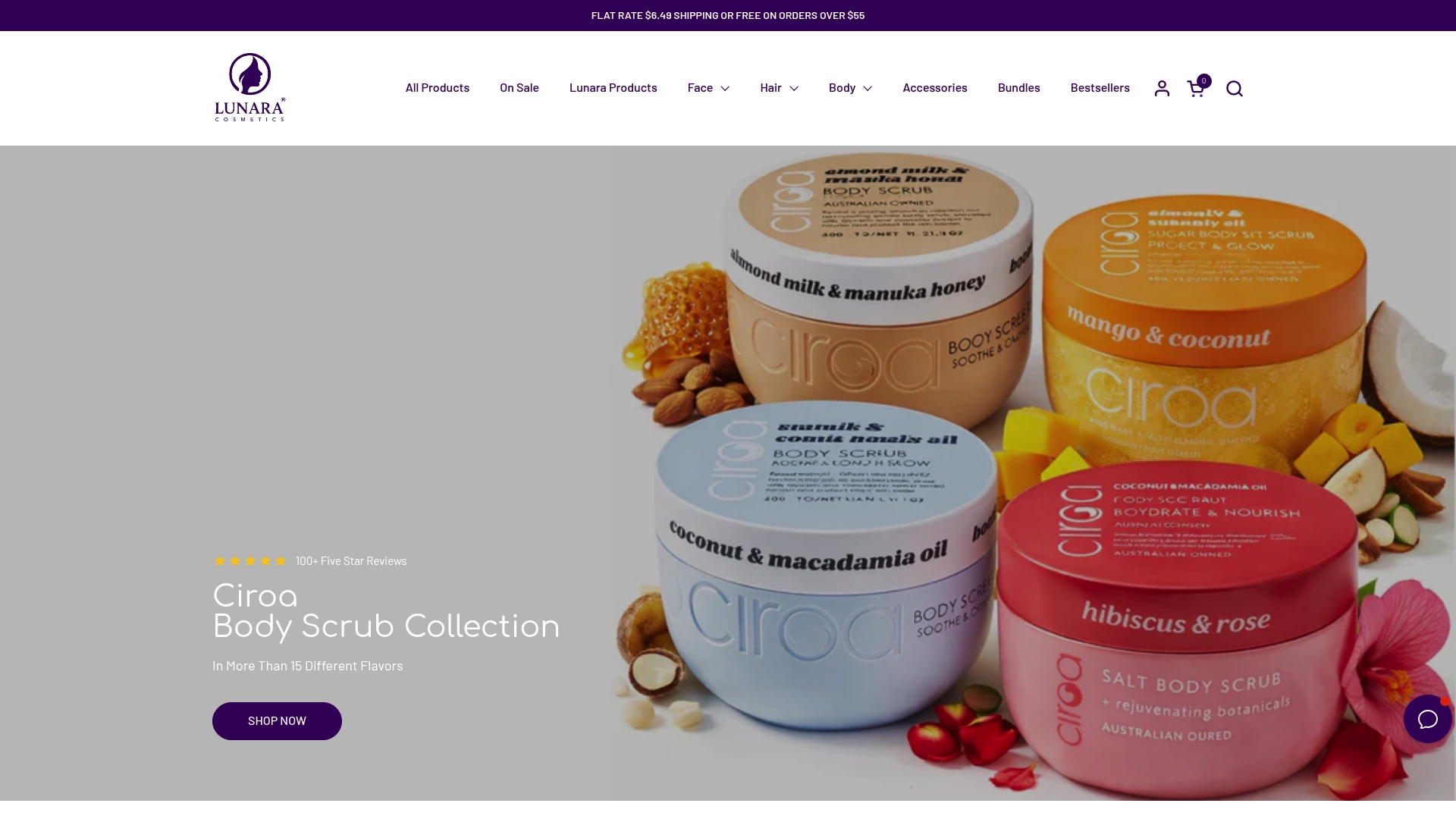
If you want a hybrid physical-and-enzyme option, the MIDHA Rice Bran Facial Scrub Foam turns from powder to foam with water, giving you gentle rice-bran texture without the harshness of a gritty scrub. It’s a solid pick if you like feeling immediate results without the irritation risk of stronger acids. For multi-area use, the CIROA Face-Body-Hair Wash 3 in 1 Collection works well for gentle body cleansing, though remember the face-versus-body distinction covered earlier and patch test before working any new wash into your facial routine.
If your schedule is unpredictable, toner pads win on convenience since they’re premeasured and mess-free. If you want more control over intensity and contact time, a powder cleanser lets you decide exactly how long product stays on your skin. Browse the full face care collection to find the format that actually fits how you live, then start with one new product at a time so you can track how your skin responds.
Why Lunara Believes Gentle Exfoliation Wins Long-Term
Prioritizing gentle formats and curated starter sets is important because the biggest failure point in exfoliation isn’t the ingredient. It’s the pace people adopt it at. Starting slow and protecting your barrier isn’t a compromise. It’s the entire strategy behind why Korean exfoliation works as well as it does.
— Lunara
Sources
- 10 Best Korean Face Exfoliators That Brighten and Smooth Without Irritation | Allure
- Korean Exfoliating Mitt: How to Use an Italy Towel
- Best Korean Skincare Routine 2026 - Jane Yoo MD
- The Ultimate Guide to Korean Beauty Exfoliators: Achieve Glass Skin | Well HK