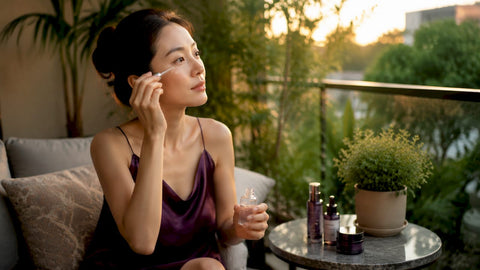
Propolis is defined as a resinous compound produced by bees that Korean skincare brands have adopted as a core active ingredient for its antioxidant, anti-inflammatory, and antimicrobial properties. The role of propolis in Korean skincare goes well beyond a marketing trend. Products like the Beauty of Joseon Glow Serum and Cosrx Propolis Ampoule have made this ingredient a staple in K-beauty routines worldwide. Propolis strengthens the skin barrier, reduces redness, controls acne-causing bacteria, and boosts hydration without the irritation that comes with harsher actives.
What does science say about propolis benefits for skin?
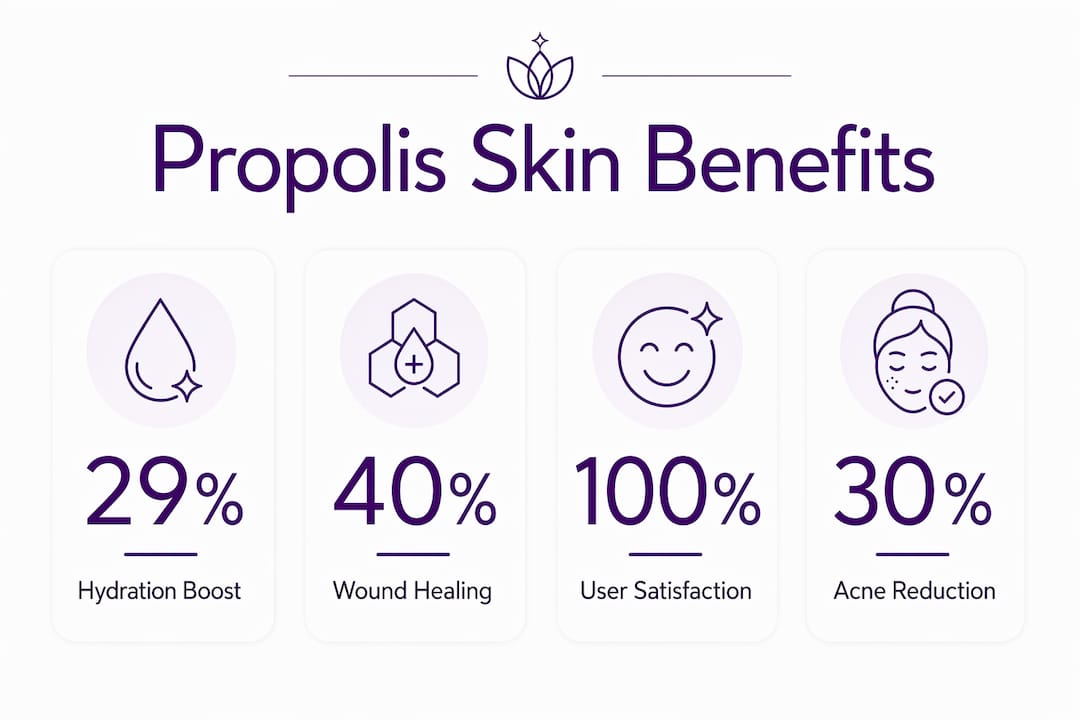
The science behind propolis is clear and well-documented. A 2019 study showed a 29% increase in skin hydration and an 18% reduction in transepidermal water loss after four weeks of propolis extract use. That means your skin holds onto moisture more effectively, which directly improves texture, plumpness, and overall appearance.
Propolis also accelerates wound closure by 30–40%, making it valuable for post-breakout recovery and general skin repair. This is not a minor effect. Faster cellular repair means fewer lingering blemishes and a more even complexion over time.
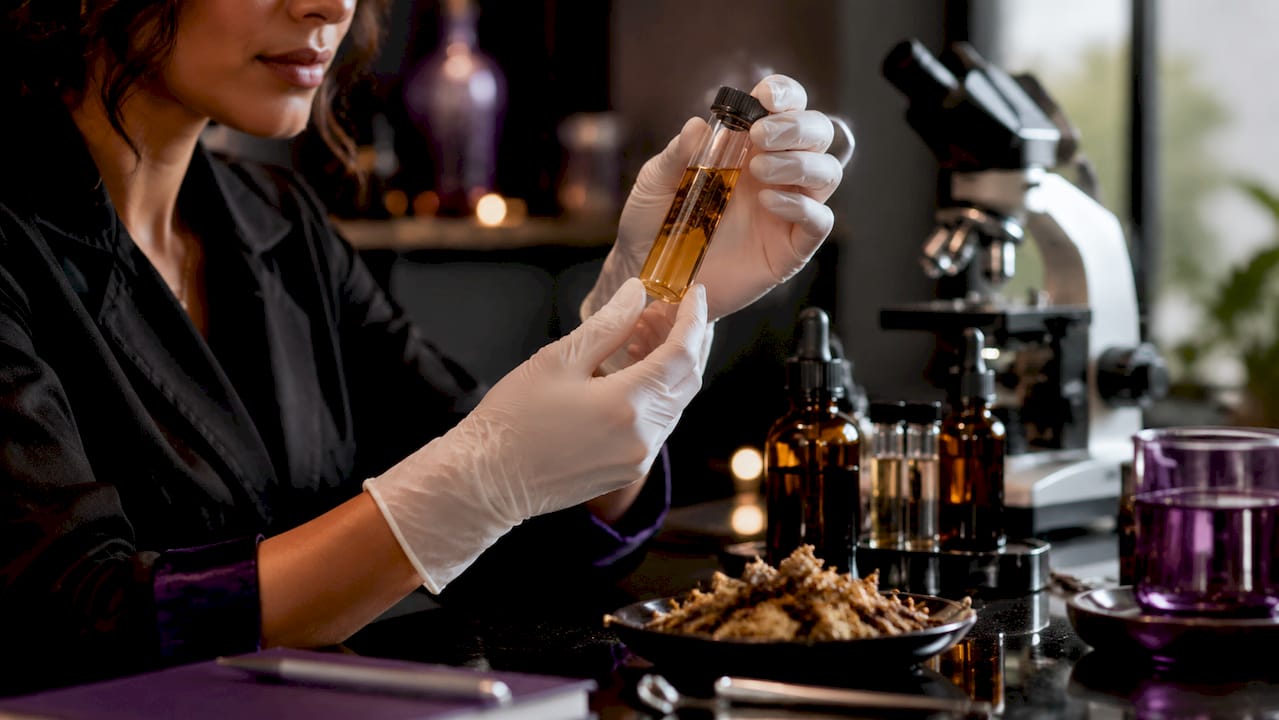
On the antimicrobial side, propolis inhibits Cutibacterium acnes, the bacteria responsible for inflammatory acne. Unlike benzoyl peroxide, propolis does not cause dryness or irritation commonly associated with chemical antimicrobials. That makes it suitable for sensitive and acne-prone skin types that cannot tolerate stronger treatments.
| Benefit | Mechanism | Result |
|---|---|---|
| Hydration boost | Reduces transepidermal water loss | 29% increase in skin moisture |
| Wound repair | Accelerates cellular regeneration | 30–40% faster wound closure |
| Acne control | Inhibits acne-causing bacteria | Fewer breakouts without irritation |
| Redness reduction | Anti-inflammatory flavonoids | Calmer, more even skin tone |
| Barrier support | Antioxidant compounds protect cells | Stronger skin defense over time |
Pro Tip: Apply your propolis serum immediately after cleansing while your skin is still slightly damp. Damp skin absorbs actives faster and reduces the surface tackiness that some propolis formulas leave behind.
A 2026 survey of 120 participants found that 100% reported improved skin condition after regular use of a propolis moisturizing gel. That level of user satisfaction is rare in skincare research and reflects how consistently this ingredient performs across different skin types.
How is korean propolis different from other varieties?
Geographic source determines the chemical makeup of propolis, and that makeup determines how well it works on your skin. Korean propolis is sourced from poplar and willow tree resins, giving it a flavonoid and caffeic acid phenethyl ester (CAPE) profile that European and Brazilian variants simply do not replicate.
CAPE is the compound most responsible for propolis’s anti-inflammatory and antimicrobial effects. Korean propolis contains higher concentrations of CAPE than European variants, which tend to be richer in different resin types that offer less targeted skin benefit. Brazilian green propolis, while potent, is formulated differently and does not integrate as smoothly into the lightweight textures that K-beauty products require.
| Propolis Source | Key Compounds | Primary Skin Benefit |
|---|---|---|
| Korean (poplar/willow) | High CAPE, flavonoids | Anti-inflammatory, antimicrobial |
| European (various trees) | Lower CAPE, mixed resins | General antioxidant |
| Brazilian green | Artepillin C | Antioxidant, less barrier-focused |
This distinction matters when you are reading ingredient labels. A product that uses Korean-sourced propolis extract is more likely to deliver targeted redness relief and blemish control than one using a generic propolis blend. Korean propolis is a staple, scientifically backed ingredient in K-beauty precisely because its chemical composition aligns with the skin concerns most people are trying to address: acne, sensitivity, and barrier damage.
Pro Tip: When shopping for K-beauty propolis products, look for labels that specify “Korean propolis extract” or list propolis high in the ingredient list, ideally within the first five to eight ingredients. Position in the list signals concentration.
The flavonoid content in Korean propolis also contributes to its antioxidant activity, which protects skin cells from UV-related oxidative stress. This is why propolis pairs so naturally with the glass skin philosophy in Korean beauty. It addresses multiple concerns at once without requiring a separate product for each one.
How to use propolis products in your skincare routine
Incorporating propolis into your Korean beauty routine is straightforward when you follow a few key principles. The concept of nutrient layering, central to K-beauty, treats propolis as a recovery and barrier-strengthening treatment applied after lighter hydrating steps and before heavier occlusives.
Here is a practical routine sequence for using propolis effectively:
- Cleanse your face thoroughly with a gentle, pH-balanced cleanser. Residue from makeup or sunscreen blocks absorption of any active ingredient.
- Apply toner or essence first. These lighter, water-based steps prepare the skin and open it up for the next layer.
- Press your propolis serum or ampoule gently into slightly damp skin. Pressing rather than rubbing increases absorption and reduces the sticky feeling some formulas have.
- Layer a moisturizer on top to seal in the propolis and support the skin barrier. Look for moisturizers with panthenol or ceramides for added barrier repair.
- Finish with SPF in the morning. Propolis enhances skin cell repair, but UV exposure will undo that work. Daily sunscreen is non-negotiable.
- Patch test before full application. Patch testing is mandatory before using propolis on your face, especially if you have a known bee product allergy. Apply a small amount to your inner arm and wait 24 hours.
Propolis also works well in skin cycling routines. On active nights when you use retinol or exfoliating acids, skip propolis to avoid layering too many actives. On recovery nights, propolis is the ideal treatment. It shields skin from seasonal pollutants and environmental stressors while supporting cellular regeneration overnight.
For those who want to extend propolis benefits to other areas, the COSRX Propolis Lip Sleeping Mask applies the same barrier-repair logic to lip care, making it a natural addition to a recovery-focused nighttime routine.
Which korean propolis products are worth using in 2026?
The K-beauty market offers a wide range of propolis-infused products, but quality varies significantly based on formulation. Here is what to look for and which products consistently deliver results:
- By Wishtrend Polyphenols in Propolis 15% Ampoule: This product lists propolis at 15% concentration alongside Korean herbal extracts that amplify its anti-inflammatory effect. The concentration is high enough to produce measurable results, unlike many products that bury propolis near the bottom of the ingredient list.
- Cosrx Full Fit Propolis Light Ampoule: A lighter texture suited to oily and combination skin. Cosrx pairs propolis with niacinamide, which addresses hyperpigmentation while propolis handles barrier repair and blemish control.
- Beauty of Joseon Glow Serum: Combines propolis with rice extract for brightening. The texture is slightly more viscous but absorbs well when pressed into damp skin.
- JM Solution Honey Luminous Royal Propolis Mask: A propolis-infused sheet mask that delivers concentrated hydration and barrier support in a single 20-minute treatment. Ideal for weekly use or before events when you want a visible radiance boost.
When evaluating any propolis product, check three things: propolis position in the ingredient list, the presence of complementary actives like niacinamide or panthenol, and the texture. A slightly tacky finish is normal and signals a higher propolis concentration. If a product claims propolis benefits but has no noticeable texture, the concentration is likely too low to matter.
Propolis also integrates well with device-assisted skincare. Propolis-based gels support microcurrent treatments by acting as a conductive medium that enhances absorption and skin plumping. If you use a microcurrent device, a propolis gel is a practical upgrade over standard conductive gels.
Key takeaways
Korean propolis delivers measurable skin benefits because its unique CAPE and flavonoid profile targets inflammation, bacteria, and barrier damage simultaneously, making it one of the most versatile actives in K-beauty.
| Point | Details |
|---|---|
| Korean propolis is chemically distinct | Poplar and willow-sourced propolis contains higher CAPE levels than European or Brazilian variants. |
| Hydration and repair are proven | Studies show a 29% hydration increase and 30–40% faster wound closure with regular propolis use. |
| Concentration determines results | Look for propolis listed in the first five to eight ingredients; 15% concentration is a strong benchmark. |
| Routine placement matters | Apply propolis after toner and before moisturizer, pressing into damp skin for best absorption. |
| Patch testing is required | Anyone with bee product sensitivity must test propolis on the inner arm before full facial use. |
Why i think propolis is the most underrated active in k-beauty
Most skincare enthusiasts chase retinol, vitamin C, or AHAs for visible results. Propolis rarely gets the same attention, and that is a mistake. In my experience working with Korean skincare formulations, propolis is the ingredient that makes everything else work better. It does not deliver overnight drama. What it delivers is a consistently calmer, more resilient skin barrier that responds better to every other active you apply.
The texture concern is real but manageable. Higher-concentration products like By Wishtrend’s 15% ampoule do feel slightly tacky. Pressing rather than rubbing, and applying to damp skin, solves most of that. The payoff is worth the adjustment.
Geographic sourcing is something most buyers ignore. Korean-sourced propolis is not interchangeable with generic propolis. The CAPE content is meaningfully higher, and that difference shows up in how your skin responds to inflammation and breakouts. When you see “propolis extract” on a label, it is worth asking where it came from.
My honest recommendation: treat propolis as your skin’s recovery foundation, not a spot treatment. Use it consistently on non-active nights, pair it with a good SPF in the morning, and give it at least six weeks before judging results. Propolis is a multi-dimensional repair agent built for long-term barrier health, not instant transformation. The readers who get the most from it are the ones who stay patient.
— Lunara
Explore korean propolis skincare at Lunarashopping
If you are ready to add propolis to your routine, Lunarashopping carries a curated selection of Korean skincare products built around proven, barrier-supporting ingredients.
The Korean Glass Skin Routine Bundle is a strong starting point. It brings together propolis-infused serums and complementary hydrators designed to work as a complete system, not just individual products. For those who want to customize their approach, Lunarashopping’s face care collection includes individual propolis serums, ampoules, and masks from trusted K-beauty brands. Every product is selected for formulation quality, not just brand recognition. Your skin deserves ingredients that are backed by research and sourced with care.
FAQ
What is propolis and why is it used in korean skincare?
Propolis is a natural resin produced by bees that contains flavonoids, CAPE, and antimicrobial compounds. Korean skincare brands use it for its ability to strengthen the skin barrier, reduce inflammation, and control acne-causing bacteria without irritation.
Is propolis good for acne-prone or sensitive skin?
Propolis is well-suited for both skin types. It provides antimicrobial benefits without the dryness or irritation associated with benzoyl peroxide, making it a gentler option for blemish control and redness relief.
How do i know if a propolis product has enough concentration to work?
Check the ingredient list. Propolis should appear within the first five to eight ingredients. By Wishtrend’s Polyphenols in Propolis 15% Ampoule is a reliable benchmark for a therapeutically effective concentration.
Can i use propolis every day?
Daily use is safe for most skin types. Apply it after toner and before moisturizer, and always follow with SPF in the morning. On nights when you use exfoliating acids or retinol, skip propolis and use it on recovery nights instead.
Do i need to patch test propolis before using it?
Patch testing is required before full facial application, especially if you have a known sensitivity to bee products. Apply a small amount to your inner arm and wait 24 hours before proceeding with regular use.