Facial steaming is defined as the controlled application of warm steam to the face to soften the skin’s surface, loosen debris inside pores, and prepare skin for deeper cleansing and product absorption. The role of face steam in skincare goes well beyond a relaxing spa ritual. Dermatologists and estheticians recognize it as a preparatory technique that directly improves how well your cleanser, serum, and moisturizer perform. When done correctly, steaming raises surface skin temperature, temporarily increases blood circulation, and softens the keratin and sebum that clog pores. This guide covers the science, the safe technique, and the exact routine sequence to get real results.
How does facial steaming improve skincare effectiveness?
Facial steaming works by softening the skin’s surface and the contents of your pores, not by physically opening them. Pores do not have muscles and cannot open or close. What steam actually does is warm the sebum and dead skin cells inside pores, making them easier to remove during cleansing or gentle extraction. This distinction matters because it sets realistic expectations and prevents over-steaming in pursuit of a result that steam alone cannot deliver.
The circulation benefit is real but temporary. Steam raises surface temperature and causes blood vessels to dilate, which increases blood flow to the skin and creates a visible, healthy glow. That glow fades within minutes if you do nothing after steaming. Consistent use within a complete routine is what builds lasting radiance over time.
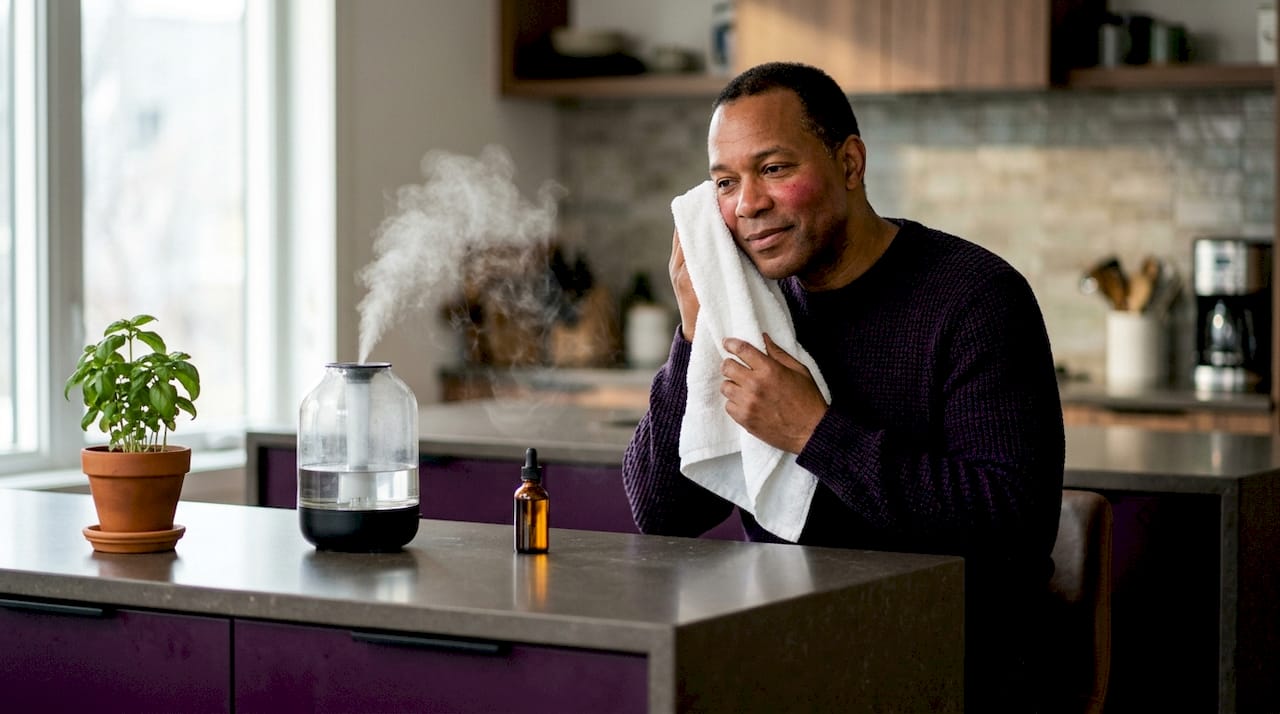
The most practical benefit of steaming is what it does for product absorption. Steaming enhances penetration of serums and moisturizers, particularly water-soluble ingredients like hyaluronic acid. Warm, hydrated skin is more permeable, so actives reach deeper layers more effectively. You get more from every product you apply immediately after steaming.
Here is what steaming directly improves in your skincare routine:
- Cleansing efficacy: Softened sebum and dead cells lift away more easily, leaving skin cleaner after washing.
- Serum absorption: Warm, permeable skin takes in water-soluble actives like hyaluronic acid and niacinamide faster and more deeply.
- Circulation and glow: Temporary vasodilation creates an immediate brighter, smoother finish that signals healthy blood flow.
- Extraction readiness: Steam softens sebum in pores, making blackhead extraction easier and less irritating.
- Skin texture: Regular steaming, combined with exfoliation, supports a softer, more even surface over time.
Pro Tip: Apply your serum or treatment within 60–120 seconds after steaming while your skin is still warm and hydrated. That window is when permeability peaks and absorption is highest.
What are the best practices and safe techniques for facial steaming?
Safe steaming starts with one non-negotiable rule: always steam clean skin. Steaming unclean skin can trap makeup, sunscreen, and surface debris deeper into pores, worsening congestion rather than clearing it. Double-cleanse first with an oil-based cleanser like THE FACE SHOP Rice Water Bright Light Cleansing Oil to dissolve oil-based impurities, then follow with a water-based foam cleanser such as INNISFREE Green Tea Amino Hydrating Facial Cleansing Foam to remove any remaining residue.
Distance from the steam source is the second critical safety factor. Maintain 8–12 inches (20–30 cm) between your face and the steam to prevent thermal burns. If you feel any stinging or discomfort, move further back immediately.
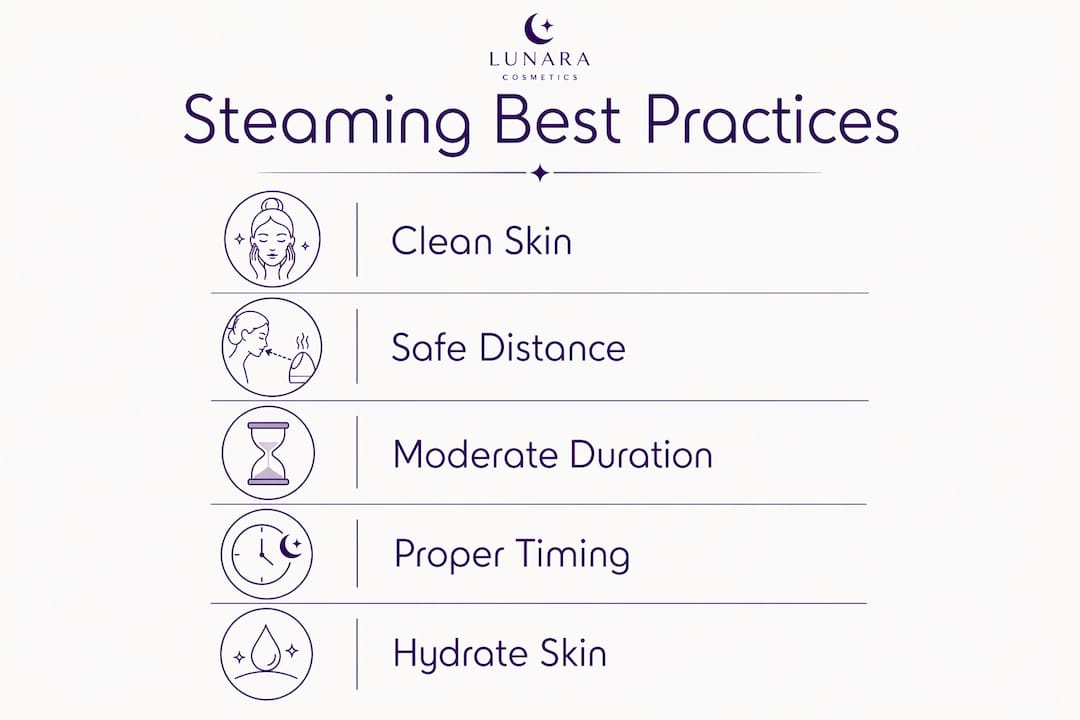
Recommended steaming duration by skin type
Optimal session durations vary by skin type to prevent dehydration or irritation:
- Oily or acne-prone skin: 8–10 minutes. Oilier skin tolerates longer sessions and benefits from extended softening of excess sebum.
- Combination skin: 6–9 minutes. Focus steam on the T-zone where congestion is heaviest, and keep time moderate.
- Dry or sensitive skin: 5–6 minutes. Shorter sessions prevent stripping the skin’s already limited moisture barrier.
DIY steaming vs. electronic devices
Both methods work, but they differ in consistency and control.
| Feature | DIY (bowl of hot water) | Electronic steamer |
|---|---|---|
| Cost | Low, no investment needed | Moderate to high upfront cost |
| Steam consistency | Cools mid-session | Maintains steady nano-mist throughout |
| Moisture retention | Variable | Optimized for skin hydration |
| Burn risk | Higher without care | Lower with built-in controls |
| Effectiveness | Approximates 85% of device benefits | Full benefit with consistent temperature |
Devices maintain steady nano-mist which optimizes moisture retention compared to DIY methods that cool mid-session. Starting with a DIY setup is a practical way to test whether steaming works for your skin before investing in a device.
Pro Tip: Before steaming, test the water temperature by holding your wrist 8 inches above the bowl. If it feels uncomfortably hot on your wrist, it will feel worse on your face. Let it cool for 30 seconds and test again.
How does facial steaming benefit different skin types?
Steaming supports every skin type, but the benefits and risks differ enough that your approach should be tailored. Understanding how steam interacts with your specific skin type prevents irritation and gets you better results.
Oily and acne-prone skin benefits the most from steaming in terms of pore clarity. Steam softens the hardened sebum and dead skin cells that form blackheads and whiteheads, making them easier to remove without aggressive squeezing. For acne-prone skin, steaming before gentle extractions or a clay mask reduces the force needed to clear congestion, which lowers the risk of post-inflammatory hyperpigmentation. Pair steaming with Korean acne care practices for a complete approach to blemish control.
Dry skin receives a different kind of benefit. Steam delivers temporary surface hydration and softens the texture of flaky or rough patches. The key word is temporary. Dry skin loses that moisture quickly if you do not seal it in immediately after steaming with a hydrating serum and a rich moisturizer. Keep sessions to 5–6 minutes and never skip the moisturizing step.
Combination skin can use steaming strategically by focusing on congested zones like the nose and chin while keeping steam exposure lighter on drier cheek areas. A slightly angled position during steaming helps direct steam where it is most needed.
- Oily skin: soften sebum buildup for cleaner pores and easier extractions.
- Dry skin: add temporary surface hydration and smooth texture before moisturizing.
- Combination skin: target congested zones while limiting exposure on dry areas.
- Acne-prone skin: loosen clogged pores to reduce extraction trauma and irritation.
- Sensitive skin: limit sessions to 5 minutes maximum and use lukewarm rather than hot steam.
Steaming supports skin clarity and a brighter finish, but it is not a standalone treatment for acne, rosacea, or chronic dryness. It works best as a preparatory step within a self-care skincare routine that includes appropriate actives and consistent hydration.
What is the correct order for steaming in a skincare routine?
The sequence of steaming within your routine determines whether you get the full benefit or waste the effort. Skipping steps or reversing the order reduces results and can cause irritation.
Follow this sequence for maximum effectiveness:
- Double-cleanse. Remove all makeup, SPF, and surface oil with an oil cleanser first, then follow with a foam or gel cleanser. This step is non-negotiable. Steaming dirty skin pushes debris deeper into pores.
- Steam. Apply steam for the duration appropriate to your skin type (5–10 minutes). Keep the safe distance of 8–12 inches and drape a towel over your head to concentrate the steam if using a bowl.
- Exfoliate or extract (optional). Immediately after steaming, skin is at its most receptive for gentle exfoliation. A mild scrub or chemical exfoliant removes the softened dead cells more effectively now than at any other point in the routine. For oily skin, a product like the MIDHA Rice Bran Facial Scrub Foam works well at this stage.
- Apply serums and treatments. Work within the 60–120 second window post-steam. Apply your most active ingredients first, such as vitamin C, niacinamide, or hyaluronic acid. Warm, permeable skin absorbs them faster and more deeply. For guidance on layering actives correctly, the Korean skincare layering guide is a practical reference.
- Moisturize. Seal everything in with a moisturizer suited to your skin type. This step locks in the hydration gained from steaming and prevents transepidermal water loss.
- SPF (morning only). If steaming in the morning, always finish with broad-spectrum SPF. Freshly steamed skin is more permeable, which also means UV exposure has a greater effect.
Pro Tip: Set a 90-second timer the moment you finish steaming. That countdown keeps you focused and prevents the absorption window from closing before your serum is applied.
Skipping the cleansing step or applying products too late after steaming are the two most common mistakes. Both reduce the benefit significantly. Consistency in this sequence is what separates a routine that delivers visible results from one that does not.
Key Takeaways
Facial steaming delivers its strongest results when used as a preparatory step within a consistent, correctly sequenced skincare routine that starts with double-cleansing and ends with immediate product application.
| Point | Details |
|---|---|
| Steam softens, not opens, pores | Steam loosens sebum and dead cells inside pores, making cleansing and extraction more effective. |
| Apply products within 90 seconds | Skin permeability peaks right after steaming; apply serums and actives immediately for best absorption. |
| Duration depends on skin type | Oily skin tolerates 8–10 minutes; dry or sensitive skin should stay at 5–6 minutes to avoid dehydration. |
| Always double-cleanse first | Steaming unclean skin traps debris deeper into pores and worsens congestion. |
| DIY works, devices work better | A bowl of hot water approximates 85% of device benefits; electronic steamers maintain consistent nano-mist throughout the session. |
Steaming is a step, not a solution
I have seen a lot of people add facial steaming to their routine expecting it to clear their skin on its own. It does not work that way, and I want to be direct about that. Steaming is one of the best preparatory steps you can take, but it does nothing meaningful if the products you apply afterward are wrong for your skin type or if your cleansing is incomplete.
What I have found genuinely useful is starting with a simple DIY setup before spending money on a device. A bowl of hot water and a towel tell you quickly whether your skin responds well to steam. Sensitive skin sometimes reacts with redness or increased dryness, and knowing that before investing in a device saves both money and frustration.
The other thing worth saying plainly: over-steaming is a real problem. More is not better. Steaming too frequently or for too long strips the skin’s moisture barrier, especially for dry and sensitive types. Two to three sessions per week is a reasonable ceiling for most people. The Korean face massage method pairs well with steaming as a complementary circulation-boosting step without the dehydration risk.
Steaming works. It works consistently when the technique is correct, the sequence is followed, and the products applied afterward are matched to your skin’s actual needs.
— Lunara
What to use after steaming for the best results
Your skin is at its most receptive right after steaming. That is the moment when the right products make the biggest difference.
Lunarashopping’s Morning Face Care Routine Set is built for exactly this window. The set pairs a gentle cleanser, a hydrating serum, and a moisturizer in a sequence designed to work with freshly steamed skin. Each product is formulated to absorb quickly and lock in hydration before the permeability window closes. If you want to build a kit matched to your specific skin type, Lunarashopping’s custom skincare kit builder lets you select products based on your skin concerns, whether that is oiliness, dryness, or congestion. The right products applied at the right moment are what turn a good steaming session into visible skin improvement.
FAQ
What is the role of face steam in skincare?
Facial steaming softens sebum and dead skin cells inside pores, improves cleansing efficacy, and increases skin permeability so serums and moisturizers absorb more effectively. It works as a preparatory step, not a standalone treatment.
Is facial steaming effective for acne-prone skin?
Steaming loosens clogged pores and softens blackheads, making extractions easier and less traumatic for acne-prone skin. It does not treat active acne on its own and should always follow double-cleansing to avoid pushing debris deeper.
How often should you steam your face?
Two to three sessions per week is appropriate for most skin types. Dry or sensitive skin should limit sessions to once or twice weekly to avoid disrupting the moisture barrier.
How long should a facial steam session last?
Oily and acne-prone skin benefits from 8–10 minutes, combination skin from 6–9 minutes, and dry or sensitive skin from 5–6 minutes. Exceeding these durations increases the risk of dehydration and irritation.
When should you apply skincare products after steaming?
Apply serums and treatments within 60–120 seconds after steaming while skin remains warm and hydrated. That window is when skin permeability is highest and absorption of water-soluble actives like hyaluronic acid peaks.