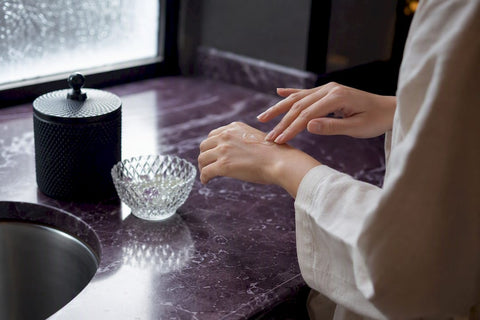
Centella asiatica, the plant behind “cica” skincare, calms redness, reinforces the skin barrier, and helps damaged skin recover faster, which is why dermatologists frequently recommend it after retinoids, chemical peels, and microneedling. It works on nearly every skin type, including sensitive, eczema-prone, and freshly treated skin. Several compounds contribute to the benefits, and you’ll want to recognize the key ones on an ingredient label.
- Soothes irritation fast enough to use as a buffer between actives like retinol or acids
- Supports the skin barrier, helping it hold moisture and resist transepidermal water loss
- Aids wound healing and mild scar support, backed by clinical and formulation reviews
- Contains madecassoside and asiaticoside, the two triterpenoids most tied to visible results
TL;DR:
- Formulations with explicitly named triterpenoids like madecassoside or asiaticoside are more reliable indicators of active ingredient content than generic extract claims.
- Leave-on products such as serums and creams provide better skin benefits because they maintain longer contact time with the skin than rinse-off options.
- Proper layering involves applying centella after actives like retinoids or acids, then sealing with moisturizer and sunscreen, especially when used for irritation buffering.
- Patch testing new centella products on the inner forearm for 24 to 48 hours is necessary to prevent adverse reactions, even with well-tolerated ingredients.
- Store centella formulations in cool, dark environments, preferably in airless packaging, to maintain potency and extend shelf life.
Table of Contents
- What Centella Asiatica Skincare Does at the Cellular Level
- How to Use Centella Products in Your Routine
- Reading Labels: What Separates an Effective Cica Product From a Weak One
- Safety, Side Effects, and What Not to Mix With Centella
- What the Clinical Evidence Actually Shows
- A Shopper’s Checklist for Choosing a Centella Product
- Not All Centella Extracts Perform the Same
- Storing Centella Products for Maximum Shelf Life
- Key Takeaways
- Sources
What Centella Asiatica Skincare Does at the Cellular Level
Centella’s reputation isn’t built on marketing copy. It comes down to a small group of triterpenoid saponins that trigger specific, well-documented responses in skin tissue. The main players are asiaticoside, madecassoside, asiatic acid, and madecassic acid, and each one nudges your skin toward repair rather than just masking symptoms temporarily.
Asiaticoside and madecassoside stimulate fibroblasts, the cells responsible for producing collagen and elastin. A recent mechanistic review covering research from 2016 through 2025 describes how these compounds support collagen synthesis while simultaneously calming the inflammatory signaling that breaks tissue down. That dual action, building collagen while quieting inflammation, is fairly rare in a single plant extract. Most soothing ingredients do one or the other.
The anti-inflammatory piece works through pathways that reduce activity in NF-κB signaling, one of the body’s main triggers for inflammatory response. When that pathway calms down, redness and swelling ease, which explains why centella shows up so often in post-procedure skincare and in products aimed at rosacea-prone skin. Antioxidant activity from the same triterpenoid family also helps neutralize free radical damage from UV exposure and pollution, adding a preventive layer on top of the repair work.
- Improved hydration and measurably lower transepidermal water loss (TEWL)
- Better skin elasticity over consistent use
- Visible improvement in scar texture and appearance
- Improved recovery after superficial wounds or procedural treatments
- Reduced visible redness within days for users
Clinical snapshot: Formulation and mechanistic reviews document moisturizing, anti-inflammatory, and wound-healing effects tied directly to centella-containing formulations, not just the raw plant extract in isolation.
The caveat worth sitting with: many of the human trials behind these findings involve modest sample sizes and formulations that vary widely in concentration and delivery method. Two products both labeled “centella asiatica extract” can perform very differently depending on how much of the active triterpenoid content actually made it into the formula. That variability is exactly why label literacy matters more than ingredient name recognition alone, a point worth carrying into how you actually use these products.
How to Use Centella Products in Your Routine
Cica works best when it stays on your skin long enough to do something. Rinse-off products like centella-infused cleansers can feel nice, but the contact time is too short for the triterpenoids to meaningfully affect deeper skin layers. Leave-on formats, serums, creams, ampoules, are where centella actually earns its reputation.
Layering it correctly matters more than people expect. Here’s a simple sequence that works for most routines:
- Cleanse with a gentle, low-pH cleanser to avoid stripping the barrier before treatment.
- Tone, if you use one, with an alcohol-free formula that won’t counteract centella’s calming effect.
- Apply centella serum or essence to damp skin, patting rather than rubbing it in.
- Layer active ingredients like retinoids or AHAs/BHAs afterward, or apply centella after them if you’re using it specifically to buffer irritation.
- Seal with a centella cream or a standard moisturizer to lock in hydration.
- Finish with sunscreen in the morning, since centella doesn’t offer UV protection on its own.
Most people can apply a centella serum or cream both morning and night without issue. If you’re using it specifically to recover from a procedure or to offset retinoid irritation, nightly use tends to deliver the most noticeable calming effect by morning.
Before adding any new centella product into regular rotation, patch test it on your inner forearm for 24 to 48 hours, especially when following clinical advice on post-procedure skincare from Clinical Skincare Supplies | NexGen Clinic Cambridge. Apply a small amount, leave it alone, and watch for redness, itching, or bumps. This step matters even for an ingredient as well tolerated as centella, since individual reactions to plant extracts are never universal.
Pro Tip: If you’re introducing centella alongside a new retinoid, apply the retinoid first and follow with a centella cream about 20 minutes later. This “buffer” method, mentioned frequently in K-beauty formulation guidance, reduces flaking and stinging without diluting the retinoid’s effectiveness.
Reading Labels: What Separates an Effective Cica Product From a Weak One
Not every product claiming “cica” benefits delivers them. The ingredient list tells you most of what you need to know, if you know what to look for.
- Named triterpenoids beat vague extract claims. A label listing madecassoside or asiaticoside by name signals a formulator who measured and standardized the active content, rather than just tossing in a generic Centella asiatica leaf extract at a low percentage.
- Ingredient order matters. Actives listed near the top of the list (ingredients are ranked by concentration) generally mean a more potent formula than one where centella extract appears near the bottom, closer to preservatives and fragrance.
- Delivery systems boost real-world performance. Liposomes, phytosomes, and nanoemulsions improve how well triterpenoids penetrate skin, since raw plant extracts don’t always absorb efficiently on their own. Formulation research shows these carrier systems meaningfully increase bioavailability, which matters most if you’re targeting anti-aging or scar-related outcomes rather than surface-level soothing.
- Format should match your goal. Serums deliver the highest concentration of actives and absorb fast, making them ideal for targeted concerns. Creams add occlusive, barrier-supporting benefits on top of the actives, better for dry or compromised skin. Ampoules concentrate actives even further for short-term intensive use. Sheet masks offer a quick soothing boost but limited long-term barrier benefit due to short wear time.
If you’re deciding between a lightweight cica serum and a richer cica cream, let your skin type decide. Oily or combination skin usually does better with a serum layered under a separate moisturizer, while dry or sensitized skin benefits from a cream that combines actives with occlusive support in one step.
Safety, Side Effects, and What Not to Mix With Centella
Centella asiatica ranks among the better-tolerated botanical actives in skincare, but “well tolerated” doesn’t mean risk-free for everyone. Allergic contact dermatitis, while uncommon, does happen. Watch for redness that worsens rather than improves, persistent itching, small bumps, or a rash that appears within 24 to 48 hours of first use.
- Patch test any new centella product before applying it to your full face
- Discontinue use immediately if irritation appears and worsens over 48 hours
- Oral centella supplements carry different, more significant safety considerations than topical use; this guidance applies strictly to skincare application
- If you’re pregnant or breastfeeding, consult your healthcare provider before adding new topical actives, centella included, as a precaution
- If you have a severe inflammatory skin condition like active eczema flares or psoriasis, see a dermatologist rather than relying on centella alone
One clinical caution worth repeating: practitioner commentary consistently frames centella as a supportive ingredient, not a replacement for medical treatment in chronic inflammatory skin disease. Dermatologist-reviewed guidance treats it as an adjunct that reduces surface irritation and supports recovery, useful alongside prescribed treatment, not instead of it.
Compatibility note: Centella generally plays well with most other ingredients, including niacinamide, hyaluronic acid, and ceramides. It’s less about what to avoid mixing and more about sequencing, since applying it before a strong acid or retinoid dilutes the active’s effect on your target concern.
What the Clinical Evidence Actually Shows
The evidence for centella isn’t a single blockbuster study. It’s a pattern that repeats across dozens of smaller reviews and clinical papers, which is a different kind of confidence than a massive randomized trial but still meaningful.
- Human studies consistently report improved hydration and reduced TEWL after regular topical use
- Skin elasticity improves in study populations using centella-based formulations over multi-week periods
- Scar appearance, particularly texture and pigmentation, shows measurable improvement in several small trials
- Wound healing timelines shorten in formulations combining centella with supportive delivery systems
A synthesis of mechanistic and clinical research points to triterpenoid activity on TGF-β/Smad signaling, a pathway central to collagen production and tissue repair, alongside attenuation of NF-κB driven inflammation. Together, these two pathways explain both why centella calms skin quickly and why longer-term use supports firmer, more resilient tissue.
The honest limitation: most trials are small and formulations vary enough that pooling results into one clean number would overstate certainty. What the broader body of PMC-indexed research does support is biological plausibility, meaning the mechanism makes sense and lines up with what people observe using these products, rather than centella being a stretch of a beauty claim without grounding. Delivery-system research is the newest frontier here, and it matters because it explains why two products with identical extract percentages can perform very differently depending on formulation quality.
A Shopper’s Checklist for Choosing a Centella Product
Standing in front of a shelf of cica products, or scrolling a product page at 11 p.m., gets easier with a short mental checklist.
- Scan for named triterpenoids. Madecassoside or asiaticoside listed explicitly beats a generic “Centella asiatica extract” buried mid-list.
- Check ingredient order. If centella derivatives sit within the first half of the ingredient list, the formula likely carries a meaningful concentration.
- Match format to your goal. Choose a leave-on serum or cream for anti-aging or scar support; reserve masks and rinses for occasional, lighter soothing.
- Look for delivery-system language. Terms like liposomal, phytosome, or nanoemulsion on the label suggest better skin penetration, particularly relevant if you’re targeting deeper repair rather than surface calm.
- Prioritize fragrance-free, minimal-ingredient formulas if your skin is reactive, sensitized, or currently compromised from actives or a procedure.
- Weigh texture against your skin type. A rich cream feels great on dry skin but can feel heavy under makeup for oily or combination skin, where a gel serum usually performs better.
- Consider price against concentration, not just the front-label promise; a higher price doesn’t guarantee more active content, but a suspiciously low price on a “high-concentration” claim deserves a second look at the full ingredient list.
Not All Centella Extracts Perform the Same
“Centella asiatica extract” on a label isn’t one standardized ingredient. Extraction method changes everything about what ends up in the bottle. Water-based extracts tend to carry lower triterpenoid concentrations than ethanol or supercritical CO2 extractions, which pull more of the active asiaticoside and madecassoside content from the plant.
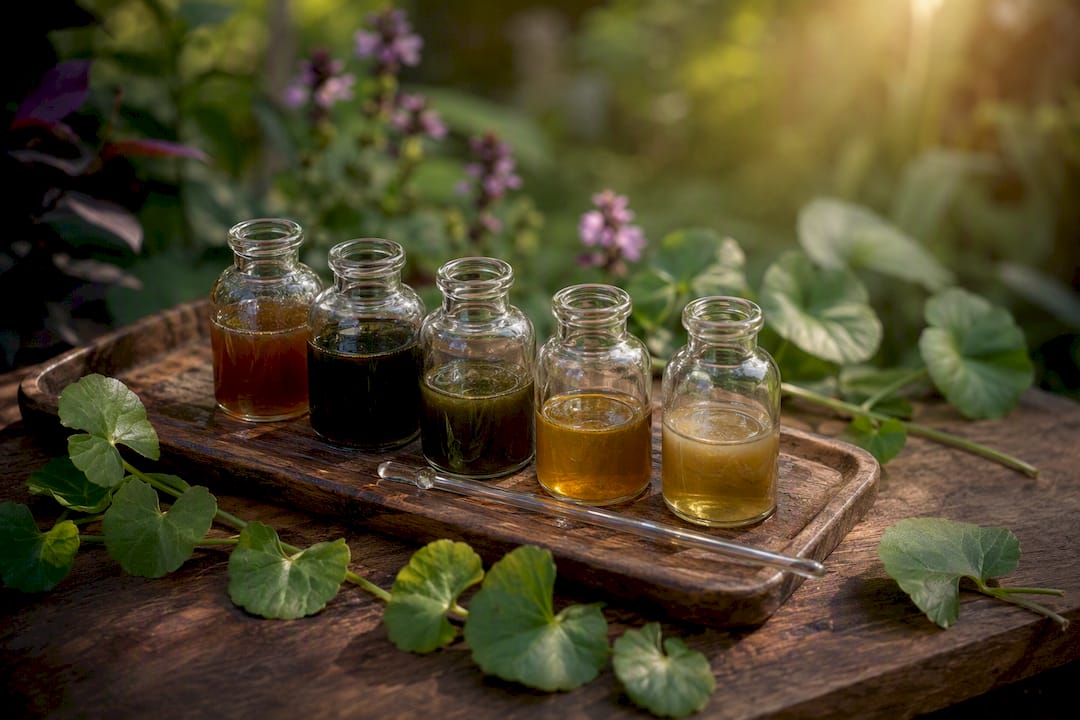
Standardized extracts, often labeled with a specific percentage of total triterpenoids, offer more predictable results than extracts with no stated concentration. Fermented centella, a formulation approach popular in Korean skincare, is sometimes marketed as more bioavailable, since fermentation can break down plant compounds into smaller, more easily absorbed molecules. The clinical evidence specifically isolating fermented versus non-fermented centella is thinner than the evidence for the extract category overall, so treat that claim as plausible rather than settled.
The practical takeaway: two “cica” products can differ meaningfully in real-world performance even with identical marketing language, which circles back to why named triterpenoid content on the label matters more than the words “Centella asiatica” appearing anywhere on the bottle.
Storing Centella Products for Maximum Shelf Life
Triterpenoids are reasonably stable compounds, but they’re not immune to degradation. Heat, light, and air exposure all shorten the effective lifespan of a centella serum or cream faster than the printed expiration date suggests.
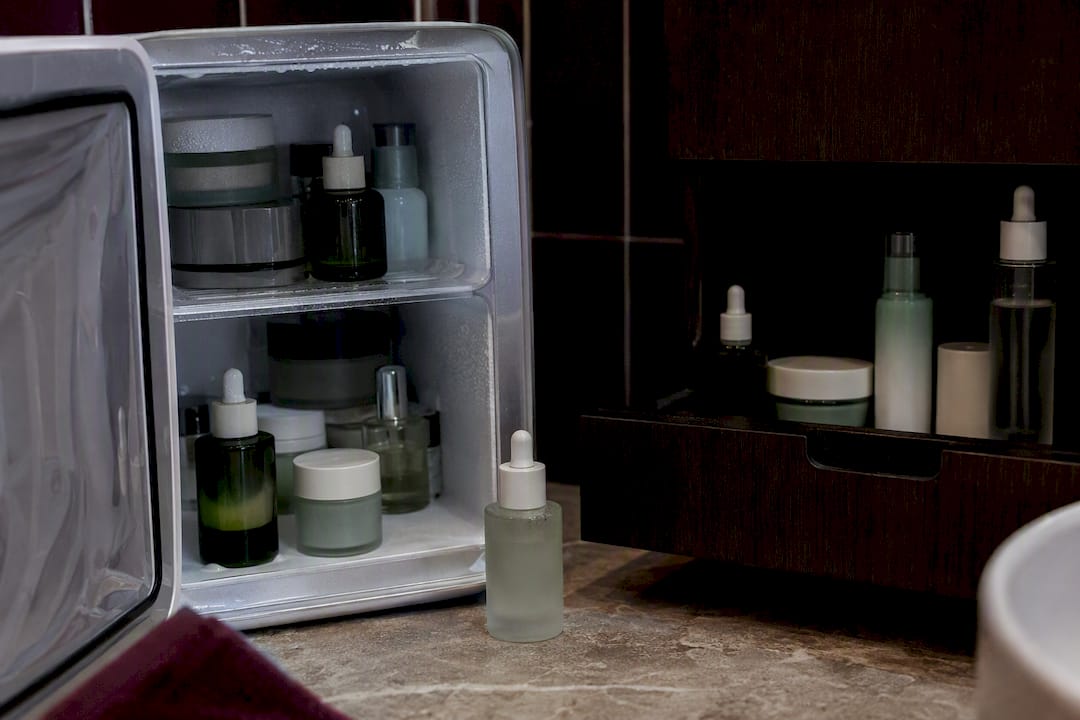
Store centella products in a cool, dark place, away from direct sunlight and away from steamy bathroom shelves where humidity swings are constant. A bedroom drawer or a skincare fridge extends stability better than a windowsill or shower caddy. Once opened, centella serums and creams generally remain effective for a substantial period, with airless pump packaging helping to preserve potency longer than jar packaging, which may introduce more air and potential contamination.
Watch for changes in color, smell, or texture as your signal to retire a product early, regardless of the printed expiration date. A cica serum that’s turned slightly yellow or developed an off smell has likely lost some of its active potency even if it’s still technically within date. Buying smaller sizes if you don’t go through products quickly is a simple way to avoid this problem altogether, rather than letting a large bottle sit half-used for a year.
Lunara’s take on curating centella into a routine
Centella earns its spot in nearly every calming routine we curate, precisely because it works quietly alongside other actives rather than competing with them. A cica serum paired with a lightweight, ceramide-rich moisturizer covers both repair and barrier support without overcomplicating your shelf. If you’re shopping for one, buy the smaller size first. You’ll know within two weeks if your skin agrees with it.
— Lunara
Where to start if you want to try it
If you’re ready to add centella into your routine, the easiest starting point is pairing a soothing formula with something that supports the rest of your skin’s needs at the same time, rather than shopping ingredient by ingredient. Lunarashopping curates Korean skincare specifically around that kind of pairing logic, so you’re not left guessing which cica product fits your skin type or which moisturizer complements it.
Our Morning Face Care Routine Set bundles calming and hydrating steps together, a practical option if you want centella-style soothing without assembling a routine product by product. For exfoliation days that call for extra barrier support afterward, the BEAUTY OF JOSEON Apricot Blossom Face Peeling Gel pairs naturally with a soothing follow-up step. If you’d rather browse the full range and compare formats yourself, our complete face care collection is organized by category so you can find serums, creams, and treatment products without digging through unrelated items.
Start with a patch test on whatever you choose, give it a week before judging results, and adjust from there.
Key Takeaways
Centella asiatica works by combining anti-inflammatory and collagen-supporting triterpenoids, making it one of the most broadly tolerated actives for barrier repair and redness relief.
| Point | Details |
|---|---|
| Core actives to look for | Madecassoside and asiaticoside on the label signal a formula backed by measurable triterpenoid content. |
| Best formats for results | Leave-on serums and creams outperform rinse-off products due to longer skin contact time. |
| Layering order matters | Apply centella after actives like retinoids or acids to buffer irritation, then seal with moisturizer and sunscreen. |
| Patch test every new product | Test for 24 to 48 hours on your forearm before full-face use, even with well-tolerated ingredients. |
| Store away from heat and light | Airless pump packaging preserves potency longer than jar packaging once opened. |
| Shop curated pairings | Lunarashopping’s Morning Face Care Routine Set bundles centella-friendly soothing steps with complementary hydration in one purchase. |
Sources
- Skin Care Benefits of Centella Asiatica
- Role of Cica (Centella asiatica) in Skincare Formulations: Examination of a Popular Ingredient (SKINmed. 2022)
- PMC review article on Centella asiatica mechanisms and skin effects
- Centella asiatica (L.) Urb. in skin health and cosmeceuticals: mechanisms, clinical evidence, and advanced delivery systems