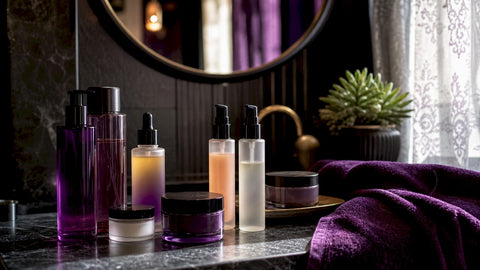
Gentle skincare ingredients are actives that hydrate, soothe, and repair the skin barrier without triggering irritation or inflammation. The industry term for this category is “skin-compatible” or “barrier-supportive” formulation, and it covers a specific set of well-studied compounds including ceramides, panthenol, and glycerin. Sensitive skin reacts to disruption at the stratum corneum level, so every ingredient you apply either supports or weakens that barrier. Choosing from a proven sensitive skin ingredient list is not a preference. It is the foundation of a routine that actually works.
1. The gentle skincare ingredients list: top 10 actives for sensitive skin
The following ingredients appear consistently in dermatology-backed formulations for reactive and sensitive skin. Each one has a defined function, a recommended concentration range, and a clear reason it belongs in your routine.
- Ceramides are lipids that make up roughly 50% of the skin’s outer barrier. They prevent transepidermal water loss and restore structural integrity after damage. Look for ceramide NP, AP, or EOP on the label.
- Glycerin is a humectant that draws moisture from the environment into the skin. Standard concentrations of 2–5% deliver hydration without heaviness.
- Hyaluronic acid holds up to 1,000 times its weight in water and works at concentrations of 0.1–2%. It plumps the skin surface and reduces the appearance of fine dehydration lines.
- Panthenol (Vitamin B5) at 3–5% concentration triggers measurable skin barrier repair in under two weeks. It also carries anti-inflammatory properties that calm redness.
- Colloidal oatmeal is an FDA-recognized skin protectant. It soothes itch, reduces redness, and forms a light protective film over reactive skin.
- Beta-glucan is a polysaccharide derived from oats or yeast. It activates skin repair pathways and reduces visible irritation, making it a strong alternative to colloidal oatmeal in lighter textures.
- Niacinamide (Vitamin B3) at 2–5% supports the skin barrier, reduces redness, and controls sebum without irritating sensitive skin. It pairs well with most other gentle actives.
- Bisabolol and allantoin are two of the most reliable calming agents in formulation. Bisabolol, derived from chamomile, reduces inflammation. Allantoin promotes cell turnover and skin smoothing without exfoliating harshly.
- Squalane is a lightweight, plant-derived emollient that mimics the skin’s natural sebum. It softens texture, does not clog pores, and suits even oily sensitive skin types.
- Zinc oxide is a physical UV filter that also carries anti-inflammatory and antimicrobial properties. It sits on top of the skin rather than penetrating it, making it the preferred sunscreen active for reactive skin.
Emerging actives worth noting include ectoin, a stress-protection molecule from extremophile bacteria, and mugwort extract, a staple in Korean skincare gentle formulas known for its calming and antioxidant effects.
2. How to read and interpret a mild skincare product ingredients list
Every cosmetic sold in the United States must list ingredients in descending order of concentration, following the International Nomenclature of Cosmetic Ingredients (INCI) standard. The first five ingredients typically make up the bulk of the formula. If a soothing active like panthenol appears near the bottom of a long list, it is present in a trace amount and will not deliver meaningful results.
Knowing what to avoid is as important as knowing what to seek. Denatured alcohol, parabens, sulfates, and artificial dyes are the most common irritants in mainstream formulations. Each one can trigger redness, dryness, or a compromised barrier in reactive skin types.
One of the most misunderstood areas on an ingredient label is the alcohol category. Fatty alcohols like cetyl alcohol and stearyl alcohol are moisturizing emollients that are safe for sensitive skin. Drying alcohols like Alcohol Denat. strip moisture and should be avoided entirely.
Pro Tip: Scan the label for the word “fragrance” or “parfum.” Both terms can mask dozens of undisclosed chemical compounds. Synthetic fragrances and essential oils, including natural ones like eucalyptus and citrus, are leading causes of allergic contact dermatitis in sensitive skin.
One more caution: cocamidopropyl betaine is widely classified as a mild surfactant, but contact sensitization occurs in 0.27–7.2% of dermatitis patients. That range is wide because the reaction often comes from manufacturing impurities rather than the ingredient itself. Brand quality matters here. A well-manufactured formula using high-purity cocamidopropyl betaine carries a much lower risk than a budget version with impurity-laden raw materials.
The fragrance-free trend in Korean skincare reflects exactly this shift. More brands are removing synthetic fragrance entirely and reformulating with cleaner, simpler ingredient decks.
3. Functional ingredient categories that support a gentle skincare routine
Sensitive skin care requires a balanced framework built on four functional categories: humectants, emollients, occlusives, and barrier lipids. No single ingredient covers all four roles. Effective formulas combine them.
| Category | Function | Key examples |
|---|---|---|
| Humectants | Attract and hold moisture in the skin | Glycerin, hyaluronic acid, panthenol |
| Emollients | Soften skin texture and fill surface gaps | Squalane, cetyl alcohol, stearyl alcohol |
| Occlusives | Seal moisture in and prevent water loss | Petrolatum, dimethicone, beeswax |
| Barrier lipids | Rebuild and strengthen the skin’s structure | Ceramides, cholesterol, fatty acids |
| Soothing agents | Reduce discomfort, redness, and inflammation | Allantoin, colloidal oatmeal, bisabolol |
Humectants work best when applied to damp skin. They pull moisture from the environment, but in very dry climates, they can pull from the deeper skin layers instead. Pairing a humectant with an occlusive seals the moisture in and prevents that reversal.
Barrier lipids like ceramides and cholesterol do not just hydrate. They physically rebuild the intercellular matrix of the stratum corneum. This is why ceramide-rich moisturizers show stronger long-term results for sensitive skin than humectant-only formulas. The role of hydration in Korean skincare is built on exactly this multi-layer approach.
Soothing agents sit in their own category because their primary job is not moisture. Allantoin, colloidal oatmeal, and bisabolol reduce the sensation of irritation and calm the inflammatory response. They work best when combined with the other four categories rather than used alone.
4. Situational recommendations: matching non-irritating skincare components to your skin concern
Your skin concern determines which categories to prioritize. A one-size routine does not work for sensitive skin because the triggers and needs vary significantly.
For dryness-triggered sensitivity: Lead with humectants and follow with a heavier occlusive. Glycerin at 2–5% in a serum, sealed with a petrolatum or dimethicone-based moisturizer, rebuilds hydration levels within days. Avoid exfoliants entirely until the barrier is stable.
For redness-prone or reactive skin: Prioritize anti-inflammatory actives. Niacinamide at 2–5%, panthenol, bisabolol, and colloidal oatmeal all reduce visible redness without adding chemical load. Keep the formula short. Fewer ingredients mean fewer potential triggers.
For oily but sensitive skin: Use lightweight humectants like hyaluronic acid and non-comedogenic emollients like squalane. Skip heavy occlusives. A gel-based moisturizer with niacinamide and beta-glucan delivers barrier support without a greasy finish.
Pro Tip: Introduce new actives slowly, one at a time, at night. Apply to a small patch of skin for 48 hours before full-face use. This method prevents barrier overload and makes it easy to identify which ingredient caused a reaction if one occurs.
Patch testing is non-negotiable for sensitive skin. Apply a small amount of any new product to the inner forearm or behind the ear. Wait 24–48 hours before applying it to your face. If you experience chronic sensitivity, redness that does not resolve, or recurring breakouts despite a gentle routine, consult a board-certified dermatologist. Some reactions indicate an underlying condition like rosacea or eczema that requires medical management, not just a better ingredient list.
Key takeaways
Sensitive skin responds best to a multi-category formula combining humectants, barrier lipids, emollients, occlusives, and soothing agents rather than any single active ingredient.
| Point | Details |
|---|---|
| Prioritize barrier lipids | Ceramides and cholesterol rebuild skin structure for lasting sensitivity relief. |
| Use proven concentrations | Glycerin at 2–5%, hyaluronic acid at 0.1–2%, and niacinamide at 2–5% deliver results. |
| Avoid key irritants | Remove denatured alcohol, synthetic fragrance, sulfates, and artificial dyes from your routine. |
| Understand alcohol types | Fatty alcohols like cetyl and stearyl are safe emollients; Alcohol Denat. strips moisture. |
| Introduce actives slowly | Patch test each new ingredient and add one at a time to avoid barrier overload. |
What I’ve learned about building a truly gentle routine
I’ve spent years reviewing ingredient decks across hundreds of Korean skincare products, and the pattern that stands out most is this: the best formulas are boring on paper. They repeat the same reliable actives at proven concentrations. They skip the trend ingredients. They do not smell like anything.
The biggest mistake I see is treating “natural” as a synonym for “gentle.” Eucalyptus oil, citrus extracts, and lavender are all natural. They are also among the most common contact allergens in skincare. The fragrance-free movement in Korean beauty is not a marketing angle. It reflects real clinical data on what actually reduces irritation rates.
I also think people underestimate how much manufacturing quality matters. Two products can list the same ingredients and perform completely differently. A ceramide complex sourced from a reputable supplier behaves differently than a low-cost version. This is especially true for cocamidopropyl betaine, where impurities in the raw material drive most of the sensitization reactions, not the ingredient itself.
My honest advice: build your routine around five to seven ingredients maximum. A glycerin-based toner, a ceramide moisturizer, a panthenol serum, and a zinc oxide sunscreen cover nearly every need for sensitive skin. Add niacinamide if redness is a concern. That is a complete, evidence-backed routine. Resist the pull toward a 12-step shelf. Simplicity is not a compromise. It is the strategy.
— Lunara
Gentle skincare products formulated for sensitive skin at Lunarashopping
Lunarashopping curates Korean skincare products built around the exact ingredient categories covered in this article: ceramides, humectants, soothing agents, and fragrance-free formulations designed for reactive skin.
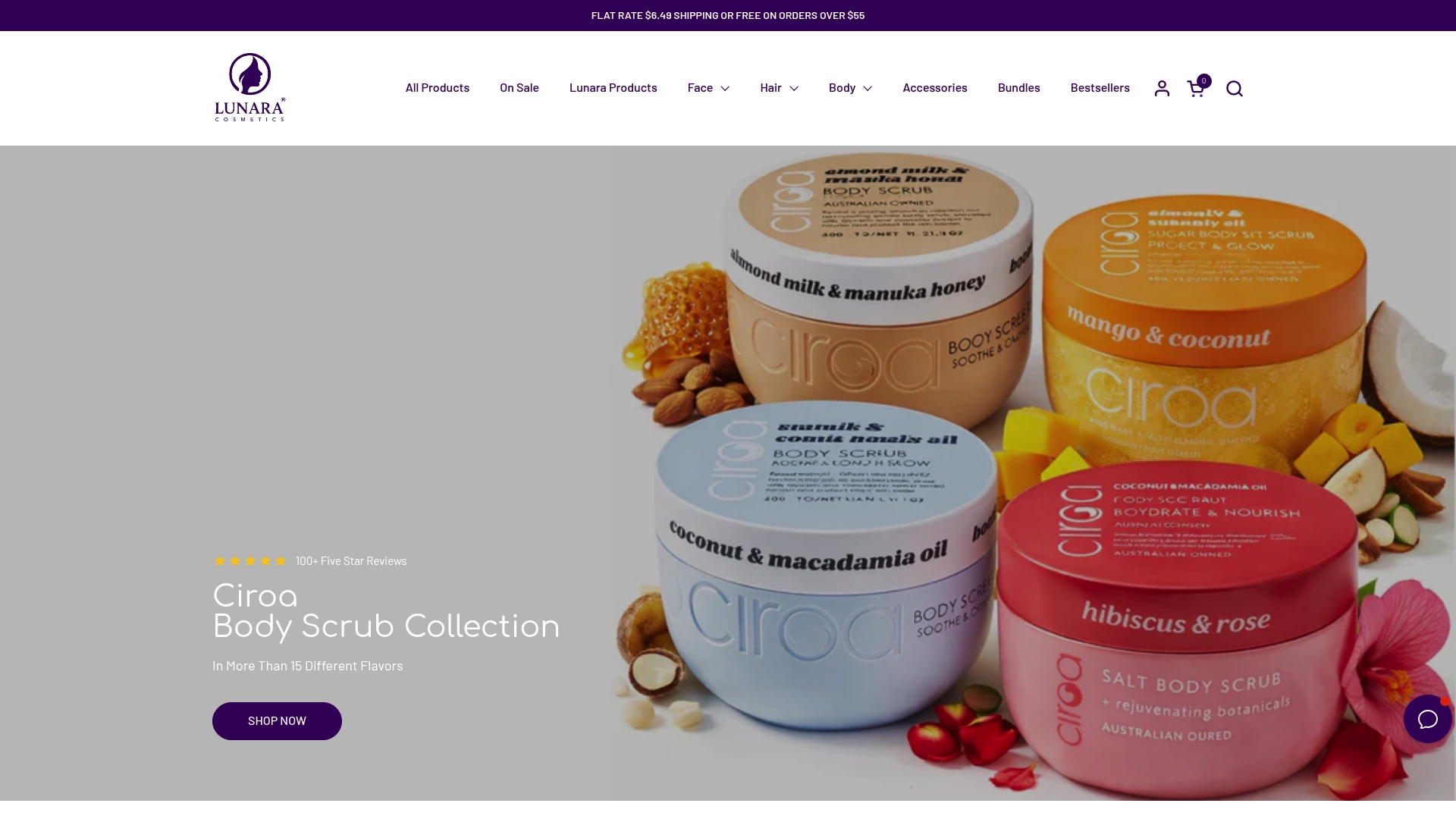
The Morning Face Care Routine Set brings together a balanced selection of gentle actives suited for daily use on sensitive skin. Each product in the set is chosen for its clean ingredient profile and barrier-supportive function. For a broader selection, the full face care collection includes targeted options for dryness, redness, and oily-sensitive skin types. Every product page lists the full ingredient deck so you can verify compatibility before you buy.
FAQ
What are the most important gentle skincare ingredients?
Ceramides, glycerin, hyaluronic acid, panthenol, and colloidal oatmeal are the most clinically supported gentle actives for sensitive skin. They hydrate, repair the barrier, and reduce inflammation without causing irritation.
What ingredients should sensitive skin avoid?
Sensitive skin should avoid denatured alcohol, synthetic fragrances, sulfates, parabens, and artificial dyes. Natural essential oils like eucalyptus and citrus also cause allergic contact dermatitis in reactive skin types.
Is niacinamide safe for sensitive skin?
Niacinamide at 2–5% is safe and beneficial for sensitive skin. It reduces redness, supports the skin barrier, and controls sebum without irritating reactive skin types.
How do I know if an alcohol in my product is safe?
Fatty alcohols like cetyl alcohol and stearyl alcohol are safe, moisturizing emollients. Drying alcohols like Alcohol Denat. strip moisture and should be avoided by anyone with sensitive or reactive skin.
How should I introduce new skincare actives on sensitive skin?
Add one new active at a time, apply it at night, and patch test on the inner forearm for 48 hours before full-face use. This method reduces the risk of barrier overload and makes reactions easier to identify.