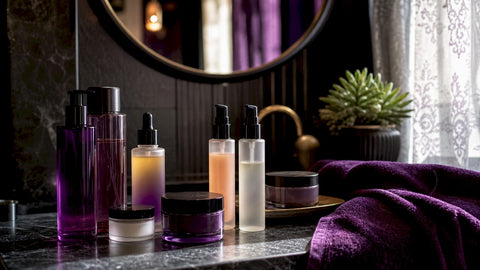
Korean essences are defined as treatment-focused skincare products that deliver 10–20% higher concentrations of active ingredients than standard toners, which typically contain less than 5%. The types of Korean essences fall into three primary ingredient archetypes: Ferment-based, Snail Mucin-based, and Calming Botanical. Each archetype targets distinct skin concerns, from brightness and barrier repair to redness relief. Prices typically range from $25 to $110 for 50–150 ml bottles, making them accessible at multiple budget levels. Understanding which archetype fits your skin is the fastest way to get real results from your routine.
1. What are the types of Korean essences?
Korean skincare essences are categorized by their three core archetypes: Ferment-based, Snail Mucin-based, and Calming Botanical. These categories reflect the dominant active ingredient and the skin concern each formula addresses. Ferment essences target brightness and cell renewal. Snail mucin essences focus on hydration and repair. Calming botanical essences reduce redness and irritation.
Each type sits in the same step of your routine, applied after cleansing and toning, before serums and moisturizers. The difference lies in what they deliver to your skin at the cellular level. Choosing the right archetype depends on your skin’s current condition, not just your skin type.
2. Ferment-based Korean essences and their benefits
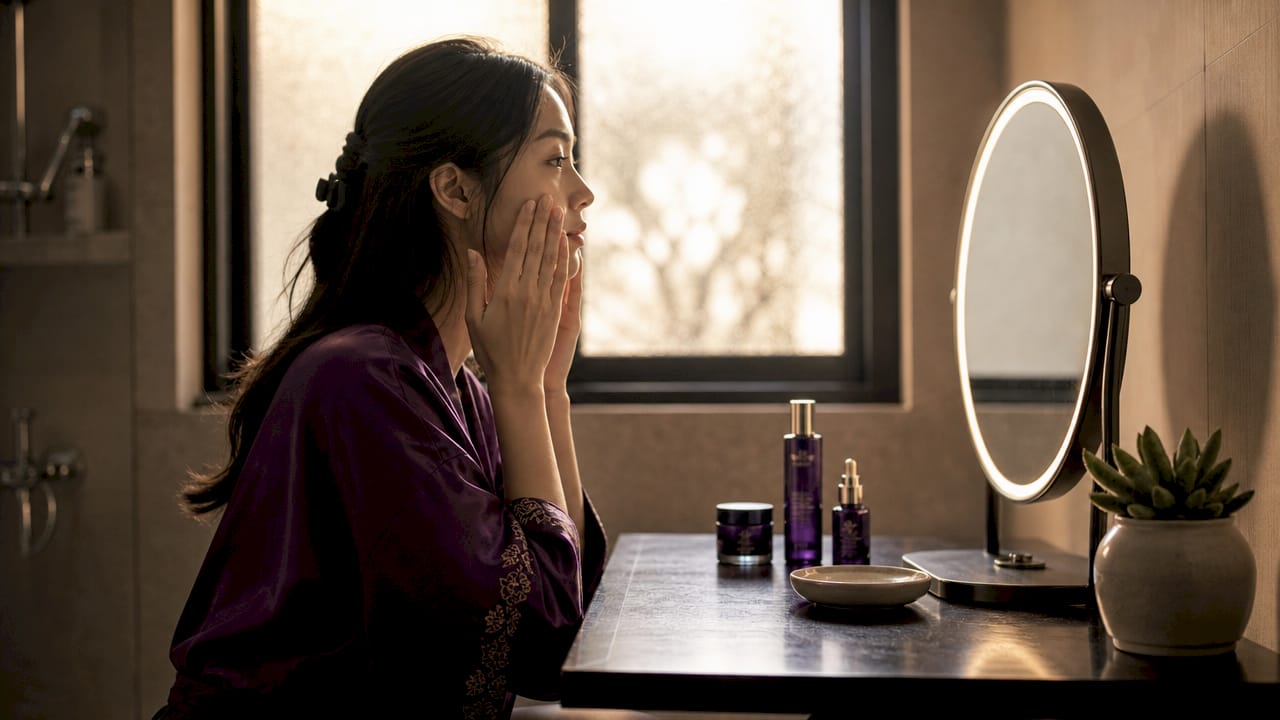
Ferment-based essences use ingredients that have been broken down through controlled microbial processes. This fermentation reduces molecular size, which means fermented ingredients absorb 2–3 times faster into the skin than their non-fermented counterparts. That speed of absorption translates directly into better hydration delivery and more efficient cell renewal.
The most recognized ferment ingredients in Korean skincare are Galactomyces ferment filtrate and Pitera, a yeast-derived filtrate. Galactomyces is rich in amino acids, vitamins, and minerals that brighten uneven skin tone and refine texture. Pitera supports natural skin renewal and has been studied for its ability to improve clarity and smoothness over consistent use.
Ferment essences work best for:
- Dull or uneven skin tone seeking a brighter, smoother finish
- Oily and combination skin types that need lightweight hydration
- Skin showing early signs of aging, including fine lines and loss of radiance
- Anyone building tolerance to stronger actives like vitamin C or retinol
Pro Tip: Apply your ferment essence while your skin is still slightly damp after toning. The sponge effect created by damp skin significantly increases how much product your skin actually absorbs.
3. How snail mucin-based Korean essences support skin repair
Snail mucin essences are built around snail secretion filtrate, a complex compound naturally rich in glycoproteins, hyaluronic acid, glycolic acid, and zinc. These components work together to hydrate, soothe, and physically repair the skin barrier. Some formulas contain up to 96% snail secretion filtrate alongside additional hydration boosters, making them among the most concentrated repair products in Korean skincare.
The repair mechanism is what sets snail mucin apart from other essence types. Glycoproteins stimulate collagen production and accelerate wound healing. Glycolic acid provides mild keratolytic action, gently loosening dead skin cells without the irritation of stronger chemical exfoliants. This combination makes snail mucin essences particularly effective for post-inflammatory hyperpigmentation and skin recovering from breakouts or environmental stress.
Snail mucin essences are ideal for:
- Dry or dehydrated skin that needs deep, lasting moisture
- Sensitive or compromised skin barriers, including post-procedure recovery
- Skin with blemish marks or mild hyperpigmentation
- Anyone in a recovery phase after using strong actives
The texture of snail mucin essences is typically slightly viscous and gel-like. They absorb fully within 30–60 seconds when pressed gently into the skin rather than rubbed. Layering a snail mucin essence under a richer moisturizer at night creates a strong barrier-repair protocol for damaged or reactive skin.
4. What are calming botanical essences and when should you use them?
Calming botanical essences use plant-derived ingredients with documented anti-inflammatory and soothing properties. The most active botanicals in Korean skincare include heartleaf (Houttuynia cordata), centella asiatica, and mugwort (Artemisia). Each brings a distinct mechanism: heartleaf controls sebum and reduces redness, centella supports collagen synthesis and barrier repair, and mugwort calms irritation while delivering antioxidant protection.
These essences are thinner in texture than snail mucin formulas and absorb almost instantly. That lightweight quality makes them well-suited for layering in multi-step routines without adding heaviness. They function differently from ferment essences because their primary goal is calming, not brightening or accelerating cell turnover.
Calming botanical essences are most effective for:
- Reactive or sensitized skin prone to flushing and redness
- Skin experiencing barrier disruption from over-exfoliation or harsh weather
- Acne-prone skin that needs blemish control without added irritation
- Seasonal transitions, particularly in winter when skin becomes more reactive
Pro Tip: If your skin is going through a reactive phase, swap your ferment essence for a heartleaf or centella formula for two to four weeks. This gives your barrier time to recover before reintroducing brightening actives.
Botanical essences also work well as a calming step for acne-prone skin, reducing the inflammation that drives post-breakout marks.
5. How to choose and layer Korean essences for your routine
Choosing between ferment, snail mucin, and botanical essences starts with identifying your skin’s primary concern right now. Brightness and texture call for ferment. Repair and deep hydration call for snail mucin. Redness and sensitivity call for botanicals. Your skin’s needs shift with seasons, stress, and routine changes, so your essence choice should shift too.
The layering sequence for essences follows a consistent rule: apply from thinnest to thickest consistency. Botanical essences go first because they are the most watery. Ferment essences come next. Snail mucin essences, being slightly thicker, layer last before your serum.
A practical morning versus evening approach:
- Morning: Ferment essence for brightening and antioxidant prep before SPF
- Evening: Snail mucin or botanical essence for repair and recovery overnight
- Rotation: Experts recommend rotating based on skin needs rather than committing to a single product permanently
Common beginner mistakes to avoid:
- Applying essence on completely dry skin, which reduces absorption
- Using too much product and expecting faster results
- Layering three or more essences without allowing each to absorb fully
- Choosing an essence based on packaging or scent rather than ingredient function
Essences act as an initial moisture layer that enhances how well your serums and moisturizers penetrate afterward. Skipping this step when using retinol or vitamin C means those actives work on a less-prepared surface, which increases the risk of irritation.
| Essence type | Primary benefit | Best skin concern | Texture |
|---|---|---|---|
| Ferment-based | Brightness, cell renewal | Dullness, uneven tone | Watery to light |
| Snail mucin-based | Hydration, barrier repair | Dryness, sensitivity | Slightly viscous |
| Calming botanical | Redness relief, soothing | Reactive, acne-prone | Very watery |
6. Expert tips and overlooked essence types worth trying
Viscosity is an unreliable way to identify what an essence actually does. A thin, water-like formula can contain a high concentration of Galactomyces, while a thicker gel might be mostly water with minimal actives. Ingredient concentration and application order are far more reliable guides than how a product feels in the bottle.
Two hybrid categories have grown significantly in 2026: essence toners and first essences. Essence toners carry the function of a toner but the active ingredient load of an essence. They are applied immediately after cleansing, before a standard essence. First essences, a category pioneered in Korean skincare, are applied as the very first step post-cleanse and typically contain fermented filtrates at high concentrations to prime the skin for everything that follows.
Additional ingredients gaining attention in 2026:
- Bifida ferment lysate: A probiotic-derived ingredient that strengthens the microbiome and reduces sensitivity
- Beta-glucan: A polysaccharide that outperforms hyaluronic acid in some hydration studies for dry skin
- Niacinamide-ferment blends: Combining brightening and barrier support in a single formula
Budget versus premium options follow a clear pattern. Entry-level essences in the $25–$45 range typically feature a single hero ingredient at a reliable concentration. Premium options in the $70–$110 range often combine multiple ferment filtrates or include patented delivery systems that improve penetration. Neither tier is universally better. Your skin’s response to the ingredient matters more than the price point.
Pro Tip: If you are new to Korean skincare essences, start with a 10-step routine guide to understand where essences fit before adding multiple types at once.
Consistent, long-term use is what delivers results. Improved elasticity, brightness, and hydration from essences build over weeks, not days. Expecting visible change within three to five applications leads to premature product switching, which prevents you from seeing what an essence can actually do.
Key takeaways
The most effective approach to Korean essences is choosing your archetype based on your skin’s current primary concern, then applying on damp skin in the correct layering order.
| Point | Details |
|---|---|
| Three core archetypes | Ferment, snail mucin, and calming botanical essences each address distinct skin concerns. |
| Higher active concentration | Essences contain 10–20% active ingredients versus less than 5% in toners, making them treatment-grade. |
| Apply on damp skin | The sponge effect on damp skin increases absorption and maximizes each essence’s benefit. |
| Rotate by skin need | Use ferment in the morning for brightness and calming botanicals at night for recovery. |
| Consistency drives results | Elasticity, hydration, and brightness improvements build over weeks of regular use, not days. |
Why I think most people pick the wrong essence first
Most skincare enthusiasts reach for a ferment essence first because the marketing around Galactomyces and Pitera is the loudest. I understand the appeal. Brightness is a visible, motivating result. But in my experience working with Korean skincare products, the readers who see the fastest improvement are the ones who start with a calming or snail mucin formula to repair their barrier before introducing brightening actives.
Daily essence use works because a well-hydrated, intact barrier tolerates retinoids and vitamin C far better than a compromised one. Dr. Y. Claire Chang has noted that essences have become foundational to barrier health, not just a bonus step. That shift in thinking changes how you build a routine.
The other mistake I see often is abandoning an essence after two weeks because results are not dramatic. Essences are not instant-result products. They are infrastructure. The brightness and elasticity improvements come from consistent use over four to eight weeks. Patience here is not passive. It is the actual strategy.
My honest recommendation: if your skin is reactive, sensitized, or recovering from anything, start with a centella or heartleaf botanical essence for one full month. Then layer in a ferment essence in the morning. That sequence builds a foundation that makes every other active in your routine work better.
— Lunara
Korean essence collections curated for your routine
Lunarashopping carries a curated selection of Korean skincare products organized by skin concern and routine step, so you are not guessing which formula fits your needs.
The morning routine set includes essences and complementary products designed to work together for hydration and radiance from the first step. For a broader look at face care options across all skin types, the full face care collection covers every step from cleansing through treatment. Each product in the Lunarashopping catalog is selected for ingredient quality and compatibility with layered Korean skincare routines, so you can build confidently without second-guessing your choices.
FAQ
What is a Korean essence used for?
A Korean essence delivers a high concentration of active ingredients, typically 10–20%, to hydrate, repair, and prepare the skin for serums and moisturizers. It is applied after toning and before treatment steps.
What is the difference between a Korean toner and an essence?
Toners contain less than 5% active ingredients and primarily balance the skin’s pH. Essences carry significantly higher active concentrations and function as a treatment step focused on hydration, brightness, or repair.
Can you layer multiple types of Korean essences?
Yes. Apply them from thinnest to thickest texture, allowing each to absorb before the next. A common approach is a botanical essence first, followed by a ferment or snail mucin formula.
How long does it take to see results from a Korean essence?
Consistent use over four to eight weeks produces measurable improvements in hydration, brightness, and skin elasticity. Results build gradually and are not visible within the first few applications.
Are Korean essences suitable for sensitive skin?
Calming botanical essences containing centella asiatica, heartleaf, or mugwort are well-suited for sensitive skin. Snail mucin essences also work for compromised or reactive skin due to their soothing and barrier-repair properties.