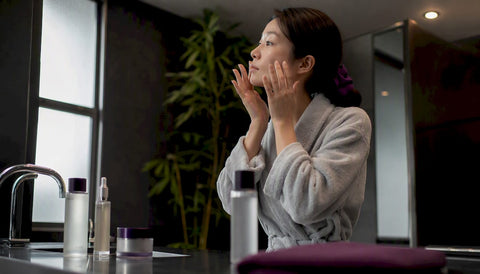
Sensitive skin is a tendency for your skin to react with stinging, burning, itching, or tightness to stimuli that don’t affect most people, and those reactions may occur with or without any visible redness or rash. The International Forum for the Study of Itch (IFSI) formally defines it as a syndrome of unpleasant sensory responses to stimuli that should normally be well tolerated. If you suspect your skin fits this description, three steps help immediately: strip your routine down to a gentle cleanser, a fragrance-free moisturizer, and a mineral sunscreen; stop any product you introduced in the past two to four weeks; and do a small patch test on your inner forearm before reintroducing anything new. The Cleveland Clinic and CeraVe both emphasize that simplifying your routine is the single most effective first move, because fewer products mean fewer potential triggers.
Table of Contents
- What is sensitive skin type, clinically speaking?
- Objective vs. subjective: the two main forms of sensitive skin
- What does sensitive skin actually feel like?
- What causes sensitive skin? Triggers by category
- How does a dermatologist diagnose sensitive skin?
- How to know if you have sensitive skin at home
- Building a daily skincare routine for sensitive skin
- Adapting sensitive skin care by skin type
- Daily habits that help prevent sensitive skin flare-ups
- When should you see a dermatologist?
- Why your skin can feel irritated with no visible rash
- Sensitive skin vs. allergies vs. skin infections
- The emotional and psychological impact of sensitive skin
- What happens if sensitive skin goes unmanaged?
- Key Takeaways
- Lunara’s perspective on sensitive skin care
- Gentle Korean skincare for sensitive skin, from Lunarashopping
- Useful sources for further reading
What is sensitive skin type, clinically speaking?
Sensitive skin is not a single diagnosis. Dermatologists and researchers treat it as a clinical syndrome, meaning a cluster of symptoms that can have several underlying causes rather than one definitive disease. The IFSI Delphi consensus defines it specifically as unpleasant sensations (stinging, burning, pain, pruritus, tingling) triggered by stimuli that should not provoke such reactions, and it notes that these symptoms can occur with or without visible skin changes.
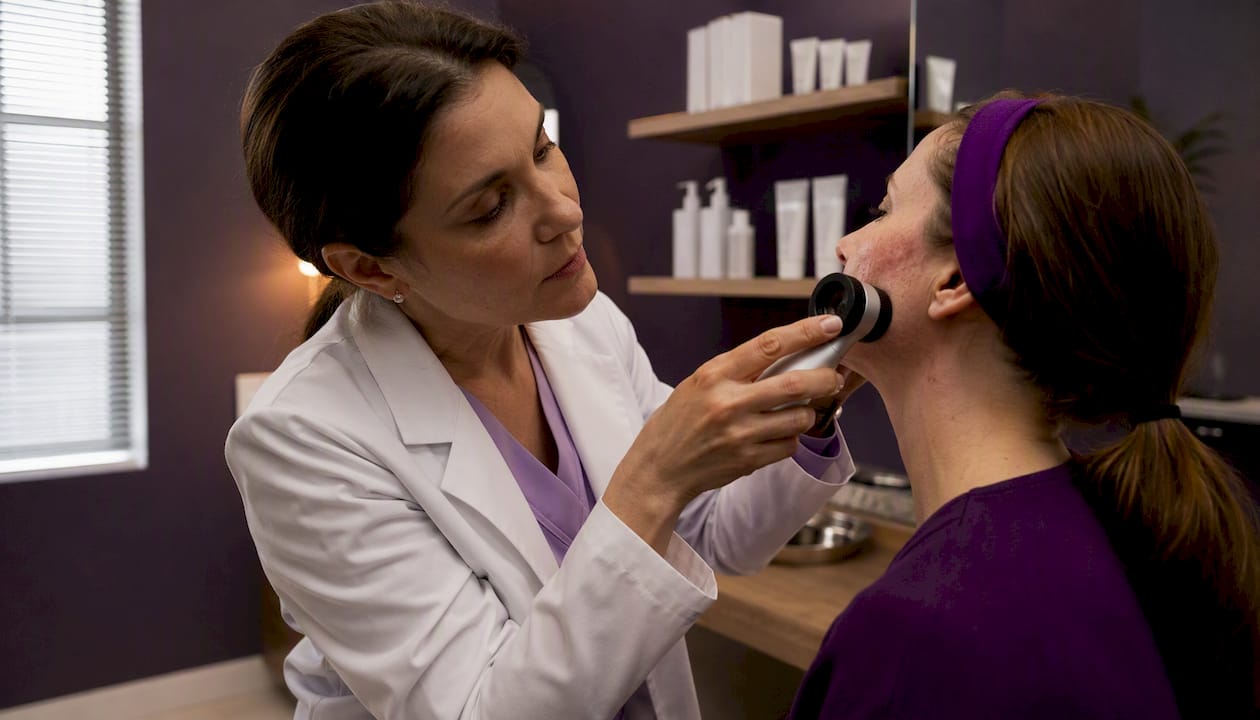
That distinction matters for how you interpret your own experience. You might feel your skin burning after applying a toner and see nothing in the mirror. That is still sensitive skin by the clinical definition.
How common is it? Population surveys consistently show that self-reported sensitivity is widespread.
| Population group | Approximate self-reported prevalence |
|---|---|
| Women | 39%–50% |
| Men | ~40% |
| General adult population | 39%–50% of women and about 40% of men, according to population surveys |
Sensitive skin can appear alongside a completely normal skin type, or it can co-exist with conditions like rosacea, atopic dermatitis (eczema), or contact dermatitis. A peer-reviewed PMC review notes that the pathophysiology and treatment of sensitive skin are still under active study, which is why a dermatologist’s evaluation remains the gold standard when symptoms are persistent or severe.
Objective vs. subjective: the two main forms of sensitive skin
Understanding which form you have shapes how you manage it. Clinicians generally split sensitive skin into two presentations.
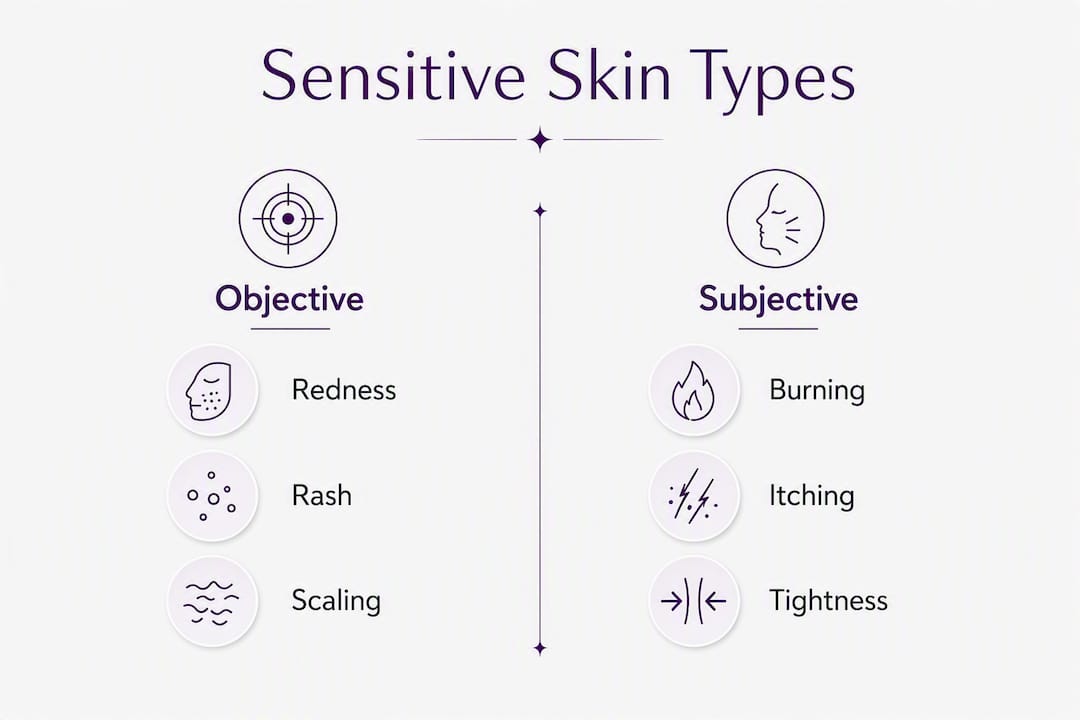
Objective sensitive skin produces visible signs. Redness, papules, scaling, or dermatitis are present and can be observed during a clinical exam. These visible changes often link to conditions like rosacea, irritant contact dermatitis, or atopic eczema. The Cleveland Clinic describes this form as one where erythema and papules are part of the picture, and diagnosis typically involves ruling out those underlying conditions.
Subjective sensitive skin is the form that confuses many people because nothing looks wrong. Sensory discomfort (burning, stinging, tightness) occurs without dermatologic lesions. This is the more common presentation in population surveys and the one most directly addressed by the IFSI position paper.
| Feature | Objective form | Subjective form |
|---|---|---|
| Visible signs | Yes (redness, rash, scaling) | No visible changes |
| Common associations | Rosacea, eczema, contact dermatitis | Overactive sensory nerves, barrier dysfunction |
| Typical triggers | Allergens, harsh surfactants, UV | Cosmetics, temperature, stress, wind |
| Diagnosis path | Clinical exam, patch testing, biopsy if needed | Symptom history, product elimination, exclusion of other causes |
Common subtype patterns worth knowing: rosacea-associated sensitivity tends to flare with heat, alcohol, and spicy food; atopic-prone skin often has a compromised barrier that lets irritants penetrate more easily; irritant contact patterns usually follow a clear cause-and-effect with a specific product or material.
What does sensitive skin actually feel like?
The sensory experience of sensitive skin is often more prominent than what you can see. Core symptoms include:
- Stinging or burning after applying cleansers, toners, or actives
- Itching or pruritus that may be diffuse rather than localized
- Tingling that starts within minutes of product application or environmental exposure
- Tightness after washing, especially in cold or dry air
- Redness that appears and fades, often within an hour of exposure
- Dryness and flaking when the barrier is compromised
- Small bumps or papules in the objective form, particularly around the nose and cheeks
Symptom timing is a useful clue. Reactions that appear within minutes to an hour of exposure suggest an irritant response. Reactions that develop over 24–48 hours are more consistent with allergic contact dermatitis, which requires formal patch testing to confirm.
Many people with sensitive skin have sensory symptoms and no visible changes at all. That experience is valid and clinically recognized.
When to treat symptoms as a red flag: If you develop a painful, blistering, or rapidly spreading rash; notice signs of infection (warmth, swelling, pus, fever); or experience facial swelling or difficulty breathing after product use, stop all products immediately and seek medical care. These presentations go beyond sensitive skin and require urgent evaluation.
What causes sensitive skin? Triggers by category
Sensitive skin usually results from a combination of a weakened skin barrier and heightened sensory nerve activity, both of which make the skin more permeable to irritants and more responsive to stimulation. DermNet NZ identifies barrier weakness as a central contributing mechanism, and the IFSI literature links sensory symptoms to altered cutaneous nerve signaling.

| Trigger category | Common examples |
|---|---|
| Chemical | Fragrance (synthetic and natural), essential oils, sulfates (SLS/SLES), alcohol denat., some preservatives (MI/MCI), high-concentration AHAs |
| Environmental | UV radiation, wind, cold air, heat, humidity changes, air pollution, hard water |
| Behavioral / lifestyle | Over-exfoliation, hot showers, stress, sleep deprivation, hormonal fluctuations, certain medications |
Cumulative exposure is an underappreciated factor. Your skin may tolerate a fragrance-containing moisturizer on its own, but combine it with a scented sunscreen and a toner containing alcohol and the total irritant load can push you over the threshold. This is why simplifying your routine often brings relief even before you identify a single specific trigger.
Pro Tip: After a two-week simplified routine (gentle cleanser, plain moisturizer, mineral sunscreen only), reintroduce one product at a time and wait at least two weeks before adding the next. This slow reintroduction is the most reliable way to pinpoint what your skin actually reacts to, rather than guessing.
Choosing fragrance-free skincare is one of the highest-impact changes you can make early in this process, since fragrance is the most frequently cited chemical trigger across clinical reviews.
How does a dermatologist diagnose sensitive skin?
There is no single lab test that confirms sensitive skin. Diagnosis is a process of evaluation and exclusion.
- Detailed symptom history. The clinician asks about symptom onset, duration, specific triggers, products used, and whether reactions are immediate or delayed.
- Physical examination. The skin is examined for visible signs: redness, scaling, papules, lichenification, or signs of rosacea, eczema, or psoriasis.
- Differential diagnosis. The clinician considers and rules out rosacea, atopic dermatitis, allergic contact dermatitis, seborrheic dermatitis, and psoriasis before settling on a sensitive skin diagnosis.
- Patch testing. When allergic contact dermatitis is suspected, standardized patch testing applies a panel of common allergens to the back and reads results at 48 and 96 hours. This identifies specific contact allergens and is read over multiple days in a clinical setting.
- Dermatoscopy. A handheld dermatoscope may be used to examine vascular patterns, which helps distinguish rosacea from other causes of facial redness.
- Biopsy (when indicated). If the diagnosis remains unclear or a serious inflammatory condition is suspected, a small skin biopsy may be taken for histological analysis.
Key points about patch testing:
- Home patch testing (applying a small amount of a product to your inner forearm for 24–48 hours) can help identify obvious irritants, but it cannot replace formal dermatology patch testing, which identifies specific contact allergens using standardized concentrations.
- A negative home patch test does not rule out allergic contact dermatitis.
- Referral to allergy/immunology is appropriate when a systemic allergic component is suspected or when patch testing results are complex to interpret.
How to know if you have sensitive skin at home
Self-assessment works best as a structured process, not a single moment of observation.
- Simplify your routine for two weeks. Use only a gentle, fragrance-free cleanser, a plain moisturizer with ceramides or glycerin, and a mineral sunscreen. Stop all actives, toners, serums, and exfoliants.
- Note your baseline. Record how your skin feels morning and evening: any stinging, tightness, redness, or itching, and when it occurs.
- Perform a forearm patch test before reintroducing any product. Apply a small amount to your inner forearm twice daily for five to seven days. If no reaction occurs, apply to a small area of your face for another three to five days before full use.
- Reintroduce one product at a time, waiting at least two weeks between additions.
- Keep an elimination diary throughout.
Simple elimination diary template:
Record the product name and full ingredient list, the time you applied it, any symptoms and when they appeared, how long they lasted, and a photo if redness or a rash is visible. After four to six weeks, patterns become clear.
DIY testing has real limits. If your symptoms are severe, persistent despite simplification, or accompanied by any of the red flags listed earlier, formal patch testing with a board-certified dermatologist is the appropriate next step rather than continued self-testing.
Building a daily skincare routine for sensitive skin
A well-structured routine for sensitive skin uses the fewest effective steps and prioritizes barrier support. Korean skincare gentle formulas are particularly well-suited here because K-beauty has long emphasized low-irritant, hydration-first formulations.
Sample AM routine:
- Rinse with cool water or use a gentle, non-foaming, fragrance-free cleanser.
- Apply a hydrating toner or essence (water-based, alcohol-free, fragrance-free).
- Apply a lightweight moisturizer containing ceramides, glycerin, or panthenol.
- Finish with a broad-spectrum mineral sunscreen (SPF 30 or higher).
Sample PM routine:
- Double cleanse if you wore sunscreen or makeup: oil cleanser first, then a gentle water-based cleanser.
- Apply a calming serum or essence if needed (niacinamide at 2%–5% is generally well tolerated).
- Apply a richer moisturizer or barrier cream to lock in hydration overnight.
Ingredients to favor:
- Ceramides (restore barrier lipids)
- Glycerin (humectant, draws moisture to the skin)
- Panthenol / provitamin B5 (soothing, supports repair)
- Niacinamide at low concentrations (anti-inflammatory, barrier-supporting)
- Centella asiatica extract (calming, widely used in K-beauty for sensitivity)
- Colloidal oatmeal (clinically recognized for itch relief)
Ingredients to use cautiously:
- Strong AHAs (glycolic acid above 5%–7%) and BHAs at high concentrations
- High-strength retinoids (start at 0.025% if your clinician recommends retinoids)
- High-concentration vitamin C (L-ascorbic acid above 10% can sting sensitized skin)
- Fragrance (synthetic or natural), essential oils, alcohol denat.
Pro Tip: Introduce one new active at a time and allow two to four weeks of consistent use before evaluating its effect. Layering multiple actives simultaneously makes it impossible to identify which one caused a reaction.
For sunscreen, mineral filters (zinc oxide, titanium dioxide) are generally better tolerated than chemical UV filters by people with sensitive skin. A lightweight, fragrance-free mineral SPF is a non-negotiable daily step regardless of skin type.
Adapting sensitive skin care by skin type
Sensitive skin does not look the same across all skin types, and your routine should reflect that.
Dry sensitive skin tends to have the most compromised barrier. Prioritize richer emollients and occlusive ingredients (shea butter, squalane, petrolatum in a thin layer at night). Avoid foaming cleansers, which strip residual lipids. A winter dry skin guide covers seasonal adjustments that are especially relevant here.
Oily sensitive skin is common and often misunderstood. Oiliness does not protect against sensitivity. Use lightweight, gel-based moisturizers that provide barrier support without occlusion. A non-foaming gel cleanser or micellar water keeps sebum in check without stripping. Oil-free, fragrance-free mineral sunscreen is the right finish.
Combination sensitive skin requires a zoned approach:
- Apply a richer moisturizer to drier areas (cheeks, jaw) and a lighter gel to the T-zone.
- Avoid applying the same product uniformly across the face if different zones react differently.
- Fragrance-free formulations remain the baseline for every zone.
Acne-prone sensitive skin is the most challenging to manage because many acne treatments are inherently irritating.
- Prioritize barrier repair first. A compromised barrier makes acne treatments more likely to cause stinging and peeling.
- Choose non-comedogenic moisturizers labeled as such.
- Introduce benzoyl peroxide at 2.5% rather than 5%–10%, and only under clinician guidance.
- Low-concentration retinoids (0.025% tretinoin or a retinol at 0.1%–0.3%) applied every other night reduce the risk of barrier disruption.
- Avoid physical scrubs and harsh toners, which worsen both sensitivity and barrier compromise.
| Skin type | Cleanser texture | Moisturizer texture | Key priority |
|---|---|---|---|
| Dry sensitive | Cream or milk, non-foaming | Rich emollient or balm | Barrier occlusion, lipid replenishment |
| Oily sensitive | Gel, non-foaming | Lightweight gel or fluid | Barrier support without pore occlusion |
| Combination sensitive | Gentle gel or micellar | Zoned application | Targeted hydration by area |
| Acne-prone sensitive | Non-foaming, low-surfactant | Non-comedogenic lotion | Barrier repair before actives |
Daily habits that help prevent sensitive skin flare-ups
Consistent daily habits reduce the frequency and severity of reactions over time. The following checklist covers the highest-impact behaviors.
- Cleanse with cool or lukewarm water. Hot water disrupts the lipid barrier and increases transepidermal water loss.
- Moisturize within two to three minutes of washing while skin is still slightly damp to seal in hydration.
- Apply mineral sunscreen every morning, including overcast days and indoors near windows.
- Limit exfoliation to once a week at most, using a gentle chemical exfoliant rather than a physical scrub.
- Reduce fragrance exposure across all products: skincare, laundry detergent, fabric softener, and household cleaners.
- Manage stress through consistent sleep, physical activity, and whatever stress-reduction practice you sustain. Stress elevates cortisol, which impairs barrier function and amplifies sensory nerve responses.
- Drink adequate water and maintain a diet that supports skin health (omega-3 fatty acids, antioxidant-rich foods).
- Protect skin from wind and cold with a physical barrier (scarf, hat) during seasonal transitions.
Seasonal changes deserve specific attention. Cold, dry winter air reduces ambient humidity and accelerates moisture loss; summer heat and UV both increase inflammatory potential. Adjusting your moisturizer weight and sunscreen SPF with the seasons is a practical, evidence-aligned habit. Self-care skincare best practices covers these seasonal adjustments in more detail.
Pro Tip: Keep a simple “good skin day / bad skin day” log for one month. Note weather, stress level, sleep, and products used. Patterns that emerge from this log often reveal environmental triggers you had not considered.
The emotional side of sensitive skin is real. Constantly monitoring your skin, avoiding social situations because of visible redness, or feeling anxious about trying new products takes a toll. Setting realistic expectations (improvement over weeks, not days) and focusing on a stable, minimal routine reduces that mental load considerably.
When should you see a dermatologist?
Self-care works for mild, stable sensitive skin. The following signs indicate that professional evaluation is the right next step.
Red flags requiring prompt evaluation:
- A rash that is painful, blistering, or spreading rapidly
- Signs of skin infection: warmth, swelling, pus, crusting, or fever
- Facial swelling or any systemic symptoms after product use
- Symptoms that persist or worsen despite four to six weeks of a simplified, gentle routine
- Suspected rosacea, eczema, or psoriasis that has not been formally diagnosed
Trusted clinical guidance warns that self-treatment and trial-and-error can mask rosacea, allergic contact dermatitis, or other treatable conditions, which is why professional evaluation matters when symptoms are persistent.
What to bring to your appointment:
- Photos of your skin during a flare (taken on your phone is fine)
- Your product diary or elimination log
- A list of all current medications and supplements
- A timeline of when symptoms started and what changed around that time
- Any previous allergy test results
At the appointment, expect a physical exam, a detailed history, and possibly a referral for patch testing. If rosacea or atopic dermatitis is suspected, prescription topical therapies (azelaic acid, topical calcineurin inhibitors, low-potency corticosteroids) may be discussed. Urgent care is appropriate only for the red-flag presentations listed above.
Why your skin can feel irritated with no visible rash
The science behind subjective sensitive skin has advanced considerably. The IFSI special interest group paper links subjective symptoms directly to altered cutaneous nerve activity and thermosensitive ion channels, particularly TRPV1 (transient receptor potential vanilloid 1), rather than to a primary immune or inflammatory disorder.
TRPV1 channels in skin nerve endings respond to heat, acidic pH, capsaicin, and certain cosmetic ingredients. In people with subjective sensitive skin, these channels appear to have a lower activation threshold, meaning stimuli that would not register for most people trigger a genuine sensory response. This is not imagined discomfort. It is a measurable difference in how cutaneous nerves process environmental signals.
Key clinical implication: Because subjective sensitive skin is driven by sensory nerve sensitization rather than immune activation, barrier repair and trigger reduction are the primary treatment strategies. Immunomodulatory drugs (such as systemic immunosuppressants) are not routinely recommended for sensitive skin without a confirmed inflammatory diagnosis like atopic dermatitis.
This neuro-sensory framing also explains why the same product can cause burning in one person and no reaction in another, even when both have intact-looking skin. Individual variation in TRPV1 expression and cutaneous nerve density is a real biological difference, not a matter of tolerance or willpower.
Sensitive skin vs. allergies vs. skin infections
These three conditions feel similar but have distinct mechanisms, timelines, and treatments.
Sensitive skin (irritant response) produces symptoms quickly, often within minutes of exposure, and resolves when the trigger is removed. No immune memory is involved. The same product may cause a milder reaction on a day when your barrier is stronger.
Allergic contact dermatitis is an immune-mediated Type IV hypersensitivity reaction. It requires prior sensitization to an allergen, and the reaction typically appears 24–72 hours after re-exposure. The rash is often more defined, may blister, and does not resolve simply by removing the product. Formal patch testing is the only reliable way to identify the specific allergen.
Skin infections (bacterial, fungal, or viral) produce distinct signs: warmth, swelling, pus, crusting, or fever. They do not resolve with skincare changes and require antimicrobial or antiviral treatment. If you suspect an infection, stop all skincare products on the affected area and see a clinician promptly.
The practical takeaway: if your skin reacts immediately and calms down when you stop a product, irritant sensitivity is the likely explanation. If the reaction is delayed, worsening, or accompanied by systemic symptoms, an allergic or infectious cause needs to be ruled out professionally.
The emotional and psychological impact of sensitive skin
Living with sensitive skin affects more than your complexion. Constantly scanning ingredient lists, avoiding social situations because of visible redness, or feeling anxious before trying any new product creates a low-grade but persistent stress that compounds the physical experience.
Research in dermatology quality-of-life measures consistently shows that visible skin conditions reduce self-confidence and social participation. For sensitive skin specifically, the unpredictability of reactions adds a layer of anxiety that is distinct from conditions with more stable presentations. You may feel fine for weeks, then react to a product you have used before, which makes the condition feel uncontrollable.
Practical strategies that help: anchor your routine to a small set of products you know are safe, and resist the urge to experiment during periods of high stress or hormonal change when your skin is already more reactive. Connecting with a board-certified dermatologist for a confirmed diagnosis also reduces anxiety by replacing uncertainty with a clear management plan.
What happens if sensitive skin goes unmanaged?
Ignoring persistent sensitive skin is not a neutral choice. Without consistent barrier support and trigger avoidance, several complications can develop over time.
A chronically compromised barrier becomes increasingly permeable, which means more irritants and allergens penetrate the skin more easily, raising the risk of developing true allergic contact dermatitis to ingredients you previously tolerated. Repeated cycles of inflammation, even low-grade, can contribute to post-inflammatory hyperpigmentation, particularly in deeper skin tones.
Unmanaged sensitive skin that is actually rosacea or atopic dermatitis in disguise will progress if the underlying condition is not treated. Rosacea can advance from intermittent flushing to persistent redness, visible blood vessels, and in some cases rhinophyma. Atopic dermatitis flares can become more frequent and severe without appropriate barrier therapy and, when indicated, anti-inflammatory treatment.
The PMC review on sensitive skin notes that sensitive skin frequently masks treatable underlying conditions, and correct identification directly affects treatment outcomes. Getting a diagnosis is not just reassuring. It is the step that determines whether your management plan is actually matched to your skin’s real needs.
Key Takeaways
Sensitive skin is a clinically recognized syndrome driven by barrier dysfunction and heightened sensory nerve activity, and the most effective first response is always to simplify your routine and eliminate known triggers before adding anything new.
| Point | Details |
|---|---|
| Clinical definition | Sensitive skin causes stinging, burning, itching, or tightness in response to stimuli that most people tolerate, with or without visible redness. |
| Prevalence | Self-reported sensitive skin affects 39%–50% of women and about 40% of men in population surveys. |
| First-line self-care | Strip your routine to a gentle cleanser, fragrance-free moisturizer, and mineral sunscreen; reintroduce one product every two weeks. |
| See a dermatologist when | Symptoms persist beyond four to six weeks of simplified care, or if blistering, spreading rash, or signs of infection appear. |
| Lunarashopping | Lunarashopping curates gentle, barrier-supportive Korean skincare products suited to sensitive skin, with a custom kit builder to help you build a safe, minimal routine. |
Lunara’s perspective on sensitive skin care
Sensitive skin is one of the most misunderstood categories in skincare, and the misunderstanding usually runs in one direction: people assume that if their skin looks fine, their discomfort is not real or not serious. The IFSI’s clinical definition corrects that directly. Sensory symptoms without visible signs are a recognized, studied presentation, and they deserve the same structured approach as any visible skin condition.
What I find most practically useful about the neuro-sensory framing is that it shifts the goal away from “finding the right product” and toward “reducing total stimulation.” The skin’s sensory threshold is not fixed. Consistent barrier repair, fragrance avoidance, and a simplified routine genuinely lower reactivity over time. That is not a marketing claim. It is the mechanism the IFSI literature describes.
The temptation to keep trying new products when your skin is reactive is understandable, but it is usually counterproductive. The most effective period for sensitive skin is often a deliberate pause: two to four weeks of the simplest possible routine, with no new introductions. From that stable baseline, you can identify what your skin actually needs rather than what you hope it needs.
Korean skincare’s emphasis on gentle, hydration-first formulations aligns well with this approach. Low-irritant cleansers, essence-based hydration, and ceramide-rich moisturizers are not trends. They are a practical application of barrier science that has been refined over decades.
Gentle Korean skincare for sensitive skin, from Lunarashopping
Sensitive skin needs fewer products, not more, and every product in your routine should earn its place. Lunarashopping’s curated selection focuses on gentle, barrier-supportive Korean skincare formulations that work precisely because they do not overload your skin.

For a complete AM routine, the Morning Face Care Routine Set brings together a gentle cleanser, a hydrating moisturizer, and a protective sunscreen in one curated package, covering the three non-negotiable steps for sensitive skin without the guesswork of building from scratch. If you prefer to select individual products or want to tailor a routine to your specific skin type (dry, oily, combination, or acne-prone), the Custom Skincare Kit Builder lets you assemble a personalized set from Lunarashopping’s full range of face care products, with ingredient lists available on every product page so you can check for your known triggers before you buy.
Browse the full face care collection to find gentle cleansers, barrier moisturizers, and calming serums from trusted brands including COSRX, ANUA, Beauty of Joseon, and INNISFREE. Every product page includes a complete ingredient list, and the Lunarashopping team is available to help you identify the safest options for your skin.
Useful sources for further reading
The following sources were used in preparing this article and are recommended for deeper reading or to bring notes to a dermatology appointment.
- IFSI Position Paper on Sensitive Skin Pathophysiology and Management — The foundational expert consensus defining sensitive skin as a syndrome and outlining its pathophysiology. Essential reading for understanding the clinical framing.
- IFSI Special Interest Group Paper (JDV) — Covers the neuro-sensory basis of subjective sensitive skin, including TRPV1 and altered cutaneous nerve activity.
- Sensitive Skin: Review of an Ascending Concept (PMC) — A comprehensive peer-reviewed review covering epidemiology, triggers, pathophysiology, and research gaps.
- Sensitive Skin Prevalence Review (Journal of the European Academy of Dermatology and Venereology) — The source for the 39%–50% (women) and ~40% (men) prevalence estimates cited in this article.
- Cleveland Clinic: Sensitive Skin Patient Guide — A clear, clinician-reviewed patient resource covering objective and subjective forms, triggers, and management.
- DermNet NZ: Sensitive Skin — Practical clinical overview including barrier dysfunction, patch testing guidance, and product selection advice.
- WebMD: Sensitive Skin Guide — Patient-facing resource with guidance on when to seek professional evaluation.
This article provides general educational information about sensitive skin and is not a substitute for professional medical advice. For a confirmed diagnosis or a treatment plan tailored to your skin, consult a board-certified dermatologist.