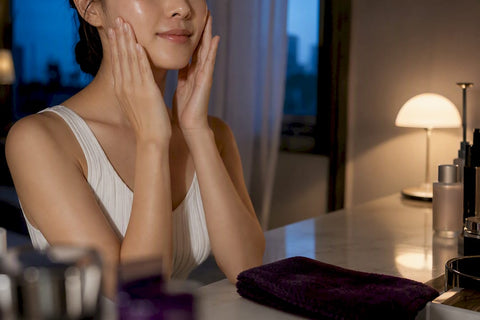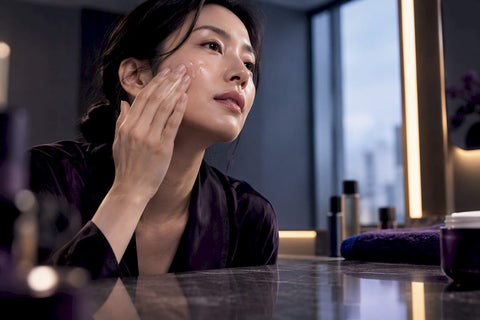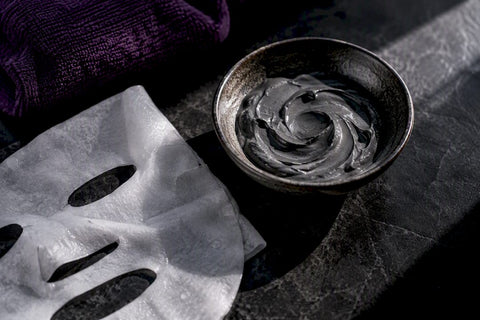
For instant hydration and a pre-makeup glow, choose a sheet mask. For deep pore-clearing, oil control, or exfoliation, choose a wash-off mask. Most routines benefit from both: sheet masks several times a week for moisture, wash-off treatments once or twice a week depending on the formula. Neither format replaces the other; they solve different problems.
TL;DR:
- Moisturizing sheet masks provide a temporary hydration boost through occlusion, making them ideal for dry or sensitive skin, but require frequent replacement.
- Wash-off masks with clays or acids deliver targeted deep cleaning and exfoliation, best suited for oily or dull skin, and should be used with proper timing to avoid irritation.
- Combining both mask types in one routine can address multiple skin concerns, such as dehydration and oiliness, by layering treatments appropriately.
- Usage frequency varies: sheet masks can be used up to four times weekly, while wash-off masks require careful monitoring to prevent overuse or skin barrier damage.
- Selecting the right mask depends on clear goal identification, key active ingredients, timing, and packaging preferences, especially for travel or routine consistency.
Table of Contents
- Wash Off vs Sheet Mask: A Side-by-Side Comparison
- How Do Sheet Masks and Wash-Off Masks Actually Work on Skin?
- Which Mask Should You Use for Your Skin Concern?
- How Do You Use Each Mask Type Correctly?
- How Often Should You Use Sheet Masks and Wash-Off Masks?
- What’s the Quickest Way to Decide Which Mask to Buy?
- LunaraShopping’s Take on Building a Mask Rotation
- Where to Find Korean Sheet Masks and Gentle Wash-Off Formulas
- Sources
- FAQ
Wash Off vs Sheet Mask: A Side-by-Side Comparison
The core difference comes down to delivery method. Sheet masks work by occlusion: a fabric or hydrogel sheet soaked in serum sits on your skin, trapping moisture and pushing active ingredients deeper than they would go if just patted on and left open to air. Wash-off masks work the opposite way. They apply a layer of clay, charcoal, or acid-based formula that needs a set contact time, then gets rinsed away, taking with it oil, buildup, and whatever residue the actives loosened.
That mechanical difference dictates the ingredient list for each. Dermatologists note that sheet masks are built around humectants and soothing agents, ingredients that need to sit and absorb rather than lift and rinse. Wash-off masks carry ingredients that would irritate skin if left on indefinitely, which is exactly why they’re formulated to be timed and removed.
- Sheet masks: hyaluronic acid, ceramides, niacinamide, centella asiatica, collagen peptides
- Wash-off masks: kaolin or bentonite clay, activated charcoal, salicylic acid, glycolic acid, enzyme exfoliants
Convenience and cost tell a different story. A sheet mask takes around 10 to 20 minutes and one packet handles a single use, which keeps things sanitary but adds up in packaging waste over months of regular use. A wash-off tub or tube spreads cost across dozens of applications and tends to win on cost-per-use when you factor in how many sheets you’d otherwise buy for the same stretch of weeks.
How Do Sheet Masks and Wash-Off Masks Actually Work on Skin?
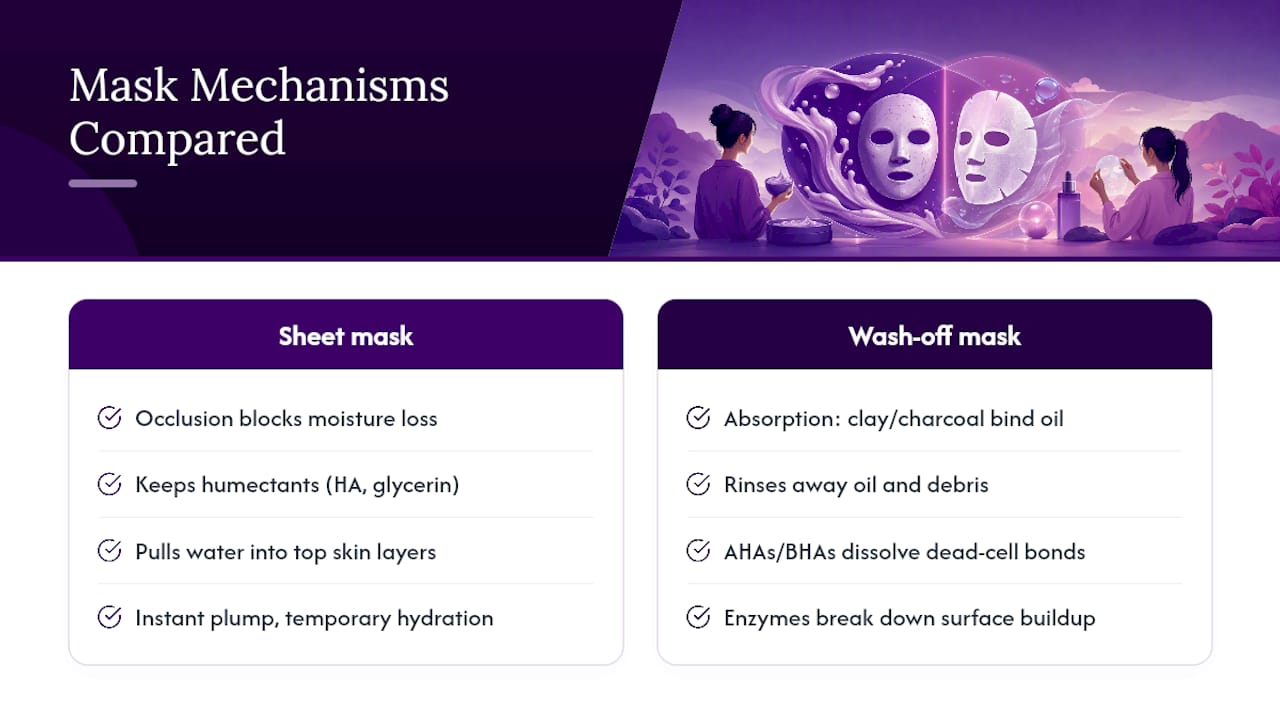
Occlusion is the mechanism behind every sheet mask’s “instant glow” effect. The sheet physically blocks moisture from evaporating off your face, which forces the humectants in the serum, usually hyaluronic acid or glycerin, to stay put and pull water into the top layers of skin. That’s why your face looks plumper immediately after removing one. It’s a temporary hydration boost, not a structural change to your skin.
Wash-off masks work through absorption and reaction rather than sealing. Clay and charcoal bind to oil and debris sitting in your pores, then lift away when you rinse. AHAs and BHAs dissolve the bonds holding dead skin cells together, while enzyme masks break down surface buildup using fruit-derived compounds. Because wash-off actives work faster and more aggressively, they need a countdown timer. Leaving a clay mask on too long doesn’t deepen the benefit; it just dries out your skin. The same caution applies to sheet masks left on well past their recommended window, since prolonged occlusion can intensify irritation instead of adding extra hydration.
Which Mask Should You Use for Your Skin Concern?
Matching format to goal saves you money and frustration. Here’s how the two formats sort by common concern and situation:
- Dehydrated or dry skin: sheet masks, since the occlusive layer forces humectants to absorb rather than evaporate.
- Oily or acne-prone skin: wash-off clay or charcoal masks, which pull excess sebum and help refine texture with repeated use.
- Dullness or uneven tone: wash-off exfoliating masks with AHAs or enzymes, used once weekly to reveal fresher skin underneath.
- Sensitive or reactive skin: fragrance-free sheet masks with centella or oat extract, since they soothe without requiring rubbing or rinsing friction.
- Visible aging or fine lines: sheet masks with peptides or collagen for a plumping effect, paired occasionally with gentle exfoliating wash-offs to support texture.
- Pre-event or before makeup: a sheet mask 20 to 30 minutes before applying products for a smoother base.
- Travel or post-flight skin: single-use sheet masks pack flat and don’t need water access, making them the practical pick on the road.
- Post-workout or breakout flare-ups: a quick clay mask on oily zones only, a technique called multi-masking, while drier areas skip it entirely.
Combining both in one sitting, sometimes called a mask sandwich, works well for mixed skin: exfoliate with a wash-off formula, then follow immediately with a hydrating sheet mask to calm and reseal moisture.
How Do You Use Each Mask Type Correctly?
Getting technique right matters more than which mask you bought. Sloppy timing or skipping prep undercuts both formats.
Sheet mask routine:
- Cleanse first so the serum absorbs into clean skin, not a layer of oil or makeup.
- Apply, smoothing out air bubbles, and set a timer for 10 to 20 minutes, following the package instructions.
- Remove and pat the leftover serum into your skin rather than rinsing it off. Sheet-mask serum is meant to be absorbed, not washed away.
- Lock it in with a moisturizer to seal the hydration boost before it evaporates.
Wash-off routine:
- Start with a clean face, then apply an even layer, thin for acid-based formulas, slightly thicker for clay.
- Time it according to the label. Most clay masks run 10 to 15 minutes; exfoliating acids often need less.
- Rinse thoroughly with lukewarm water. Hot water strips too much natural oil and can leave skin tight.
- Follow with a barrier-soothing moisturizer, especially after clay or acid formulas that can leave skin feeling stripped.
Patch-test any new formula on your inner arm 24 hours before a full-face application. If burning, stinging, or sharp discomfort happens mid-mask, rinse immediately rather than waiting out the timer.
Pro Tip: Never stack a strong wash-off acid mask with a retinoid or another exfoliating acid on the same night. Give your barrier a rest day between active treatments, and let your serum do quieter maintenance work in between.
How Often Should You Use Sheet Masks and Wash-Off Masks?
Overusing either format is the fastest route to a compromised moisture barrier. General frequency guidelines:
- Sheet masks: 2 to 4 times per week, depending on how hydrating the formula is and how your skin responds.
- Hydrating wash-off masks: 2 to 3 times per week.
- Clay or charcoal wash-off masks: 1 to 2 times per week, since daily use over-dries most skin types.
- AHA/BHA wash-off masks: once a week for most people, unless the product is formulated for more frequent, low-dose use.
Watch for red flags: burning that doesn’t fade quickly, redness that lasts more than an hour, or visible peeling. Rinse off immediately and skip the mask category for a few days if any of these show up. If you use retinoids or exfoliating acids elsewhere in your routine, space wash-off acid masks away from those nights, and apply sunscreen the next morning regardless, since exfoliation increases sun sensitivity.
What’s the Quickest Way to Decide Which Mask to Buy?
Standing at the shelf, or scrolling a product page, work through this order instead of grabbing whatever looks trendy:
- Name your goal first: hydration, oil control, dullness, or calming redness.
- Match it to your skin type: dry and sensitive skin lean sheet mask; oily and congested skin lean wash-off.
- Check the key active: hyaluronic acid, ceramides, and niacinamide signal a hydrating sheet mask; salicylic acid, bentonite, and glycolic acid signal a treatment wash-off.
- Confirm the time commitment: a 10-minute wash-off fits a rushed morning; a 20-minute sheet mask fits a slower evening.
- Consider the packaging: single-use sheets suit occasional or travel use, while a wash-off tube suits frequent, repeatable treatment and usually costs less per application over time.
LunaraShopping’s Take on Building a Mask Rotation
Both formats earn a permanent spot in a well-built routine, and the mistake we see most often is treating one as universally “better” instead of goal-specific. Our recommendation: keep a hydrating sheet mask and a gentle clay or enzyme wash-off on hand at all times, and default to fragrance-free formulas if your skin reacts easily. Start conservative on frequency and adjust once you see how your skin responds over a few weeks.
— Lunara
Where to Find Korean Sheet Masks and Gentle Wash-Off Formulas
Lunarashopping is the alternative to guessing your way through a crowded mask aisle. We curate Korean sheet masks and gentle wash-off formulas by skin goal, so you’re not stuck comparing twelve nearly identical clay tubs to figure out which one is actually formulated for sensitive skin.

Our Face Masks collection groups hydrating sheets and treatment wash-offs so you can shop by concern instead of by brand name. If you want a fast, no-guesswork hydration boost, the MEDIHEAL Collagen Essential Mask is a solid single-use pick for pre-event glow. Prefer to build a full rotation at once? The LUNARA Complete Face Care Bundle pairs cleansing and moisturizing essentials with masks so you’re covered on both ends of the routine. Pair your evening mask night with a silk pillowcase to help hold onto that moisture overnight instead of losing it to a cotton case. Orders ship at a flat rate, so building out a mask rotation won’t blow your skincare budget. Browse the collection tonight and pick your first two formats.
Sources
- Sheet masks vs rinse-off masks — OnSkin
- Are sheet masks or rinse-off masks better? — RealSimple
- Sheet mask vs wash-off mask: Which is better? — GlamGeek
FAQ
Are You Supposed to Wash Off a Sheet Mask?
No. Sheet-mask serum is meant to be patted into your skin after you remove the sheet, not rinsed away. Rinsing it off wastes most of the hydrating benefit you just applied.
What Are the Downsides of Sheet Masks?
They’re single-use, so the cost and packaging waste add up if you use them often, and the occlusive design can irritate skin if left on longer than the recommended 10 to 20 minutes. They also can’t carry certain actives like clay or charcoal that need to be rinsed away.
Is a Sheet Mask or a Peel-Off Mask Better?
It depends entirely on your goal. Sheet masks win for hydration and soothing, while peel-off and wash-off formats win for oil control, exfoliation, and deep cleansing, since dermatologists generally split the recommendation by skin type and concern.
Do Sheet Masks Actually Make a Difference?
Yes, for short-term hydration and plumpness. The occlusive sheet traps humectants against your skin long enough for visible, if temporary, improvement in texture and glow, though it won’t replace targeted treatment for oil or texture concerns.
How Do I Choose Between a Sheet Mask and a Wash-Off Mask?
Start with your skin goal: hydration and soothing point to a sheet mask, while deep-cleaning or exfoliation point to a wash-off formula. Lunarashopping’s Face Masks collection organizes both types by concern to make that choice faster.